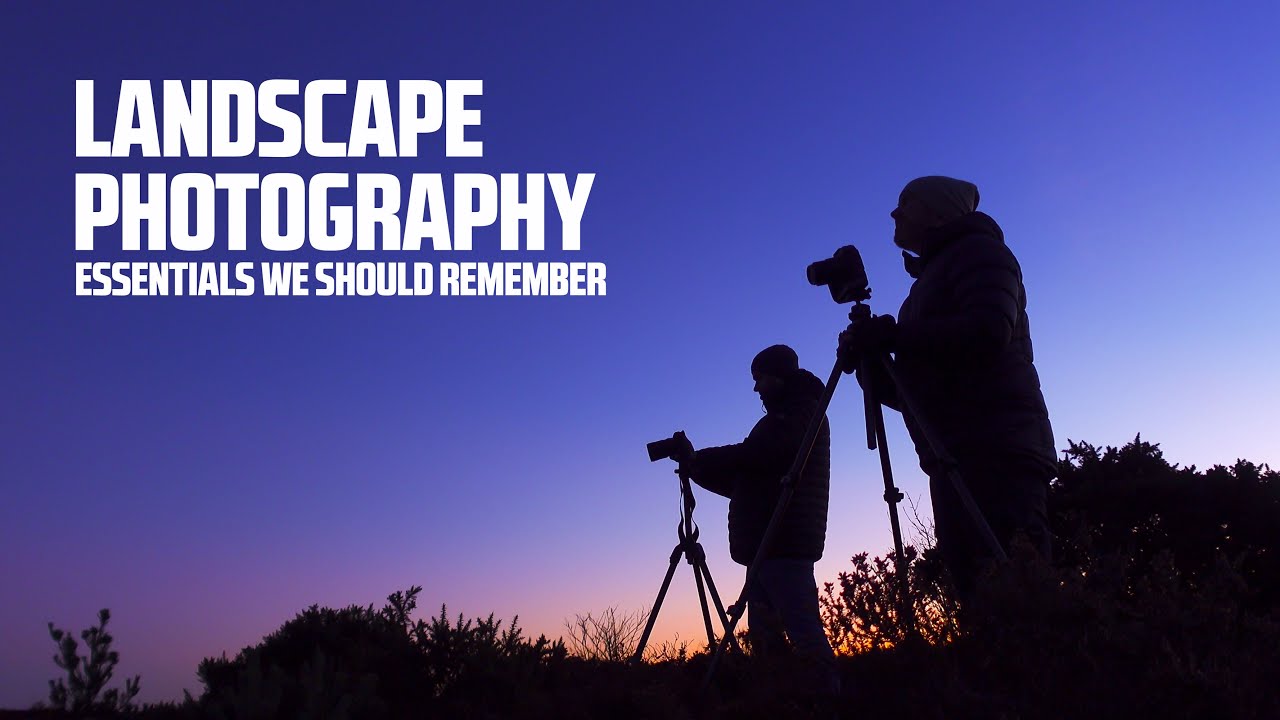
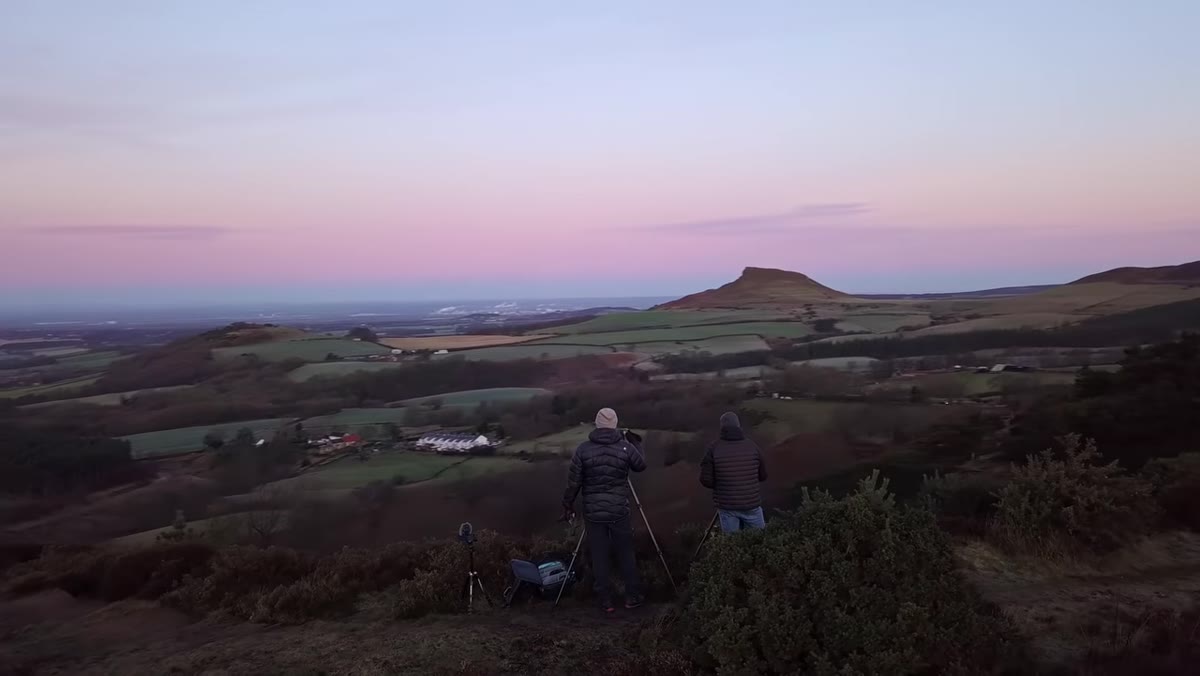
There’s a particular kind of fatigue that sets in after years of shooting. Not the good kind, the pre-dawn alarm kind, the standing-in-a-frozen-river kind. The bad kind, where you stop asking why you’re doing this and just go through the motions. You show up, you shoot, you process, you post. Somewhere in there the wonder quietly slips out the back door. When that starts happening to me, I go looking for a reset, something that pulls me back to the fundamentals before the technical noise swallows everything whole.
That’s exactly why I keep coming back to this kind of reflective content. In this First Man Photography tutorial, the creator does something that most photography channels won’t bother doing: he slows down, steps away from the f-stop lectures, and talks honestly about what actually keeps you improving over the long run. No charts, no pixel-peeping. Just a working photographer thinking out loud about gear, mindset, and momentum. After 20 years behind the camera, I found myself nodding through most of it. Here’s how I’d break it down for anyone who wants to carry these ideas into their own shooting.
Step 1: Reframe What “Essentials” Actually Means
 Creator speaking directly to camera about returning to basics
Most photographers, when they hear the word “essentials,” immediately picture a checklist: tripod, polarizer, graduated ND filter. That’s not what this tutorial is about. The essentials being discussed here are harder to pack into a camera bag. They’re the habits and perspectives that determine whether you keep growing or plateau at whatever level you reached three years ago.
Creator speaking directly to camera about returning to basics
Most photographers, when they hear the word “essentials,” immediately picture a checklist: tripod, polarizer, graduated ND filter. That’s not what this tutorial is about. The essentials being discussed here are harder to pack into a camera bag. They’re the habits and perspectives that determine whether you keep growing or plateau at whatever level you reached three years ago.
Before you touch a single piece of gear or open a single menu, ask yourself why you’re picking up the camera today. Not for Instagram. Not because the light looks good. Why does this work still matter to you? If you can’t answer that honestly, everything downstream gets a little hollow.
Step 2: Stop Treating Gear as the Conversation Opener
 Creator holding camera and discussing gear relevance
One of the most honest moments in this tutorial is the admission that gear conversations are both unavoidable and often misguided. The creator talks about shooting with everything from a phone to a medium format system, and the conclusion isn’t that gear doesn’t matter. It’s that gear matters in proportion to the specific problems you’re trying to solve.
Creator holding camera and discussing gear relevance
One of the most honest moments in this tutorial is the admission that gear conversations are both unavoidable and often misguided. The creator talks about shooting with everything from a phone to a medium format system, and the conclusion isn’t that gear doesn’t matter. It’s that gear matters in proportion to the specific problems you’re trying to solve.
I’ve watched students show up to my workshops with cameras worth four times what mine cost, and they still struggle with the same compositional indecision that a $400 body would have produced. The practical advice here is straightforward: identify a real limitation in your current work first, then research whether a piece of gear actually solves it. Desire is fine to factor in, the tutorial explicitly says to let a little desire creep into the decision, but it should be desire layered on top of clarity, not used as a substitute for it.
Step 3: Build Reliability Into Your Kit Before You Build Capability
 Creator showing camera cage and protective handle setup
This is the step most enthusiast photographers skip entirely, and it costs them. The tutorial recounts a specific gear failure: a dropped camera, a cracked microphone port, a full day of footage lost. The response wasn’t to buy something more expensive. It was to add a cage and a handle, cheap accessories that added protection and actually improved the shooting experience at the same time.
Creator showing camera cage and protective handle setup
This is the step most enthusiast photographers skip entirely, and it costs them. The tutorial recounts a specific gear failure: a dropped camera, a cracked microphone port, a full day of footage lost. The response wasn’t to buy something more expensive. It was to add a cage and a handle, cheap accessories that added protection and actually improved the shooting experience at the same time.
Think about your own kit this way. What’s your most likely failure point in the field? For me it’s memory cards and battery management, two things I have redundancy for on every single shoot because I learned the hard way. Before you spend money on a new lens, spend twenty minutes making your current setup more bombproof. Reliability is a professional value, not just a professional budget.
Step 4: Understand the Journey Model of Progression
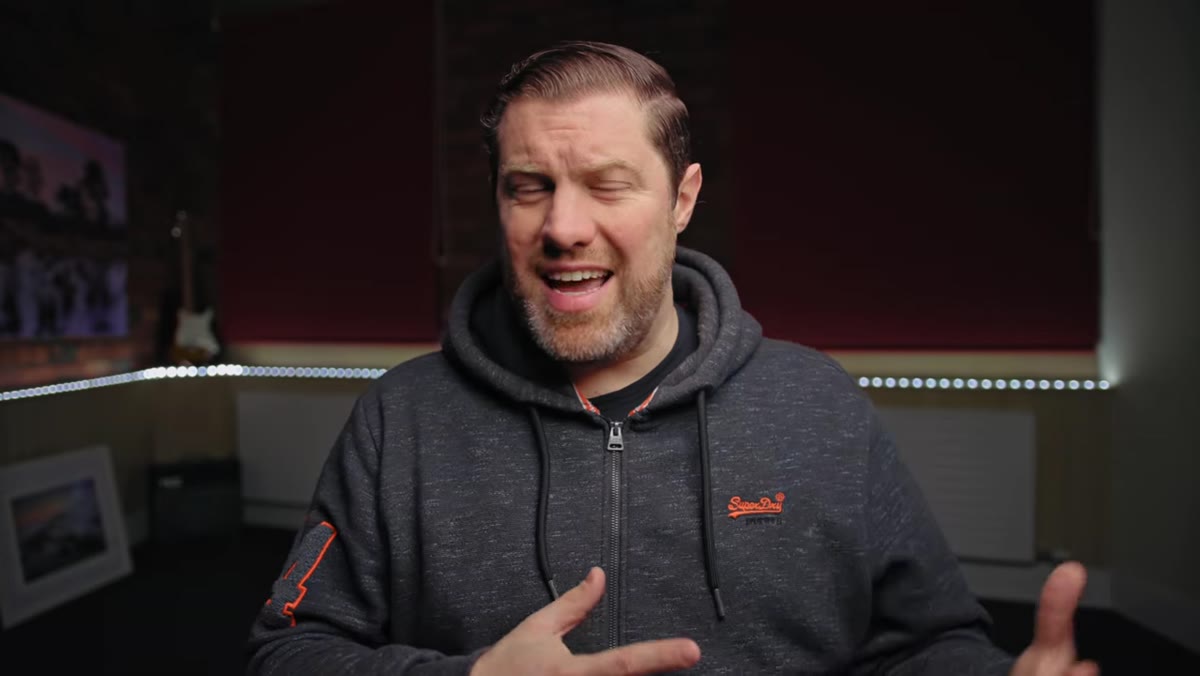 Creator describing photography as a journey with evolving needs
The tutorial frames photography growth as a journey where your needs change as your eye develops. This isn’t motivational filler. It’s a genuinely useful mental model for making decisions about what to learn next. You will recognize new problems as you improve. A composition issue you couldn’t see at year one becomes obvious at year three. A dynamic range limitation you didn’t know you were hitting becomes a real creative constraint once your vision gets specific enough to feel it.
Creator describing photography as a journey with evolving needs
The tutorial frames photography growth as a journey where your needs change as your eye develops. This isn’t motivational filler. It’s a genuinely useful mental model for making decisions about what to learn next. You will recognize new problems as you improve. A composition issue you couldn’t see at year one becomes obvious at year three. A dynamic range limitation you didn’t know you were hitting becomes a real creative constraint once your vision gets specific enough to feel it.
The practical takeaway is to audit your work regularly with fresh eyes. Print something you made six months ago and look at it hard. Where does it fall apart? That failure point is your next teacher. Don’t go looking for the next tutorial on a topic that isn’t your actual sticking point. Find the real edge and press on that.
Step 5: Protect Your Motivation the Same Way You Protect Your Gear
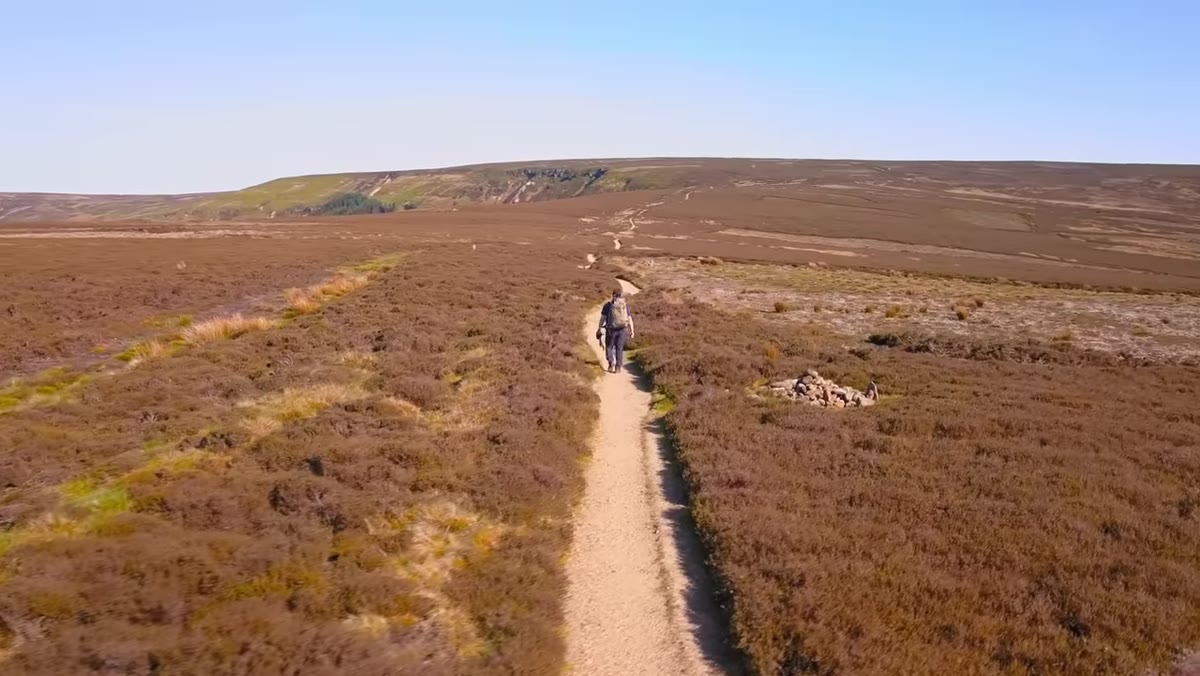 Creator discussing inspiration and carrying momentum forward
Toward the end of this section of the tutorial, the creator talks about carrying inspiration forward, especially through difficult periods. This is the step that never shows up in the technical guides, and it might be the most important one. Motivation erodes under repetition. Workflows become automatic, locations become familiar, and the electric feeling of early shooting starts to dull.
Creator discussing inspiration and carrying momentum forward
Toward the end of this section of the tutorial, the creator talks about carrying inspiration forward, especially through difficult periods. This is the step that never shows up in the technical guides, and it might be the most important one. Motivation erodes under repetition. Workflows become automatic, locations become familiar, and the electric feeling of early shooting starts to dull.
The countermove is intentional disruption. Shoot something you’ve never shot. Use a constraint you’ve never tried. I occasionally load a roll of film specifically because it forces me to slow down and think before I press the shutter, a different quality of attention than digital allows. You don’t have to go back to film. But find whatever forces you into beginner’s mind, even for an afternoon.
What 20 Years Has Taught Me That the Tutorial Leaves Implied
The tutorial covers the what clearly. What it leaves to inference is the cumulative weight of showing up repeatedly even when conditions are bad, inspiration is low, and the results are mediocre.
A mentor told me early on that the mountain doesn’t care about your schedule. I’ve never forgotten it. I once drove six hours to a coastal location, sat in featureless fog for two full days, and came home with a single frame. That frame became my best-selling print. Not because I got lucky, but because I was there when everyone else had turned back. Reliability, patience, and protecting your motivation are the infrastructure beneath every great shot. The gear just executes.
The single most important idea in this tutorial is also its simplest: the basics aren’t a starting point you leave behind. They’re a foundation you return to, deliberately and often, especially when things feel stale. Gear matters, growth matters, inspiration matters, but none of it works without the habit of coming back to first principles.
Watch the full tutorial on YouTube and spend some time with it. It’s a good one to return to at the start of a new season.
Comments
Leave a Comment