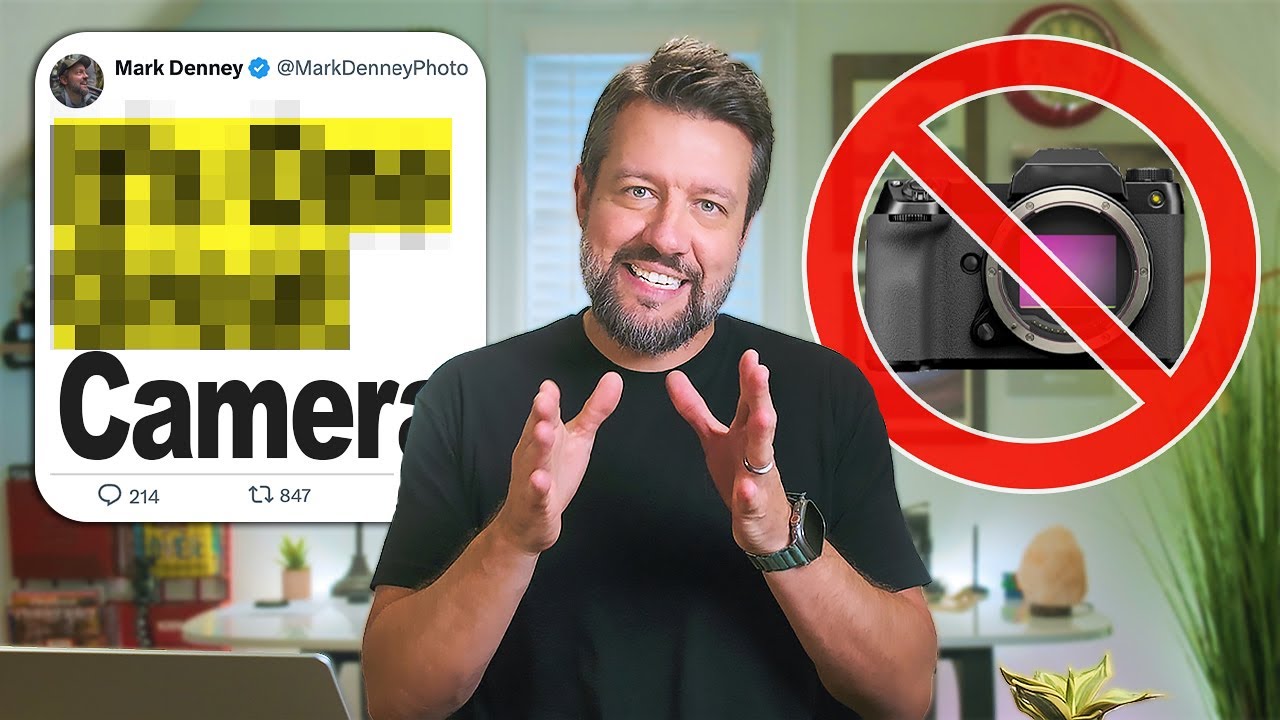
There’s a particular kind of fatigue that sets in after you’ve been doing this long enough. It’s not the 4am alarms or the cold water over your boots or the six-hour drives into weather that has no intention of cooperating. It’s the comments. The well-meaning, head-scratching, occasionally maddening things people say when they look at your photographs. After twenty years of sharing work, teaching workshops, and selling prints, I’ve heard most of them more times than I can count. So when I came across this Mark Denney tutorial, Watch the full tutorial on YouTube, I found myself nodding along at almost every point. Denney runs through ten of the most common statements that landscape photographers encounter, from beginners posting their first sunrise shot to seasoned pros with years of field work behind them. What makes the video worth your time isn’t just the commiseration. It’s what each of these statements reveals about the gap between how photographers understand their craft and how the general public perceives it.
That gap matters. It shapes how we talk about our work, how we present ourselves to clients, and how we educate the people around us. Understanding where these comments come from is the first step toward responding to them with something more useful than a tired sigh.
Step 1: Recognize the “Amazing Camera” Comment for What It Is
 Person suggesting great photos require an expensive camera
When someone looks at one of your photographs and says “you must have an incredible camera,” the instinct is to feel slightly insulted. Denney is honest about that reaction and honest about the fact that it compounds over time. What starts as a minor irritation after the first few years becomes a genuine philosophical frustration by year ten.
The useful reframe here is to treat the comment as an invitation. The person isn’t trying to dismiss your skill. They’re genuinely searching for an explanation for why your image looks the way it does, and the camera is the only variable they know to name. Your job, if you choose to accept it, is to introduce them to the other variables: the pre-dawn drive to reach the location before the light shifted, the compositional decisions made while standing knee-deep in a creek, the processing choices that took years of trial and failure to develop. A camera is a tool. The photograph is a series of decisions that happen before, during, and after the shutter fires.
Step 2: Understand Why Unsolicited Critique Lands the Way It Does
 Comment suggesting photographer should have done something differently
Denney’s second point addresses the “nice photo, but I would have done it differently” comment, and this one requires a little more nuance to unpack. On one hand, critique is genuinely valuable in photography. On the other hand, context matters enormously.
When a photographer shares a finished image without asking for feedback, they’re making a statement, not opening a negotiation. They’ve already made their decisions about crop, contrast, color, and composition. They looked at every option and chose this one. Arriving in the comments with an alternative vision isn’t critique. It’s an assertion of your preferences over theirs, which is a different thing entirely. Denney’s point is simple: if someone wants feedback, they’ll ask for it. If they haven’t asked, a genuine compliment serves the moment better than an unsolicited revision. Save the detailed critique for spaces where it’s been specifically invited, like workshops, photo clubs, or one-on-one mentoring sessions.
Step 3: Decode the “GPS?” Comment
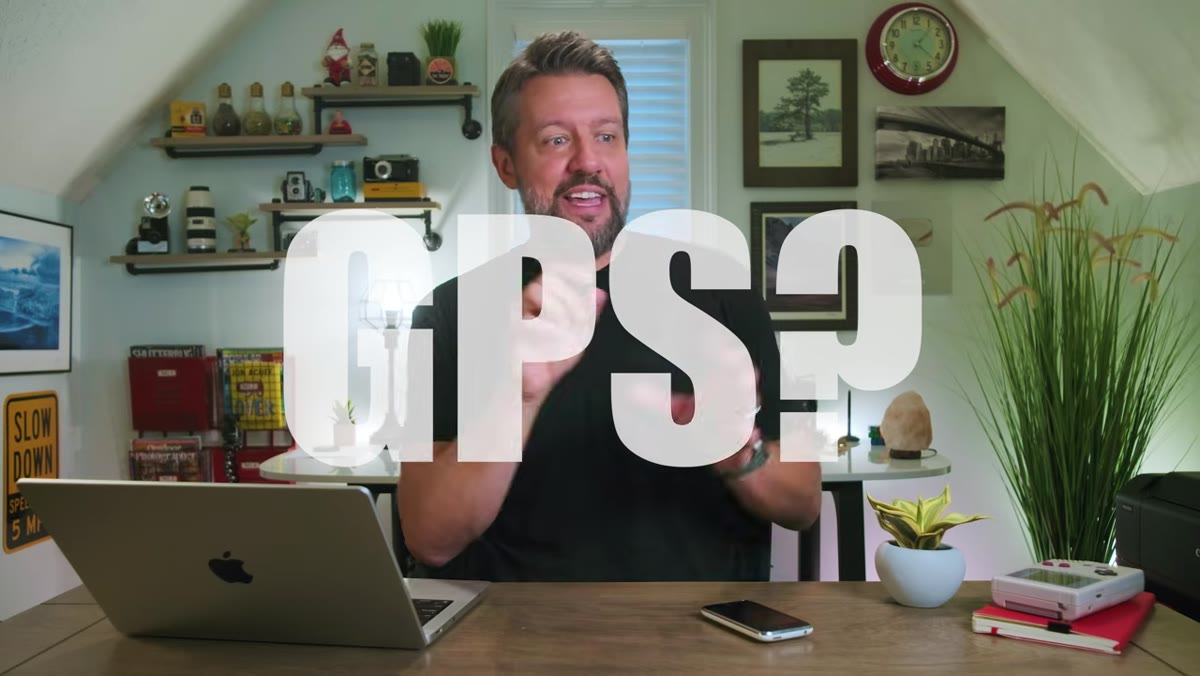 Single word GPS comment appearing under a photo post
This one made me laugh out loud because I’ve received it myself, more times than I can count. Someone sees your image and their entire response is a single word followed by a question mark: “GPS?” No acknowledgment of the image. No context. Just a request for coordinates.
Denney points out what makes this particular comment so strange: nobody seems to actually receive coordinates from it, and yet it keeps appearing. What it signals is that a subset of viewers experience landscape photographs primarily as location maps rather than images. They’re not engaging with the light or the moment. They’re trying to find out where to stand. There’s a reasonable conversation to be had about location sharing in the photography community, and plenty of photographers make thoughtful decisions about whether to share specific spots. But the bare “GPS?” comment skips that conversation entirely. If you’re going to ask a photographer about a location, acknowledge the image first. Ask politely. Give them a reason to want to help you.
Step 4: Notice When Statements Flatten the Complexity of the Craft
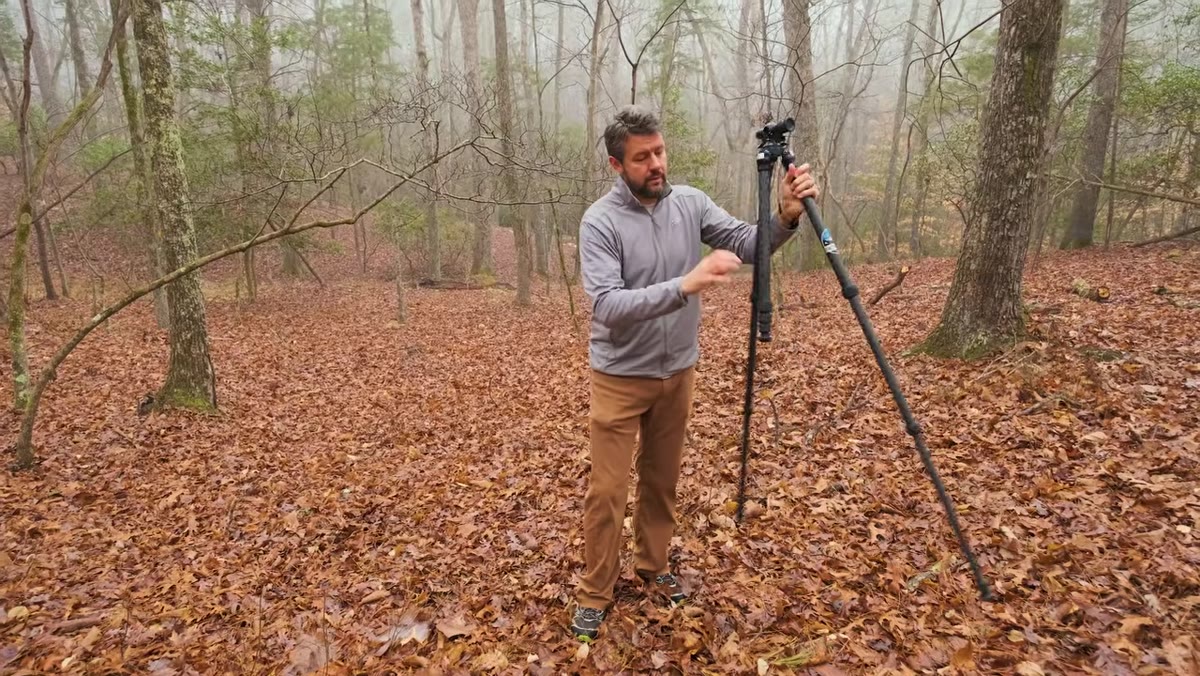 Listing the many skills that go into a single photograph
Running underneath each of these examples is a larger pattern that Denney returns to throughout the video. Statements that reduce landscape photography to equipment, luck, or location are frustrating not because they’re malicious but because they flatten something genuinely complex into something trivially simple.
Composition alone involves years of training your eye. Learning to read light, to anticipate how it will move across a scene in the next fifteen minutes, is a skill developed over hundreds of early mornings. Post-processing is a craft unto itself. The photographer who made the image you’re looking at thought about all of it, probably before they even left the house. When a single comment reduces that to “nice camera,” it’s worth pausing to articulate, even briefly, what actually went into the frame. Not defensively, but as a genuine contribution to how the person in front of you understands the medium.
Step 5: Develop a Response That Educates Without Lecturing
 Mark Denney speaking directly to camera about recurring comments
The practical takeaway from Denney’s breakdown is that every one of these comments represents a teachable moment, if you’re willing to take it. The key is keeping your response short, specific, and free of condescension.
When someone credits your camera, tell them one concrete thing you did that had nothing to do with it. “I actually got there two hours before sunrise to find this angle.” When someone offers unsolicited revision notes, you can simply say “I went back and forth on that too, ended up preferring this version.” When someone drops a bare “GPS?” you can decide whether you want to share or not, but either way a full sentence response sets a better tone than the comment itself. These aren’t scripts. They’re just the habit of treating each interaction as a chance to close the gap between how you see your work and how the person commenting sees it.
What Twenty Years Teaches You About This
My mentor told me once that the mountain doesn’t care about your schedule. He was talking about patience in the field, but it applies here too. The misunderstandings people bring to your work aren’t obstacles. They’re just where those people are right now. I’ve had people make the camera comment and then, after a ten-minute conversation, sign up for a workshop. I’ve had the “GPS?” commenter become someone who genuinely engaged with the craft once they understood there was more to engage with.
The comments Denney catalogues are going to keep coming, for all of us, for as long as we share our work publicly. What changes over time is your ability to hear them without flinching and respond in a way that actually moves something forward.
The single most important thing this video reminded me: how you respond to these moments is part of how you represent the craft. Take the time to respond well.
Watch the full tutorial on YouTube to hear all ten examples directly from Mark Denney, including a few that didn’t make this breakdown.
Comments
Leave a Comment