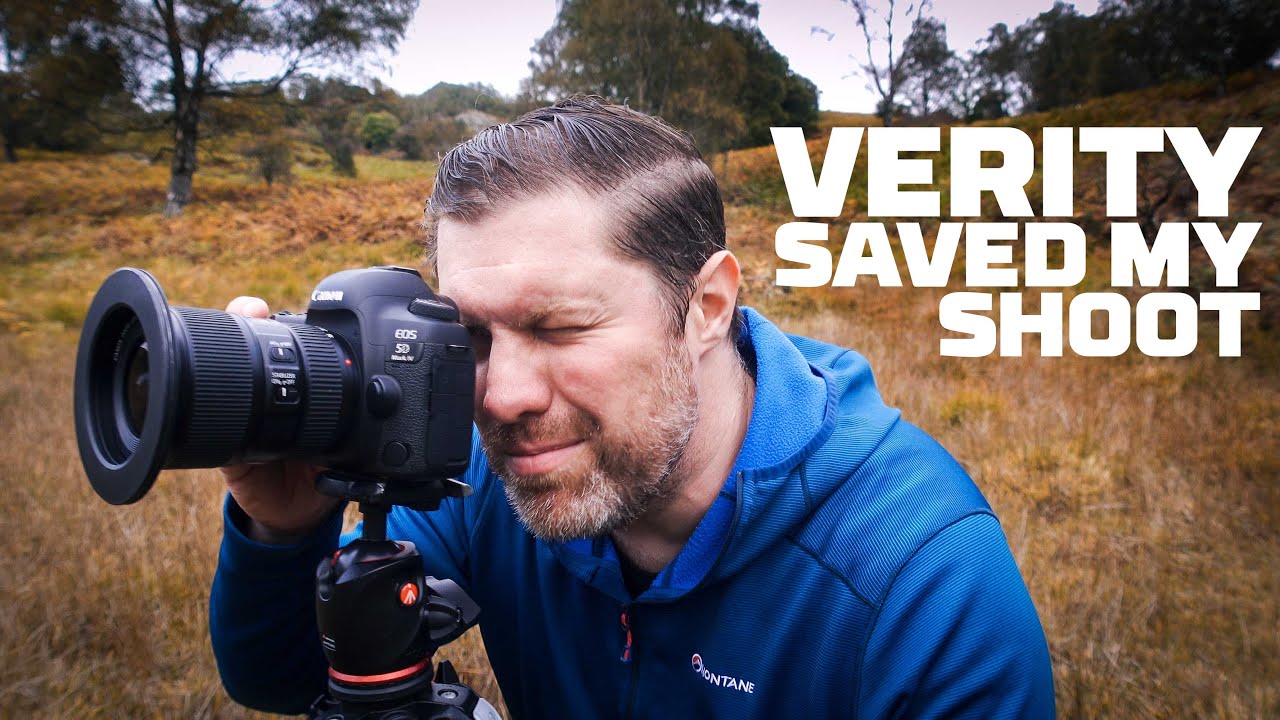
There’s a version of landscape photography I practiced for years that looked something like this: arrive at a location, immediately start scanning for a composition, feel vaguely frustrated when nothing obvious announced itself, shoot anyway, drive home disappointed. I was treating the landscape like a puzzle to be solved on a deadline. The mountain, as my old mentor used to say, does not care about your schedule.
What I’ve come to understand after two decades of doing this work, mostly through hard-won mornings standing in the dark waiting for light that may or may not arrive, is that the photographers whose images actually stop people are rarely the ones running the most disciplined systems. They’re the ones who’ve learned to be present first and technical second. That’s exactly what I found in this conversation between Adam Welch and landscape photographer Verity Milligan. Watch the full tutorial on YouTube - it runs only a few minutes but it’s dense with the kind of insight that usually only comes out around a campfire.
In this First Man Photography tutorial, Adam and Verity walk through her approach while out in the Lake District together. The result is one of the most honest conversations about creative process I’ve seen captured on camera. No controlled studio setup, no polished talking points. Just two photographers talking through the real questions.
Step 1: Release Your Expectations Before You Arrive
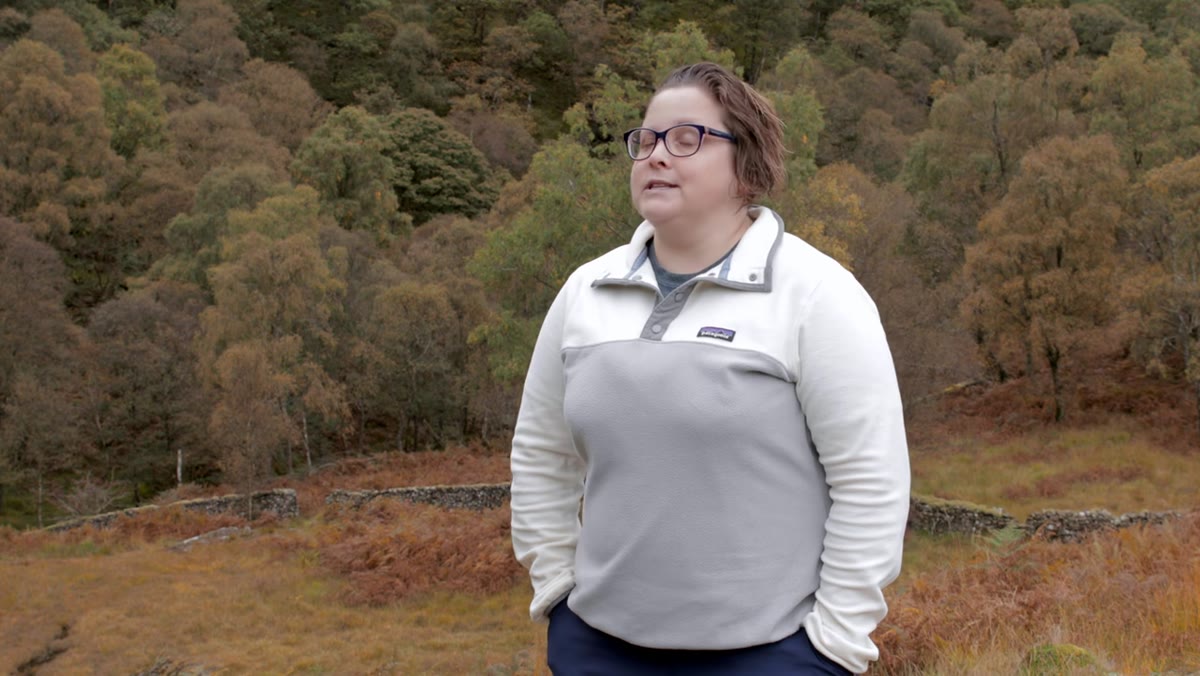
 Verity speaking candidly on location in the Lake District
Verity is clear that she tries to arrive at a location without locking in a mental image of what she wants to come home with. This is harder than it sounds. When conditions look promising, or when you’ve seen other photographers’ images from a location, your brain starts building a target shot before you’ve taken a single step. That target becomes a trap.
Verity speaking candidly on location in the Lake District
Verity is clear that she tries to arrive at a location without locking in a mental image of what she wants to come home with. This is harder than it sounds. When conditions look promising, or when you’ve seen other photographers’ images from a location, your brain starts building a target shot before you’ve taken a single step. That target becomes a trap.
The practical application here is to make a deliberate decision before you get out of the car. Acknowledge what conditions you’re seeing, notice what you’re hoping for, and then consciously set it aside. Your job in the first ten or fifteen minutes on location is observation, not acquisition. Walk the scene. Look at the light. Let it tell you something before you start telling it what to do.
Step 2: Treat the Landscape as Something You’re Reading, Not Framing
 Verity describing how she pieces together compositions while walking
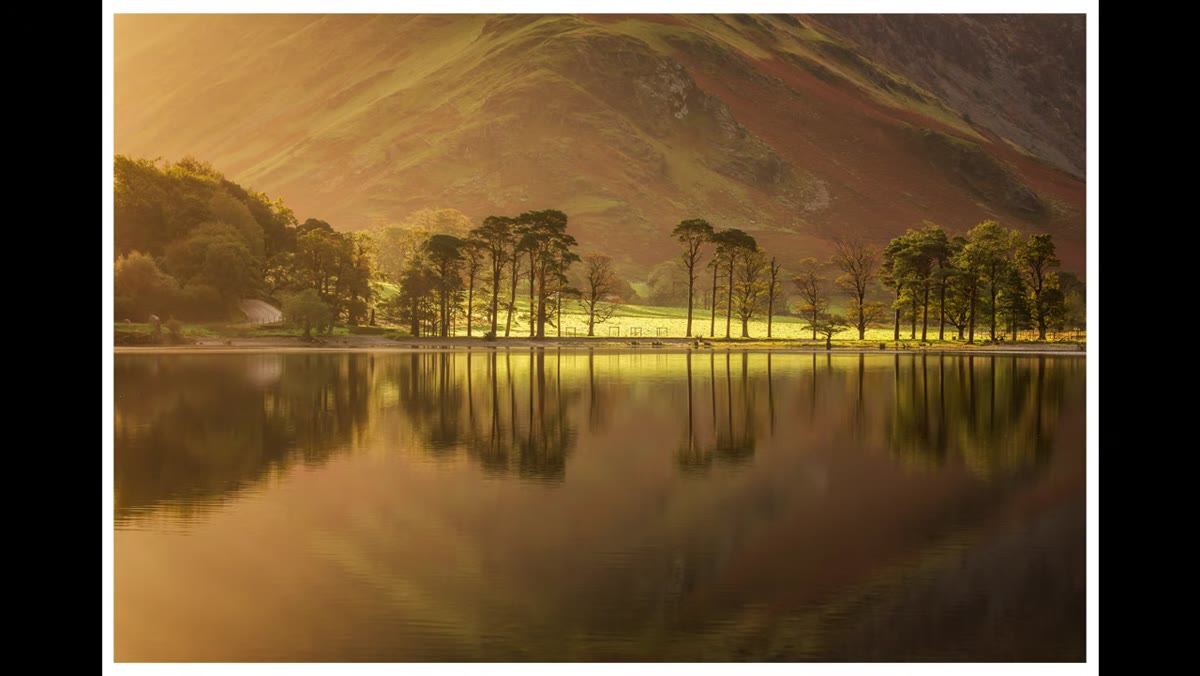
Verity describes a process of “piecing together” what she sees as she moves through a landscape. This is a compositional habit, not just a mindset. She’s not looking for a single perfect frame the way you might scan a room for a light switch. She’s reading the landscape in sections, noticing relationships between elements, and letting potential compositions surface gradually.
Verity describing how she pieces together compositions while walking
Verity describes a process of “piecing together” what she sees as she moves through a landscape. This is a compositional habit, not just a mindset. She’s not looking for a single perfect frame the way you might scan a room for a light switch. She’s reading the landscape in sections, noticing relationships between elements, and letting potential compositions surface gradually.
Practically, this means moving your feet more than you move your eye to the viewfinder. Walk to the left. Walk closer. Crouch down. The composition that works almost never reveals itself from the first spot you stand. Train yourself to physically explore before you commit to a shooting position, and you’ll start seeing the scene the way Verity describes, as a set of possibilities being assembled rather than a single scene being captured.
Step 3: Use Bad-Light Visits as Scouting Sessions
 Verity referencing phone shots taken during an overcast walk
One of the most practically useful things Verity mentions is how she uses visits in poor light. Rather than treating a grey, flat-light day as a wasted trip, she photographs small scenes on her phone as reference, noting compositions she wants to return to when conditions change. She’s essentially building a location library from the inside out.
Verity referencing phone shots taken during an overcast walk
One of the most practically useful things Verity mentions is how she uses visits in poor light. Rather than treating a grey, flat-light day as a wasted trip, she photographs small scenes on her phone as reference, noting compositions she wants to return to when conditions change. She’s essentially building a location library from the inside out.
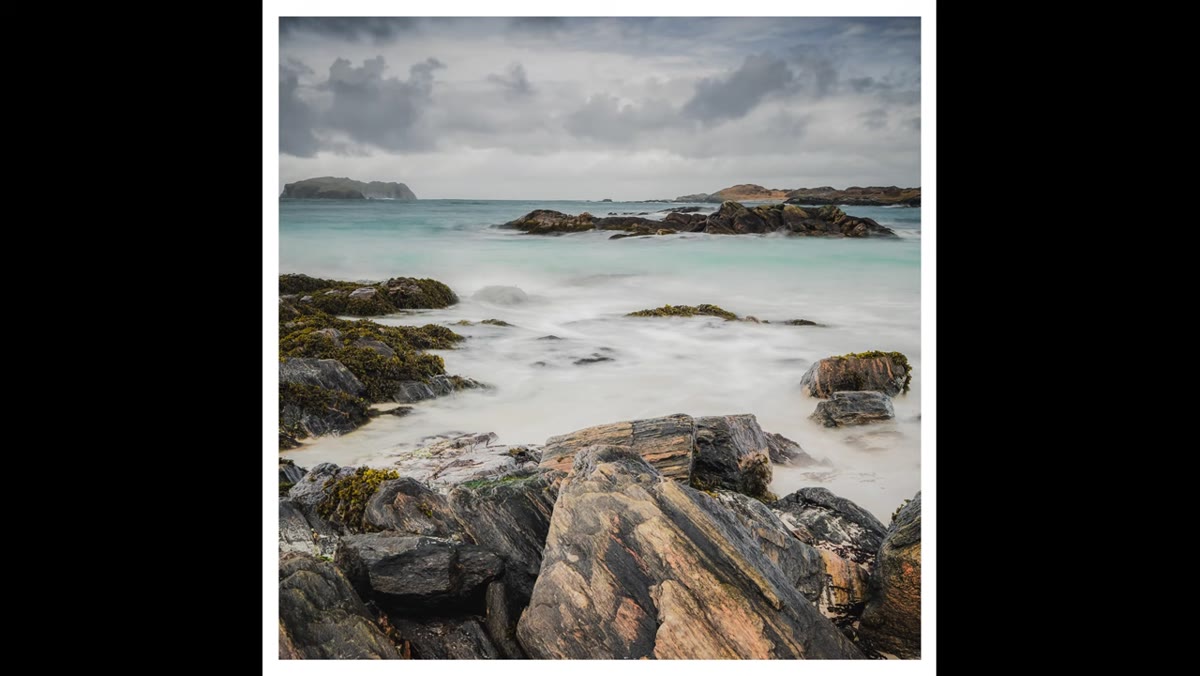
This flips the script on “bad days.” If you arrive somewhere and the light is doing nothing interesting, switch into scouting mode with intention. Make notes. Shoot reference frames. Pay attention to where the light might come from at a different hour, or what a dusting of frost might do to a foreground you’re looking at right now in mud. The location doesn’t change. The conditions do. The photographers who know a location in multiple moods are the ones who come away with images that look like they required extraordinary luck.
Step 4: Let Emotional Resonance Drive Your Technical Decisions
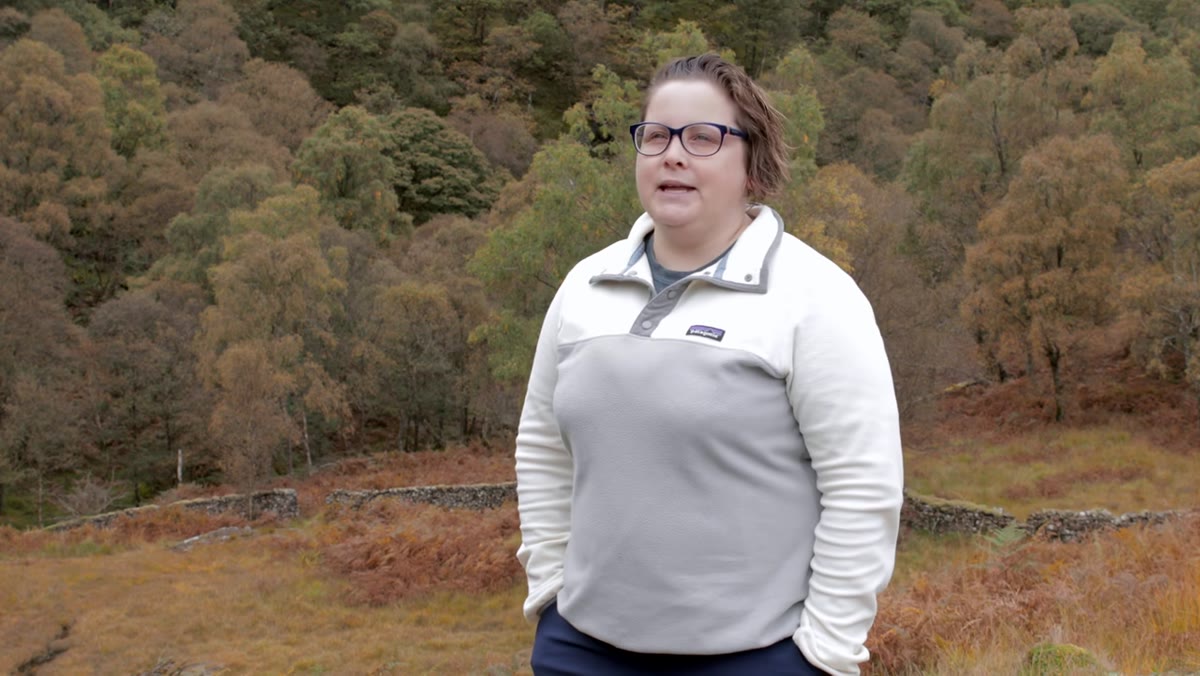 Verity discussing emotional attachment to landscape and image-making
Verity describes herself as an emotional photographer, not in opposition to being technically capable, but as a way of explaining where her creative decisions originate. She knows her camera. She just doesn’t let technical execution lead. She lets the feeling she has about a place or a moment inform what she’s trying to make, and then uses technique in service of that.
Verity discussing emotional attachment to landscape and image-making
Verity describes herself as an emotional photographer, not in opposition to being technically capable, but as a way of explaining where her creative decisions originate. She knows her camera. She just doesn’t let technical execution lead. She lets the feeling she has about a place or a moment inform what she’s trying to make, and then uses technique in service of that.
This is worth sitting with if you spend a lot of time thinking about settings. I’m not suggesting you abandon precision. I still won’t touch auto mode on anything. But there’s a difference between knowing your exposure triangle and letting your exposure triangle think for you. When Verity talks about feeling an attachment to the landscape, she’s describing a process where the emotional response to the scene is the brief, and the camera settings are just the tools you use to execute it. Ask yourself what you actually feel about what you’re looking at, and then ask what you need to do technically to make an image that transmits that feeling.
Step 5: Revisit the Same Locations Repeatedly and With Patience
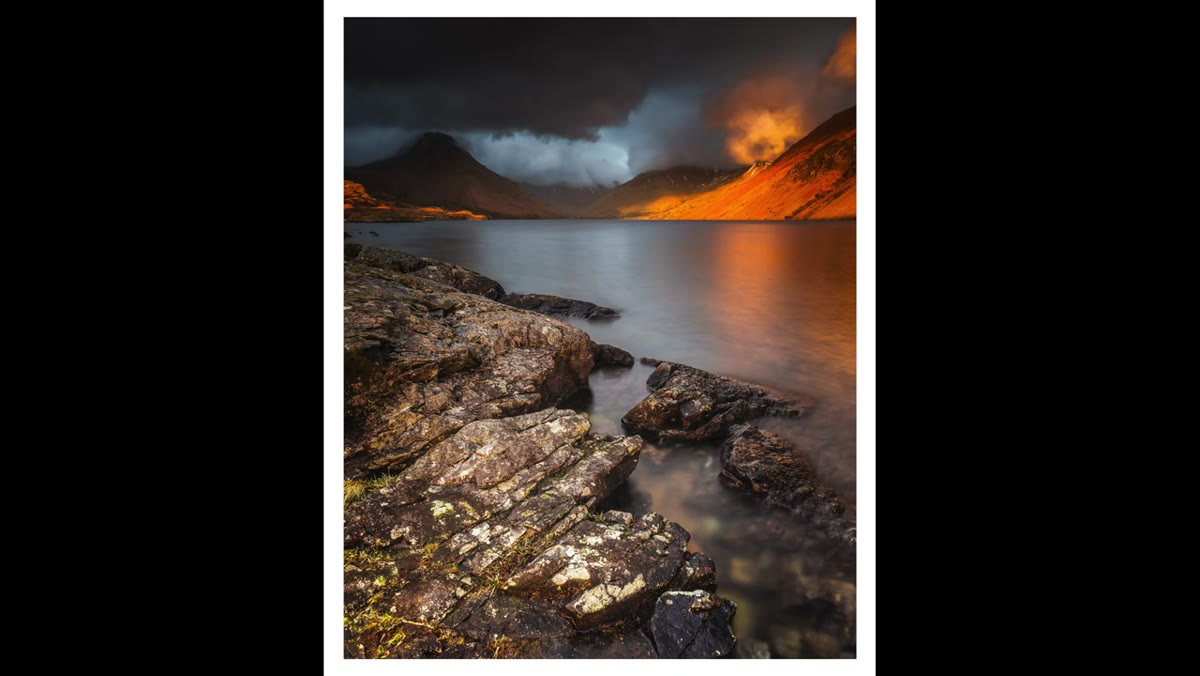 Verity referencing returning to familiar Lake District spots
Verity returns to the same places again and again. This isn’t a lack of ambition. It’s a long-term compositional strategy. The more time you spend in a location, the more you understand how it behaves across seasons, across weather systems, across times of day. That understanding is what separates an image that was lucky from one that was inevitable.
Verity referencing returning to familiar Lake District spots
Verity returns to the same places again and again. This isn’t a lack of ambition. It’s a long-term compositional strategy. The more time you spend in a location, the more you understand how it behaves across seasons, across weather systems, across times of day. That understanding is what separates an image that was lucky from one that was inevitable.
Pick two or three locations near you and commit to them for a full year. Visit in conditions you wouldn’t normally bother with. You’ll start to notice things that one-time visitors never see, the way light rakes across a particular hillside only in late November, or how fog settles into a valley floor just after a temperature drop. That knowledge becomes a creative asset no gear upgrade can replace.
What I’d Add From My Own Experience
The creative thread running through everything Verity describes is patience used as a tool, not a virtue. There’s a distinction there. Patience as a virtue is passive. Patience as a tool is active, it means staying in a place long enough for it to reveal something, doing the slow work of building familiarity with a landscape over months and years, and being willing to come home without a keeper if that’s what the day offered.
I once drove six hours to a location, sat in fog for two solid days, and came home with a single frame. That frame is now my best-selling print. I didn’t plan that image. I just stayed long enough to be there when the fog broke for eleven minutes at dawn on the second morning. That’s not luck. That’s the result of not leaving.
The single most important thing I took from this conversation is Verity’s framing of composition as something you “feel,” not just construct. Your camera is a technical instrument. But your eye, trained by time in the field and sharpened by genuine feeling for the natural world, is the thing that makes the photograph. Start there.
Watch the full tutorial on YouTube - the unplanned, unpolished format makes it one of the more honest conversations about creative process you’ll find.
Comments (3)
Bookmarked. Coming back to this one for sure.
The before and after really sells it. Incredible difference.
Tried this technique this morning. Game changer for real.
Leave a Comment