There’s a problem I see constantly in my workshops, and I spent years wrestling with it myself: arriving at a location and immediately raising the camera. The light is good, the scene looks promising, and the instinct is to start shooting. But that impulse, satisfying as it feels, is usually the thing that produces a folder full of mediocre frames. The real work happens before the shutter fires.
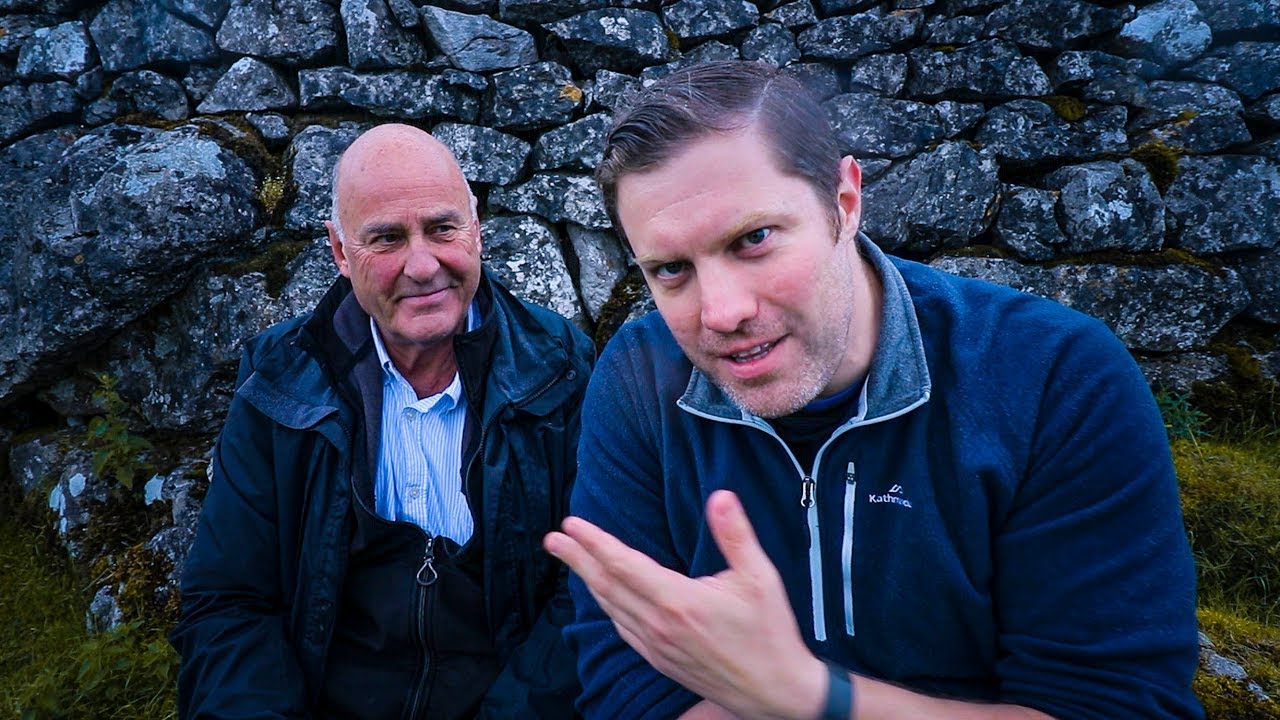
In this First Man Photography tutorial, the host visits Cold Stone Cut in Yorkshire alongside legendary British landscape photographer Charlie Waite, founder of Light and Land and the driving force behind the Landscape Photographer of the Year competition. What unfolds is less a technical deep-dive and more a masterclass in field philosophy: how a seasoned eye actually reads a scene. Watch the full tutorial on YouTube
I’ve been doing this for twenty years, and I still took notes.
Step 1: Arrive and Resist the Urge to Shoot
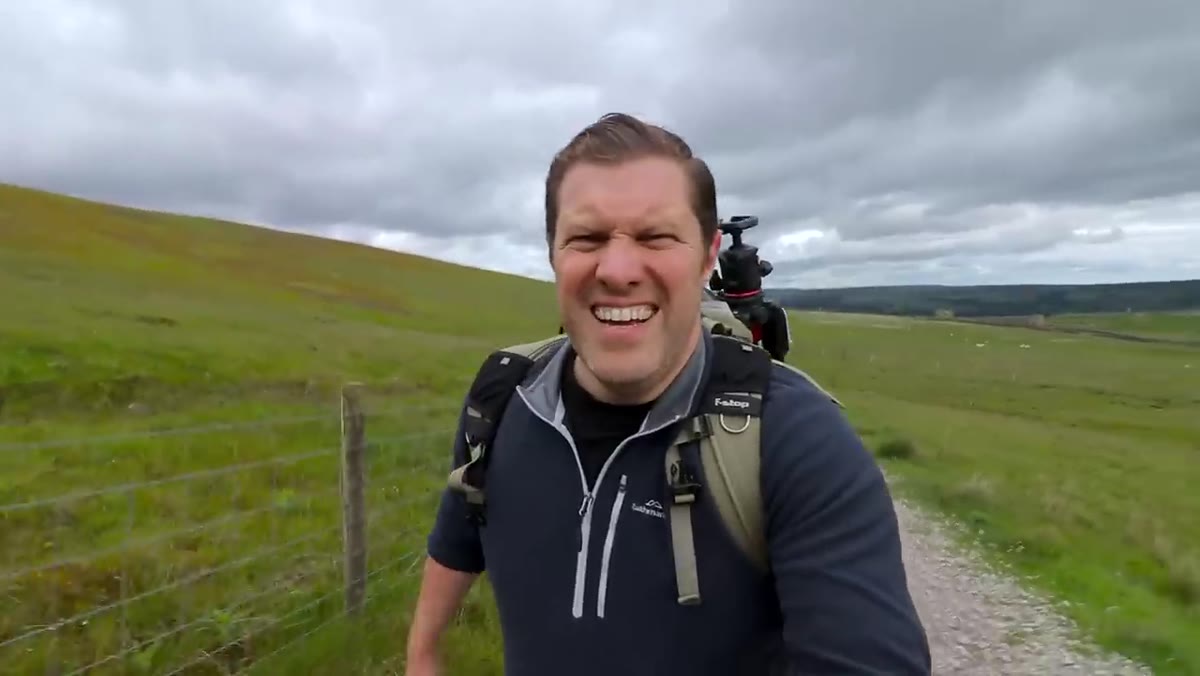 Host walking up hill toward Cold Stone Cut location
Before anything else, walk the scene. Waite’s first instinct upon arrival isn’t to reach for the camera bag. It’s to look. This sounds obvious, but most photographers, myself included on tired mornings, skip this step. Give yourself five or ten minutes to move through the location on foot without shooting. You’re gathering information: where does the light fall, what are the dominant shapes, where does your eye want to travel?
Think of it as scouting even if you’re already there. The first angle you find is almost never the right one. It’s just the most convenient one.
Step 2: Decide What the Story Is
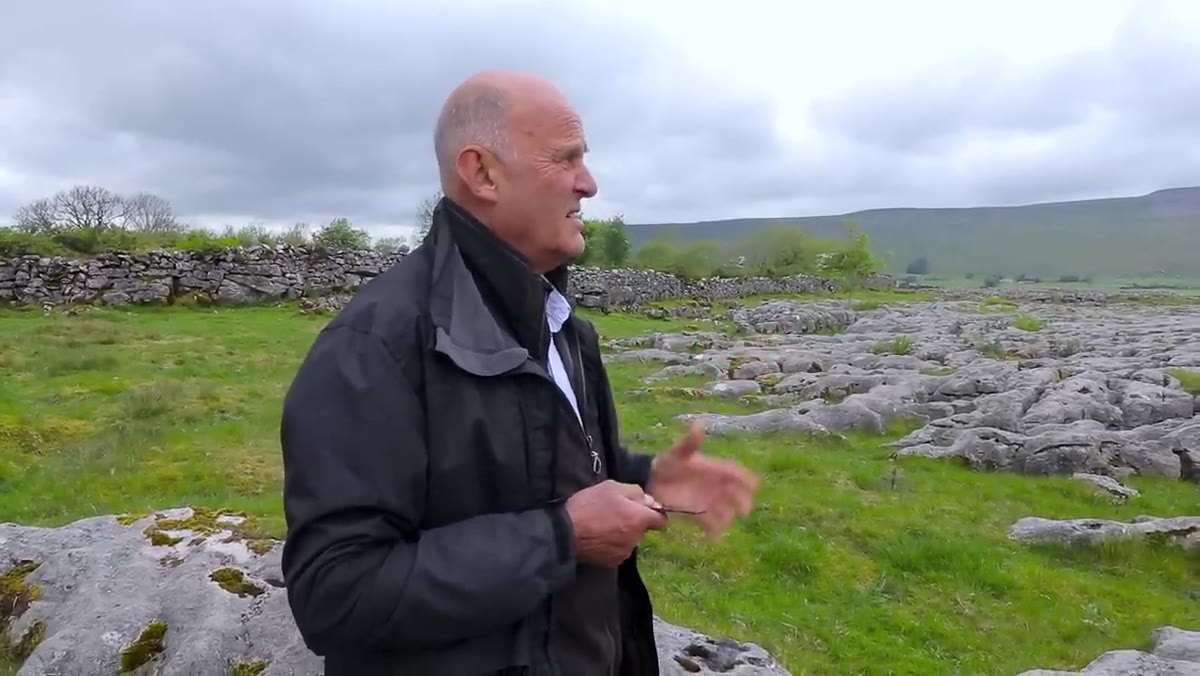 Wide view of limestone landscape with prominent tree and viaduct in background
Waite identifies what he calls the “main player” or protagonist of a scene before composing a single shot. At Cold Stone Cut, that protagonist is a lone tree against limestone. The viaduct in the background is visually striking, and many photographers have made it the centerpiece of their images there. Waite deliberately pushes it to a secondary role.
Ask yourself: what is this photograph actually about? One subject. Not two, not a general sense of “the landscape.” When you name the subject out loud, the composition often clarifies itself. If you can’t name it, keep walking.
Step 3: Think in Terms of Exclusion, Not Inclusion
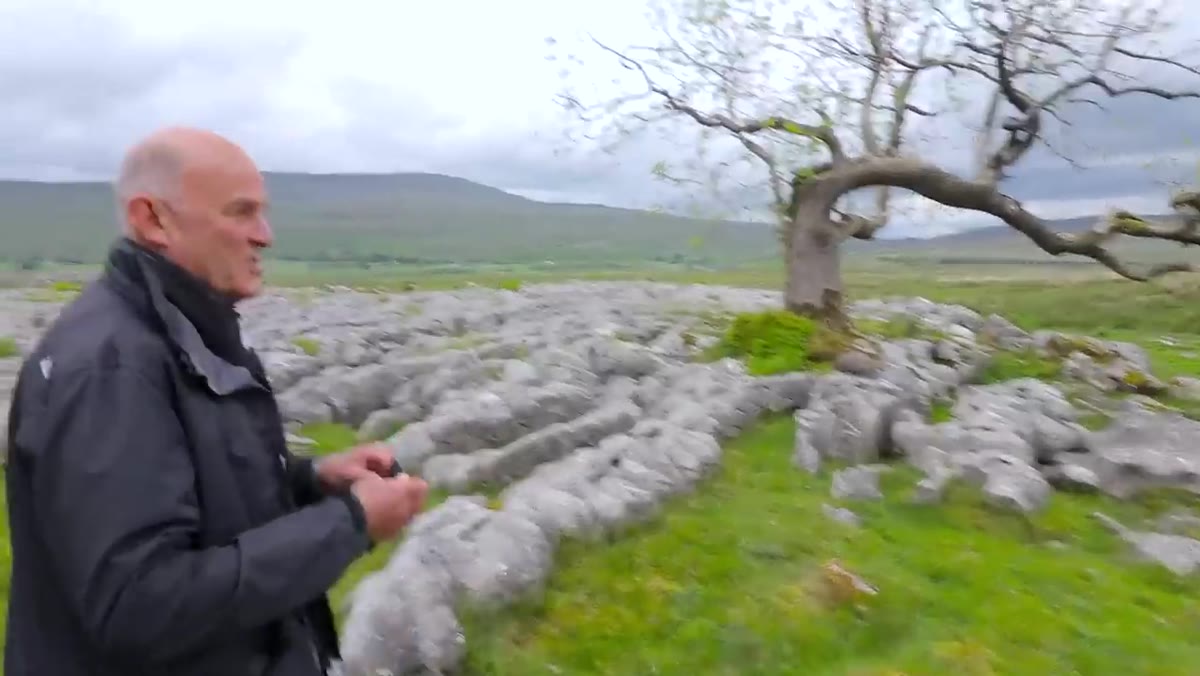 Charlie Waite discussing what to remove from the composition
This is the insight that hit me hardest, because it runs counter to how most photographers are taught to think. Waite’s framing instinct is to ask what needs to be removed from the frame, not what should be in it. He immediately notes the aluminum barn, the shed with its metal roof, a road with passing cars. None of these serve the story. They’re visual noise.
His guiding principle, which he phrases as “pay attention and be intentional,” means that every single element in the frame should be either wanted or consciously accepted. Nothing should drift in by accident. Use your feet to shift the angle and eliminate distractions before you ever touch the zoom ring. Moving three steps left can erase a telegraph pole. Dropping your position by a foot can tuck a car behind a hedge.
Step 4: Use a Frame Within Your Hands to Pre-Visualize
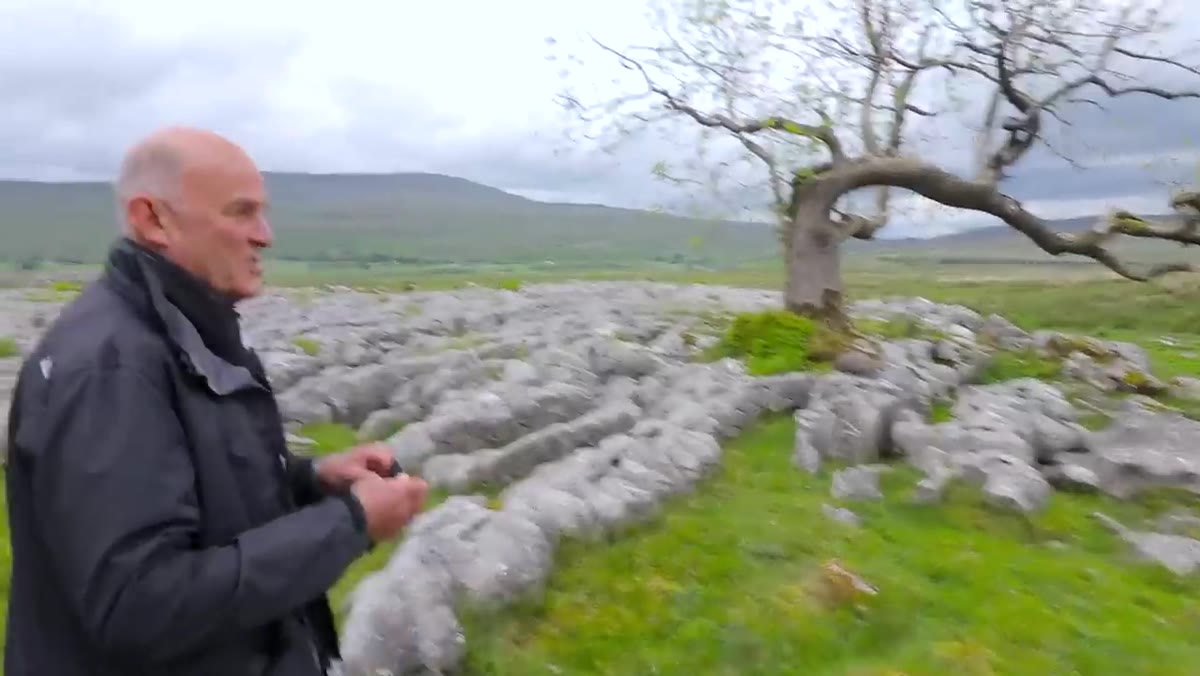 Waite using hands as a framing device to isolate composition
Waite references the old filmmaker’s trick of forming a rough rectangle with your hands to isolate a portion of the scene. It’s low-tech, and it works. This forces you to think about what you’re cropping out before you’ve committed to a focal length or even unpacked the tripod.
I do something similar with a small piece of black card I cut to match a 3:2 aspect ratio. I’ll hold it up and move it around the scene. The act of literally blocking portions of the view makes the decisions feel less abstract. What’s outside the card stops existing. What’s inside it has to earn its place.
Step 5: Let Flat Light Point You Toward Monochrome
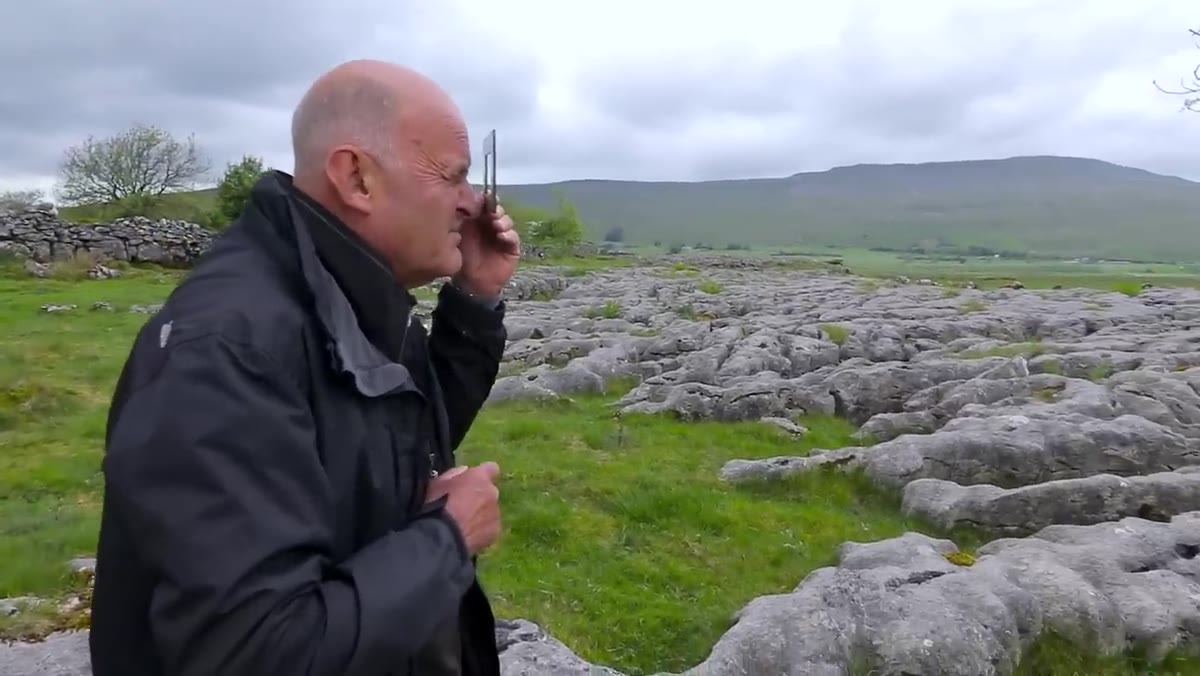 Wide angle view showing muted colors and flat overcast light across the scene
When Waite assesses the light at Cold Stone Cut, he notes it’s flat and the colors are muted. His immediate response is to start thinking in black and white. This is a practical field decision, not just an aesthetic one. Flat light kills color contrast, which is often what makes a color image feel alive. But flat light is excellent for revealing form, texture, and tonal range, which is exactly what monochrome thrives on.
If you’re shooting RAW, you don’t need to commit in-camera, though I’d argue switching your LCD preview to monochrome helps you see the scene the way you’ll process it. Many mirrorless cameras let you shoot RAW while the EVF shows a black and white preview. Train your eye to read the scene in tones, not hues, and the flat-light days stop feeling like wasted trips.
Step 6: Find the Relationship Between Elements
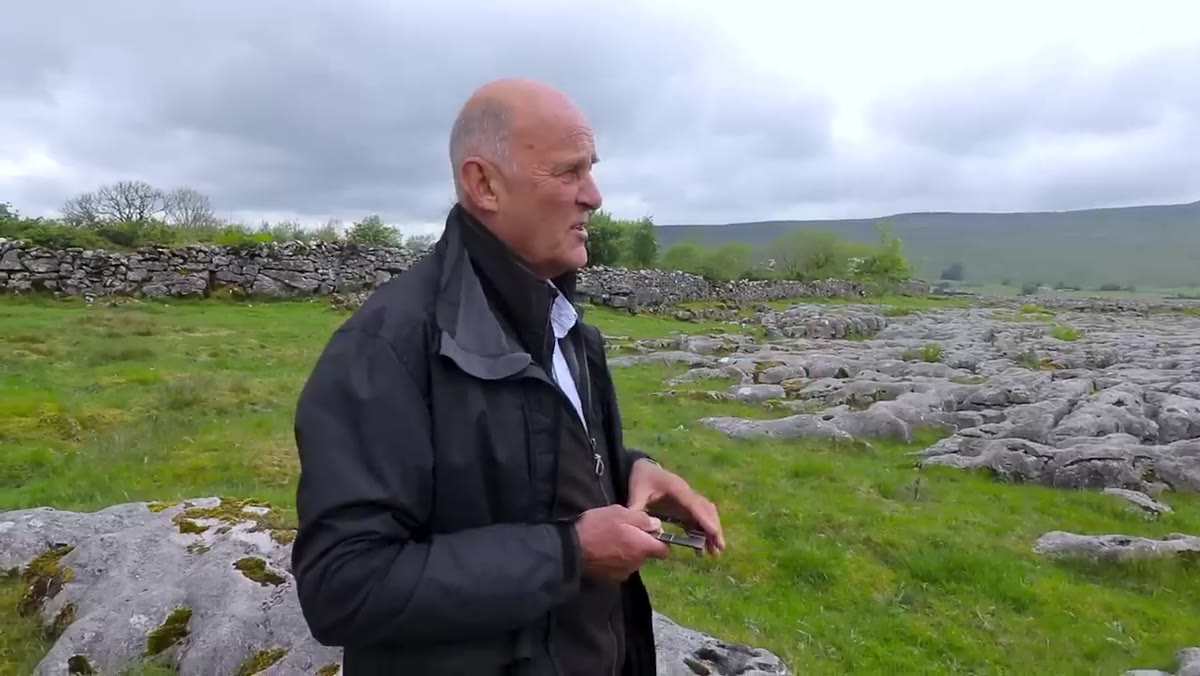 Tree and limestone foreground with Waite describing compositional connection
Once Waite has named his protagonist (the tree) and his secondary element (the viaduct and limestone), he starts looking for the connection between them. Not just proximity, but a visual or emotional relationship. Does the line of the limestone lead to the tree? Does the tree frame the viaduct? Is there a tension or a harmony worth expressing?
This is the compositional move that separates a record shot from a photograph. Look for a reason the two things belong in the same frame. If you can’t find one, that might mean one of them should come out entirely.
What I’d Add From My Own Experience
Waite’s process is elegant because it slows everything down. What I’d layer on top of it, from years of shooting in the high desert and mountain ranges of the Pacific Northwest, is the importance of returning to the same location more than once.
The first visit is reconnaissance. You find the protagonist, you work out what to exclude, you start to understand the light. But the second or third visit is when you actually know the place. I once drove six hours to a location in central Oregon, sat in fog for two straight days, and came home with a single frame. It’s my best-selling print. The fog turned out to be the story I hadn’t planned for. That only happened because I stayed long enough for the landscape to show me something I wasn’t looking for.
The mountain doesn’t care about your schedule. That’s something a mentor told me years ago and it has never stopped being true.
The single most important thing Waite demonstrates in this tutorial is that seeing comes before shooting, and that seeing is mostly an act of subtraction. Strip away the clutter, name the subject, find the relationship, and the camera will have something worth recording.
Watch the full tutorial on YouTube and pay particular attention to the way Waite talks through the scene in real time. Hearing a photographer of his caliber think out loud is a rare thing.
Comments
Leave a Comment