Finding the Shot in Flat Country: How Foreground Transforms Ordinary Landscapes

Finding the Shot in Flat Country: How Foreground Transforms Ordinary Landscapes

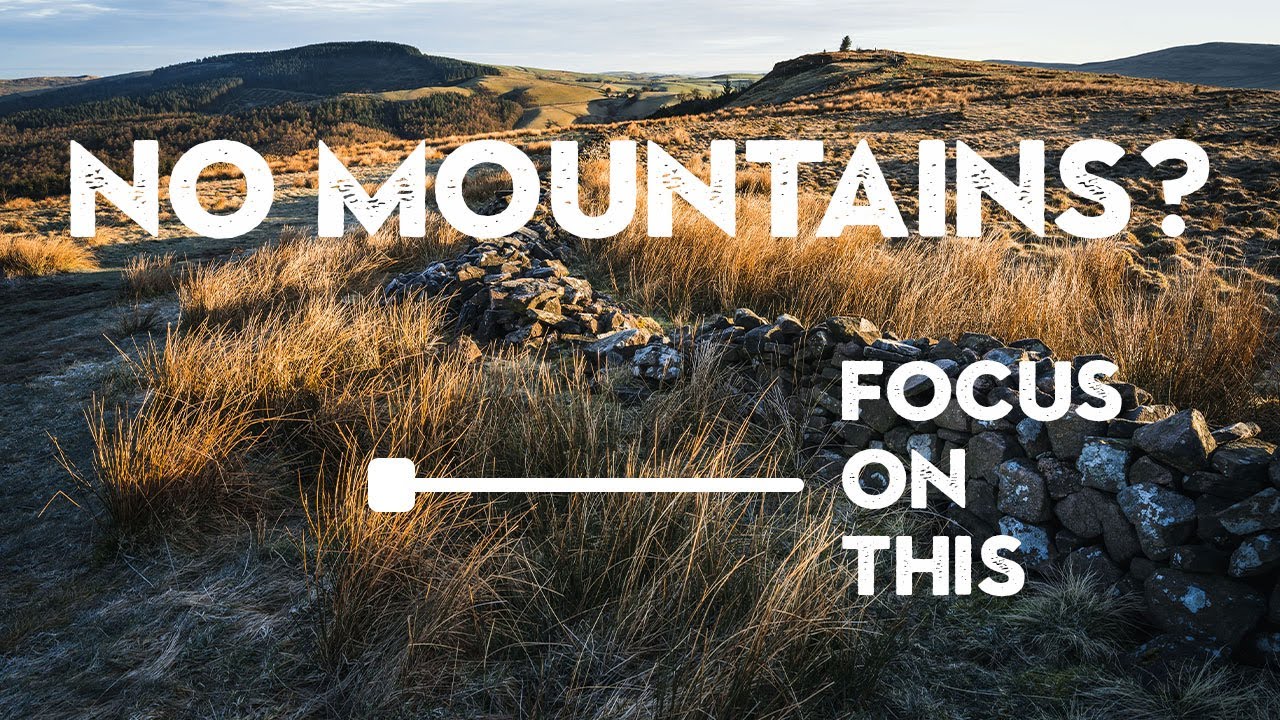
There’s a particular kind of despair that sets in when you pull up to a flat location and realize the horizon isn’t going to save you. No dramatic peaks, no crashing water, nothing to anchor the eye. I’ve been there more times than I’d like to admit, standing at the edge of some wide, unremarkable plain in central Oregon at 4:45 in the morning, wondering why I got out of bed.
What Nigel Danson's Extreme Printing Experiment Taught Me About Shooting in Remote Locations

What Nigel Danson's Extreme Printing Experiment Taught Me About Shooting in Remote Locations

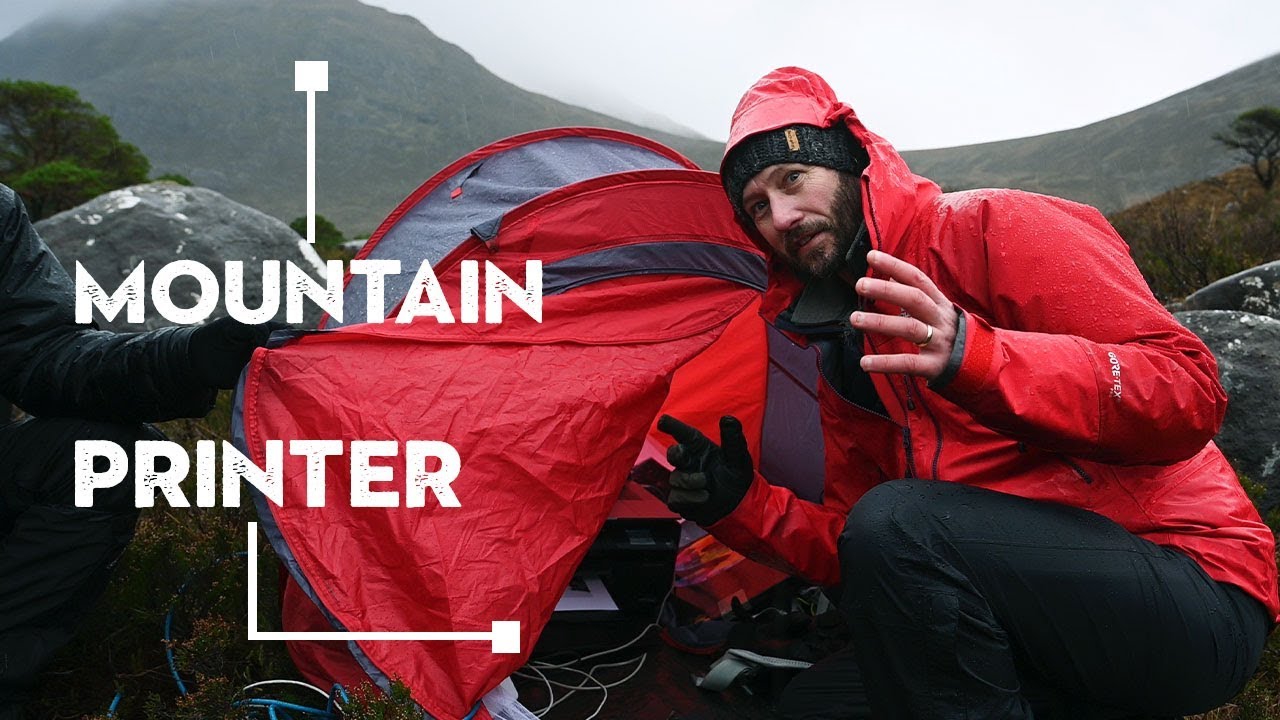
There’s a particular kind of clarity that comes when you make the work harder than it needs to be. I’ve stood in freezing rivers at 4am more times than I can count, and every time my kids ask me why I don’t just wait until the light is reasonable and the ground is dry, I tell them the same thing: the difficult conditions are usually the point. So when I came across a recent Nigel Danson tutorial where he and the team from Photo Speed haul a 25-kilogram printer up a Scottish mountain at dawn to print photographs on location, I didn’t watch it because the stunt was funny.

How to Read Sun and Shade for Outdoor Portraits (Without Hauling a Single Light)

How to Read Sun and Shade for Outdoor Portraits (Without Hauling a Single Light)

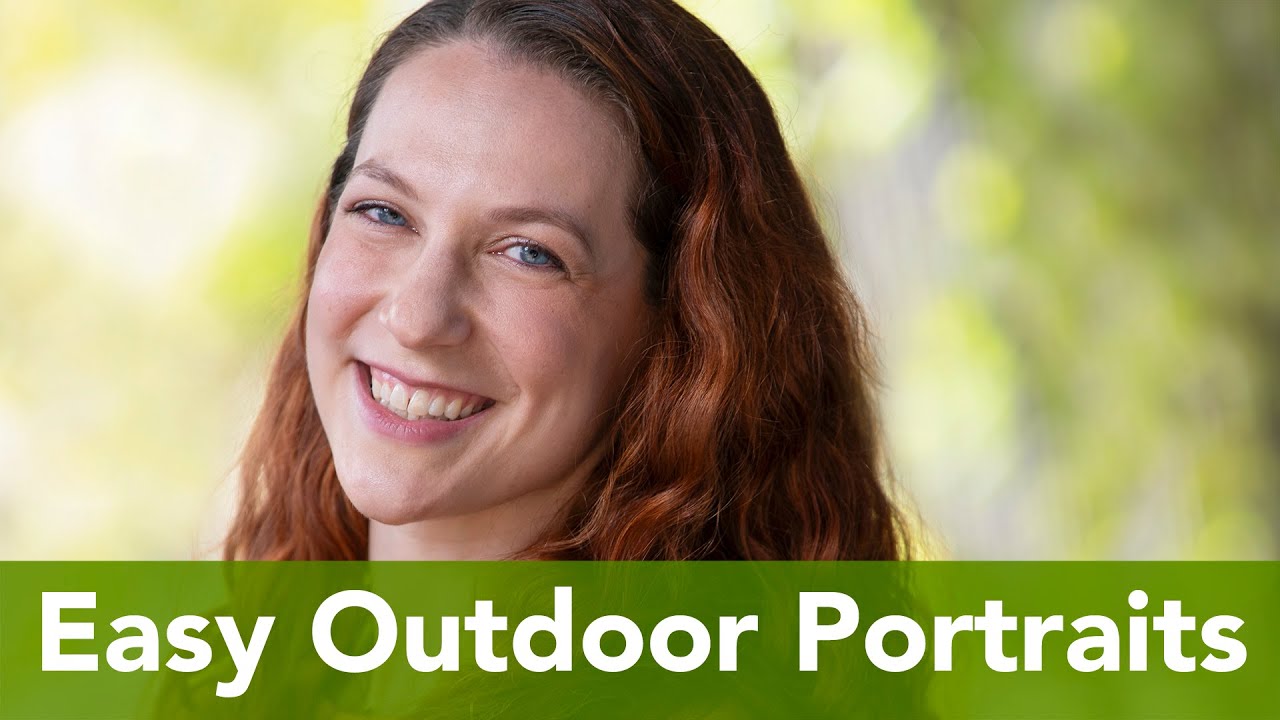
Most of my working life is spent in landscapes where there are no people in the frame. I’m chasing light across ridgelines, parking on forest roads before sunrise, standing in rivers at temperatures that my kids find genuinely alarming. Portraiture isn’t my primary language. But I lead photography workshops, and every single workshop includes at least one participant who freezes the moment the sun comes out. They look at the hard shadows falling across a face and they don’t know what to do.

The Hard Work Happens Before You Press the Shutter: Lessons from Lac de Cheserys at Sunset

The Hard Work Happens Before You Press the Shutter: Lessons from Lac de Cheserys at Sunset

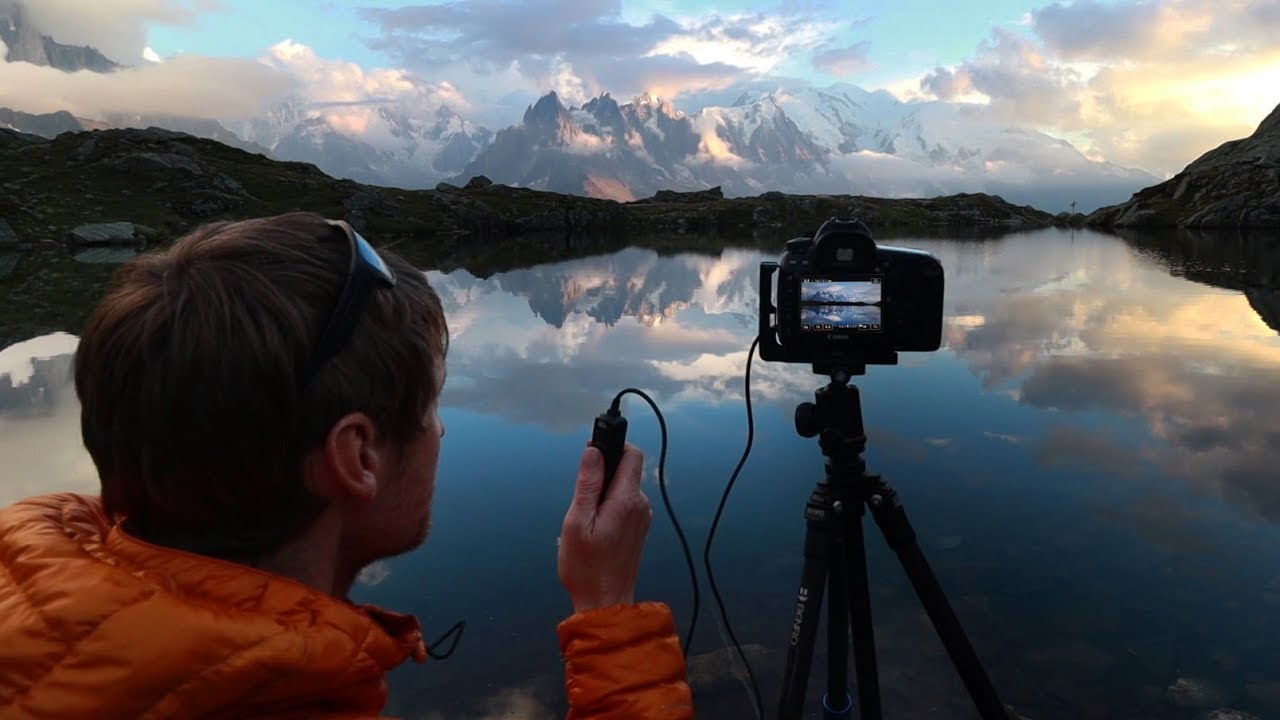
There’s a version of landscape photography that looks effortless in the final image. Still water. Perfect light. Mountains glowing like they were lit by a gaffer. What you don’t see is the three-hour climb to get there, the foreboding clouds that had everyone quietly preparing for disappointment, and the dinner eaten while mentally rehearsing a backup plan. That gap between what the photograph shows and what it cost is something I’ve been thinking about for twenty years, and it’s exactly what Thomas Heaton captures so honestly in this tutorial shot above the Chamonix Valley in France.

Macro Landscape Photography: What Happens When You Pair a 40MP Sensor With Your First Real Macro Lens

Macro Landscape Photography: What Happens When You Pair a 40MP Sensor With Your First Real Macro Lens

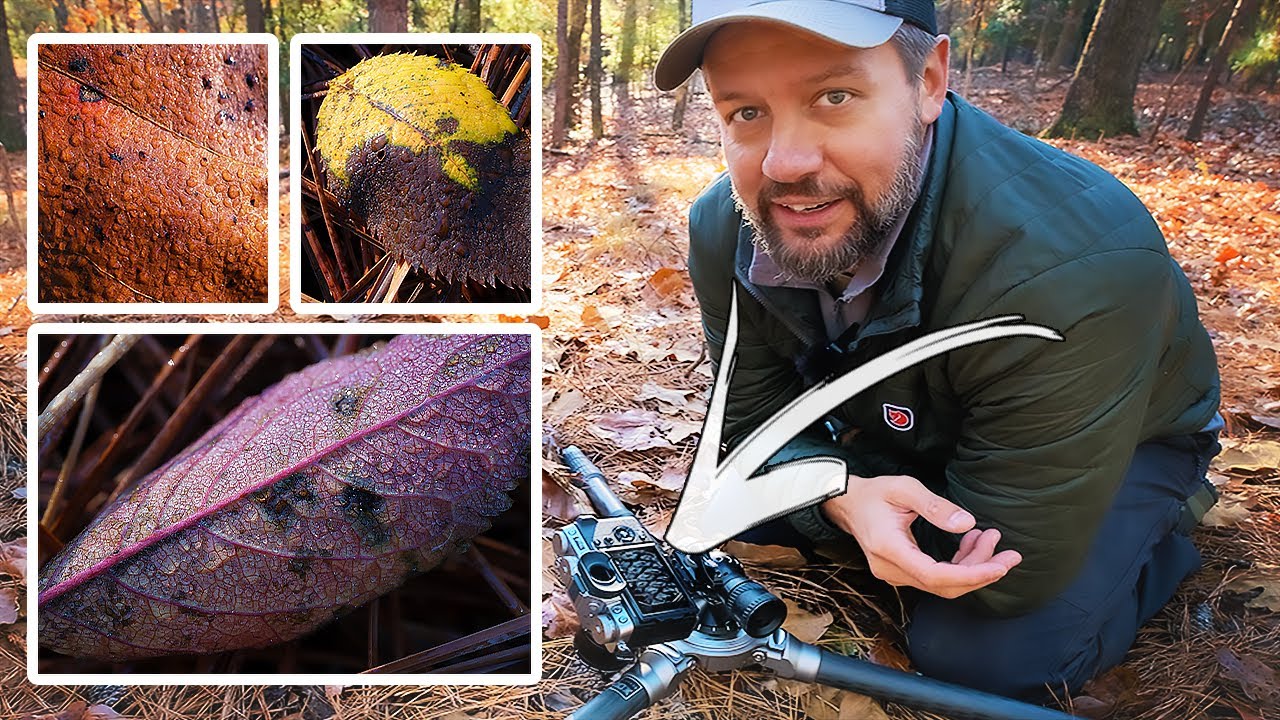
There’s a particular kind of restlessness that sets in when you’ve been shooting the same way for a long time. I know it well. After two decades of waking before dawn and hauling gear through the dark outside Bend, Oregon, I still hit patches where everything I produce feels like a variation on something I’ve already made. The cure, almost every time, is to pick up a tool or technique I’ve never used and let the learning process drag me out of my own habits.

How to Photograph Mule Deer and Pronghorn in the Field: Settings, Patience, and Reading Animal Behavior

How to Photograph Mule Deer and Pronghorn in the Field: Settings, Patience, and Reading Animal Behavior

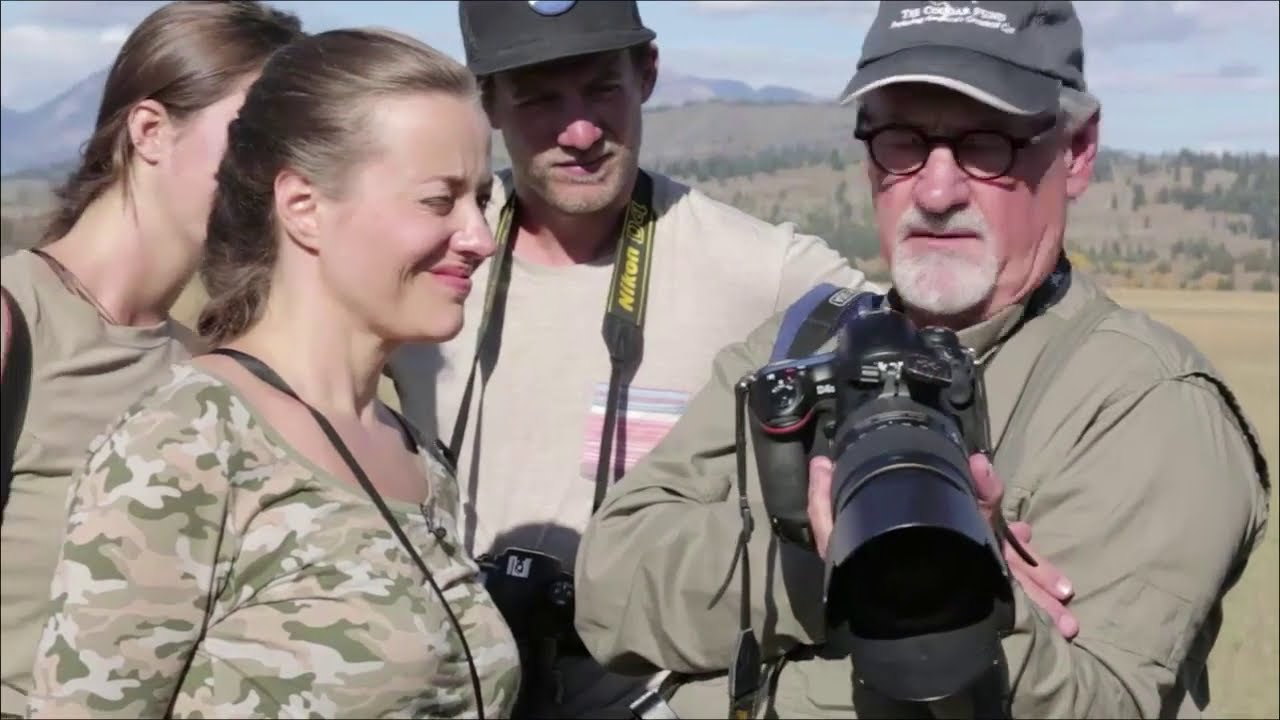
There’s a particular kind of frustration that comes from standing fifty yards from a beautiful mule deer buck and walking away with nothing usable. The light was wrong, or the background was a mess of competing branches, or the animal’s ears were pinned back and it looked like it was bracing for a fight. I’ve had that experience more times than I care to count, and most of those failures came down to not knowing what to look for or how to respond quickly when a scene started coming together.

Early Light and Honest Craft: What a Blea Tarn Sunrise Taught Me About Working a Location

Early Light and Honest Craft: What a Blea Tarn Sunrise Taught Me About Working a Location

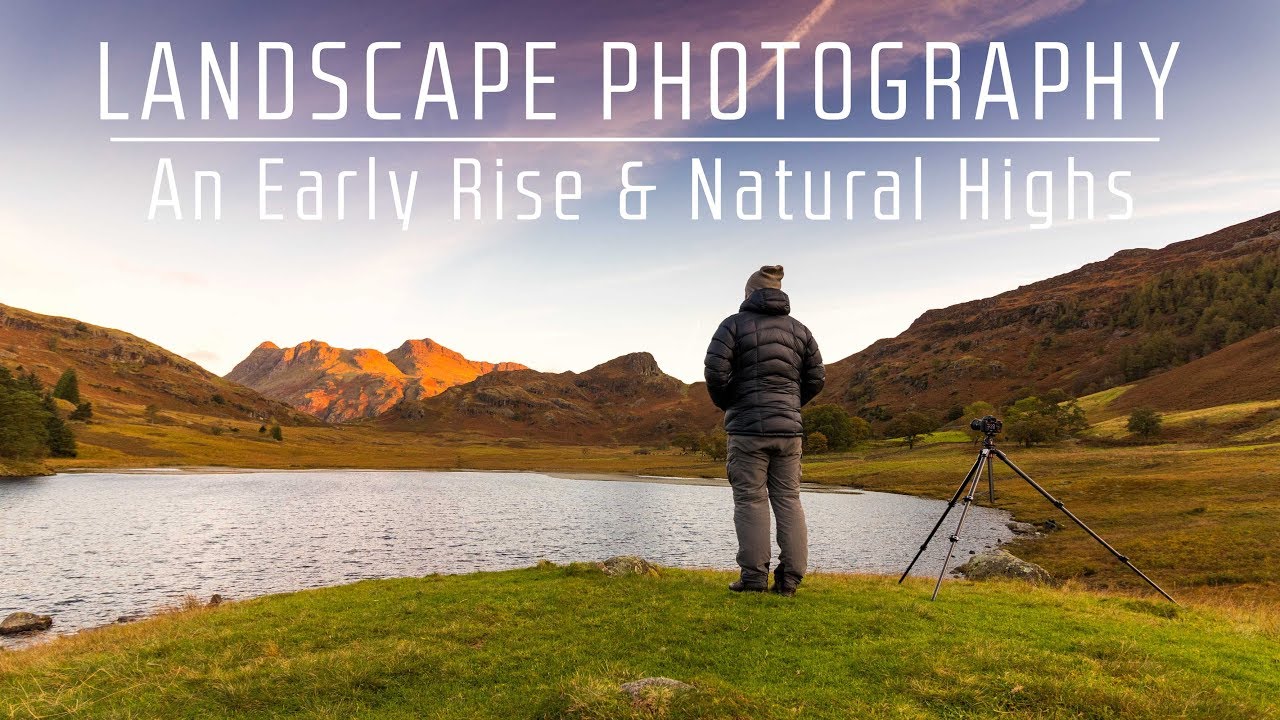
There is a specific kind of dread that comes with a 3:45am alarm when you already know the conditions might not deliver. I have stood on enough cold ridgelines, stared at enough flat grey skies, and driven enough dark highways to know that the morning will do what the morning wants. And yet I keep showing up. The reason I keep showing up is the same reason I found myself rewatching this particular tutorial from First Man Photography more than once: it captures something honest about what it actually feels like to work a location well, not just the hero shot, but the full arc of a day in the field.

What Fiordland Teaches You About Finding a Frame (And Why I Keep Coming Back to These Lessons)

What Fiordland Teaches You About Finding a Frame (And Why I Keep Coming Back to These Lessons)

There’s a particular kind of location that makes you feel like you’re cheating. Somewhere so visually loaded that you almost don’t deserve the shot. New Zealand’s Fiordland is that place for a lot of us, and I’ve spent enough time chasing similar terrain in the Pacific Northwest to know that raw beauty is actually the hardest thing to work with. Too many options will freeze you. The mountain is stunning but the foreground is a mess.

What a Coastal Dawn Shoot Taught Me About Working Smarter in the Field

What a Coastal Dawn Shoot Taught Me About Working Smarter in the Field

There’s a particular kind of discipline that separates a productive pre-dawn shoot from an expensive drive to watch nothing happen. I’ve been shooting landscapes full-time for two decades and I still catch myself making the same on-location mistakes when I’m rushing, cold, or overconfident about conditions. What I’ve learned is that a good field workflow isn’t about having the right gear. It’s about making a series of small, smart decisions in sequence, each one building on the last.

How to Stop Planning and Start Finding: Landscape Photography Lessons from New Zealand's Fiordland

How to Stop Planning and Start Finding: Landscape Photography Lessons from New Zealand's Fiordland

There’s a version of landscape photography that looks like this: you study the location for weeks, you pin exact GPS coordinates, you show up at the precise calculated moment of golden hour, and you execute a shot you already pre-visualized on your phone. I’ve done that. I still do that sometimes. But some of my strongest images, including the foggy Columbia River print that’s been my bestseller for three years now, came from the opposite approach.

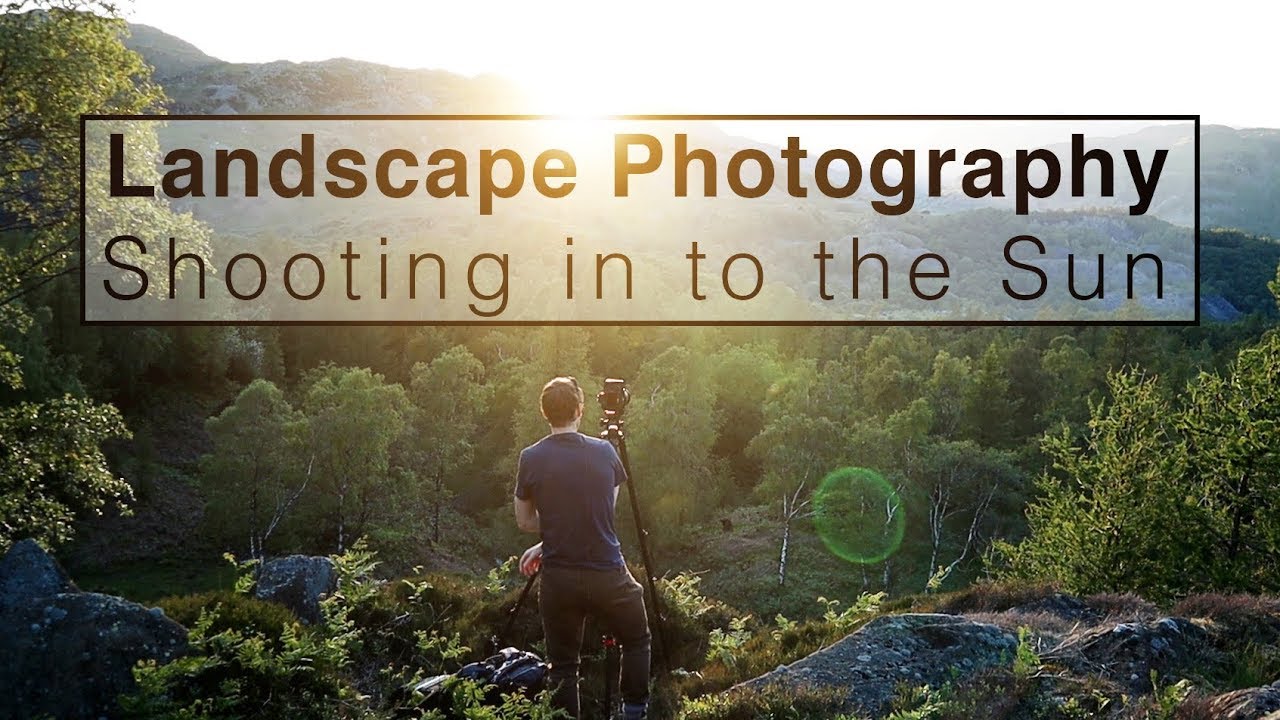
Shooting Into the Sun: A Field Guide to Backlit Landscape Photography

Shooting Into the Sun: A Field Guide to Backlit Landscape Photography

There is a version of this problem I have lived through dozens of times. You arrive at a location and the sun is doing something extraordinary, except it is doing it directly into your lens. Every instinct trained into you says turn around, find the nice soft sidelight, don’t fight the physics. For years I listened to that instinct and walked away from shots I still think about. What changed my approach was watching photographers who refused to flinch, who pointed their cameras straight at the light source and built compositions around it rather than away from it.

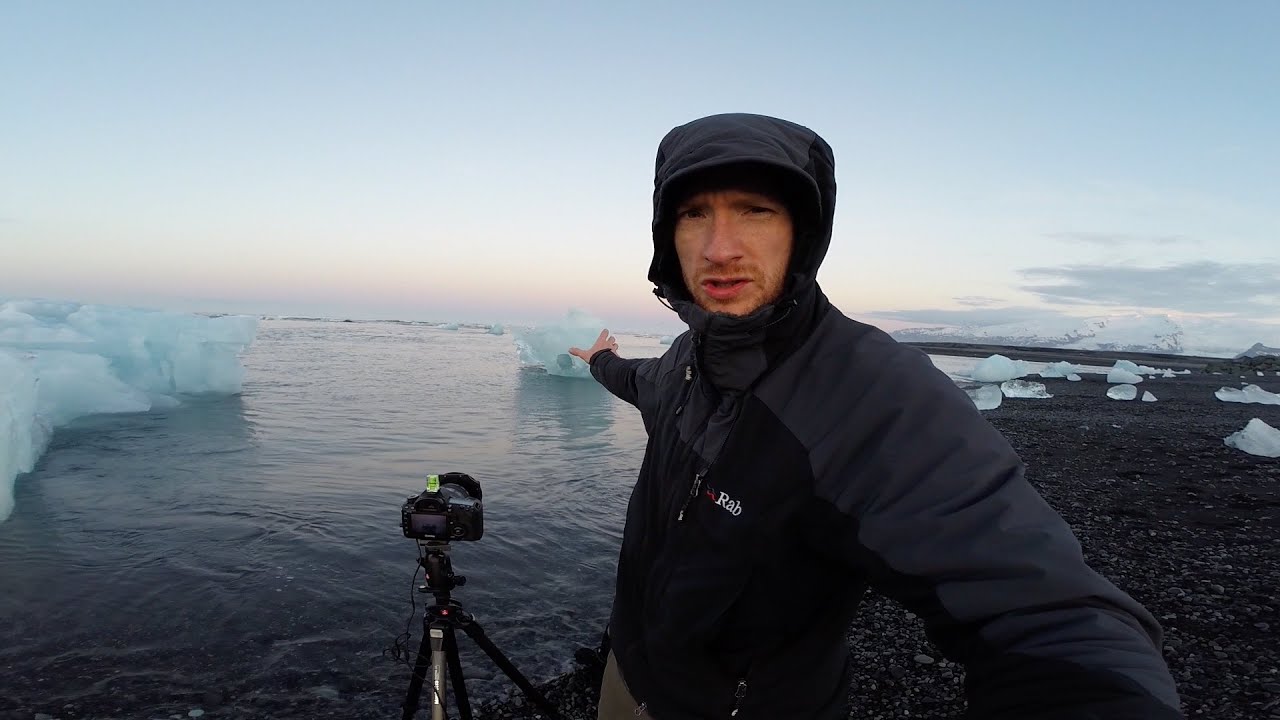
Chasing the Midnight Sun: Field Lessons from Iceland's Most Dramatic Landscapes

Chasing the Midnight Sun: Field Lessons from Iceland's Most Dramatic Landscapes

There’s a particular kind of frustration that comes from arriving at a great location and immediately trying to photograph everything at once. I’ve done it more times than I care to admit — running from foreground to foreground, swapping lenses, second-guessing every frame, and walking away with a memory card full of almost-good images. It’s the enemy of serious landscape work, and it’s a trap that gets easier to fall into the more spectacular the location.