How to Photograph Mule Deer and Pronghorn in the Field: Settings, Patience, and Reading Animal Behavior

How to Photograph Mule Deer and Pronghorn in the Field: Settings, Patience, and Reading Animal Behavior

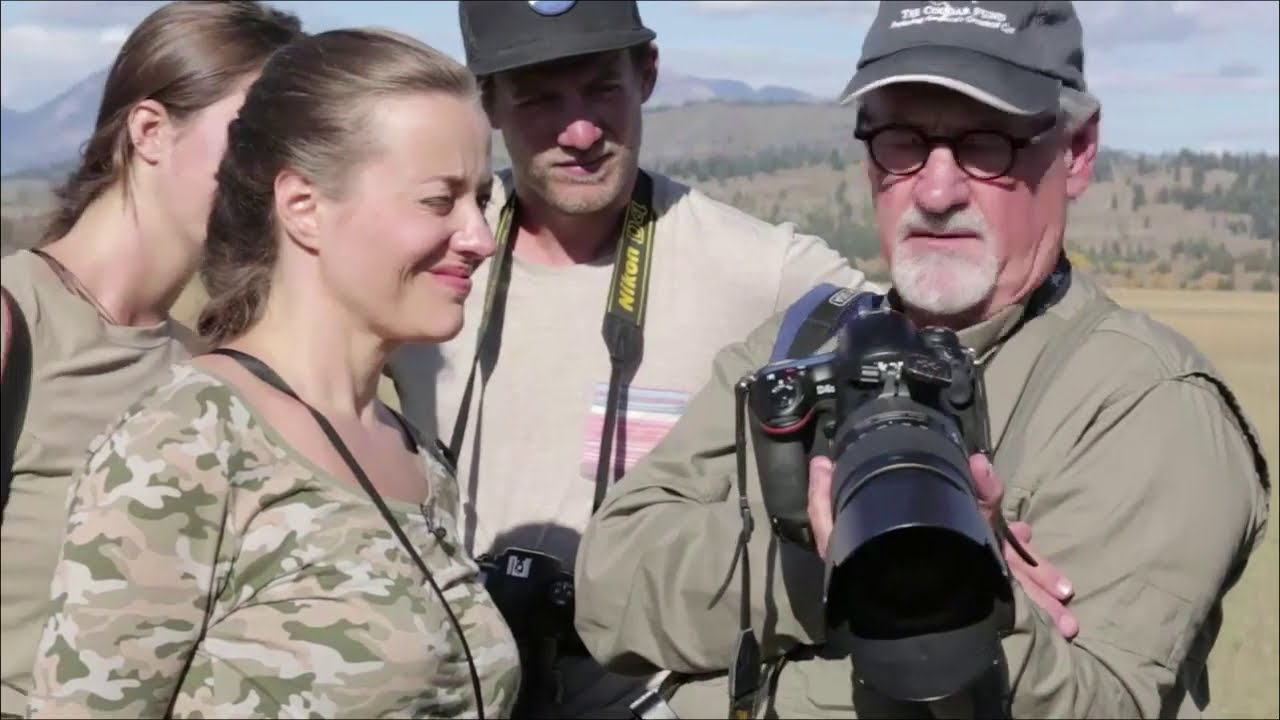
There’s a particular kind of frustration that comes from standing fifty yards from a beautiful mule deer buck and walking away with nothing usable. The light was wrong, or the background was a mess of competing branches, or the animal’s ears were pinned back and it looked like it was bracing for a fight. I’ve had that experience more times than I care to count, and most of those failures came down to not knowing what to look for or how to respond quickly when a scene started coming together.
Early Light and Honest Craft: What a Blea Tarn Sunrise Taught Me About Working a Location

Early Light and Honest Craft: What a Blea Tarn Sunrise Taught Me About Working a Location

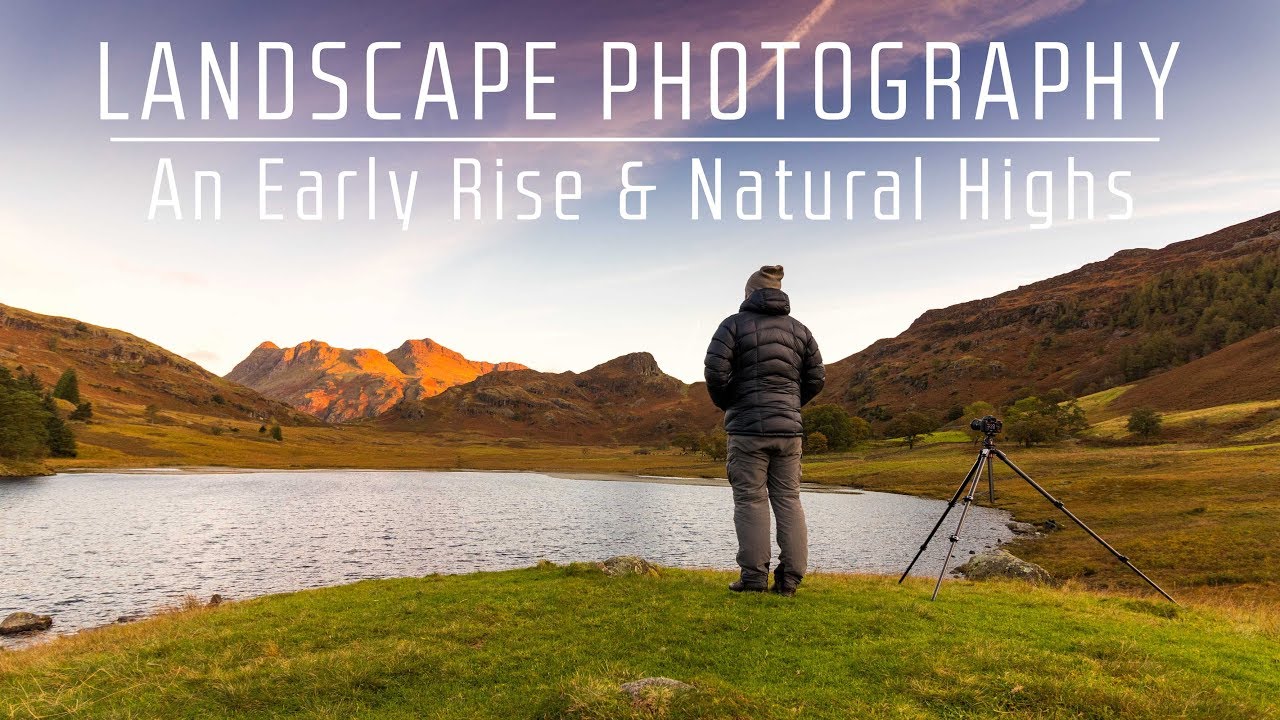
There is a specific kind of dread that comes with a 3:45am alarm when you already know the conditions might not deliver. I have stood on enough cold ridgelines, stared at enough flat grey skies, and driven enough dark highways to know that the morning will do what the morning wants. And yet I keep showing up. The reason I keep showing up is the same reason I found myself rewatching this particular tutorial from First Man Photography more than once: it captures something honest about what it actually feels like to work a location well, not just the hero shot, but the full arc of a day in the field.

What Fiordland Teaches You About Finding a Frame (And Why I Keep Coming Back to These Lessons)

What Fiordland Teaches You About Finding a Frame (And Why I Keep Coming Back to These Lessons)

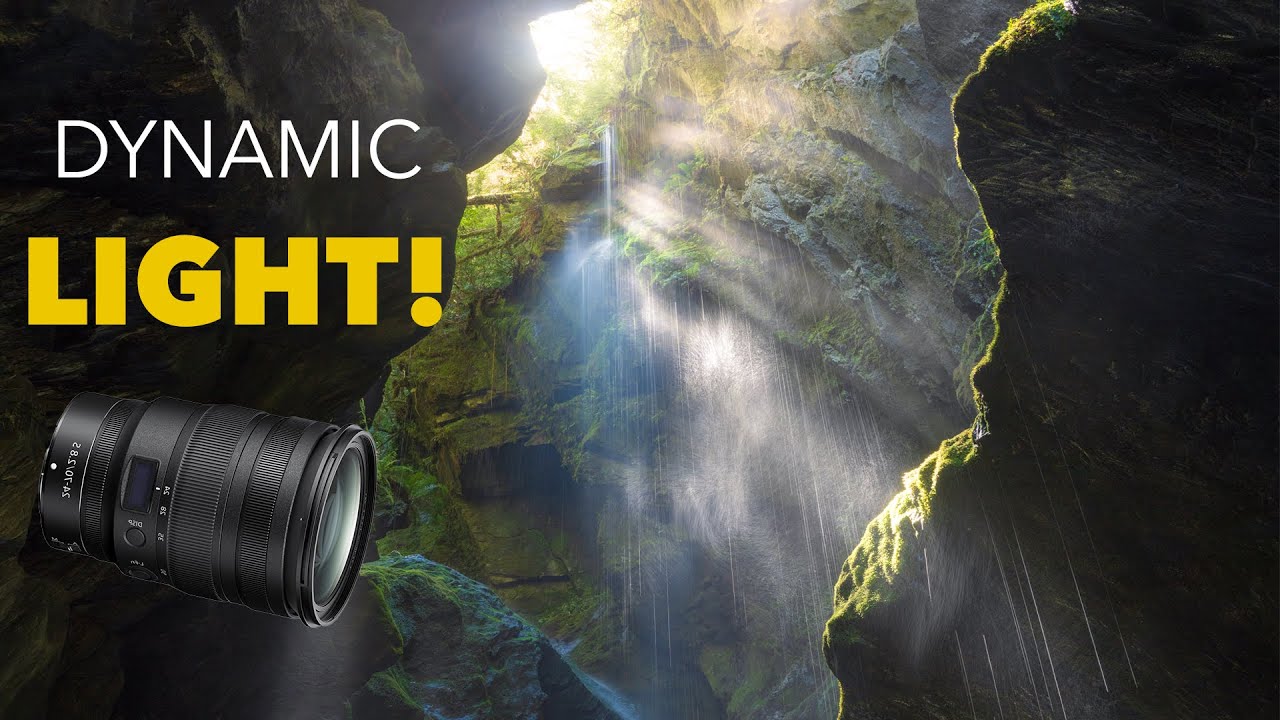
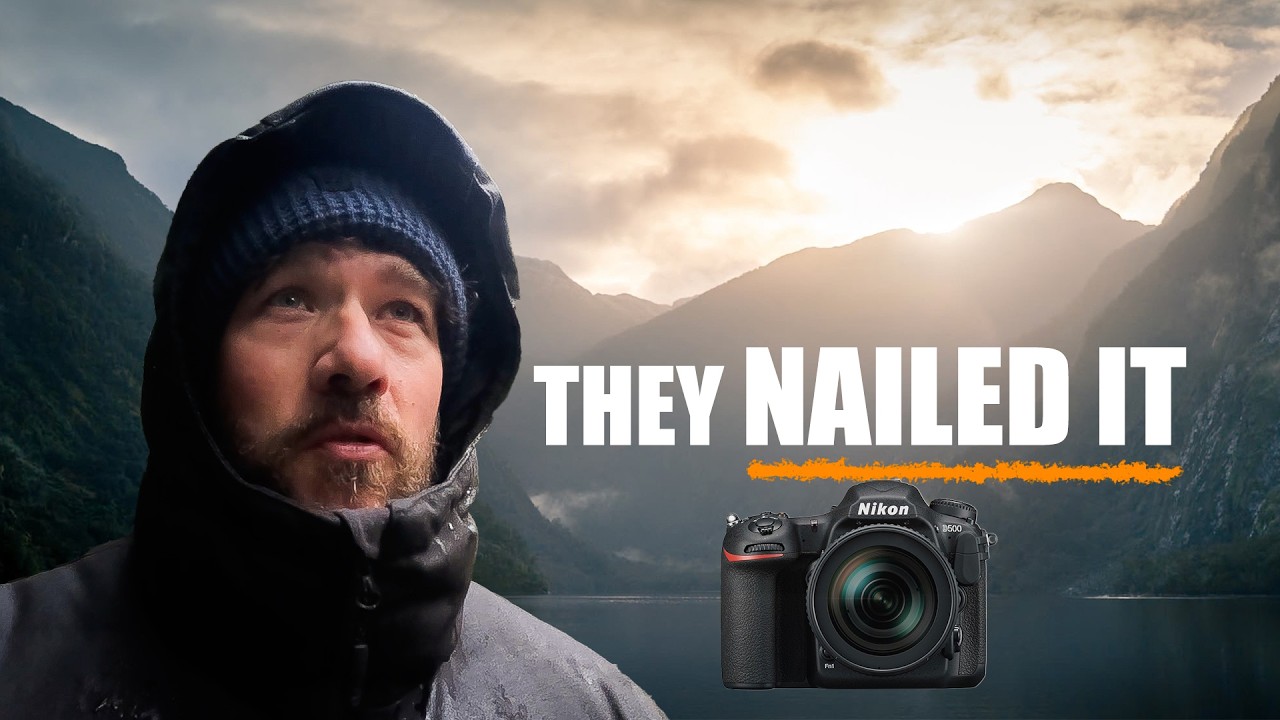
There’s a particular kind of location that makes you feel like you’re cheating. Somewhere so visually loaded that you almost don’t deserve the shot. New Zealand’s Fiordland is that place for a lot of us, and I’ve spent enough time chasing similar terrain in the Pacific Northwest to know that raw beauty is actually the hardest thing to work with. Too many options will freeze you. The mountain is stunning but the foreground is a mess.

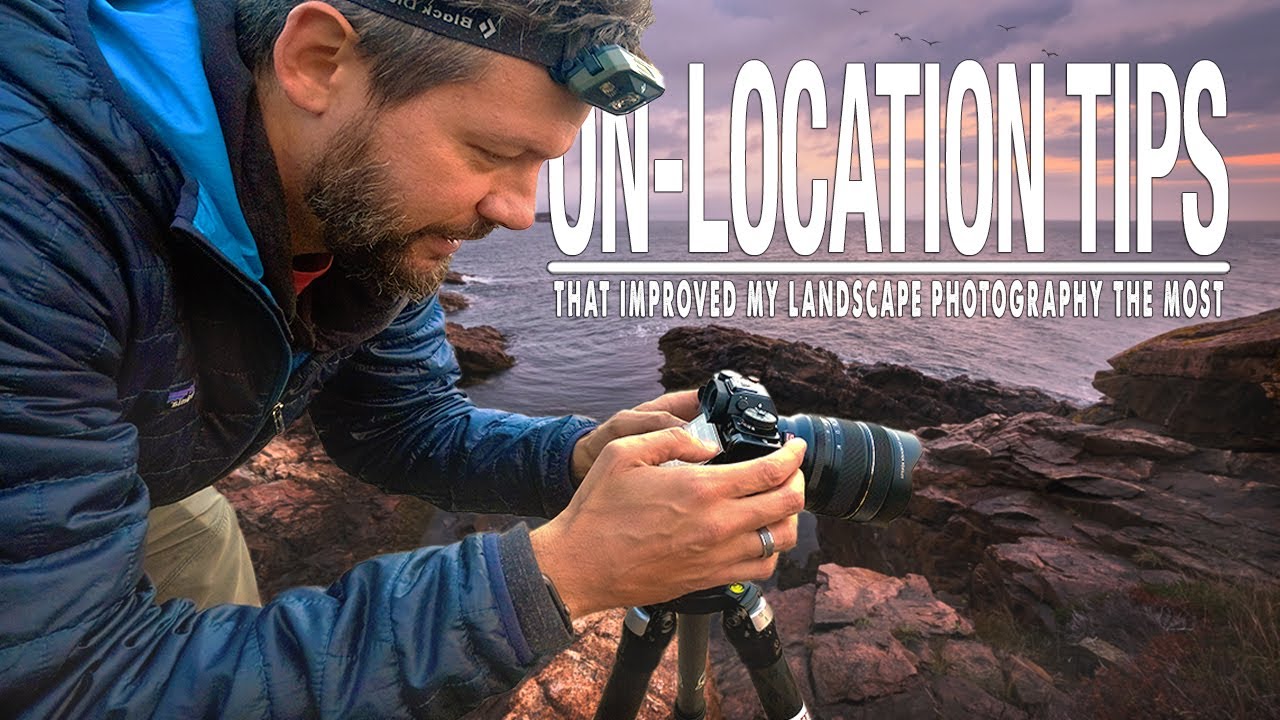
What a Coastal Dawn Shoot Taught Me About Working Smarter in the Field

What a Coastal Dawn Shoot Taught Me About Working Smarter in the Field

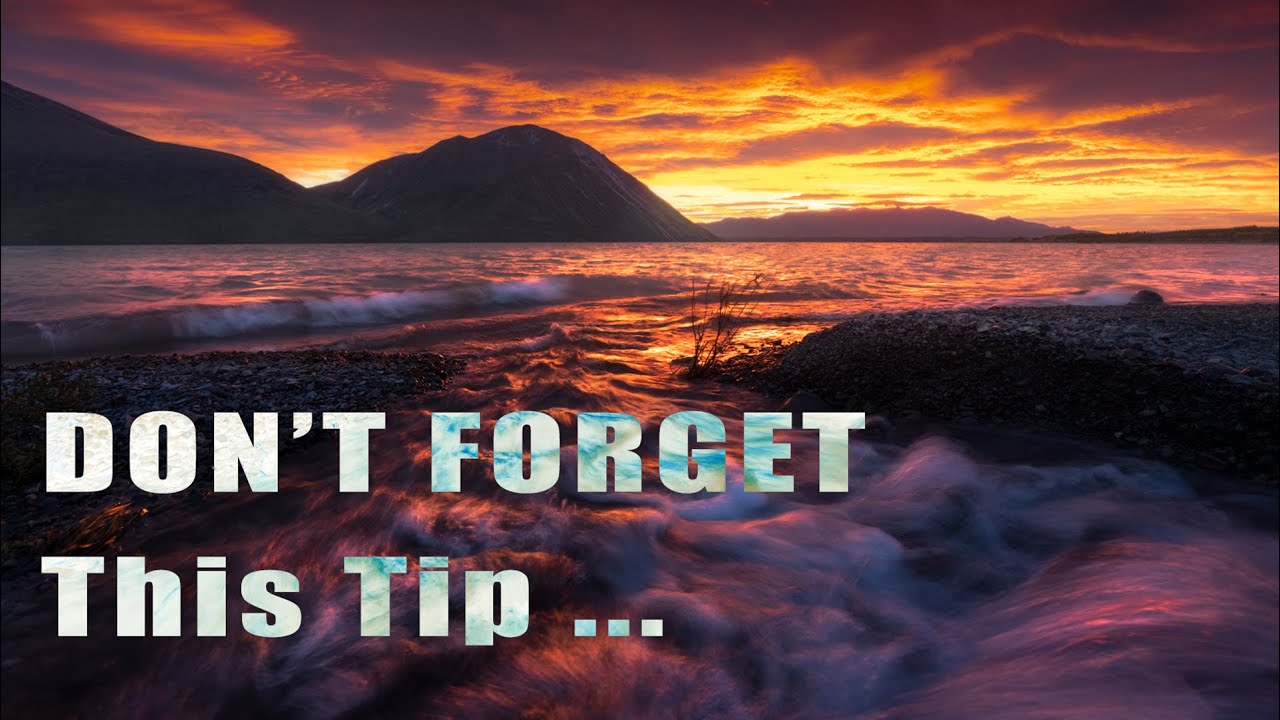
There’s a particular kind of discipline that separates a productive pre-dawn shoot from an expensive drive to watch nothing happen. I’ve been shooting landscapes full-time for two decades and I still catch myself making the same on-location mistakes when I’m rushing, cold, or overconfident about conditions. What I’ve learned is that a good field workflow isn’t about having the right gear. It’s about making a series of small, smart decisions in sequence, each one building on the last.

How to Stop Planning and Start Finding: Landscape Photography Lessons from New Zealand's Fiordland

How to Stop Planning and Start Finding: Landscape Photography Lessons from New Zealand's Fiordland

There’s a version of landscape photography that looks like this: you study the location for weeks, you pin exact GPS coordinates, you show up at the precise calculated moment of golden hour, and you execute a shot you already pre-visualized on your phone. I’ve done that. I still do that sometimes. But some of my strongest images, including the foggy Columbia River print that’s been my bestseller for three years now, came from the opposite approach.

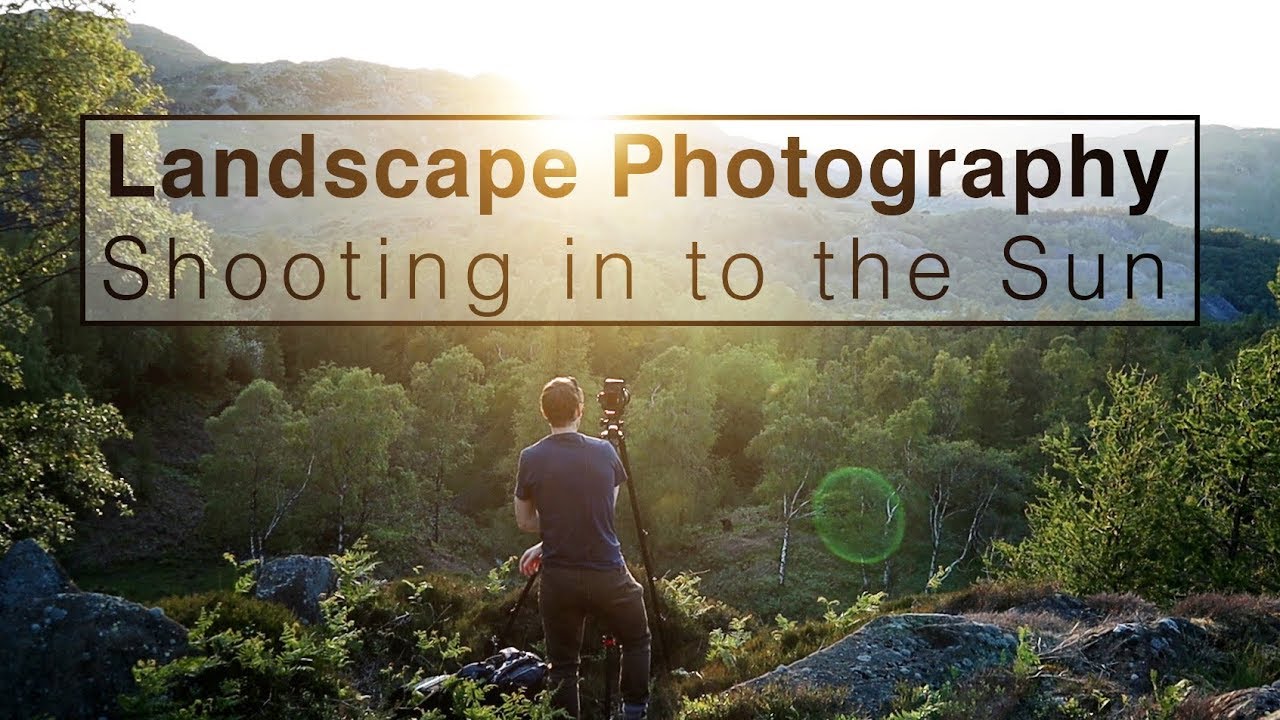
Shooting Into the Sun: A Field Guide to Backlit Landscape Photography

Shooting Into the Sun: A Field Guide to Backlit Landscape Photography

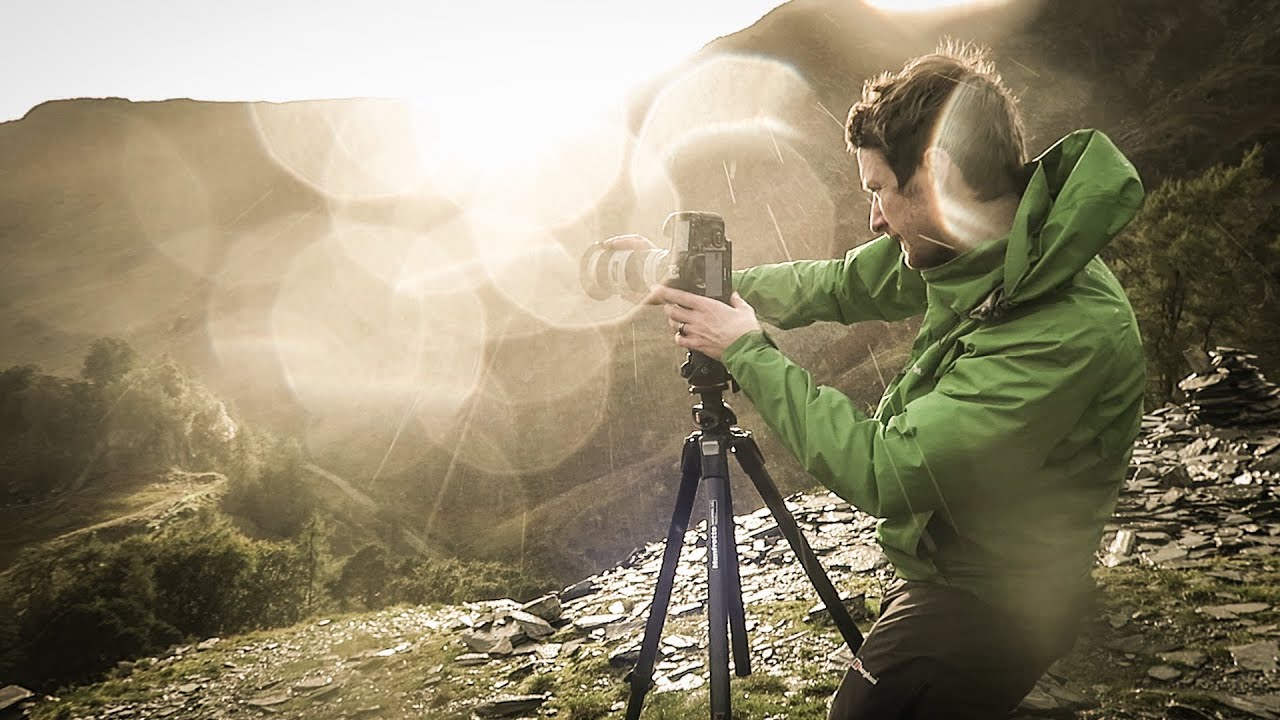
There is a version of this problem I have lived through dozens of times. You arrive at a location and the sun is doing something extraordinary, except it is doing it directly into your lens. Every instinct trained into you says turn around, find the nice soft sidelight, don’t fight the physics. For years I listened to that instinct and walked away from shots I still think about. What changed my approach was watching photographers who refused to flinch, who pointed their cameras straight at the light source and built compositions around it rather than away from it.

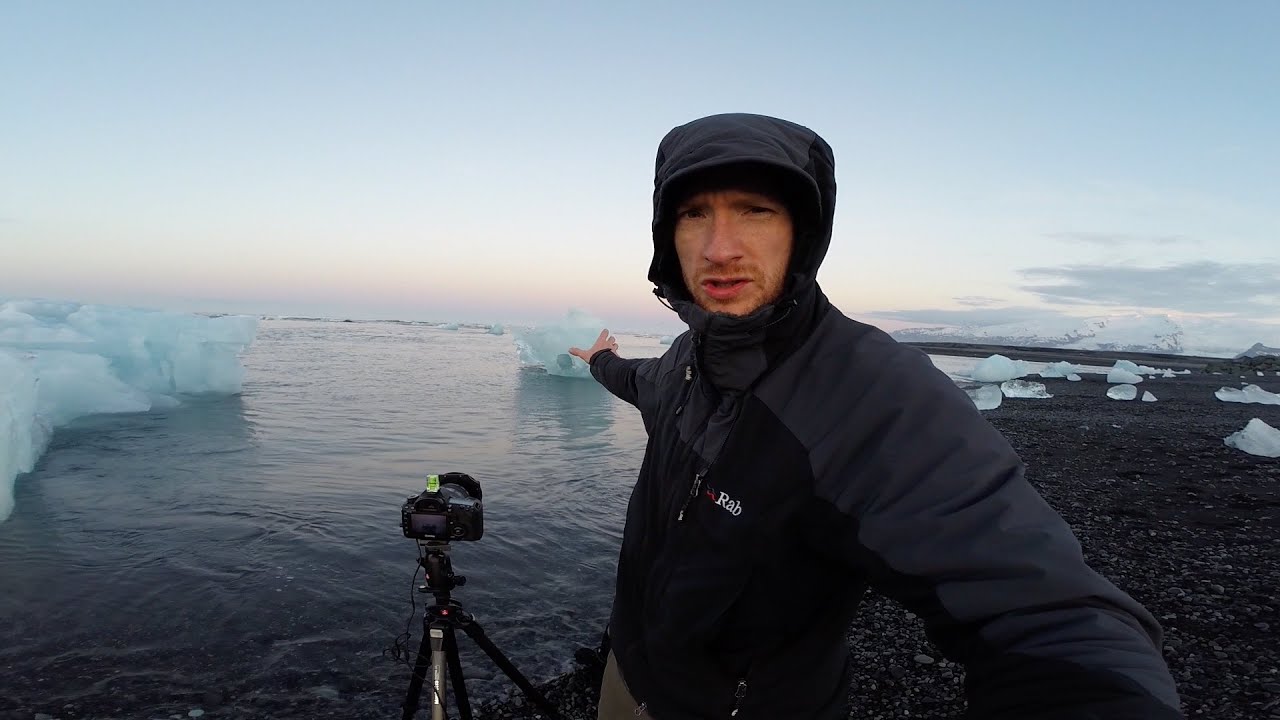
Chasing the Midnight Sun: Field Lessons from Iceland's Most Dramatic Landscapes

Chasing the Midnight Sun: Field Lessons from Iceland's Most Dramatic Landscapes

There’s a particular kind of frustration that comes from arriving at a great location and immediately trying to photograph everything at once. I’ve done it more times than I care to admit — running from foreground to foreground, swapping lenses, second-guessing every frame, and walking away with a memory card full of almost-good images. It’s the enemy of serious landscape work, and it’s a trap that gets easier to fall into the more spectacular the location.

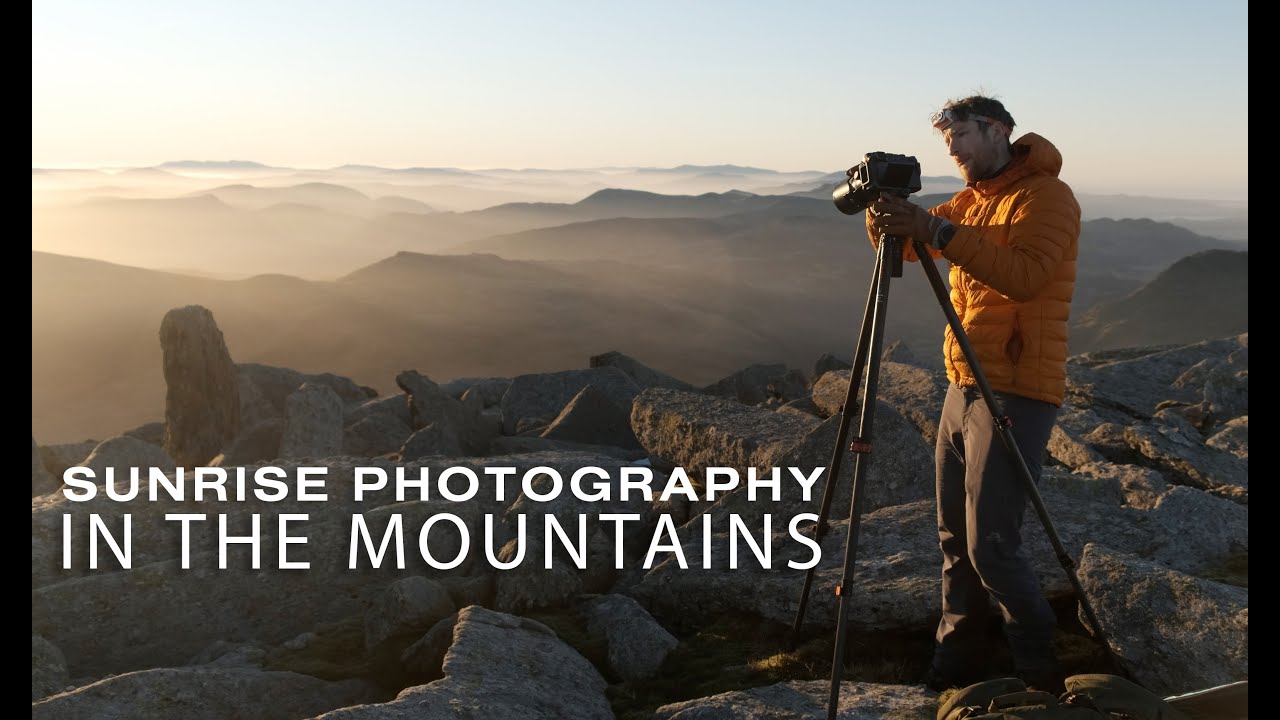
Chasing First Light at Nearly 1,000 Meters: Lessons from a Welsh Mountain Sunrise Shoot

Chasing First Light at Nearly 1,000 Meters: Lessons from a Welsh Mountain Sunrise Shoot

There is a particular kind of pressure that arrives in the dark, about halfway up a mountain, when you are racing an invisible clock. The light is coming whether you are ready or not. After two decades of pre-dawn starts, I still feel it every single time. What separates a good sunrise shoot from a forgettable one usually has nothing to do with gear. It comes down to planning, movement, and the ability to make fast compositional decisions when everything is changing at once.

Light, Perspective, and the Moment You Stop Waiting: Pro Landscape Techniques Worth Stealing

Light, Perspective, and the Moment You Stop Waiting: Pro Landscape Techniques Worth Stealing

There’s a particular kind of frustration that comes from arriving at a stunning location and walking away with technically correct but emotionally empty images. You were there. The place was beautiful. And somehow the photos don’t show it. After two decades of hauling gear through pre-dawn darkness, I still run into this problem when I let habit take over instead of actually reading what the light is doing. That’s why I keep returning to tutorials from photographers who work methodically in the field, not just theoretically.

How to Shoot Landscapes in Wind and Rain (And Why You Should Stop Waiting for Perfect Weather)

How to Shoot Landscapes in Wind and Rain (And Why You Should Stop Waiting for Perfect Weather)

There’s a version of landscape photography that lives in your head before you leave the house. Golden light, still air, perfect conditions. Then there’s the version that actually happens. After twenty years of predawn alarms and six-hour drives to locations that greeted me with nothing but fog, I’ve made peace with the fact that the second version is where the real work happens. The trouble is, most photographers either head home when the weather turns or they freeze up trying to manage the chaos.

Why Light Is Your Most Powerful Compositional Tool (And How to Use It Intentionally)

Why Light Is Your Most Powerful Compositional Tool (And How to Use It Intentionally)

There’s a version of composition advice that stops at rule of thirds, leading lines, and foreground interest. I taught that version for years. It’s not wrong, but it leaves out the one element that overrides every geometric trick you’ve ever learned. Light. Not the quality of light, not the color temperature, but the placement of light within the frame and what it does to a viewer’s eye before they even consciously register what they’re looking at.

Reading the Water: Seascape Composition Lessons from Cathedral Rocks

Reading the Water: Seascape Composition Lessons from Cathedral Rocks

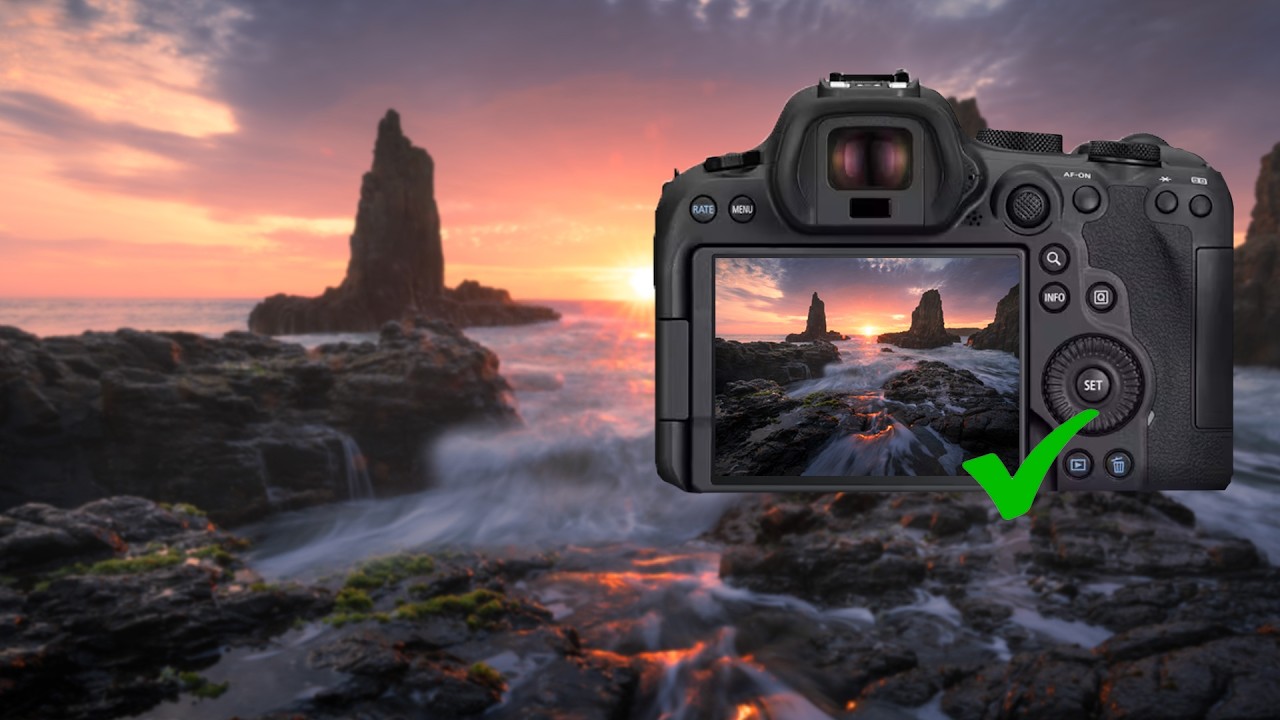
There’s a particular problem that humbles coastal photographers more than almost any other situation: you arrive at a beautiful rocky shoreline at first light, the sky does something extraordinary, and you freeze. Not from cold, though that’s real too, but from indecision. Where do you stand? Which way do you point? Do you wait for the wave to come in or let it pull back? I’ve been making images for twenty years and I still feel that paralysis sometimes.