Wide Angle Lens Composition in the Field: What a New Zealand Canyon Taught Me About Slowing Down

Wide Angle Lens Composition in the Field: What a New Zealand Canyon Taught Me About Slowing Down

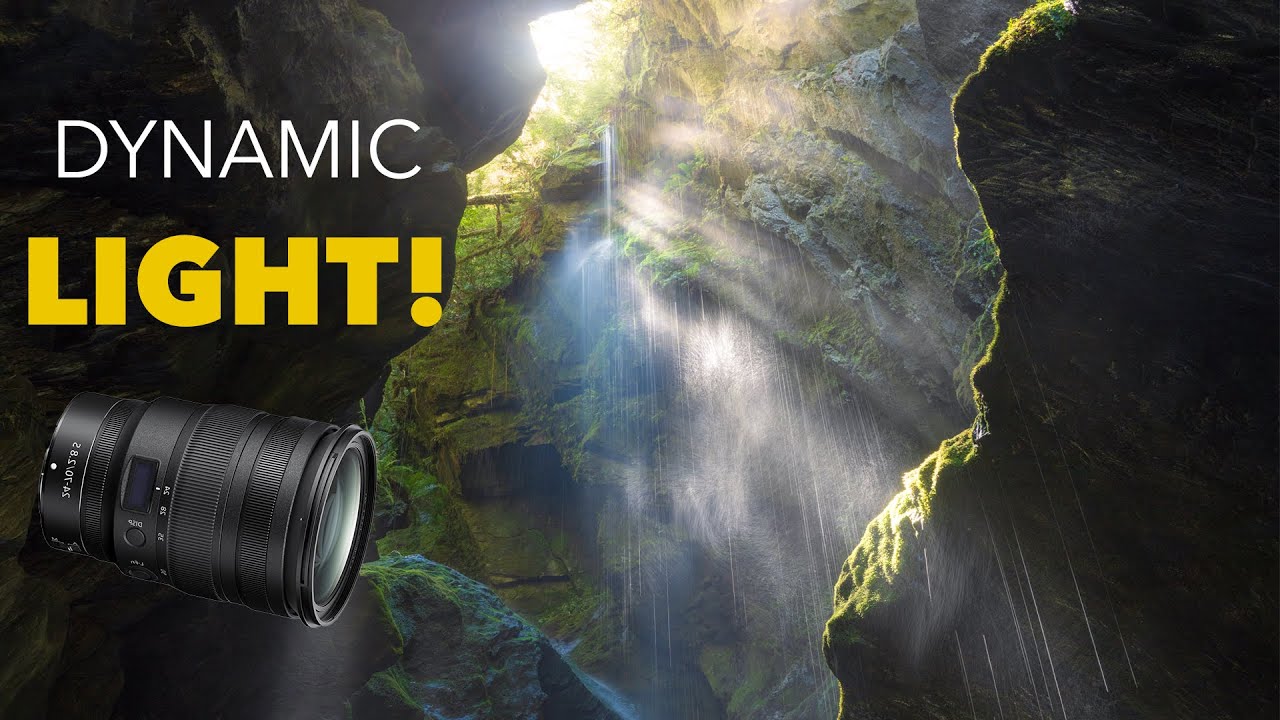
There’s a specific kind of creative paralysis that hits when you finally reach a stunning location and realize you have no idea where to put the camera. I’ve felt it standing in the Columbia River Gorge at first light, boots soaking, with a scene so layered and busy that the wide angle lens on my camera felt less like a tool and more like an accusation. Wide angle lenses are capable of extraordinary landscape images, but they punish lazy framing harder than any other focal length.

When the Light Fails You: What Nigel Danson Taught Me About Finding Compositions That Don't Need It

When the Light Fails You: What Nigel Danson Taught Me About Finding Compositions That Don't Need It

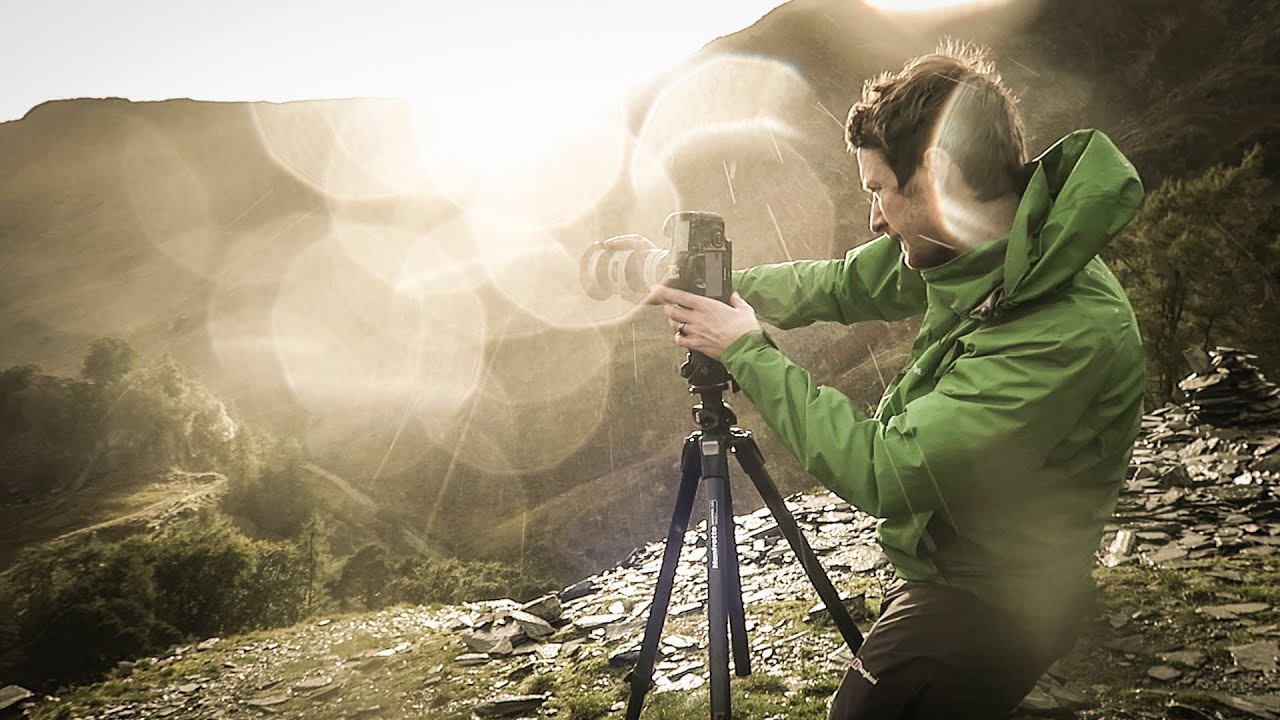
There’s a particular kind of afternoon I know too well. You’ve driven out, the gear is on your back, and the light that looked promising on the horizon has gone flat and grey. Most photographers pack up. The ones who keep shooting tend to learn something more durable than “wait for golden hour.” That’s the quiet lesson buried inside this Nigel Danson tutorial from the fells of the Lake District, and it’s one I wish someone had handed me twenty years ago when I was still convinced that good photography required perfect conditions.

The 3-Element Filter That Cuts Your Post-Trip Culling Time in Half

The 3-Element Filter That Cuts Your Post-Trip Culling Time in Half

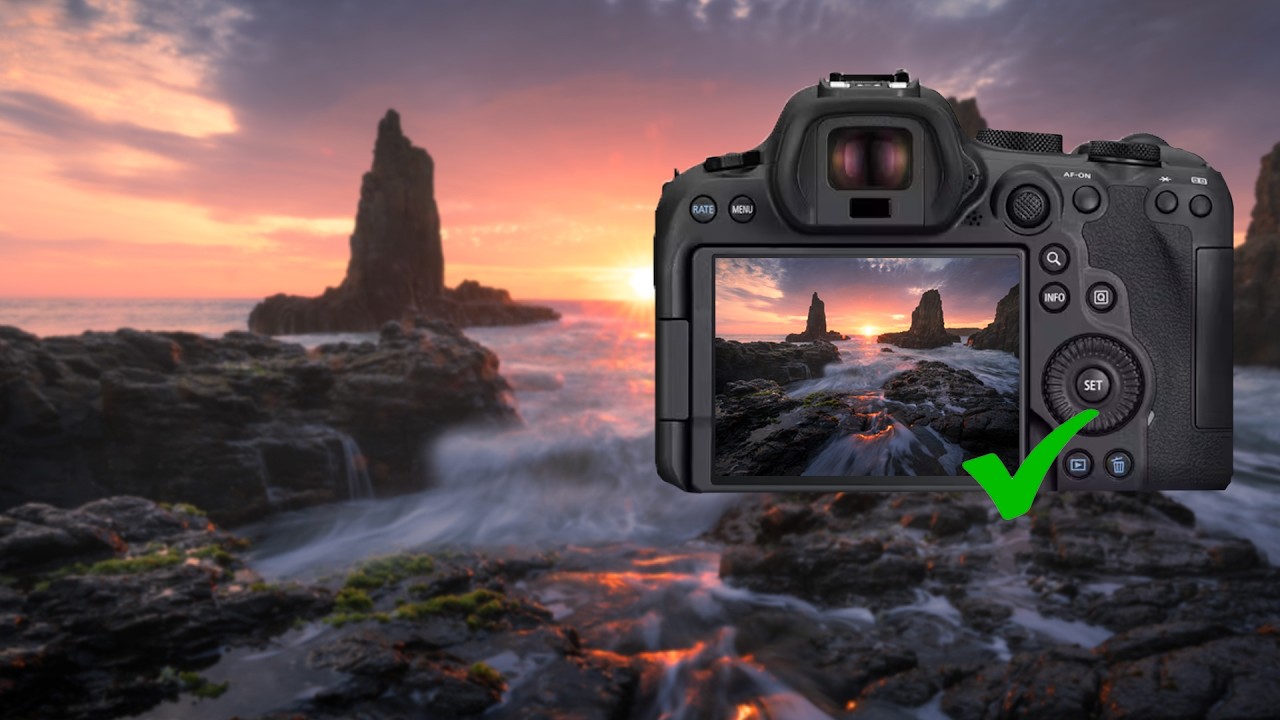
Every time I come back from a long shoot, I face the same problem. Last autumn I drove out to the Alvord Desert and spent four days chasing light across the playa. I came home with just over 900 raw files. I sat down at my desk, opened Lightroom, and felt that familiar dread settle in. Not because editing is hard, but because I genuinely didn’t know where to start. Which images even deserved my attention?

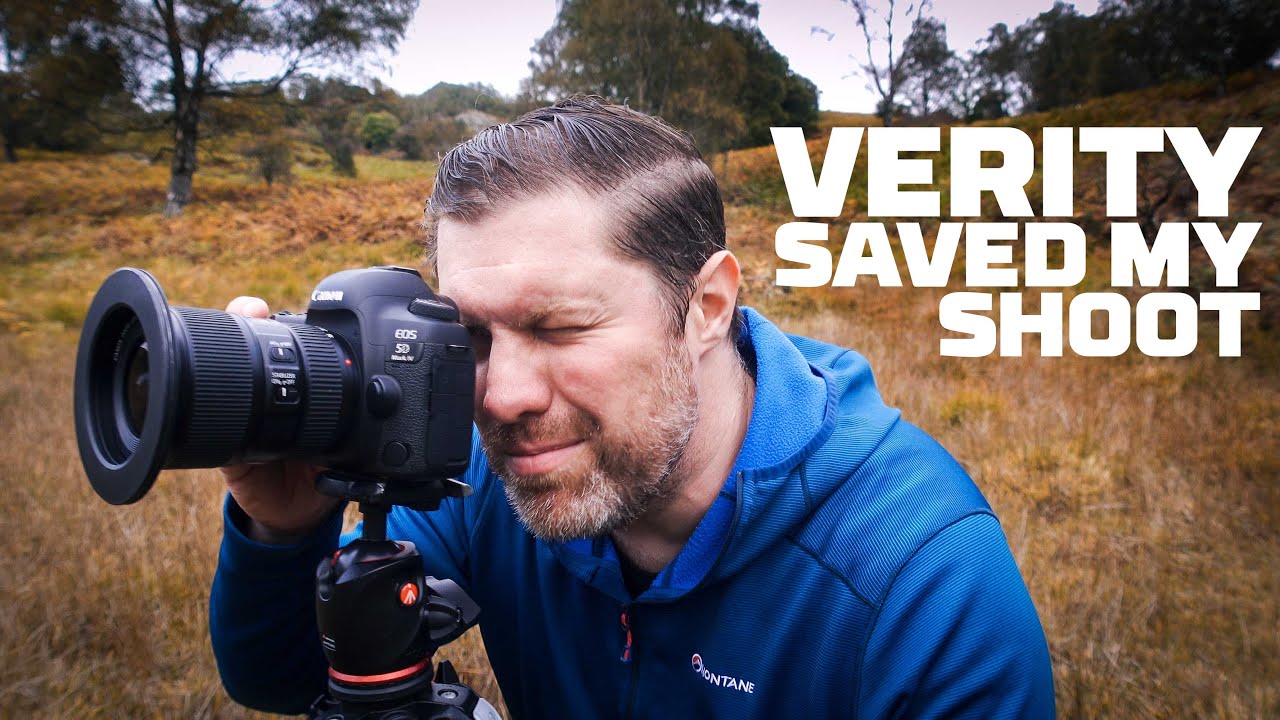
Sharp Front to Back: How Focus Stacking Saved My Last Desert Shoot

Sharp Front to Back: How Focus Stacking Saved My Last Desert Shoot

There’s a particular kind of frustration that comes with a scene that simply will not cooperate with your aperture. You’re standing in front of something extraordinary, maybe a gnarled tree pushing up from a rocky foreground with a mountain range filling the sky behind it, and no matter where you set your f-stop, something goes soft. Stop down to f16 and diffraction steals your sharpness. Open up to f8 and the foreground loses definition.

Capturing the Rhythm of Coastal Light: A Photographer's Guide to Seascapes

Capturing the Rhythm of Coastal Light: A Photographer's Guide to Seascapes

Capturing the Rhythm of Coastal Light: A Photographer’s Guide to Seascapes I’ve spent countless hours standing on rocky shores and sandy beaches, watching light dance across water, and I’ve learned that coastal photography demands something different from other landscape work. The coast teaches patience in ways that mountains don’t. There’s an unpredictability to it—the light shifts rapidly, waves behave differently each minute, and the interplay between water, sky, and land creates technical challenges that require both preparation and adaptability.

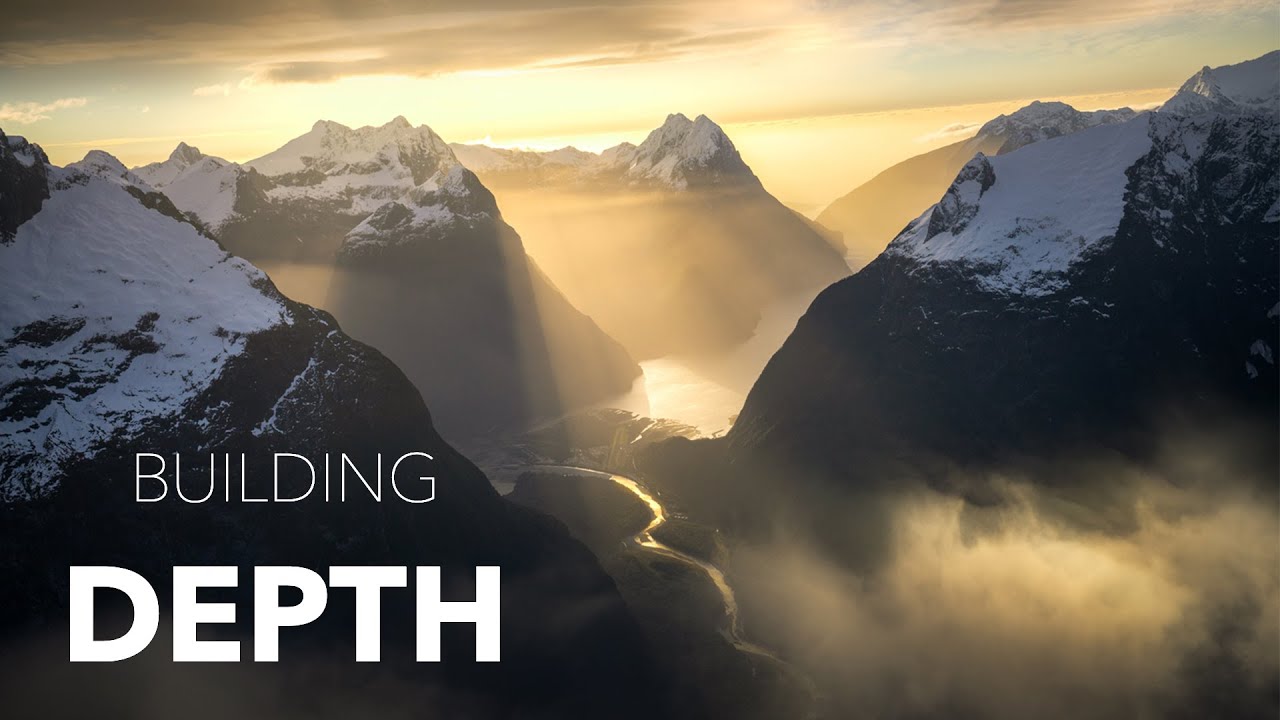
The Art of Seeing: Building Stronger Landscape Compositions

The Art of Seeing: Building Stronger Landscape Compositions

The Art of Seeing: Building Stronger Landscape Compositions I’ve spent countless mornings standing in mountain valleys, waiting for light to transform the scene before me. In those quiet hours, I’ve learned that composition isn’t about following rules—it’s about understanding how your eye moves through a photograph, and then controlling that journey with intention. Most photographers arrive at a location, frame what they see, and shoot. But there’s a deliberate practice that separates strong work from snapshots: learning to construct a landscape photograph as you would build a story, with a beginning, middle, and resolution.

Finding Light in the Shadows: A Forest Photographer's Guide to Capturing Woodland Depth

Finding Light in the Shadows: A Forest Photographer's Guide to Capturing Woodland Depth

Finding Light in the Shadows: A Forest Photographer’s Guide to Capturing Woodland Depth When I first began photographing forests seriously, I made the mistake that many newcomers do: I treated them like any other landscape. I’d arrive expecting golden hour drama and sweeping vistas. What I found instead were dense shadows, confusing compositions, and frustratingly flat images. Only after spending dozens of overcast mornings in the woods did I begin to understand that forests demand a completely different approach.

The Art of Capturing Panoramas: Creating Images Wider Than Your Vision

The Art of Capturing Panoramas: Creating Images Wider Than Your Vision

The Art of Capturing Panoramas: Creating Images Wider Than Your Vision There’s a moment in the field when a landscape refuses to fit within the boundaries of a single frame. I’ve stood on countless ridges, looking out across valleys and mountain ranges that stretch impossibly wide, feeling the frustration of knowing my camera’s sensor can only capture a fraction of what my eyes see. That’s when panoramas become not just a technical exercise, but a necessity—a way to honor the true scope of a scene.

The Art of Capturing Mountain Light: Lessons from the High Country

The Art of Capturing Mountain Light: Lessons from the High Country

I’ve spent countless mornings standing in alpine meadows, watching light pour over distant peaks, and I’ve learned that mountain photography isn’t about chasing dramatic vistas—it’s about understanding the light that defines them. The Golden Window: Timing Your Ascent Mountains demand respect for time. When I plan a shoot, I work backward from my desired location. If I want to photograph a peak during golden hour, I calculate sunrise time, add 45 minutes (when light becomes truly directional), then subtract my hiking duration and a 20-minute buffer for setup.

Chasing Light in the Mountains: A Photographer's Guide to Alpine Landscapes

Chasing Light in the Mountains: A Photographer's Guide to Alpine Landscapes

The Mountain’s Demand for Patience I’ve stood on countless ridgelines at dawn, waiting for the first light to spill across a valley I’d hiked to in darkness. There’s something humbling about mountain photography—the landscape won’t bend to your schedule, and the weather won’t cooperate simply because you drove six hours to be there. This is precisely why I love it. Mountains demand something different from us than other landscape subjects. They’re three-dimensional puzzles where light, shadow, and scale interact in ways that a photograph must somehow translate onto a flat plane.

The Hidden Gems That Define Modern Landscape Photography

The Hidden Gems That Define Modern Landscape Photography

The Search for Authentic Moments in Wild Places There’s a particular tension that exists in landscape photography today. We’re drawn to pristine wilderness, those untouched corners of the world where light falls perfectly on unspoiled terrain. Yet every location we discover, photograph, and share potentially contributes to its own demise through increased visitation and environmental pressure. Recently, I’ve been reflecting on conversations with fellow photographers about where they actually spend their time in the field.

The Thrill of the Unknown: Why Risk-Taking Defines Wildlife Photography

The Thrill of the Unknown: Why Risk-Taking Defines Wildlife Photography

The Moment Everything Changes There’s a particular electricity that courses through you when you realize you’re about to witness something utterly unprecedented. In wildlife photography, this feeling is rare—and absolutely intoxicating. After years of studying animal behavior, scouting locations, and reviewing countless reference images, nothing quite compares to the adrenaline of encountering a subject that’s never graced another photographer’s lens. This understanding has fundamentally shaped how I approach my work in the field.