The Art of Capturing Panoramas: Creating Images Wider Than Your Vision

The Art of Capturing Panoramas: Creating Images Wider Than Your Vision

The Art of Capturing Panoramas: Creating Images Wider Than Your Vision There’s a moment in the field when a landscape refuses to fit within the boundaries of a single frame. I’ve stood on countless ridges, looking out across valleys and mountain ranges that stretch impossibly wide, feeling the frustration of knowing my camera’s sensor can only capture a fraction of what my eyes see. That’s when panoramas become not just a technical exercise, but a necessity—a way to honor the true scope of a scene.

The Art of Capturing Mountain Light: Lessons from the High Country

The Art of Capturing Mountain Light: Lessons from the High Country

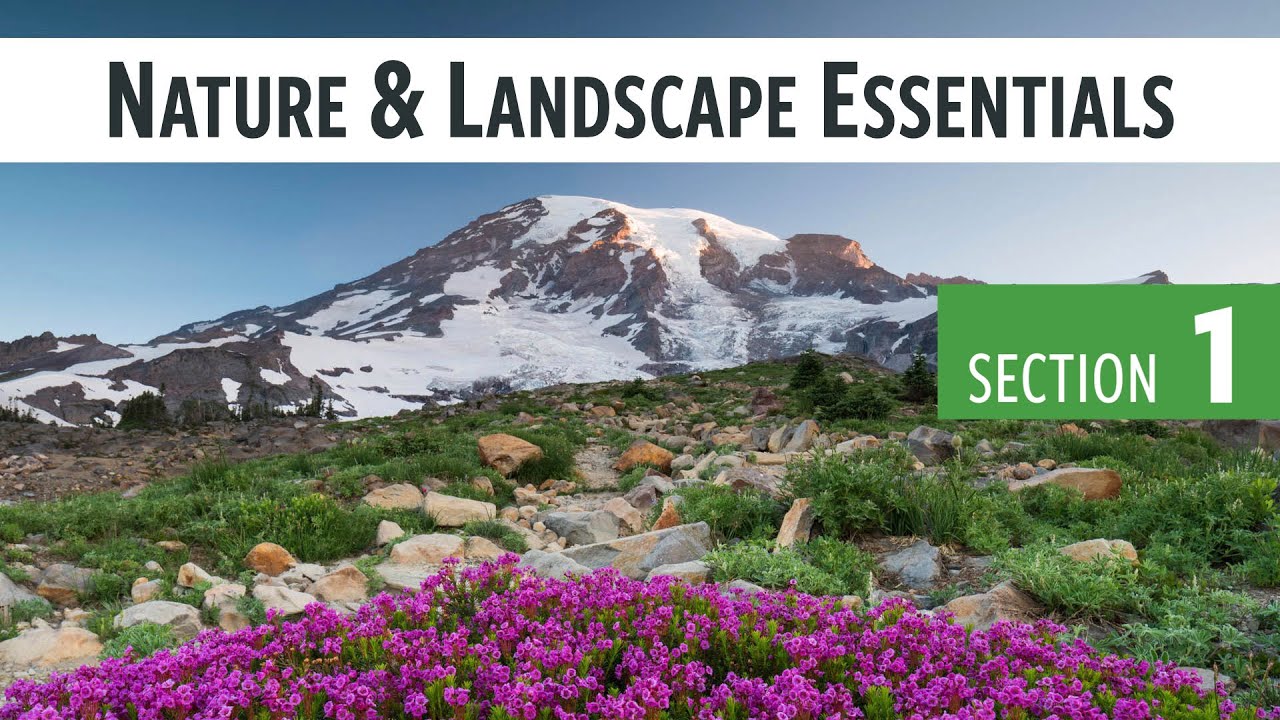
I’ve spent countless mornings standing in alpine meadows, watching light pour over distant peaks, and I’ve learned that mountain photography isn’t about chasing dramatic vistas—it’s about understanding the light that defines them. The Golden Window: Timing Your Ascent Mountains demand respect for time. When I plan a shoot, I work backward from my desired location. If I want to photograph a peak during golden hour, I calculate sunrise time, add 45 minutes (when light becomes truly directional), then subtract my hiking duration and a 20-minute buffer for setup.

Chasing Light in the Mountains: A Photographer's Guide to Alpine Landscapes

Chasing Light in the Mountains: A Photographer's Guide to Alpine Landscapes

The Mountain’s Demand for Patience I’ve stood on countless ridgelines at dawn, waiting for the first light to spill across a valley I’d hiked to in darkness. There’s something humbling about mountain photography—the landscape won’t bend to your schedule, and the weather won’t cooperate simply because you drove six hours to be there. This is precisely why I love it. Mountains demand something different from us than other landscape subjects. They’re three-dimensional puzzles where light, shadow, and scale interact in ways that a photograph must somehow translate onto a flat plane.

The Hidden Gems That Define Modern Landscape Photography

The Hidden Gems That Define Modern Landscape Photography

The Search for Authentic Moments in Wild Places There’s a particular tension that exists in landscape photography today. We’re drawn to pristine wilderness, those untouched corners of the world where light falls perfectly on unspoiled terrain. Yet every location we discover, photograph, and share potentially contributes to its own demise through increased visitation and environmental pressure. Recently, I’ve been reflecting on conversations with fellow photographers about where they actually spend their time in the field.

The Thrill of the Unknown: Why Risk-Taking Defines Wildlife Photography

The Thrill of the Unknown: Why Risk-Taking Defines Wildlife Photography

The Moment Everything Changes There’s a particular electricity that courses through you when you realize you’re about to witness something utterly unprecedented. In wildlife photography, this feeling is rare—and absolutely intoxicating. After years of studying animal behavior, scouting locations, and reviewing countless reference images, nothing quite compares to the adrenaline of encountering a subject that’s never graced another photographer’s lens. This understanding has fundamentally shaped how I approach my work in the field.

The Language of Lines: Mastering Landscape Composition in the Field

The Language of Lines: Mastering Landscape Composition in the Field

The Language of Lines: Mastering Landscape Composition in the Field I’m standing knee-deep in cold stream water at dawn, camera raised, and I realize I’ve been staring at the same scene for ten minutes without taking a single frame. The light is perfect. The mountains are there. The wildflowers are blooming. Yet something feels incomplete, unsettled. This is the moment composition becomes real—not theory, but the physical act of arranging visual elements until they sing together.

The Art of Visual Hierarchy: Composing Landscapes That Draw the Eye

The Art of Visual Hierarchy: Composing Landscapes That Draw the Eye

I’m standing on a rocky ridge at dawn, camera in hand, faced with an overwhelming vista. Mountains stretch endlessly. A river winds through the valley. Clouds billow overhead. Everything is beautiful. Everything demands attention. And that’s precisely the problem. The most common mistake I made in my early years was trying to capture everything—believing that more detail meant a stronger photograph. What I learned, through countless hours in the field, is that the strongest images aren’t the ones that show the most.

The Art of Patience: Mastering Mountain Light and Composition

The Art of Patience: Mastering Mountain Light and Composition

The Art of Patience: Mastering Mountain Light and Composition I’ve spent countless dawns shivering in alpine meadows, watching the world transform from grey to gold. Mountain photography rewards patience more than any other genre I’ve encountered. The difference between a forgettable snapshot and a truly moving image often comes down to waiting for the right light and understanding how to compose within those vast, unforgiving landscapes. Start with Light, Not Location Before you pack your gear, understand that location matters far less than light.

The Art of Landscape Composition: Building Frames That Tell Stories

The Art of Landscape Composition: Building Frames That Tell Stories

The Art of Landscape Composition: Building Frames That Tell Stories I’ve spent countless hours standing in meadows at dawn, watching mist curl through valleys while the light turns everything golden. In those moments, I’ve learned that composition isn’t something you impose on a landscape—it’s something you discover within it. The difference between a forgettable snapshot and a photograph that stops people in their tracks comes down to how deliberately you arrange what’s in front of you.

The Art of Forest Photography: Finding Light in the Shadows

The Art of Forest Photography: Finding Light in the Shadows

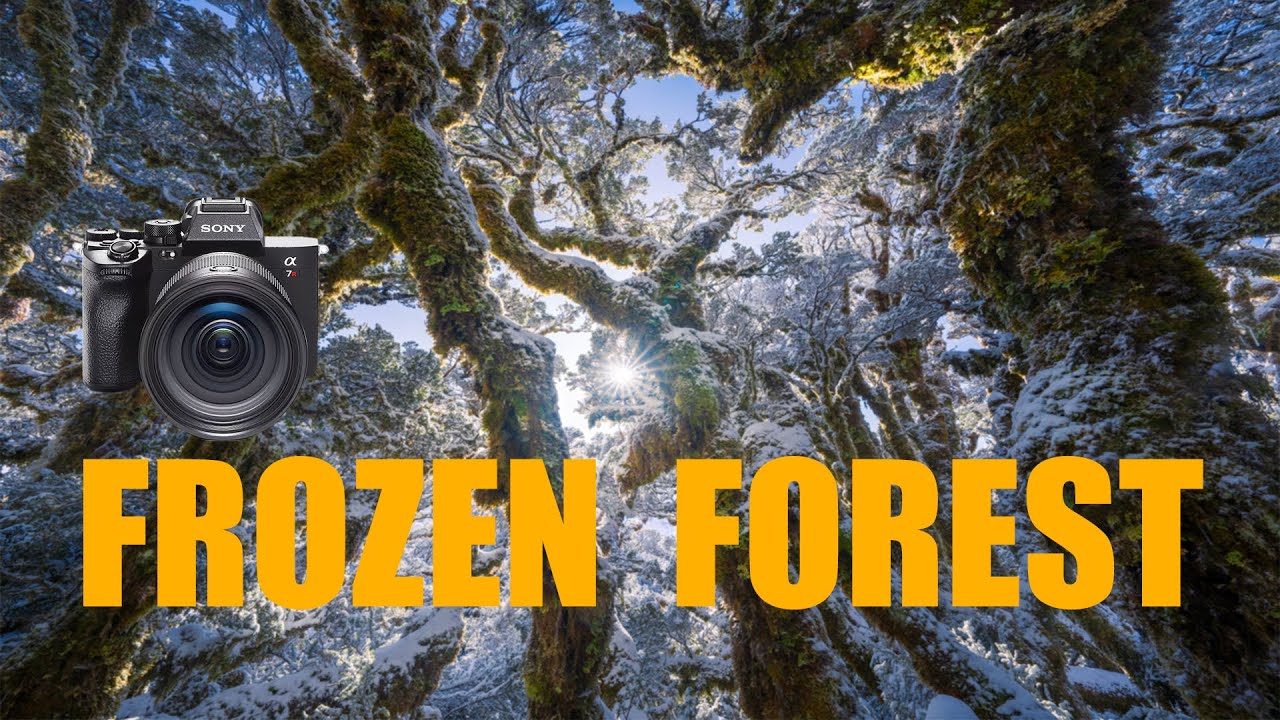
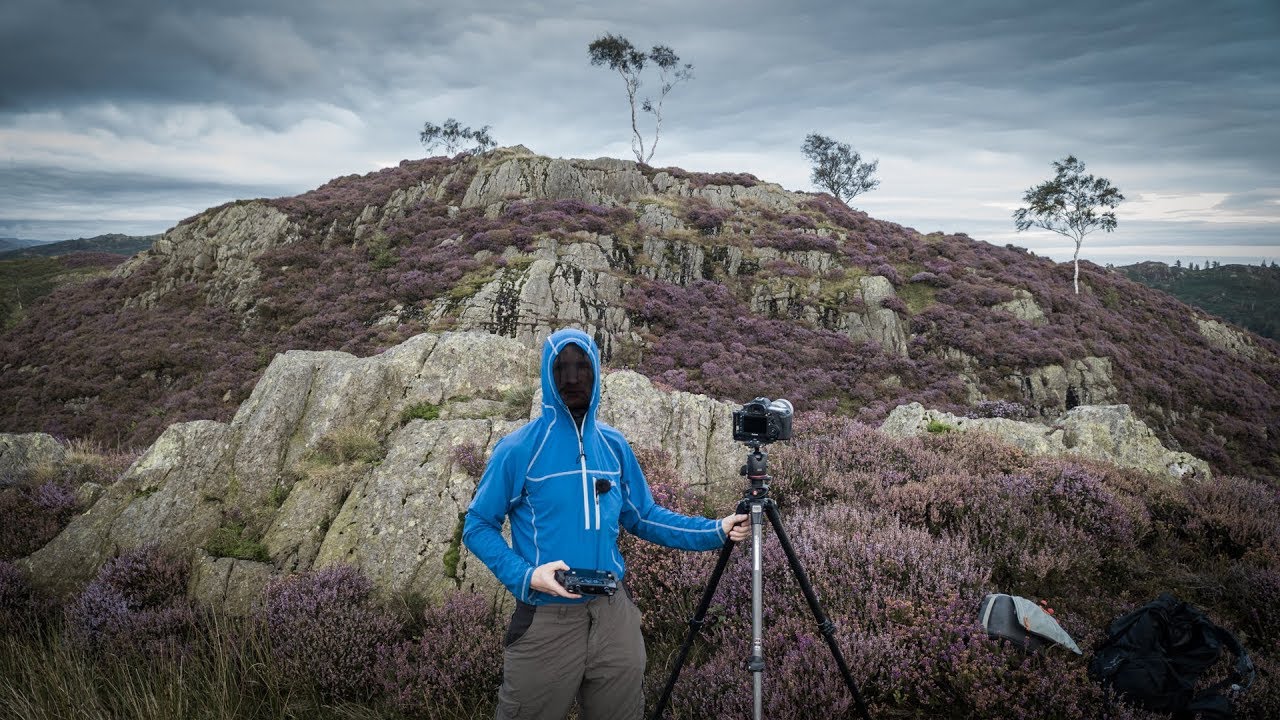
The Art of Forest Photography: Finding Light in the Shadows I’ve spent countless mornings standing in dense woodland, tripod sinking slightly into damp earth, waiting for that precise moment when golden light pierces through the canopy. Forest photography demands patience in ways that open landscape work simply doesn’t. You’re not working with the light—you’re hunting for it, creating geometry from shadow and illumination. Understanding Forest Light The forest is a study in contrast and subtlety.

The Art of Capturing Water in Motion: Mastering Waterfall Photography

The Art of Capturing Water in Motion: Mastering Waterfall Photography

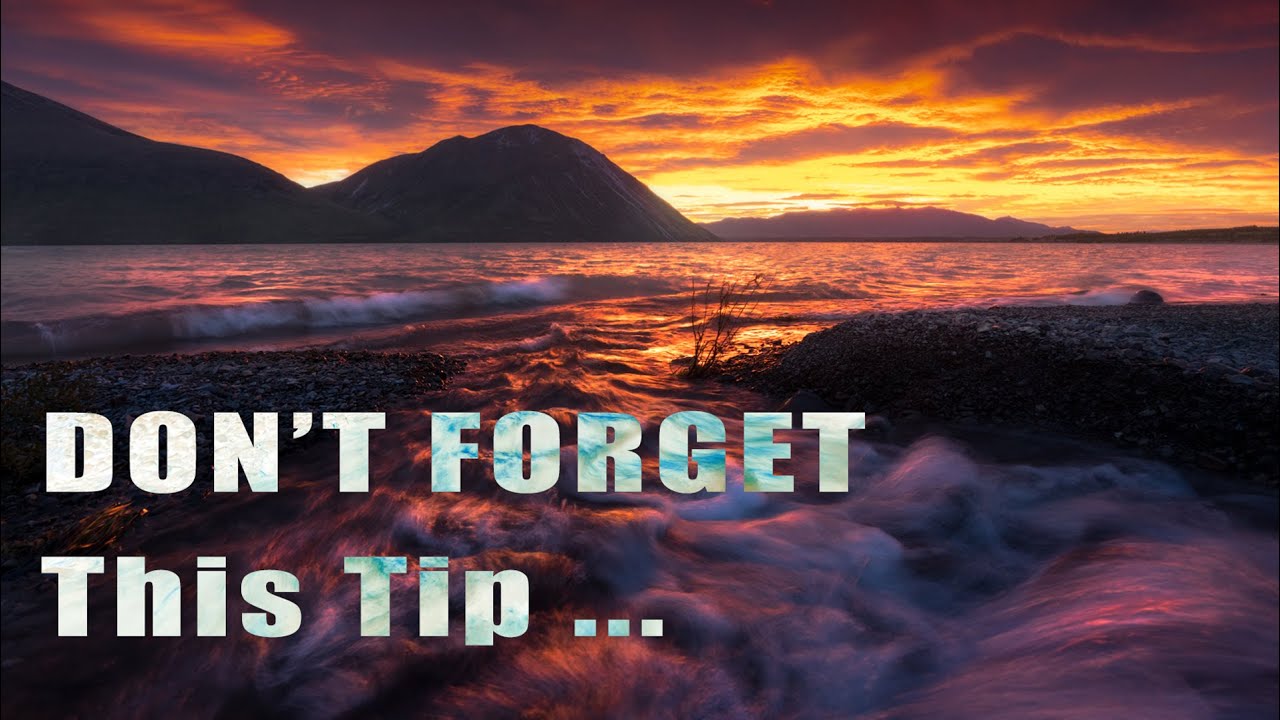
I’ve spent countless mornings standing before waterfalls with water misting my lens, learning through trial and error what separates a flat snapshot from an image that conveys the raw power and grace of moving water. Waterfall photography demands patience, technical precision, and an understanding of how light and motion interact. It’s not complicated, but it does require intention. Understanding Long Exposure The silky, ethereal quality you see in great waterfall images comes from one thing: time.

Reading the Sky: Mastering Weather Photography in the Field

Reading the Sky: Mastering Weather Photography in the Field

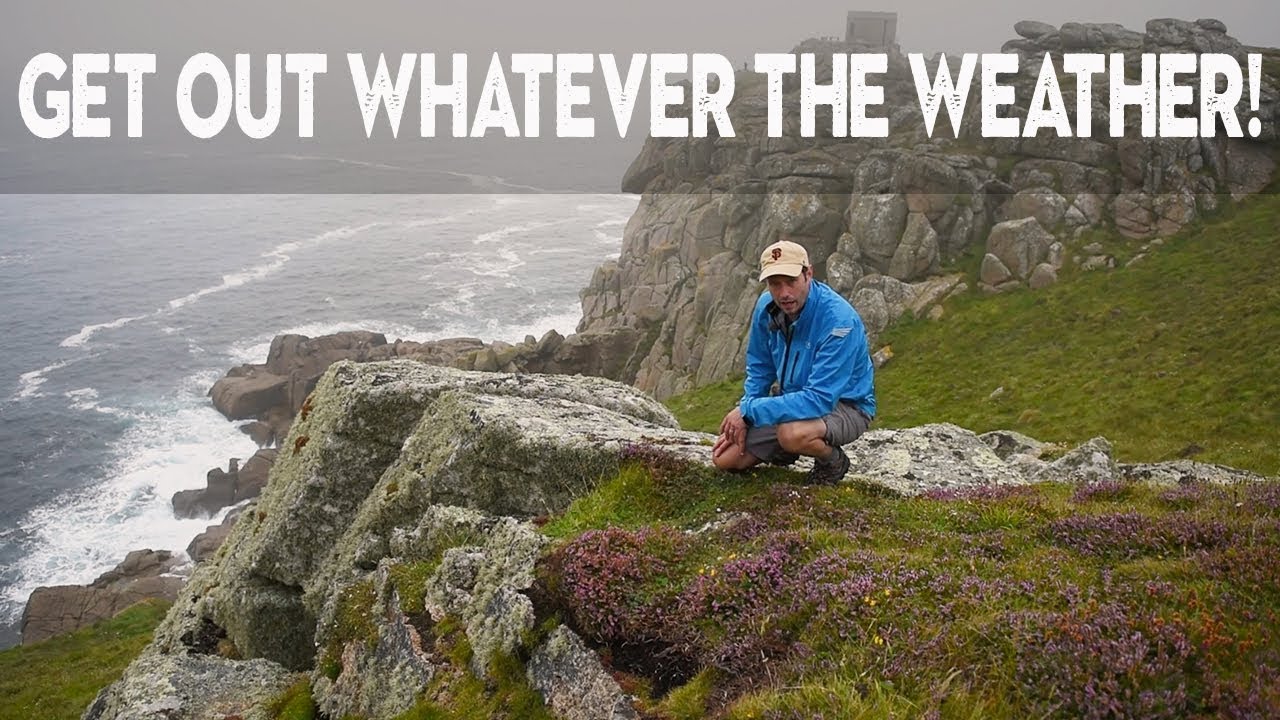
Reading the Sky: Mastering Weather Photography in the Field I’ve spent countless hours standing in rain, wind, and fog waiting for light that most photographers would abandon their positions to escape. Weather photography isn’t about enduring discomfort—it’s about understanding that dramatic atmospheric conditions create the most compelling landscape images. Over years in the field, I’ve learned that the real skill lies not in owning specialized gear, but in reading conditions and positioning yourself for the decisive moment.