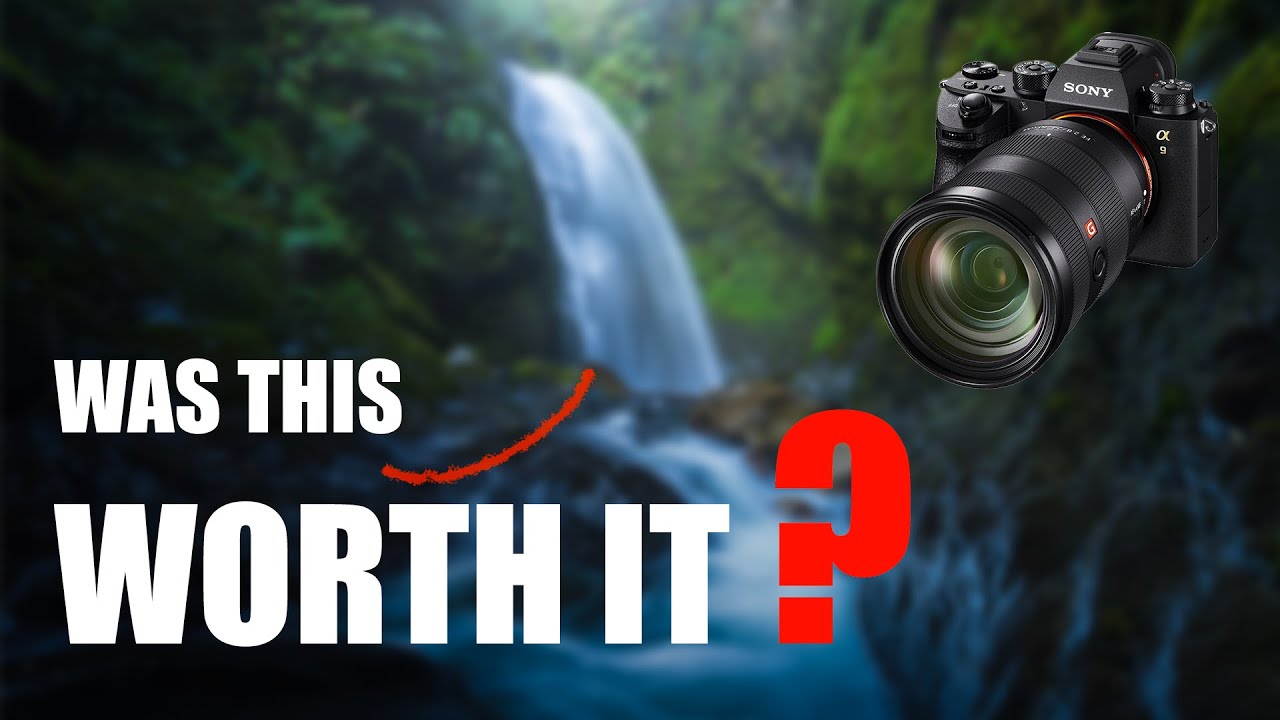
There’s a version of landscape photography that looks like this: you study the location for weeks, you pin exact GPS coordinates, you show up at the precise calculated moment of golden hour, and you execute a shot you already pre-visualized on your phone. I’ve done that. I still do that sometimes. But some of my strongest images, including the foggy Columbia River print that’s been my bestseller for three years now, came from the opposite approach. From showing up open-handed, reading the land, and reacting to what it offered instead of what I’d planned for.
That’s exactly what William Patino demonstrates in his New Zealand landscape photography tutorial, filmed across the lakes and forested gorges of Fiordland National Park. Watch the full tutorial on YouTube before or after reading this breakdown. Patino doesn’t sit at a desk and explain theory. He takes you onto the water, into the bush, and walks you through his actual thinking as it happens. What he’s describing is a complete field philosophy, not just technique tips, and it’s the kind of thing that took me years to figure out on my own.
If you’ve been feeling like your images are competent but somehow lifeless, or like you’re going through the motions rather than genuinely responding to what’s in front of you, this tutorial addresses the root of that problem. Here’s how to apply Patino’s approach step by step.
Step 1: Use a Topo Map to Identify High-Probability Features Before You Leave Home
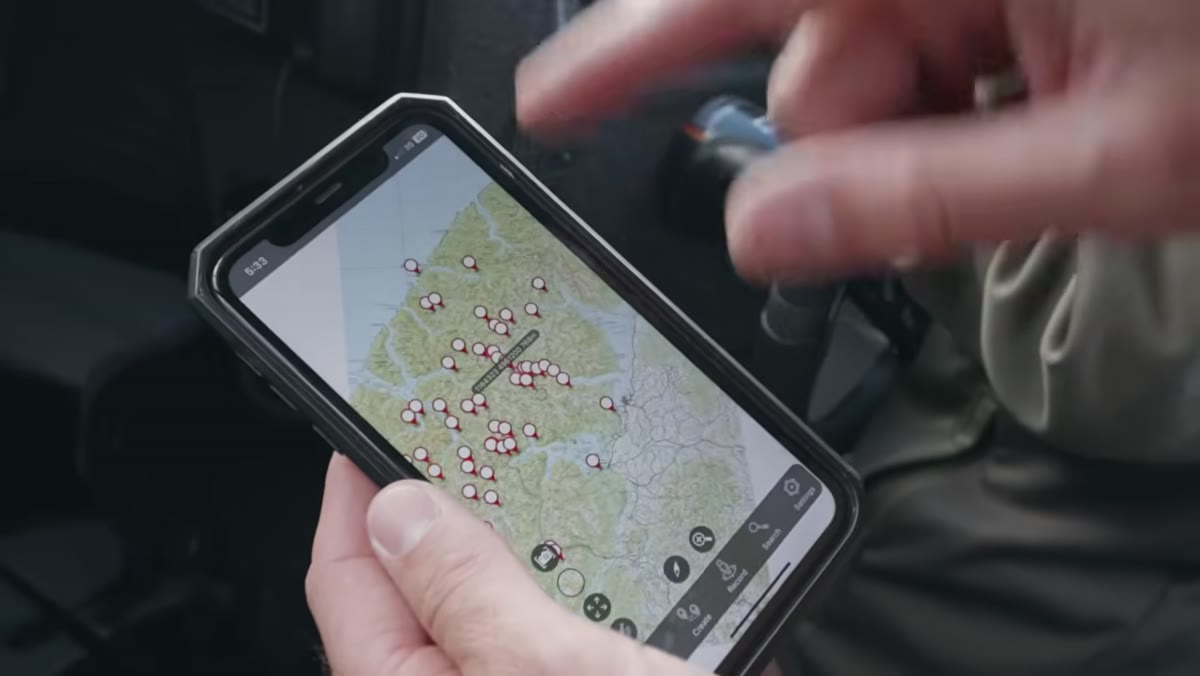 Topographic map with marked creeks, gorges, and lake features
Before heading out, Patino pulls up a topographic map and looks for specific terrain signatures rather than just scenic viewpoints. His focus is on where a creek enters a narrow passage, the kind of compression in the contour lines that suggests a gorge or canyon. He also notes nearby lakes, because a lake as a water source means a creek is more likely to carry consistent volume and won’t be a dry disappointment when you arrive.
Topographic map with marked creeks, gorges, and lake features
Before heading out, Patino pulls up a topographic map and looks for specific terrain signatures rather than just scenic viewpoints. His focus is on where a creek enters a narrow passage, the kind of compression in the contour lines that suggests a gorge or canyon. He also notes nearby lakes, because a lake as a water source means a creek is more likely to carry consistent volume and won’t be a dry disappointment when you arrive.
At home in Bend, I do this with a combination of CalTopo and Google Earth before any shoot in unfamiliar terrain. The topo tells you about elevation change and drainage. Google Earth gives you a rough visual confirmation. Together they help you build a list of “probable finds” rather than guaranteed shots. You’re not planning a composition. You’re planning a probability of discovery.
Step 2: Time Your Arrival Around Soft, Directional Light, Not Just Sunset
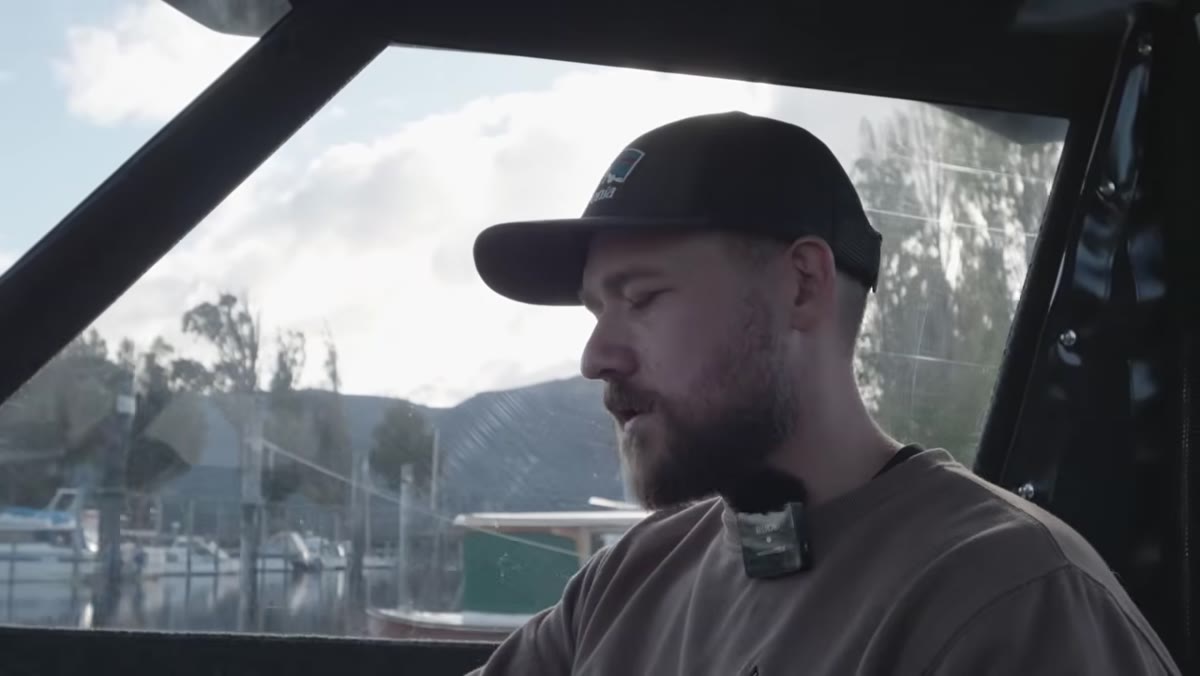 Boat on lake with late afternoon light on the water and mountains
Patino departs at 5 p.m. with sunset at 8 p.m., a deliberate choice. He wants the lower, softer light of late afternoon without the risk of being inside a dense forest gorge in near-darkness. The window he’s working toward isn’t the exact moment of sunset. It’s the two to three hours before it, when light is directional without being harsh and shadow detail is still recoverable.
Boat on lake with late afternoon light on the water and mountains
Patino departs at 5 p.m. with sunset at 8 p.m., a deliberate choice. He wants the lower, softer light of late afternoon without the risk of being inside a dense forest gorge in near-darkness. The window he’s working toward isn’t the exact moment of sunset. It’s the two to three hours before it, when light is directional without being harsh and shadow detail is still recoverable.
For forest and waterfall work especially, midday light is almost always a liability. The contrast between bright sky and dark understory destroys dynamic range and flattens the sense of depth. I’ve started timing forest shoots the same way Patino does: arrive when the light is already warming but still has work to do. If you’re shooting in a canyon or under heavy canopy, the direct sun angle matters less, but the quality of ambient fill light absolutely does.
Step 3: Start as an Observer, Not a Shooter
 Patino walking and watching the landscape without camera raised
One of the most honest things Patino says in this tutorial is that he doesn’t reach for the camera until something genuinely moves him. He frames himself as an observer first. A photographer second. That sequencing matters more than most people realize.
Patino walking and watching the landscape without camera raised
One of the most honest things Patino says in this tutorial is that he doesn’t reach for the camera until something genuinely moves him. He frames himself as an observer first. A photographer second. That sequencing matters more than most people realize.
I went through a long phase early in my career where I shot constantly because I was afraid of missing something. The result was thousands of images with nothing at their center. Learning to walk, look, and wait before raising the camera changed the quality of what I brought home. The pressure drops. Your eyes open differently. You start noticing the light on a particular rock face or the way mist sits in a valley, and that noticing becomes the actual creative act.
Step 4: Let the Plan Be a Starting Point, Not a Contract
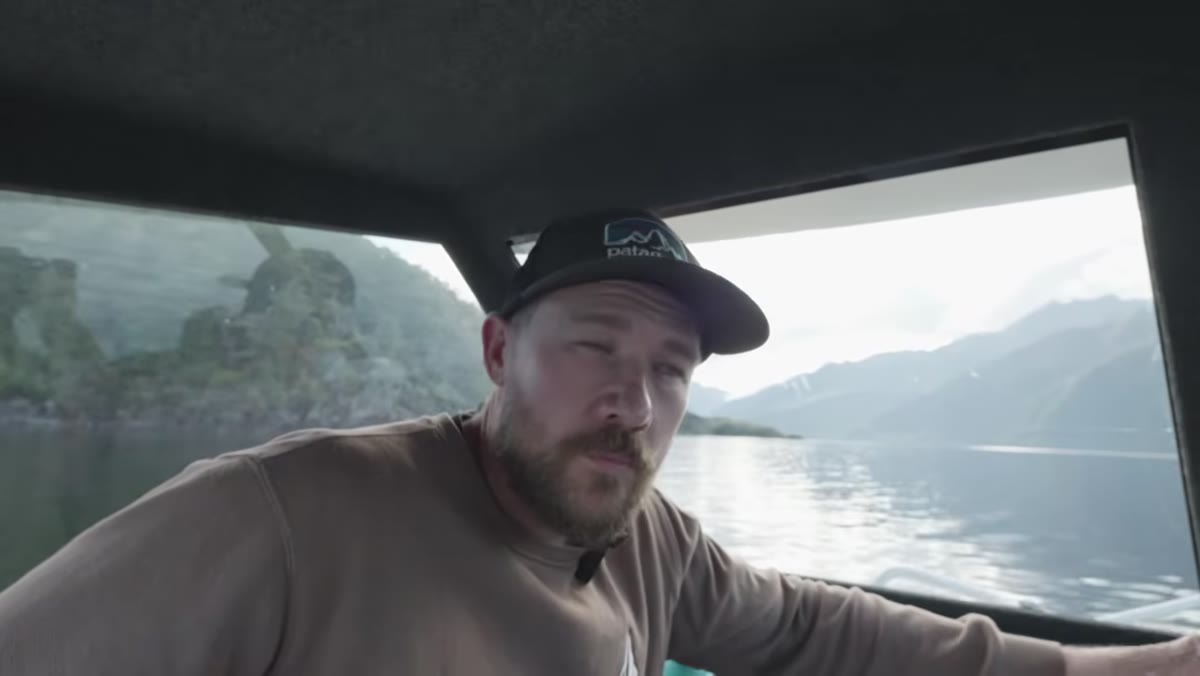
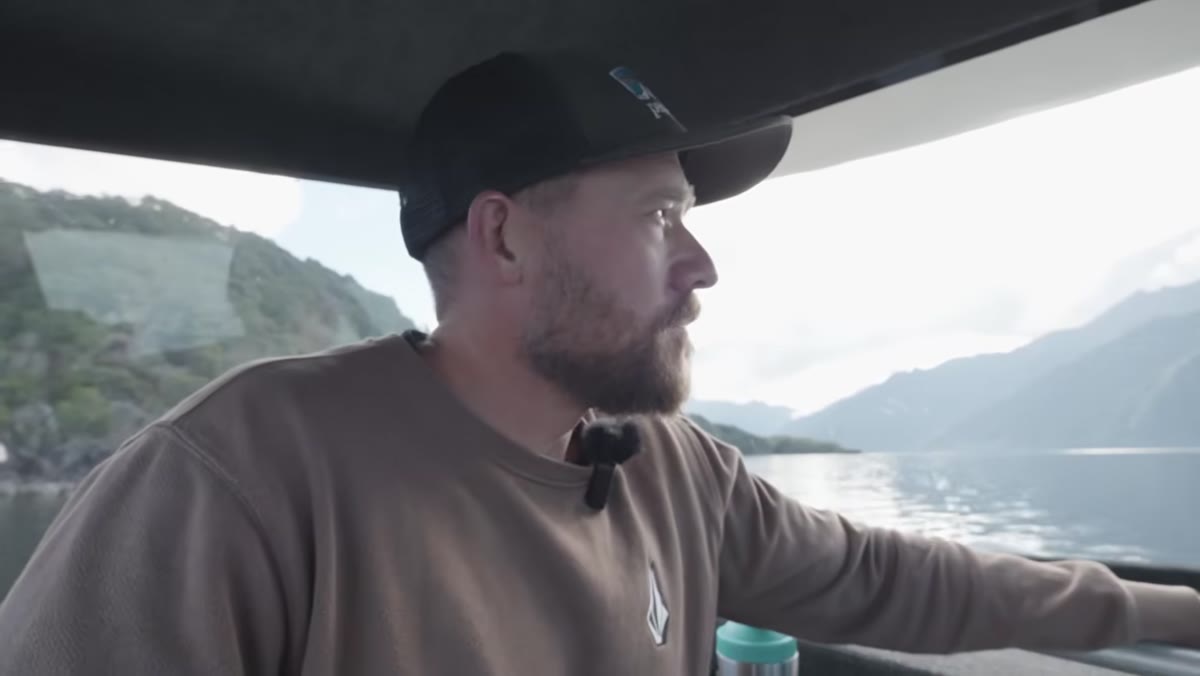 Stopping to observe unexpected light before reaching the planned destination
Patino is headed for the gorge when the light on the lake becomes too good to ignore. He stops the boat. He shoots. He describes throwing the original plan out entirely if something better presents itself, and he does this consciously, without guilt.
Stopping to observe unexpected light before reaching the planned destination
Patino is headed for the gorge when the light on the lake becomes too good to ignore. He stops the boat. He shoots. He describes throwing the original plan out entirely if something better presents itself, and he does this consciously, without guilt.
This is harder than it sounds. When you’ve spent time planning a specific destination, there’s a psychological sunk cost pulling you toward it even when the actual environment is telling you something different. The discipline Patino is describing is the willingness to treat your plan as a navigation aid, not a creative obligation. Bring the plan. Then stay awake to what isn’t in the plan.
Step 5: Read the Creek to Anticipate What Lies Upstream
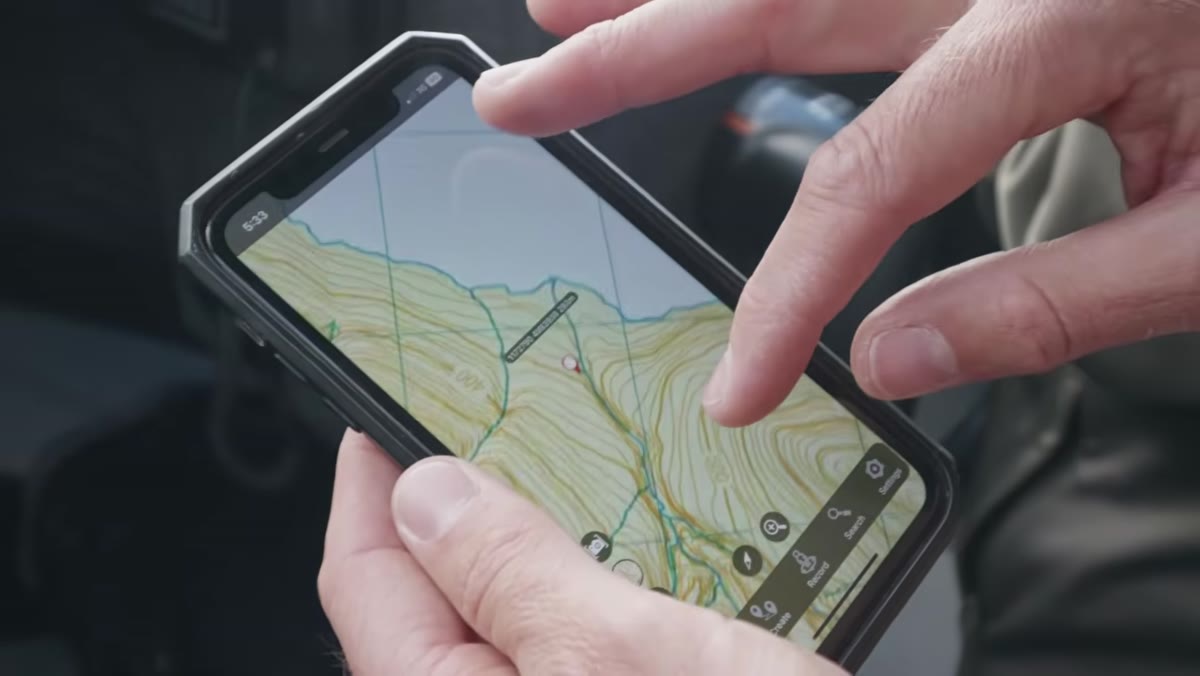 Topo map showing river narrowing into gorge with lake source above
Back to the map work: Patino explains how reading the creek’s drainage pattern helps him anticipate what he might find before he’s walked a single step. A creek fed by a lake suggests volume. A narrow gorge section suggests falls or cascades. These aren’t guarantees, but they’re informed hypotheses that make your exploration efficient.
Topo map showing river narrowing into gorge with lake source above
Back to the map work: Patino explains how reading the creek’s drainage pattern helps him anticipate what he might find before he’s walked a single step. A creek fed by a lake suggests volume. A narrow gorge section suggests falls or cascades. These aren’t guarantees, but they’re informed hypotheses that make your exploration efficient.
On foot, you extend this by watching the creek itself as you walk. Water speed, rock character, and sound all give you information. If the water is quickening and the sound is deepening around a bend, something is changing in the terrain ahead. You’re reading the landscape like a sentence, not just photographing it like a postcard.
What I’d Add From Twenty Years in the Field
The piece of this that Patino doesn’t overstate but that I think deserves emphasis: the willingness to come home without a shot and still consider it a good day.
A mentor of mine used to say that the mountain doesn’t care about your schedule. He meant it as a lesson in patience, but I’ve also come to hear it as permission. Some days you explore, you observe, you learn the land, and the photograph doesn’t happen. That’s not failure. That reconnaissance becomes the foundation for a future image, sometimes your best one. The photographers I know who’ve been doing this the longest hold their intentions loosely. They plan with care and release the plan freely. The best days in the field usually happen somewhere in the space between.
The single most important thing I took from Patino’s approach is this: inspiration is not something you manufacture through gear or planning. It arises from genuine curiosity about what’s around the next bend. Build the habit of going looking, stay responsive to what you find, and the photographs follow naturally.
Watch the full tutorial on YouTube and pay particular attention to how Patino’s tone stays relaxed throughout. That ease isn’t incidental to his work. It’s the method itself.
Comments (1)
Never thought of approaching it this way. Really creative.
Leave a Comment