
There’s a question I get at every workshop I teach, usually from someone who’s been shooting for about a year and is starting to wonder if they’re doing something wrong. It comes in different forms, but it always means the same thing: Is this sustainable? Can anyone actually build a life around this? I’ve been doing it for twenty years out of Bend, Oregon, and I still find the question worth sitting with. So when I came across a tutorial from Mark Denney where he takes on three of the most common questions he receives, including how he earns money from photography, how long he’s been shooting, and why landscapes specifically, I wanted to break it down. Not because it’s a technical how-to, but because it’s the kind of honest, practical thinking that beginning and intermediate photographers rarely get from the people they look up to.
Watch the full tutorial on YouTube
What Denney lays out in this video is less a technique and more a framework for thinking about photography as a practice that fits inside a real life. That framing matters. Some of the most damaging myths in this craft are about income and identity, and he cuts through both with a refreshing lack of ego. Here’s what I took from it, step by step.
Step 1: Be Honest About What You Actually Are
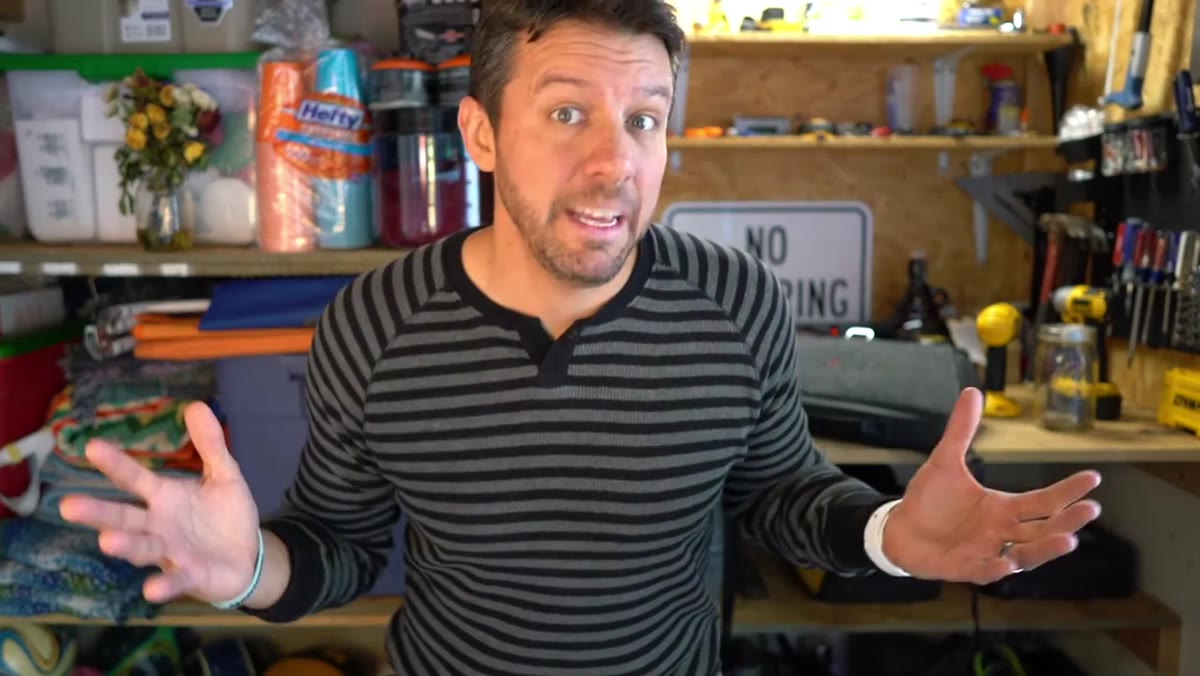 Mark Denney explaining he is not a full-time photographer
Denney opens by stating plainly that he is not a full-time professional photographer. He works as a financial marketing consultant. He has held that job for fifteen years. This is not a confession or an apology. He delivers it as simple context, and that’s exactly the right posture.
Mark Denney explaining he is not a full-time photographer
Denney opens by stating plainly that he is not a full-time professional photographer. He works as a financial marketing consultant. He has held that job for fifteen years. This is not a confession or an apology. He delivers it as simple context, and that’s exactly the right posture.
For anyone building a photography practice alongside a day job, family, and everything else that fills a week, this kind of transparency is genuinely useful. You don’t need to be full-time to be serious. Seriousness is about commitment to craft, not the source of your paycheck. I spent my first three years shooting landscapes while working construction. Nobody in the field cares how you paid your rent.
Step 2: Understand the Actual Income Streams Available to Part-Time Photographers
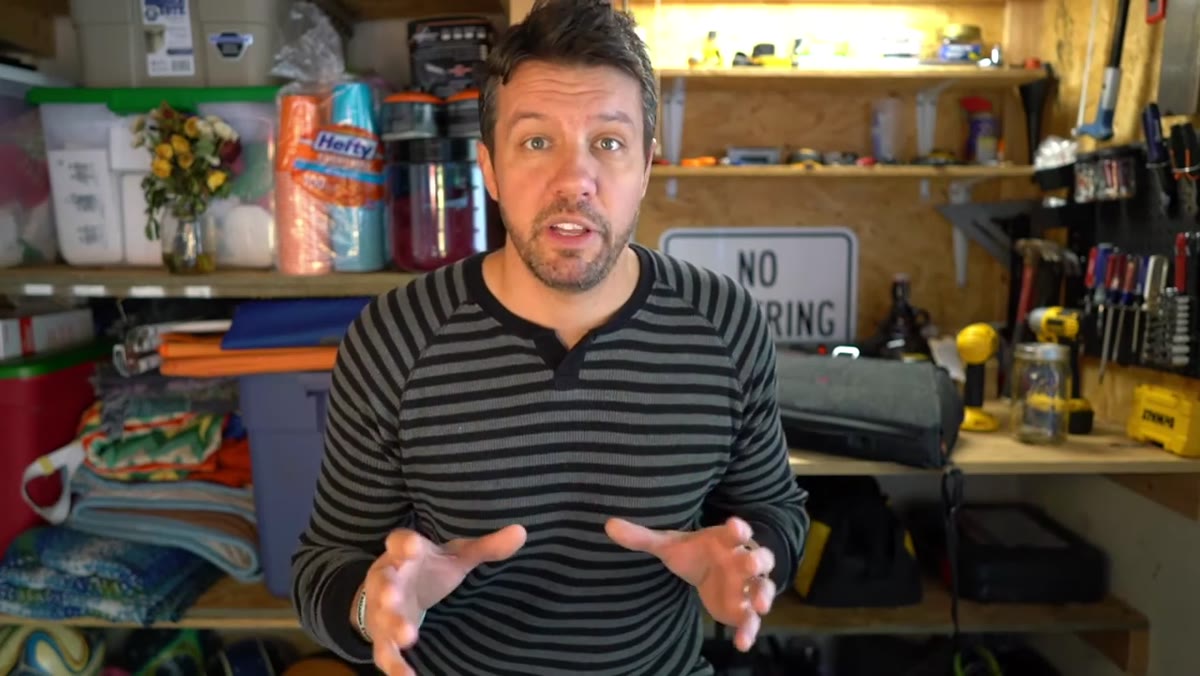 Mark Denney describing print sales and portrait sessions
When Denney does talk money, he keeps it grounded. The primary income from his photography comes from selling printed work. He supplements that with a handful of portrait sessions each month, kept deliberately small so they don’t swallow his weekends. Two streams, modest in scale, intentional in scope.
Mark Denney describing print sales and portrait sessions
When Denney does talk money, he keeps it grounded. The primary income from his photography comes from selling printed work. He supplements that with a handful of portrait sessions each month, kept deliberately small so they don’t swallow his weekends. Two streams, modest in scale, intentional in scope.
This is a useful model to study. Print sales reward long-term investment in image quality and audience building. Portrait work generates more immediate cash but costs time and creative energy. Knowing which one you’re optimizing for at any given moment helps you make better decisions about where to put your effort. I sell prints through my website and run workshops, and I treat them as two entirely different businesses with different rhythms and different demands.
Step 3: Give Yourself a Real Entry Point, Not a Vague Starting Date
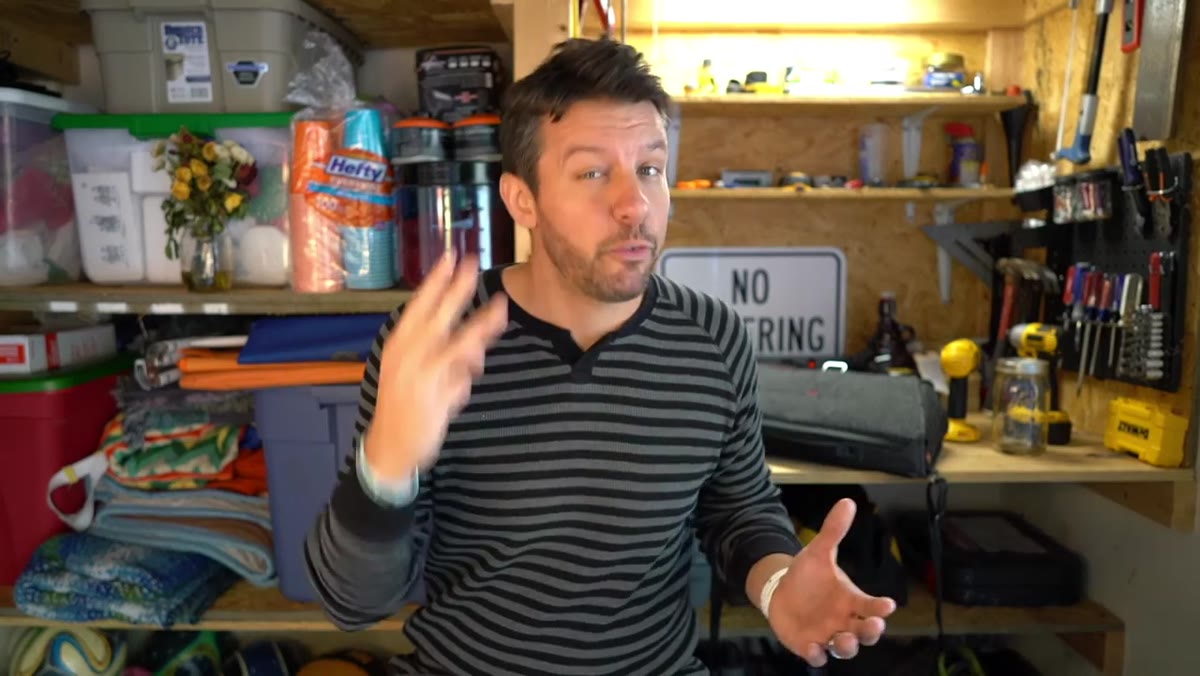 Mark Denney describing his decision to commit to photography three years ago
Denney has been interested in photography his whole life, he says, but the meaningful starting point was about three years before this video was filmed. That’s when he decided to commit fully, to stop dabbling and start treating it like a discipline worth mastering.
Mark Denney describing his decision to commit to photography three years ago
Denney has been interested in photography his whole life, he says, but the meaningful starting point was about three years before this video was filmed. That’s when he decided to commit fully, to stop dabbling and start treating it like a discipline worth mastering.
This distinction matters more than people realize. Casual interest and deliberate practice are not the same thing, and the gap between them is where most photographers get stuck for years. When he made the decision to dive in completely, his approach shifted: studying the craft systematically, broadening his audience, and learning how photography actually functions as a business. Pinpointing your own real starting date, the moment you stopped treating it as a hobby and started treating it as a pursuit, gives you an accurate measure of your own progress.
Step 4: Identify What the Genre Demands of You Before You Commit to It
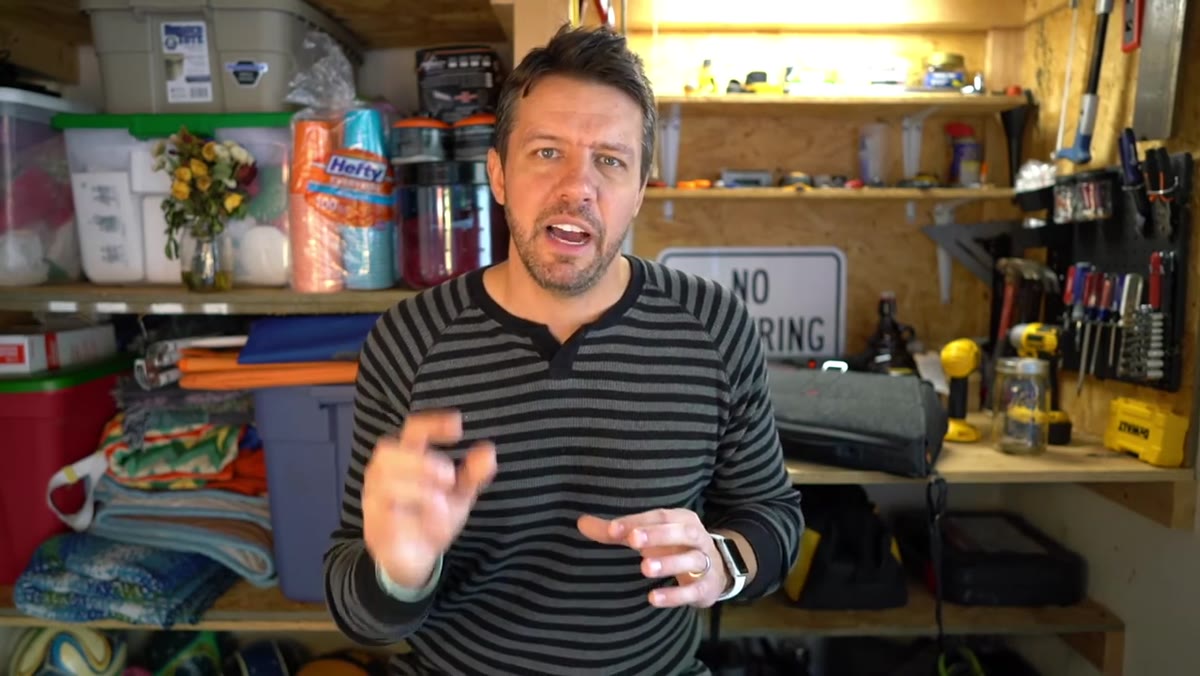 Mark Denney discussing the narrow windows of good light in landscape photography
One of the most practical things Denney says is that landscape photography operates within extremely narrow windows of usable light. Sunrise and sunset are not just preferences. They are structural requirements of the genre. The harsh overhead light of midday flattens everything and makes most landscape scenes look ordinary at best, ugly at worst.
Mark Denney discussing the narrow windows of good light in landscape photography
One of the most practical things Denney says is that landscape photography operates within extremely narrow windows of usable light. Sunrise and sunset are not just preferences. They are structural requirements of the genre. The harsh overhead light of midday flattens everything and makes most landscape scenes look ordinary at best, ugly at worst.
This is not a minor scheduling inconvenience. It means you are reorganizing your life around the light. My kids have grown up knowing that certain mornings and evenings I’m simply not available because the light is about to happen and I intend to be there when it does. They think I’m a little unhinged for standing in a frozen river at 5am. They’re not entirely wrong. But if you go into landscape photography without accepting this fundamental demand, you’ll spend years frustrated by circumstances that are simply the nature of the work.
Step 5: Let the Difficulty Be Part of the Appeal
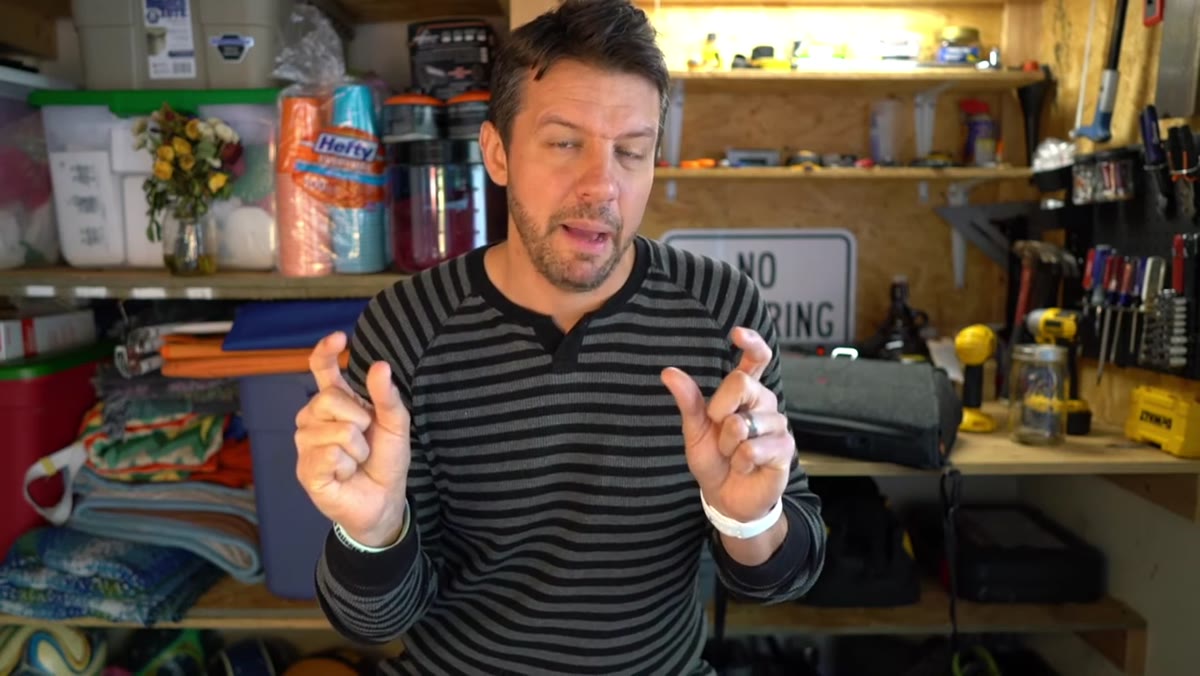 Mark Denney calling the limited shooting windows a challenge he’s drawn to
Denney frames those tight windows of usable light not as a burden but as a challenge that attracted him to the genre in the first place. This reframe is worth adopting. Every serious landscape photographer I know talks about the difficulty the same way. It’s not something to manage around. It’s part of what makes a strong image feel earned.
Mark Denney calling the limited shooting windows a challenge he’s drawn to
Denney frames those tight windows of usable light not as a burden but as a challenge that attracted him to the genre in the first place. This reframe is worth adopting. Every serious landscape photographer I know talks about the difficulty the same way. It’s not something to manage around. It’s part of what makes a strong image feel earned.
A mentor of mine used to say that the mountain doesn’t care about your schedule. You can want the shot. You can plan for it, drive hours for it, camp for it. The light either cooperates or it doesn’t. Learning to accept that gracefully, and to find something worth capturing even when it doesn’t, is probably the most important skill the genre develops in you.
Step 6: Recognize Landscape Photography as a Form of Intentional Slowing Down
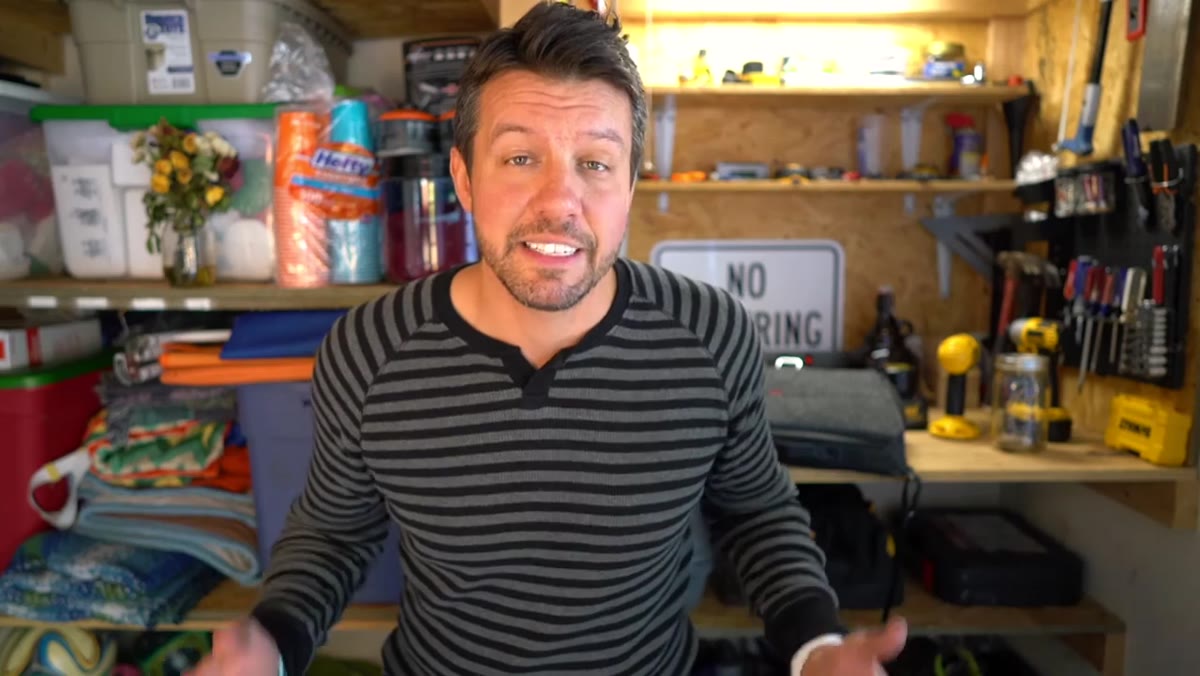 Mark Denney describing landscape photography as therapy and a way to slow down
The part of this video that I keep returning to is when Denney describes landscape photography as a kind of therapy. Not in a soft or abstract way. He means it practically: going outside forces him to slow down, to look carefully at his surroundings, to notice what was always there and was never seen because he was moving too fast. Parenthood accelerated that feeling for him. The years started passing faster, and the camera became a reason to stop.
Mark Denney describing landscape photography as therapy and a way to slow down
The part of this video that I keep returning to is when Denney describes landscape photography as a kind of therapy. Not in a soft or abstract way. He means it practically: going outside forces him to slow down, to look carefully at his surroundings, to notice what was always there and was never seen because he was moving too fast. Parenthood accelerated that feeling for him. The years started passing faster, and the camera became a reason to stop.
This is something I’d put in front of every photographer who’s burning out or questioning why they started. The camera is a tool for attention. It trains you to see, which means it trains you to be present. That’s not a small thing.
What Twenty Years Teaches You That Three Won’t
I want to add one thing Denney doesn’t cover because he’s still earlier in the journey. The therapeutic quality of landscape photography doesn’t diminish with experience. If anything, it deepens. After two decades, I still find that the act of getting up before the alarm, driving somewhere cold and dark, and waiting for light to change a scene is the most reliable way I know to feel like myself again. The images matter. The business matters. But the practice of being out there, alert and patient, is the thing I’d protect first if I had to give something up.
The single most important idea in this video is that you don’t have to be a full-time professional to be a serious, committed photographer. Mark Denney is building a meaningful practice and a growing body of work while holding down a full-time job and raising a family. The question isn’t whether you have enough time. It’s whether you’re using the time you have with genuine intention.
Watch the full tutorial on YouTube and hear Denney work through these questions in his own words. The honesty alone is worth twenty minutes of your morning.
Comments
Leave a Comment