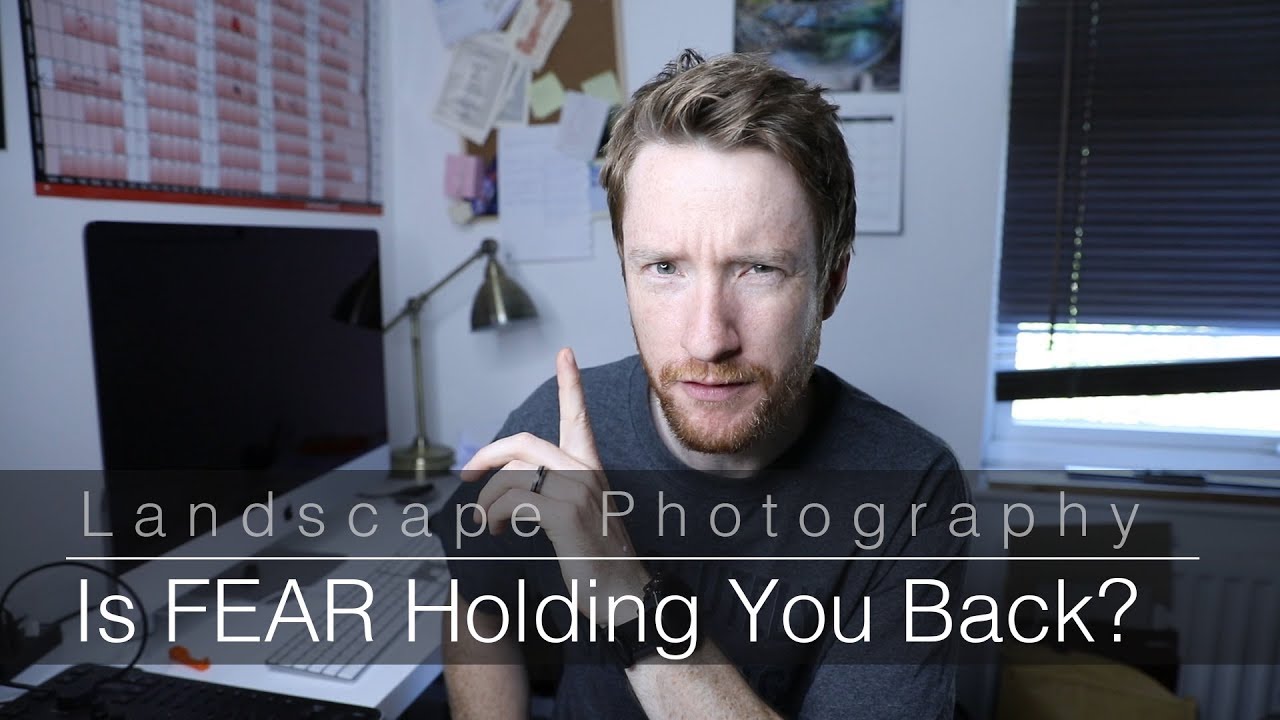
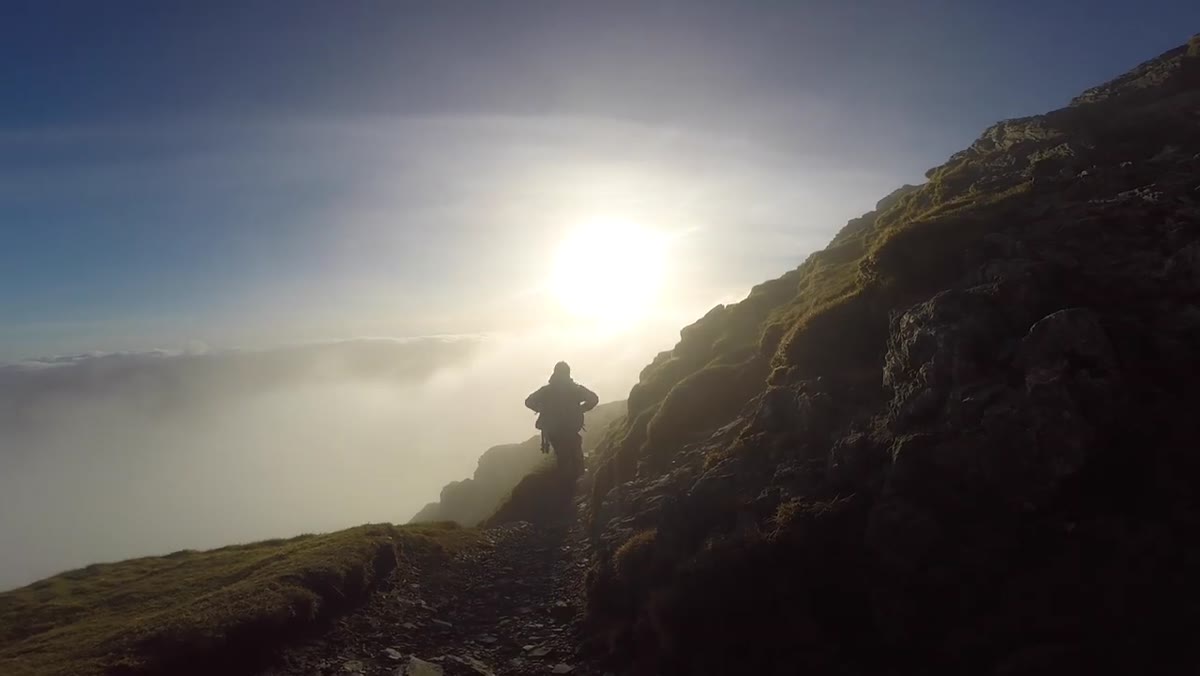
There’s a particular kind of dread that settles in around mile four of a solo hike, when the trail has thinned out and your phone shows no signal bars. I’ve felt it dozens of times over twenty years of working as a landscape photographer, usually right as the light is getting interesting and my brain decides to run through every worst-case scenario it can invent. What if I twist an ankle here? What if something more serious happens? It’s not irrational. It’s actually a sign that you’re paying attention. The problem comes when that fear starts making decisions for you.
In this Thomas Heaton tutorial, Watch the full tutorial on YouTube, Heaton works through something most photography educators never touch: the psychological and practical side of heading into remote locations alone. No gear talk, no composition tips. Just an honest conversation about anxiety, risk, and how to keep both in proportion so they stop costing you images. I’ve been doing this work long enough to have strong opinions on the subject, and I found myself nodding through most of it.
My mentor used to say that the mountain doesn’t care about your schedule. He meant it about patience, but it applies here too. The wilderness is indifferent. Your job is to show up prepared and clearheaded, which means dealing with fear before you’re standing alone in the dark trying to manage it.
Step 1: Name the Fear Specifically
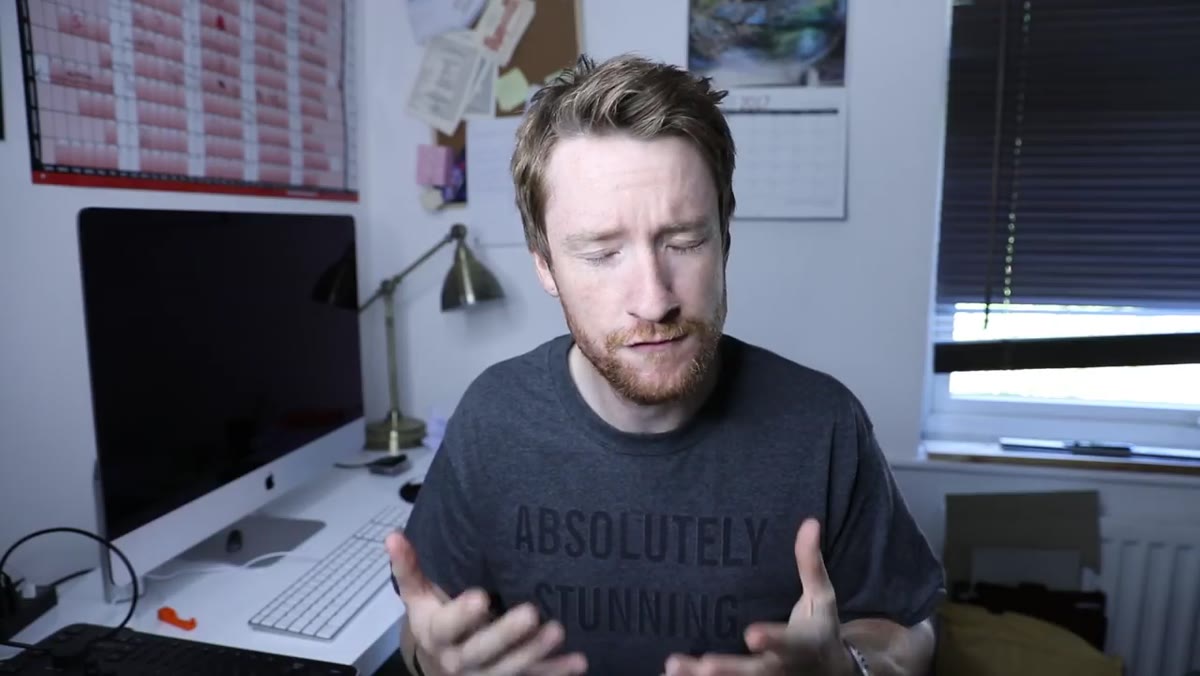 Thomas talking directly to camera about anxiety and landscape photography
Vague anxiety is harder to manage than a named, specific concern. Heaton starts by separating the fears his viewer wrote in about: fear of a sudden medical emergency, fear of an animal attack, fear of a physical injury with no help nearby. These are three different problems requiring three different responses, and treating them as one undifferentiated dread makes all of them worse.
Thomas talking directly to camera about anxiety and landscape photography
Vague anxiety is harder to manage than a named, specific concern. Heaton starts by separating the fears his viewer wrote in about: fear of a sudden medical emergency, fear of an animal attack, fear of a physical injury with no help nearby. These are three different problems requiring three different responses, and treating them as one undifferentiated dread makes all of them worse.
Before your next remote shoot, write down the actual scenario that worries you most. Not “something bad happening” but the specific thing. Is it a fall? A cardiac event? Getting lost after dark? Once it has a shape, you can evaluate it honestly and prepare for it practically. Fear named is fear manageable.
Step 2: Rationalize the Probability Without Dismissing the Risk
 Thomas describing his appendicitis experience in bed as context for fear
Heaton shares a personal story here that I think is the emotional core of the whole video. He experienced a sudden, severe medical emergency that required immediate surgery. The experience shook him, and his mind immediately went to: what if that had happened in the backcountry? It’s a fair question. But then he did something useful. He counted. In thirty-three years, that was the only time he had been struck without warning by a serious illness. Every other time, there were signals. A building headache, a sore stomach, fatigue. Enough notice to pack up and get home.
Thomas describing his appendicitis experience in bed as context for fear
Heaton shares a personal story here that I think is the emotional core of the whole video. He experienced a sudden, severe medical emergency that required immediate surgery. The experience shook him, and his mind immediately went to: what if that had happened in the backcountry? It’s a fair question. But then he did something useful. He counted. In thirty-three years, that was the only time he had been struck without warning by a serious illness. Every other time, there were signals. A building headache, a sore stomach, fatigue. Enough notice to pack up and get home.
This isn’t about telling yourself nothing bad can happen. It’s about honest probability assessment. Ask yourself: in the last five years, how many times has something genuinely incapacitating happened to you without any warning at all? For most healthy adults, the answer is close to zero. That doesn’t mean zero risk, but it means the risk is manageable rather than disqualifying.
Step 3: Separate the Rare from the Likely
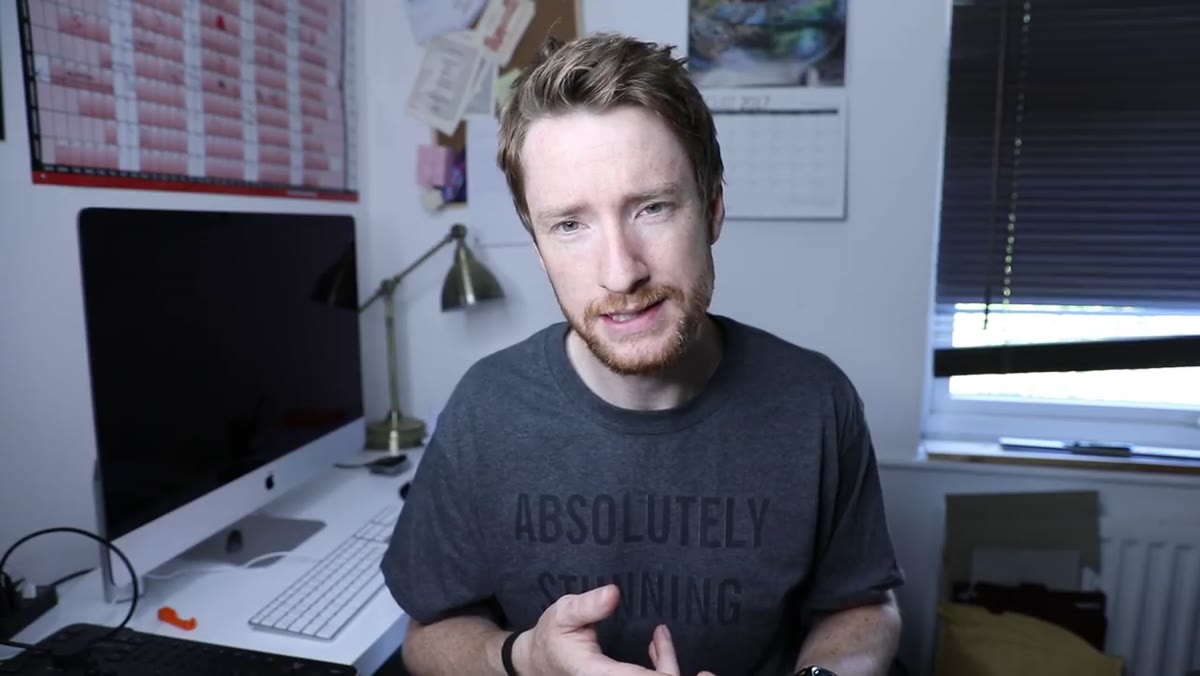 Thomas discussing what is actually most likely to go wrong on location
Heaton draws a clear line here that I think gets glossed over in most outdoor safety conversations. Dramatic scenarios like animal attacks or violent encounters are real fears but statistically remote for most photographers shooting in accessible wilderness. The far more likely problem is a simple physical injury: a twisted knee, a rolled ankle, a bad fall on loose rock. These aren’t cinematic emergencies. They’re unglamorous and genuinely disruptive, and they’re the thing actually worth preparing for.
Thomas discussing what is actually most likely to go wrong on location
Heaton draws a clear line here that I think gets glossed over in most outdoor safety conversations. Dramatic scenarios like animal attacks or violent encounters are real fears but statistically remote for most photographers shooting in accessible wilderness. The far more likely problem is a simple physical injury: a twisted knee, a rolled ankle, a bad fall on loose rock. These aren’t cinematic emergencies. They’re unglamorous and genuinely disruptive, and they’re the thing actually worth preparing for.
Redirect your preparation energy toward the probable. Carry a proper first aid kit. Know how to wrap a sprain and how to stabilize a limb well enough to move. Practice walking out with a loaded pack when one leg is tired, because that’s closer to what you’ll actually face. The catastrophic scenarios deserve a line item in your planning, but not the majority of your mental energy.
Step 4: Always Tell Someone Your Exact Plan
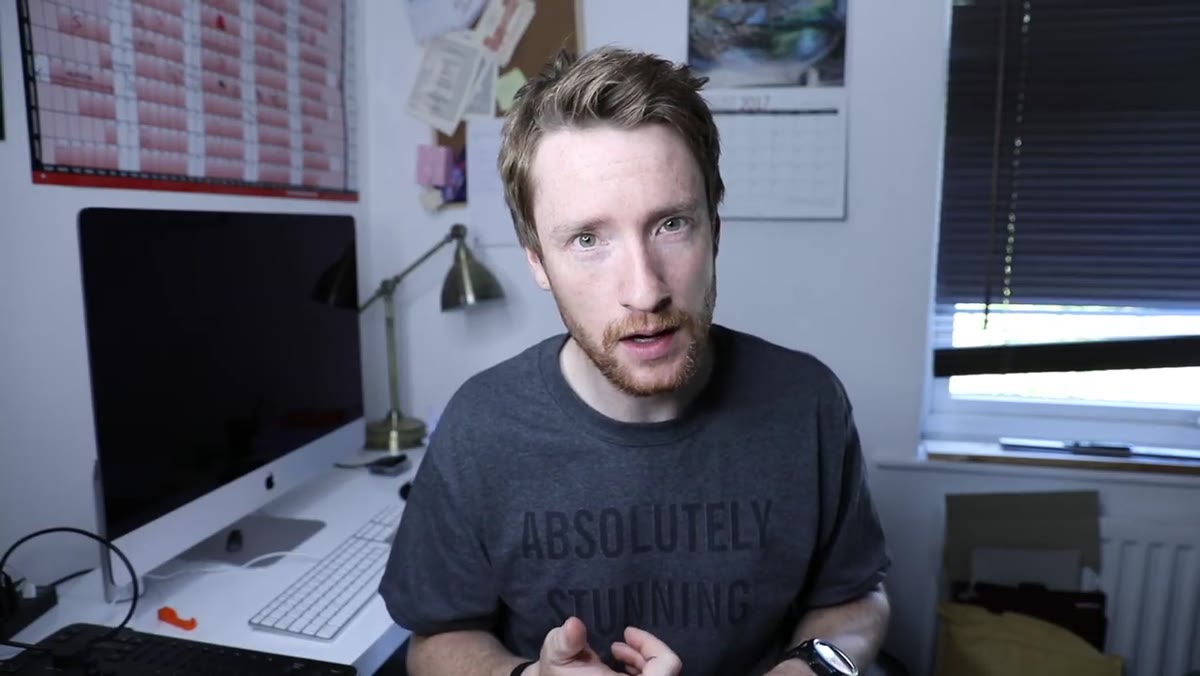 Thomas explaining the importance of telling someone your location and return time
This one is non-negotiable, and Heaton treats it that way. Before every solo shoot, tell someone: where you’re going, the specific trailhead or access point, your planned route, and when they should expect to hear from you. Not a vague “I’m heading up into the hills.” A specific plan with a time-based trigger for concern.
Thomas explaining the importance of telling someone your location and return time
This one is non-negotiable, and Heaton treats it that way. Before every solo shoot, tell someone: where you’re going, the specific trailhead or access point, your planned route, and when they should expect to hear from you. Not a vague “I’m heading up into the hills.” A specific plan with a time-based trigger for concern.
I text a friend or my wife the GPS coordinates of where I’m parking before I leave the car. If I’m camping overnight, I give a check-in window. If I miss it, they know to make a call. This costs you nothing and changes the entire calculus of a genuine emergency. Help that knows where to look arrives. Help that’s searching blind may never find you in time.
Step 5: Carry Basic Safety Gear Without Overthinking It
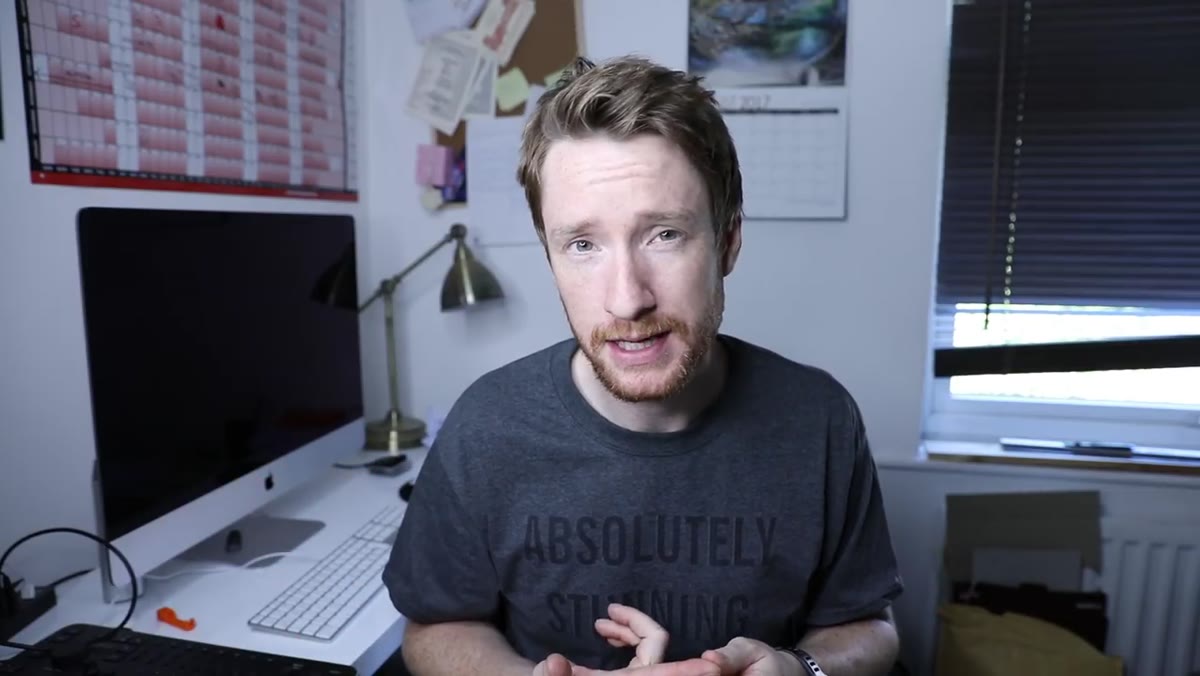 Thomas listing basic precautions for heading out to remote locations
Heaton keeps this practical and unpretentious, which I appreciate. You don’t need to become a wilderness survival expert to shoot landscapes responsibly. You need a short list of basics carried consistently: a charged phone or satellite communicator, a whistle, a small first aid kit, a space blanket, a headlamp with fresh batteries, and enough water and food for longer than you think you’ll be out. That’s it for most day shoots.
Thomas listing basic precautions for heading out to remote locations
Heaton keeps this practical and unpretentious, which I appreciate. You don’t need to become a wilderness survival expert to shoot landscapes responsibly. You need a short list of basics carried consistently: a charged phone or satellite communicator, a whistle, a small first aid kit, a space blanket, a headlamp with fresh batteries, and enough water and food for longer than you think you’ll be out. That’s it for most day shoots.
The satellite communicator point deserves extra weight. In areas with no cell service, which is exactly where the best light often lives, a device like a Garmin inReach gives you two-way messaging and an SOS function. I started carrying one about eight years ago and it quieted a particular category of worry almost entirely. The cost is modest. The peace of mind is significant.
Step 6: Don’t Let the Fear Become the Reason You Stop Going
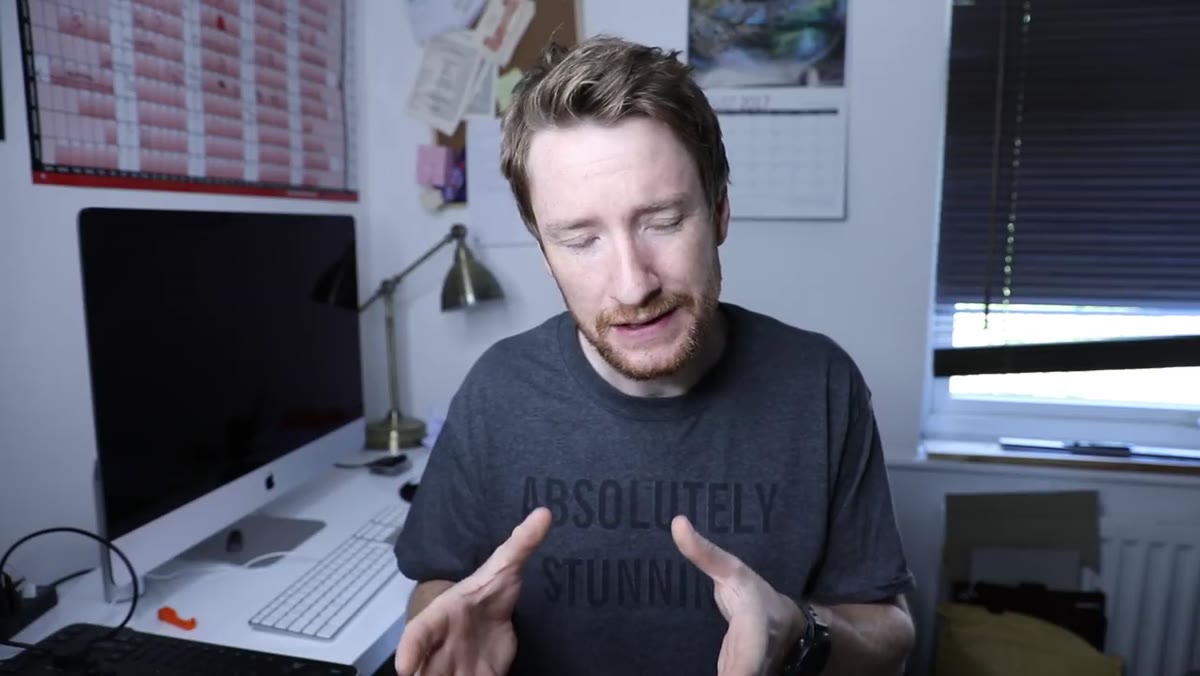 Thomas saying anxiety and phobias cannot be allowed to prevent you moving forward
The final move Heaton makes is the most important one: acknowledging that the anxiety is real, that the risk is real, and then insisting that neither one gets to veto the work. Managed fear is part of the job. Paralysis dressed up as caution is something else.
Thomas saying anxiety and phobias cannot be allowed to prevent you moving forward
The final move Heaton makes is the most important one: acknowledging that the anxiety is real, that the risk is real, and then insisting that neither one gets to veto the work. Managed fear is part of the job. Paralysis dressed up as caution is something else.
The precautions exist so that you can go. You tell someone your plan so you can hike out confidently. You carry the gear so you can focus on the light. The whole point of the preparation is to shrink the fear to a size that doesn’t crowd out the reason you’re out there in the first place.
A Note From My Own Experience in the Field
I shoot out of Bend, Oregon, which means high desert, volcanic terrain, and elevation changes that can catch you off guard. I’ve also learned, slowly, that my fear threshold drops when I’m tired or when the conditions are uncomfortable. Cold hands, low blood sugar, a long drive before a predawn hike: all of these make everything feel more dangerous than it is. Now I treat my own physical state as part of the safety equation. If I’m depleted before the hike starts, I dial back the ambition of the route. The image will still be there when I’m sharp.
The single most important idea in this video is also the simplest one: prepare specifically, rationalize honestly, and then go. Fear managed well doesn’t disappear. It just stops running the show.
Watch the full tutorial on YouTube to hear Heaton work through this in his own voice. It’s a short watch and worth your time, especially if you’ve been finding reasons not to push further into the locations you actually want to shoot.
Comments (3)
Love how you break down complex stuff into manageable steps.
Love this. I referenced a similar technique in one of my recent posts. Always good to see other perspectives.
This is exactly what I needed today. Been struggling with this for weeks.
Leave a Comment