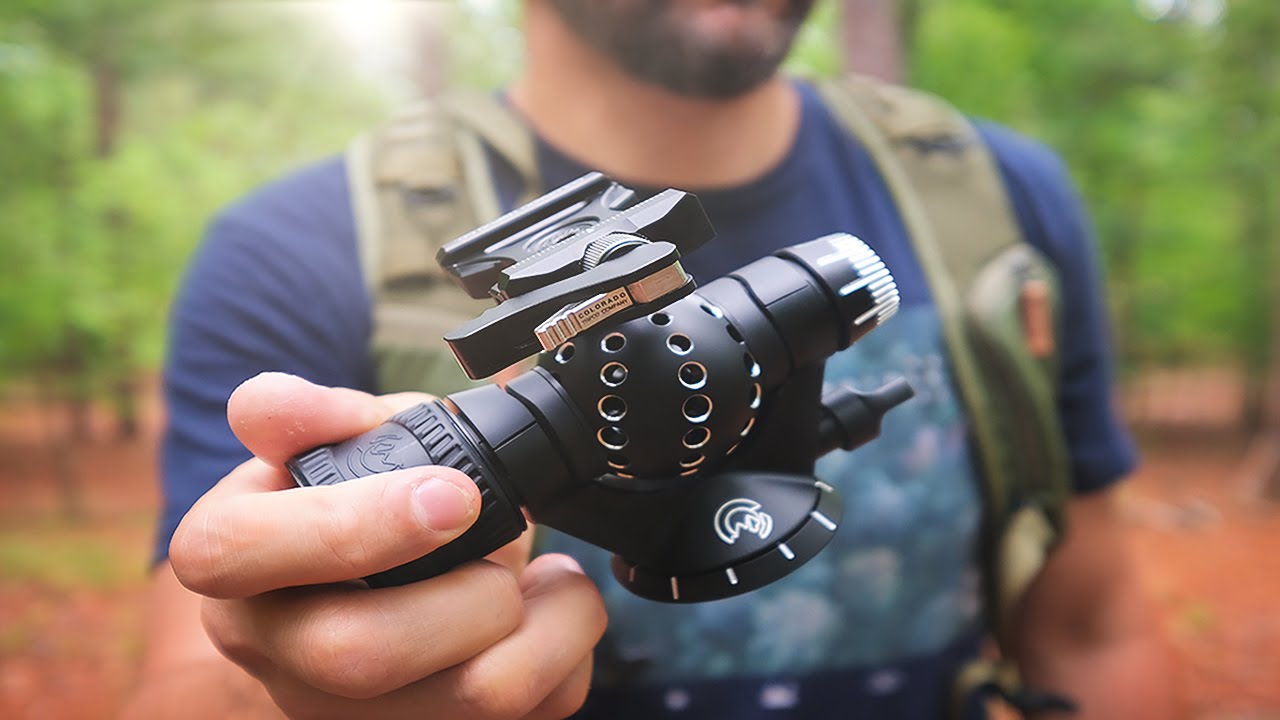
I’ve been standing in cold rivers and on frozen ridgelines before sunrise for two decades, and if there’s one category of gear I’ve historically under-thought, it’s the ball head. Tripods get obsessed over. Filters get debated endlessly on forums. But the ball head, that critical connection point between your camera and the ground, often gets chosen once and then ignored until something goes wrong. I picked my current head years ago and never looked back, not because it was perfect, but because it worked well enough that I stopped asking questions.
That changed when I watched Mark Denney’s recent tutorial on upgrading his own ball head setup after nearly a decade with the same piece of kit. Watch the full tutorial on YouTube. What struck me wasn’t that he found something dramatically better. It’s that he articulated exactly why he’d stopped paying attention to that part of the market, and why that kind of inertia can quietly cost you. If you shoot landscapes seriously, and you haven’t audited your support system lately, this walkthrough is worth your time.
The video is structured as an honest side-by-side comparison of two ball heads: the Really Right Stuff BH-40, which Denney used for roughly seven or eight years, and the newer Aspen Ball Head from Colorado Tripod Company, a pre-production model sent to him for evaluation. He’s not trying to sell you anything. He’s thinking out loud, the way good gear conversations actually go in the field, and that’s what makes it useful.
Step 1: Establish Your Baseline Before Comparing Anything
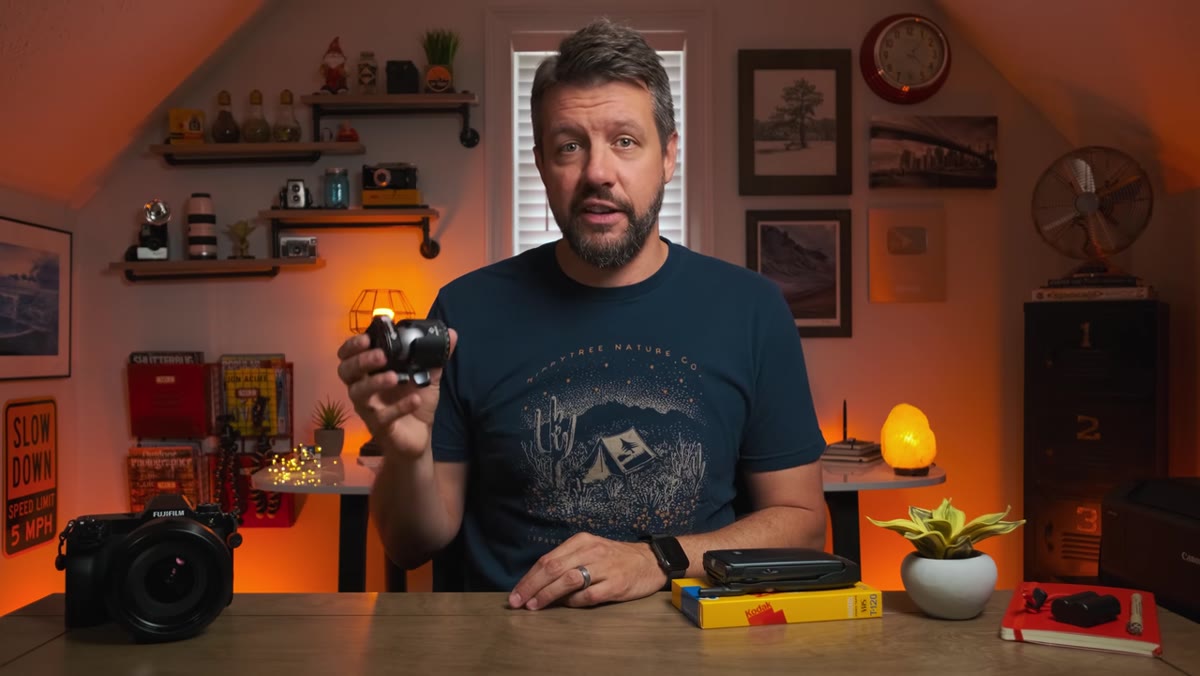 Mark holding the RRS BH-40 ball head
Before you can evaluate a new piece of gear honestly, you need to be clear about what your current gear actually does for you, not what you assume it does. Denney starts by naming the Really Right Stuff BH-40 as his long-term reference point. It’s a compact, well-regarded head that many outdoor photographers use because it balances size, stability, and weight reasonably well. He describes it without nostalgia but also without complaint. It worked. That’s his baseline.
When I’m considering any gear change, I force myself to do the same thing. Write down what your current setup does well, what frustrates you, and what you’ve simply learned to work around. That last category is the honest one. The workarounds are usually where the real upgrade opportunity hides.
Step 2: Understand the Weight-to-Feel Problem
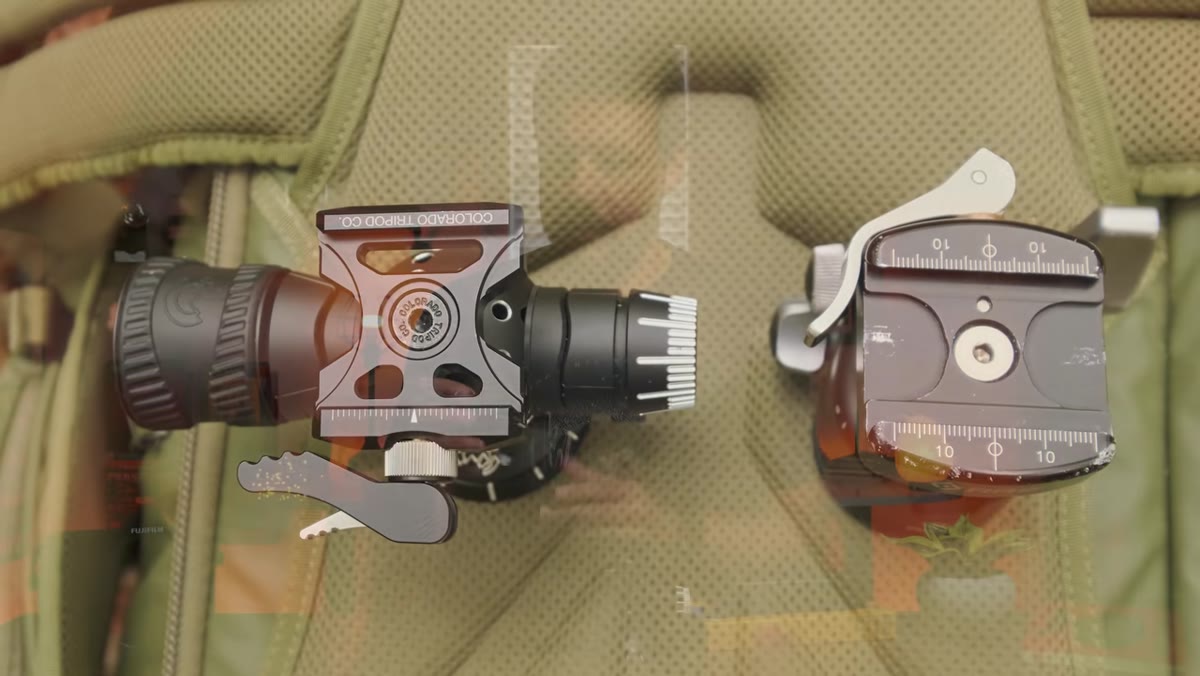 Both ball heads side by side on a table for comparison
One of the more interesting moments in the tutorial is when Denney discusses weight. The BH-40 comes in around 17 ounces. The Aspen Ball Head is lighter at roughly 15 ounces. That’s about a two-ounce difference, which sounds almost meaningless on paper. But Denney says the Aspen feels substantially lighter in hand, not just marginally so.
This points to something real about gear ergonomics: balance and material density affect perceived weight as much as actual weight does. A compact, dense piece of metal will always feel heavier than a slightly larger component made from a hollowed or skeletonized design, even when the scale barely shows a difference. When you’re hiking five miles to a shooting location before dawn, that perception matters. Don’t just read spec sheets. Pick the thing up.
Step 3: Pay Attention to How Hollow or Solid the Ball Is
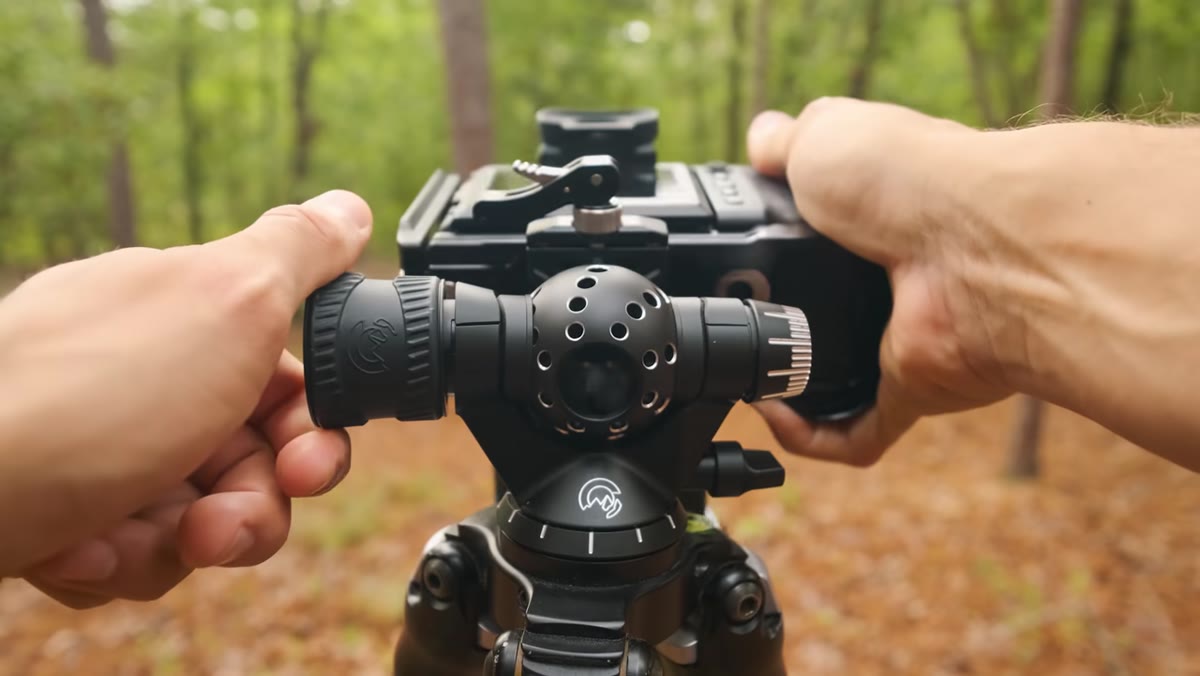 Close-up of the hollowed interior ball of the Aspen head
The engineering detail that clearly gets Denney excited is the ball itself on the Aspen head. Unlike conventional ball heads where the ball is a solid sphere of metal, the Aspen’s ball is hollowed out and features material cutouts throughout. The result is a ball component that contributes significantly less to the overall weight of the head while, in theory, maintaining the structural integrity you need to lock a camera firmly in place.
This is the kind of detail that only matters until it doesn’t, meaning you won’t notice it until you pick up a head that gets it right and suddenly the old design feels outdated. For photographers who prioritize packability, anything that removes mass from the equation without sacrificing lock strength deserves serious attention.
Step 4: Evaluate Aesthetics as a Functional Signal
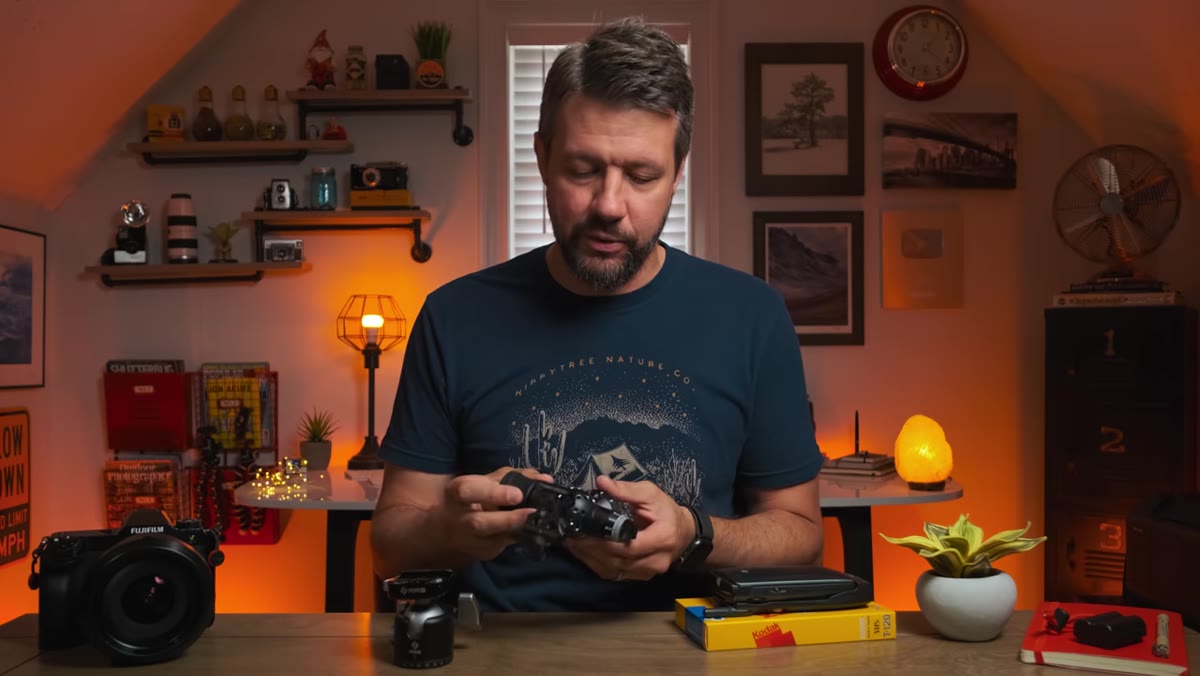 Matte black finish and chrome accents visible on the Aspen head
Denney makes a point of calling the Aspen ball head the best-looking ball head he’s ever seen, and he means it. The matte black finish against the chrome accents isn’t just visual. It’s a signal about manufacturing precision and the level of care put into the product. How something looks at close range tells you something about how it was made.
I’m not suggesting you choose gear based on aesthetics alone. But fit and finish often correlate with build quality tolerances. When a company sweats the details you can see, they tend to sweat the details you can’t. Run your fingers over the knobs. Look at the seams. Notice whether the surface treatment feels deliberate or like an afterthought.
Step 5: Consider Availability and Pre-Order Timing
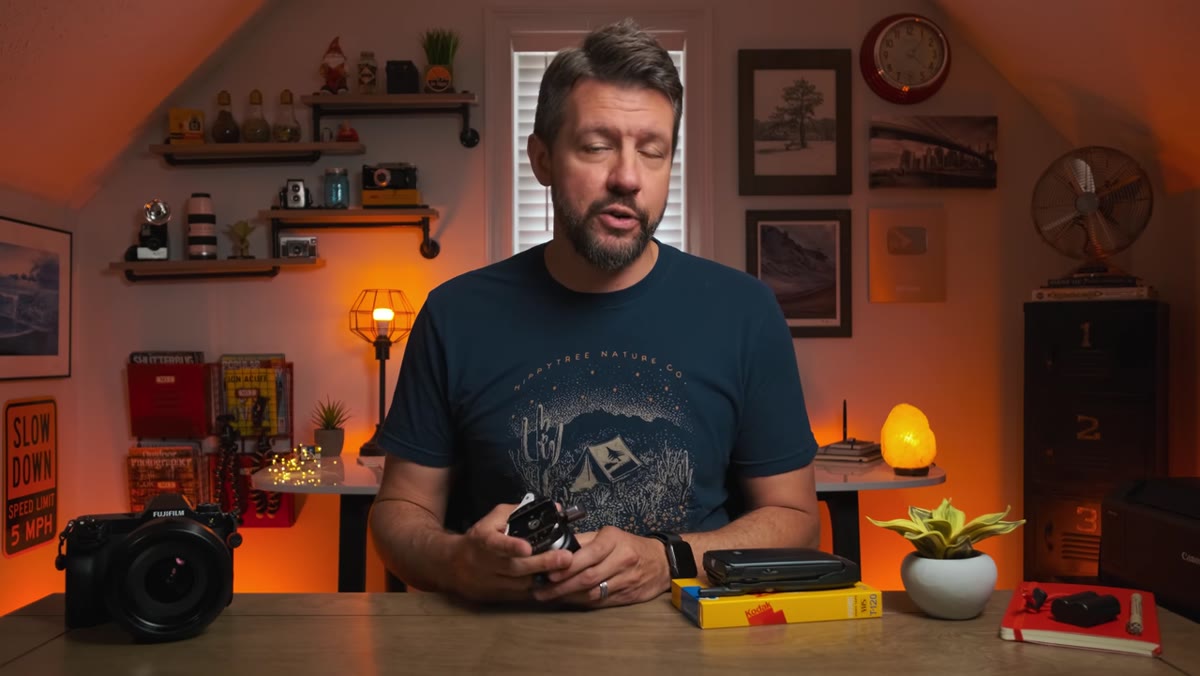 Mark mentioning pre-order availability for the Aspen ball head
Denney notes that the Aspen Ball Head was in pre-production at the time of filming, not yet available for purchase but open for pre-orders. This is a practical consideration that often gets glossed over in gear reviews. Buying into a pre-production product means trusting that the final version will match the prototype.
My general rule: if a company has a solid reputation for delivering on pre-orders and the product comes recommended by someone who shoots in conditions similar to yours, the wait can be worth it. If you’re chasing a brand with no track record, hold off. Denney’s endorsement here carries weight because he’s explicit that he’s been sent a pre-production model and is saying so up front.
What I’d Add From My Own Experience
After twenty years of shooting, I’ve gone through more support configurations than I can count. One thing the tutorial doesn’t cover, understandably since it’s not a long-term use review, is how a ball head performs after real exposure to field conditions. Sand, salt spray, sub-freezing temperatures, and repeated wet-dry cycles will test any head in ways a living room comparison cannot.
Before committing to any new ball head, I’d recommend looking specifically for long-term user reports from photographers shooting in your climate. A head that feels brilliant in a temperate environment may develop stiff knobs or corroded threads after two seasons in a humid coastal zone. Ask the hard questions before the warranty period expires.
The single most useful takeaway from Denney’s tutorial is this: the ball head is not a set-it-and-forget-it decision. It’s a load-bearing piece of precision equipment that deserves the same deliberate evaluation you give your glass or your tripod legs. Most of us, myself included, have coasted on whatever we started with for longer than we should. Use this video as the nudge to actually look at what you’re working with.
Watch the full tutorial on YouTube to see Denney’s hands-on comparison and hear about the giveaway he announces at the end.
Comments
Leave a Comment