Show Up Anyway: What Thomas Heaton's Mountain Morning Taught Me About Fleeting Light

Show Up Anyway: What Thomas Heaton's Mountain Morning Taught Me About Fleeting Light

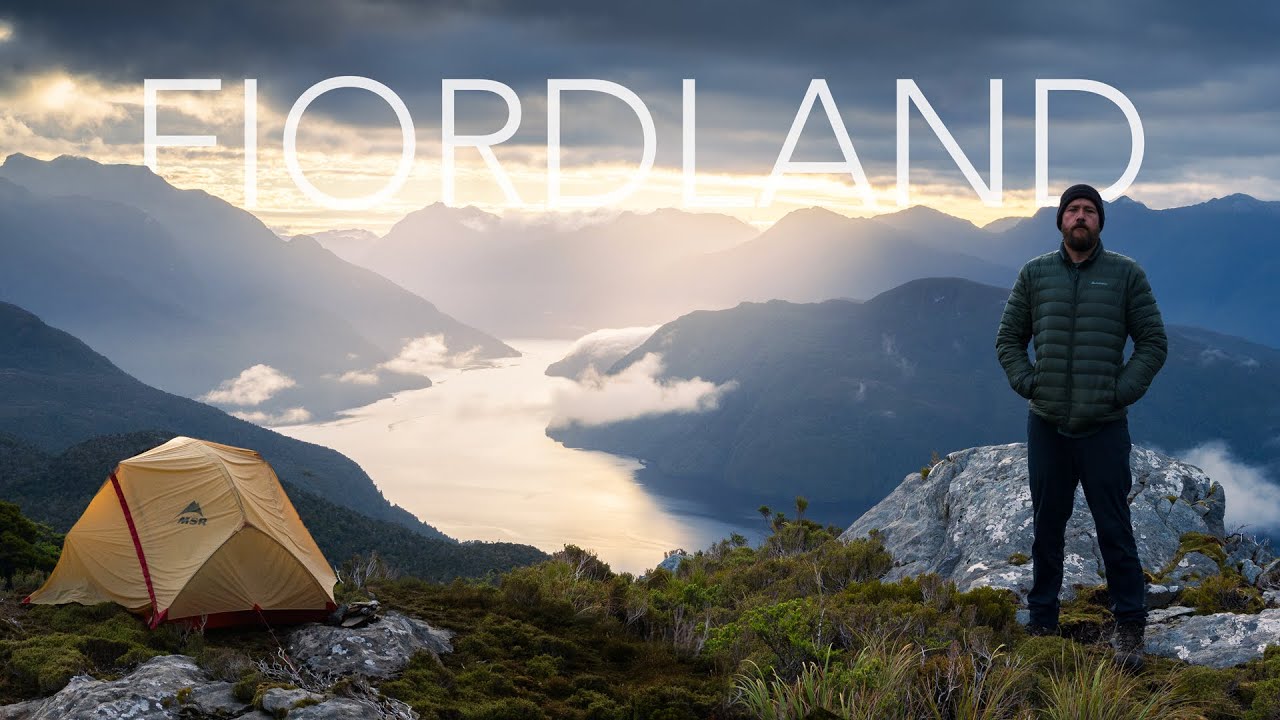
There’s a particular kind of dread that every landscape photographer knows. You wake before dawn, check the window, and see nothing but a gray wall of mist. After six hours of hiking the day before, the warm sleeping bag makes a compelling argument. This is the moment that separates the frames you’ll sell from the ones you’ll never take. I’ve been dragging myself out of bed at four in the morning for two decades, and I still have to actively talk myself into it on mornings like that.

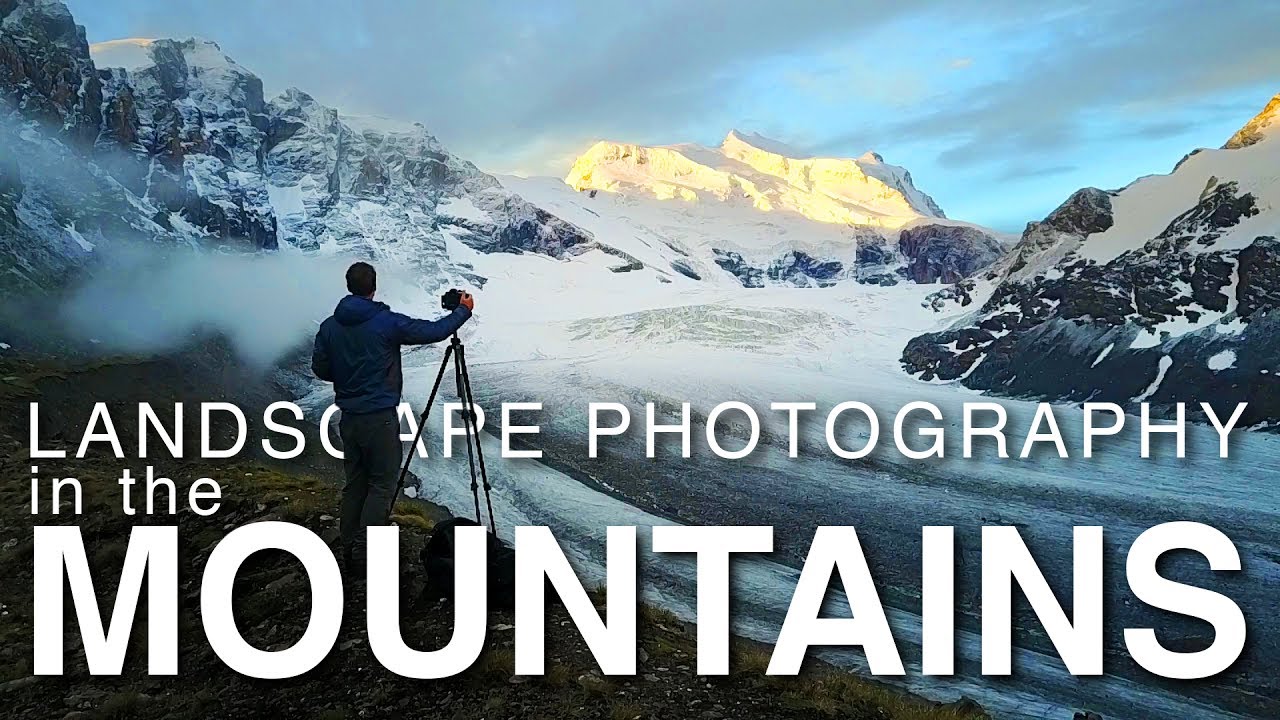
Why the Best Mountain Light Lasts Three Minutes (And How to Be Ready When It Hits)

Why the Best Mountain Light Lasts Three Minutes (And How to Be Ready When It Hits)

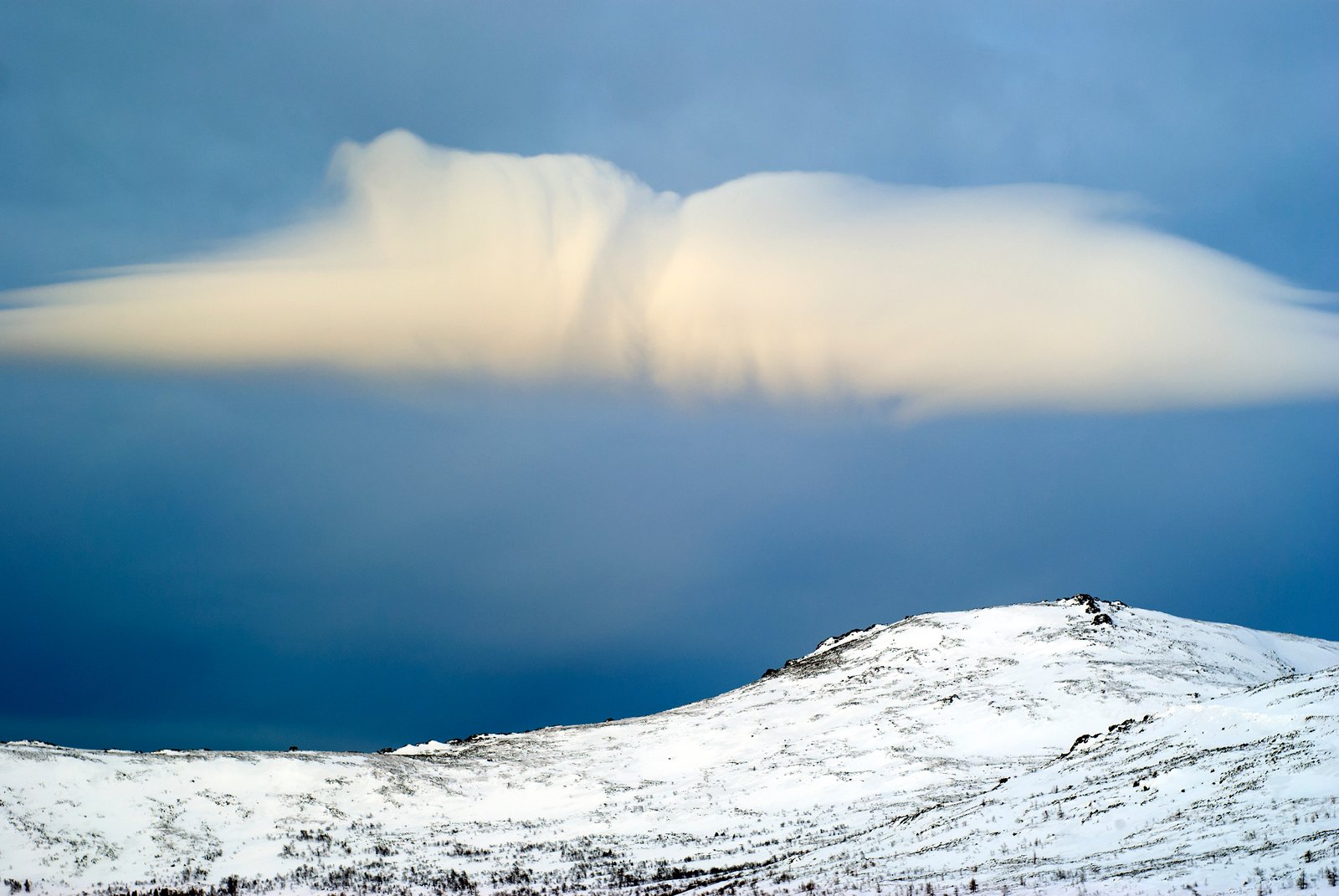
I had been watching that ridgeline for two hours before anything happened. My thermos was empty, my fingers were stiff inside my gloves, and the alpenglow I had driven four hours to catch was looking like a no-show. Then, in about the time it takes to pour a cup of coffee, the clouds parted, the light hit the snow, and the whole face of the mountain turned a color I can only describe as burning copper.

Why Mountain Light Lies to Your Camera (And What to Do About It)

Why Mountain Light Lies to Your Camera (And What to Do About It)

The alarm doesn’t go off at 4am because I don’t set one. I’m already awake, already calculating whether the cloud cover from the night before has broken, already thinking about whether the light I drove toward is still worth chasing. Last October I was parked at a trailhead outside Sisters, Oregon, headlamp on, boots laced, staring at a sky that had gone completely wrong. The forecast had called for a clear sunrise window.