The Silent Language of Lines: Mastering Landscape Composition in the Field

The Silent Language of Lines: Mastering Landscape Composition in the Field

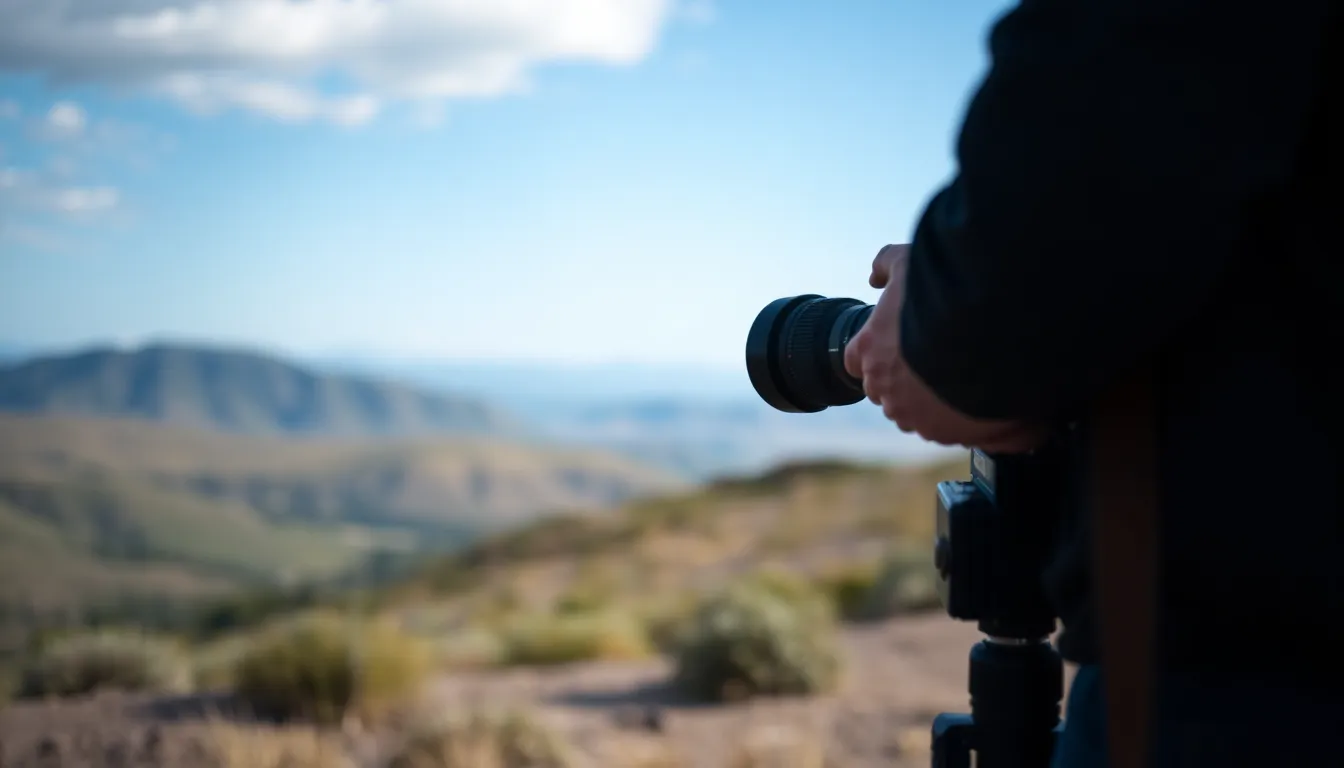
Standing Before the Moment There’s a particular kind of silence that comes when you’re alone in a landscape with your camera. The light is changing. Your feet are sore. And you’re staring at a vista that your eyes find beautiful, but your viewfinder won’t quite capture it—at least, not yet. This is where composition matters most. Not as a rule book, but as a conversation between what you see and how you translate it into an image that others can feel.

The Language of Lines: Mastering Landscape Composition in the Field

The Language of Lines: Mastering Landscape Composition in the Field

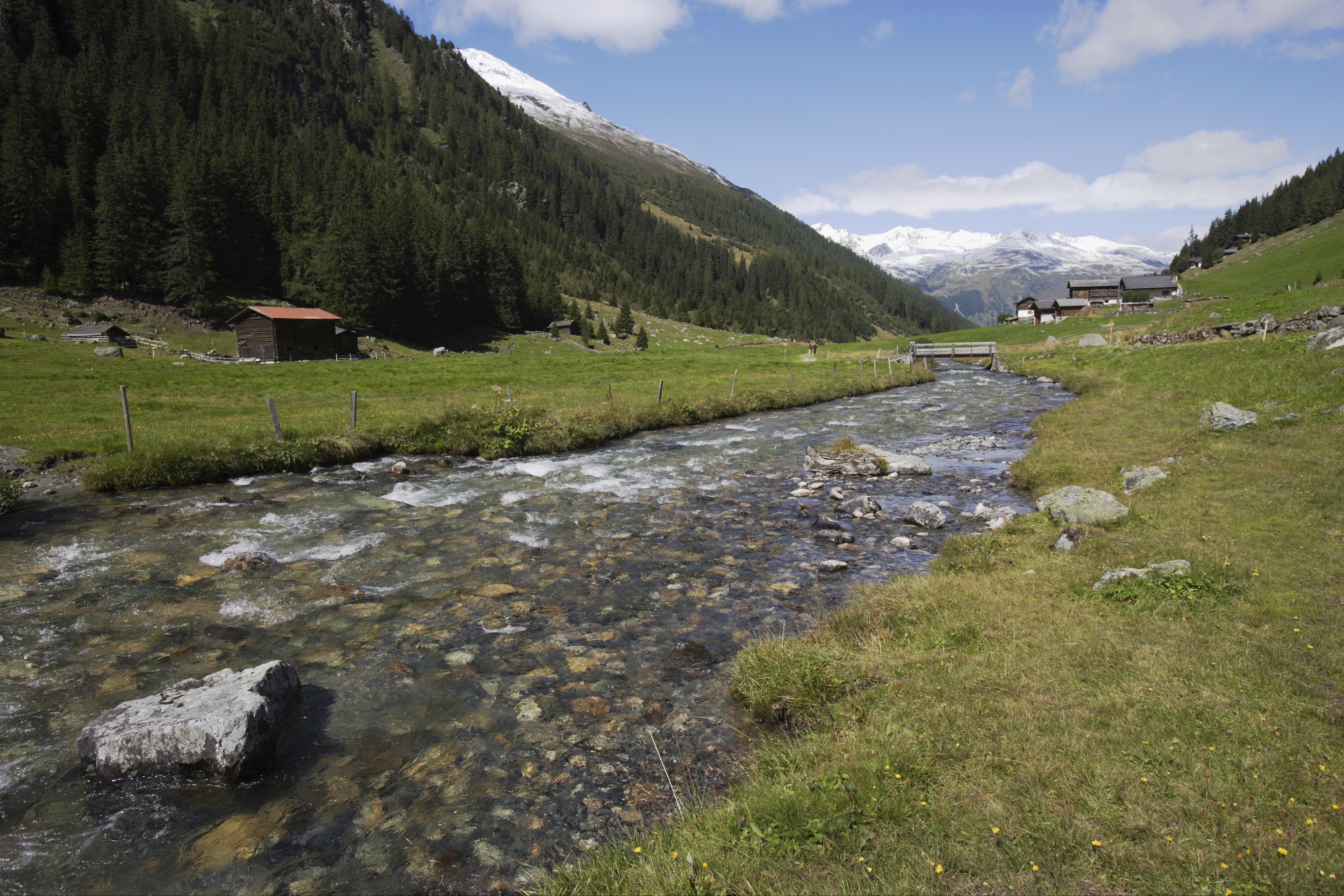
The Language of Lines: Mastering Landscape Composition in the Field I’m standing knee-deep in cold stream water at dawn, camera raised, and I realize I’ve been staring at the same scene for ten minutes without taking a single frame. The light is perfect. The mountains are there. The wildflowers are blooming. Yet something feels incomplete, unsettled. This is the moment composition becomes real—not theory, but the physical act of arranging visual elements until they sing together.

The Art of Visual Hierarchy: Composing Landscapes That Draw the Eye

The Art of Visual Hierarchy: Composing Landscapes That Draw the Eye

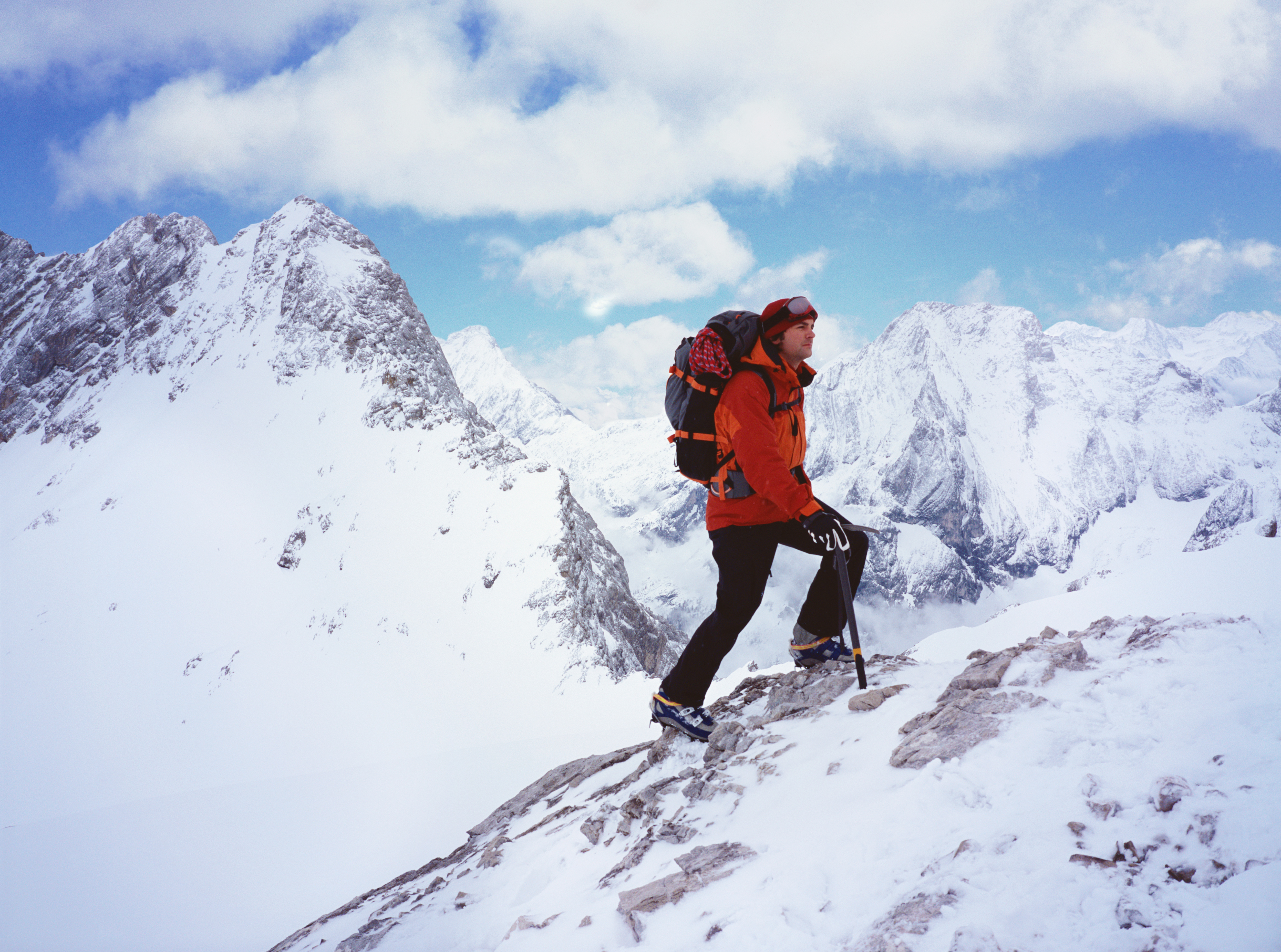
I’m standing on a rocky ridge at dawn, camera in hand, faced with an overwhelming vista. Mountains stretch endlessly. A river winds through the valley. Clouds billow overhead. Everything is beautiful. Everything demands attention. And that’s precisely the problem. The most common mistake I made in my early years was trying to capture everything—believing that more detail meant a stronger photograph. What I learned, through countless hours in the field, is that the strongest images aren’t the ones that show the most.

The Art of Landscape Composition: Finding Order in Wild Places

The Art of Landscape Composition: Finding Order in Wild Places

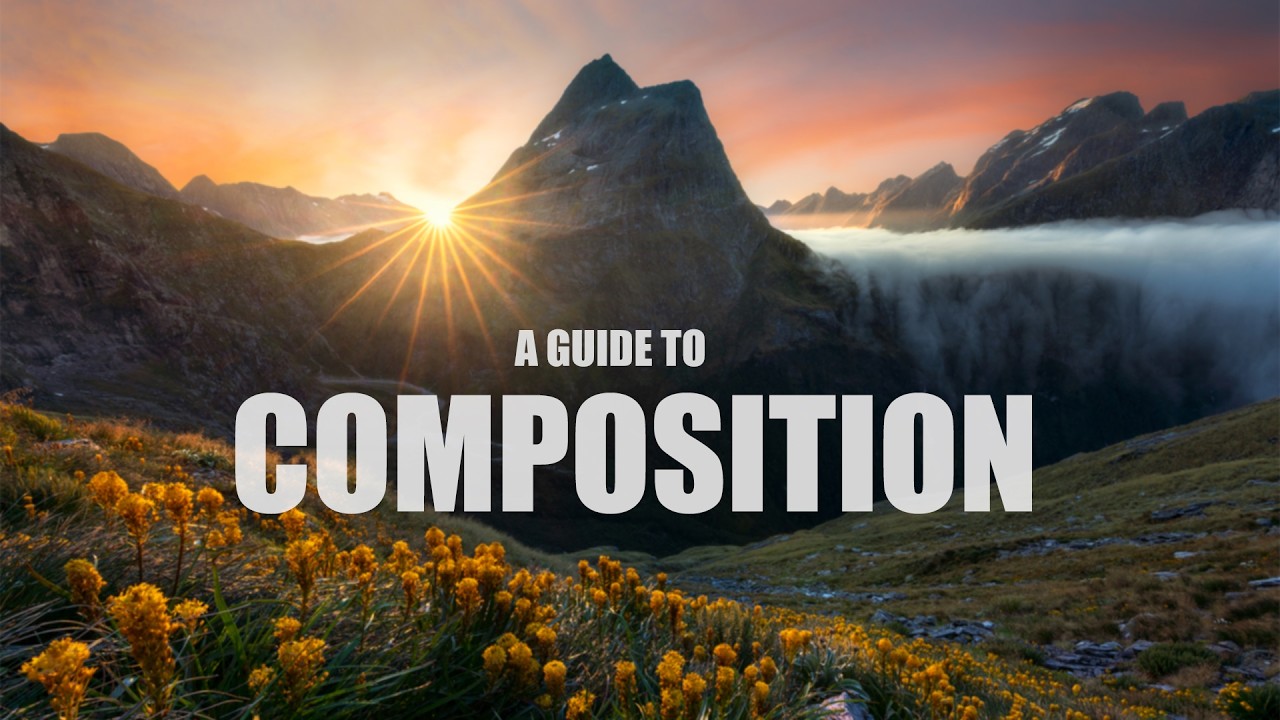
The Art of Landscape Composition: Finding Order in Wild Places I’ve stood in countless remote locations—high mountain passes at dawn, coastal cliffs battered by wind, quiet valleys shrouded in mist—and learned that having access to beautiful scenery is only half the battle. The real challenge lies in translating what moves you emotionally into a photograph that moves others the same way. Composition is the language that makes this translation possible. It’s not about rigid rules; it’s about understanding how to arrange visual elements so that viewers’ eyes follow your intended path through the frame.

The Art of Landscape Composition: Building Frames That Tell Stories

The Art of Landscape Composition: Building Frames That Tell Stories

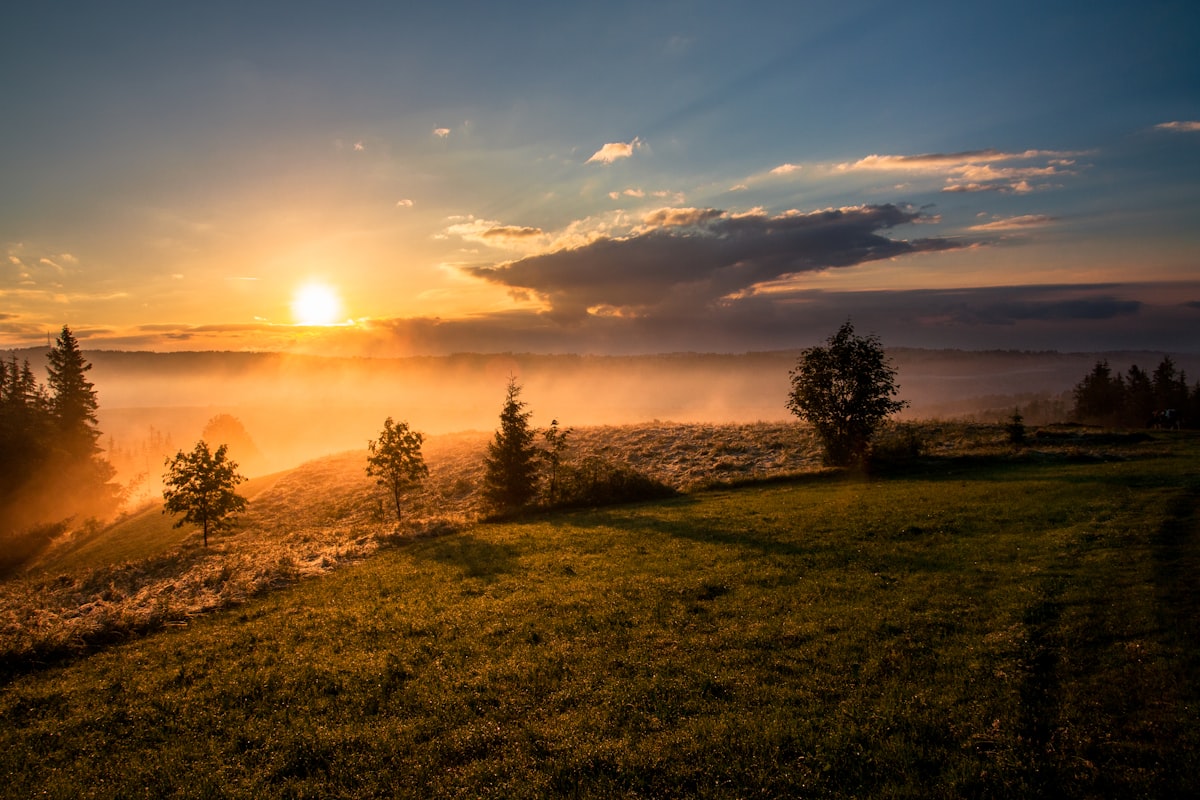
The Art of Landscape Composition: Building Frames That Tell Stories I’ve spent countless hours standing in meadows at dawn, watching mist curl through valleys while the light turns everything golden. In those moments, I’ve learned that composition isn’t something you impose on a landscape—it’s something you discover within it. The difference between a forgettable snapshot and a photograph that stops people in their tracks comes down to how deliberately you arrange what’s in front of you.

Nigel Danson's 5 Composition Techniques That Actually Work

Nigel Danson's 5 Composition Techniques That Actually Work

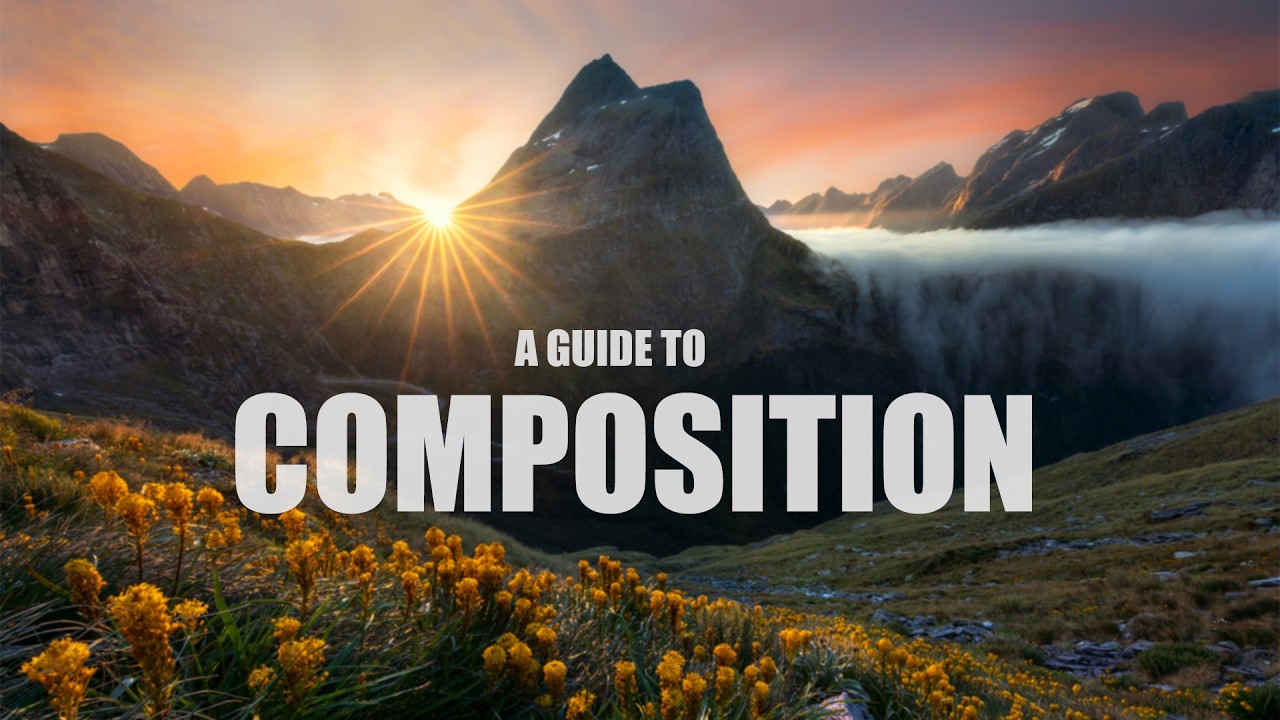
Composition advice is everywhere, and most of it says the same thing: rule of thirds, leading lines, put something interesting in the foreground. Nigel Danson’s latest video cuts through the noise by focusing on the five techniques that made the biggest measurable difference in his own work — not textbook theory, but field-tested approaches he returns to again and again. What I appreciate about Danson’s teaching style is the directness. He shows his own images, explains what compositional decision he made and why, and doesn’t dress it up with unnecessary jargon.

Finding Balance: The Art of Landscape Composition

Finding Balance: The Art of Landscape Composition

Finding Balance: The Art of Landscape Composition I’ve spent countless mornings standing in damp grass, camera in hand, staring at a vista that moved me deeply—only to review the images later and feel disappointed. The scene was breathtaking in person, but something was missing from the frame. It took me years to understand that what I was struggling with wasn’t technical skill. It was composition. Composition is the invisible architecture of a photograph.

Finding Balance in the Frame: The Art of Landscape Composition

Finding Balance in the Frame: The Art of Landscape Composition

Finding Balance in the Frame: The Art of Landscape Composition I’ve spent countless mornings standing in frost-covered fields, watching light transform an ordinary hillside into something extraordinary. But I’ve learned that even the most beautiful light can’t save a poorly composed image. The strongest landscape photographs balance technical skill with intentional visual structure—and that structure begins long before you press the shutter. The Three-Layer Approach When I arrive at a location, I resist the urge to immediately frame a shot.