Making the Most of Clear Skies at Sunset: What Most Photographers Get Wrong

Making the Most of Clear Skies at Sunset: What Most Photographers Get Wrong

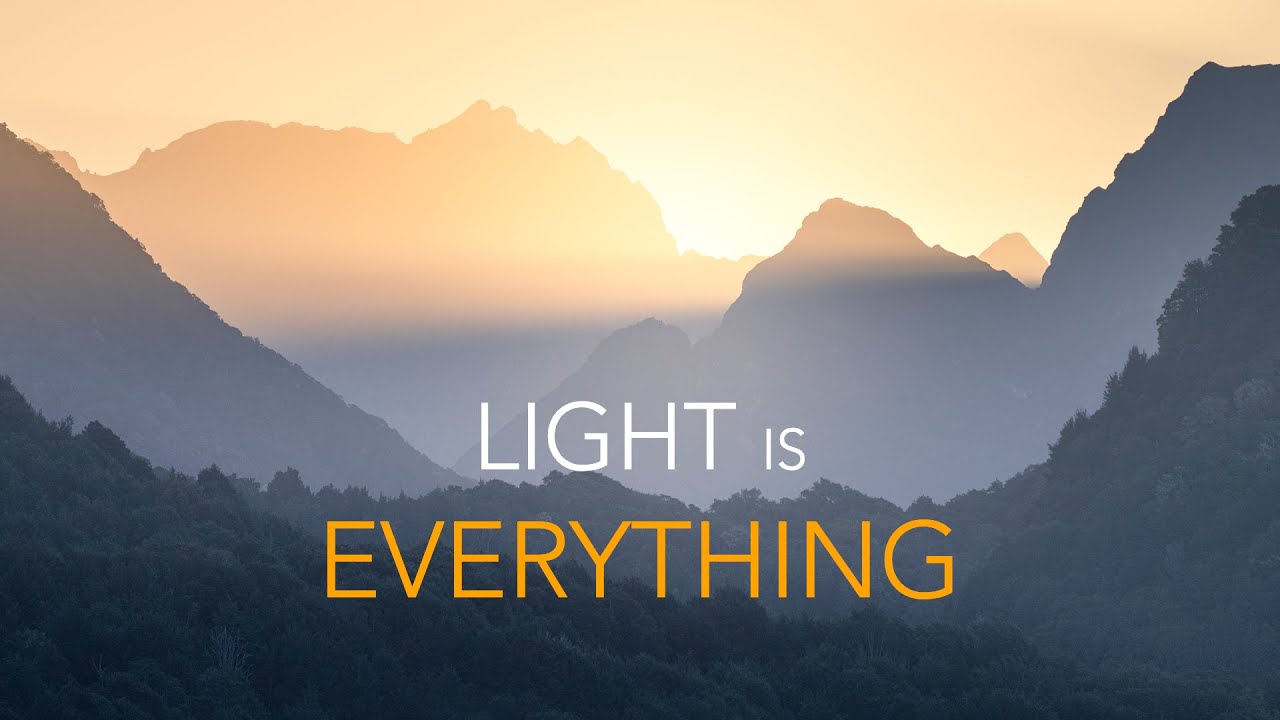
I’ve driven to locations in perfect pre-dawn darkness, set up my tripod with shaking hands, and watched the sky do absolutely nothing. No clouds, no drama, no color - just a clean blue dome fading into orange and then gone. Most photographers I know pack up and head home early when that happens. For years, I did too. The assumption runs deep in this community: no clouds means no shot. But after two decades of shooting landscapes full-time, I’ve learned that assumption costs you images.
Why Forest Photography Breaks Your Meter (And How to Shoot It Anyway)

Why Forest Photography Breaks Your Meter (And How to Shoot It Anyway)

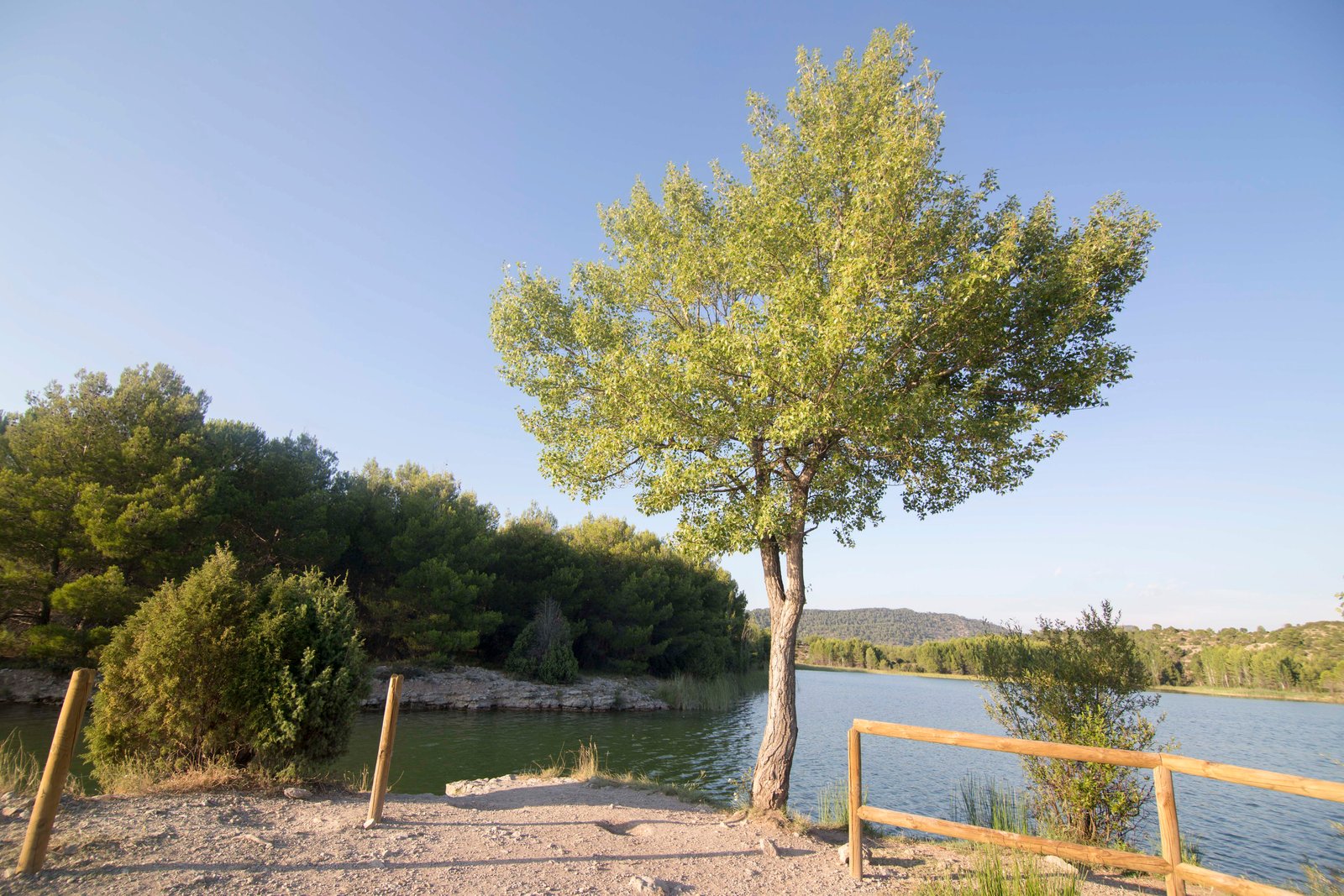
There’s a particular kind of frustration that comes from standing in a cathedral of old-growth Douglas fir at golden hour, the light doing something genuinely extraordinary through the canopy, and watching your histogram blow out in six different places at once. I’ve been shooting landscapes full-time for two decades, and forests still give me more trouble per square foot than any other environment. Open alpine, coastal, desert slot canyons - those have hard rules you can memorize.

Reading the Sky: Mastering Weather Photography in the Field

Reading the Sky: Mastering Weather Photography in the Field

Reading the Sky: Mastering Weather Photography in the Field I’ve spent countless hours standing in rain, wind, and fog waiting for light that most photographers would abandon their positions to escape. Weather photography isn’t about enduring discomfort—it’s about understanding that dramatic atmospheric conditions create the most compelling landscape images. Over years in the field, I’ve learned that the real skill lies not in owning specialized gear, but in reading conditions and positioning yourself for the decisive moment.