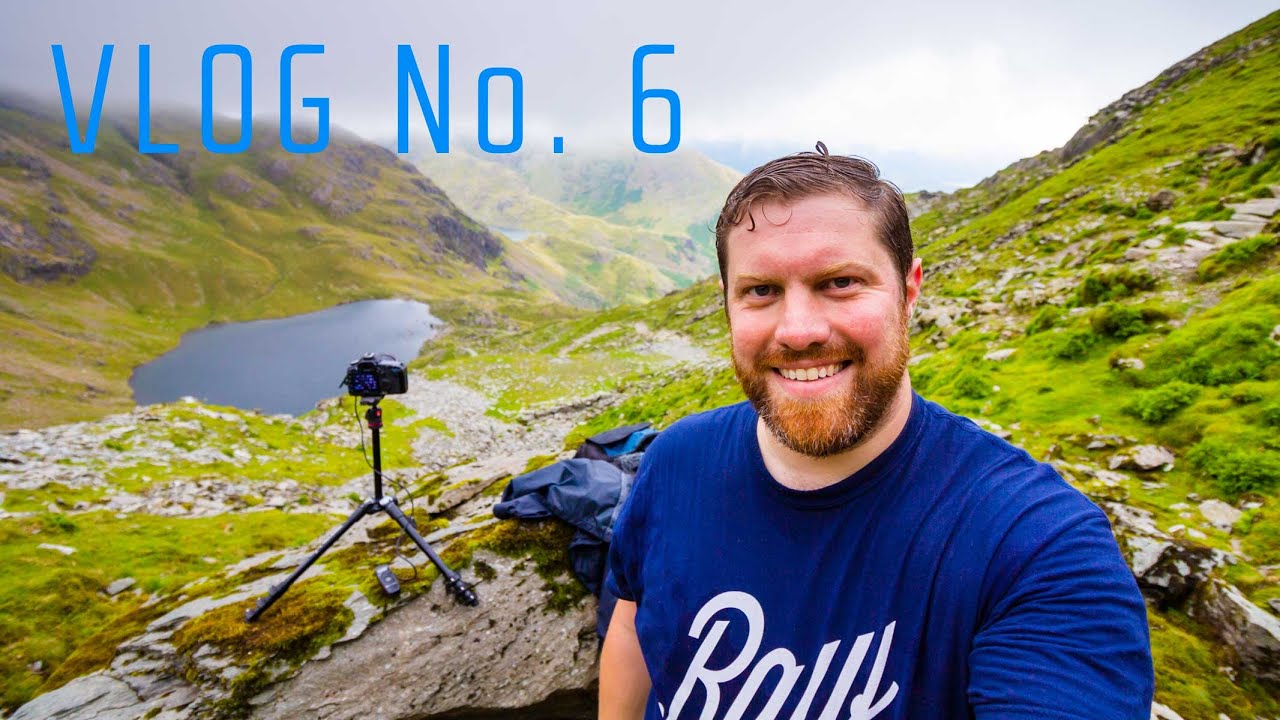
Rolling With the Punches: Field Lessons From a Day at Coniston Water

Rolling With the Punches: Field Lessons From a Day at Coniston Water

There is a particular kind of frustration that only landscape photographers know. You research a location for weeks. You study the light, the angles, the foreground elements. You drive hours before dawn, boots already on your feet, and you arrive to find that something has changed. A fence went up. A jetty got modified. The shot you planned is simply gone. What you do in that moment, in my experience, is the difference between a photographer who grows and one who stagnates.
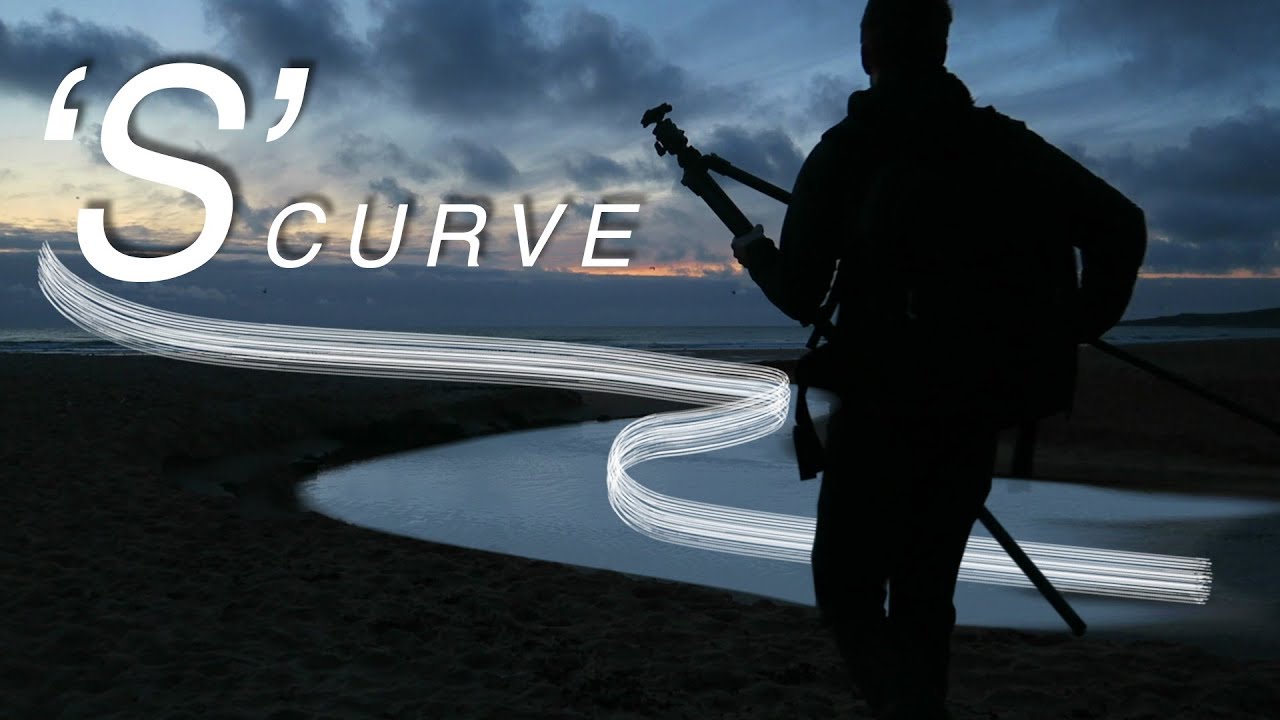
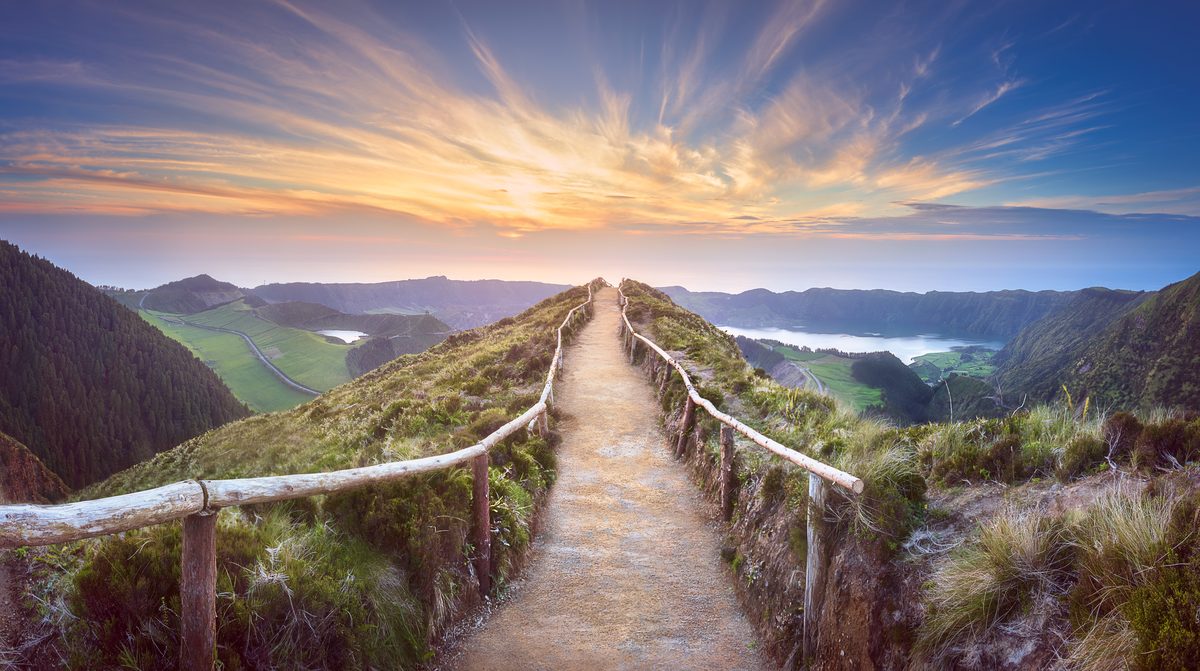
How to Find and Shoot an S-Curve Composition When the Light Fails You

How to Find and Shoot an S-Curve Composition When the Light Fails You

I’ve stood on enough beaches, ridgelines, and river banks at 4am to know that the light you planned for rarely shows up on time. Sometimes it doesn’t show up at all. After two decades of this, I’ve stopped treating a failed sunrise as a failed shoot. The question I ask now is: what does the scene still have? And more often than not, if I look at my feet instead of the sky, the answer is a strong lead-in line.

Composition in Landscape Photography: Beyond the Rule of Thirds

Composition in Landscape Photography: Beyond the Rule of Thirds

The rule of thirds is where most photographers start learning composition, and there is nothing wrong with it. Placing your horizon on the upper or lower third line and positioning key elements at intersection points produces balanced, readable images. But staying there forever limits what your photographs can communicate. Here are the composition tools I use most often in the field, and how they work together. Leading Lines Lines guide the viewer’s eye through the frame.