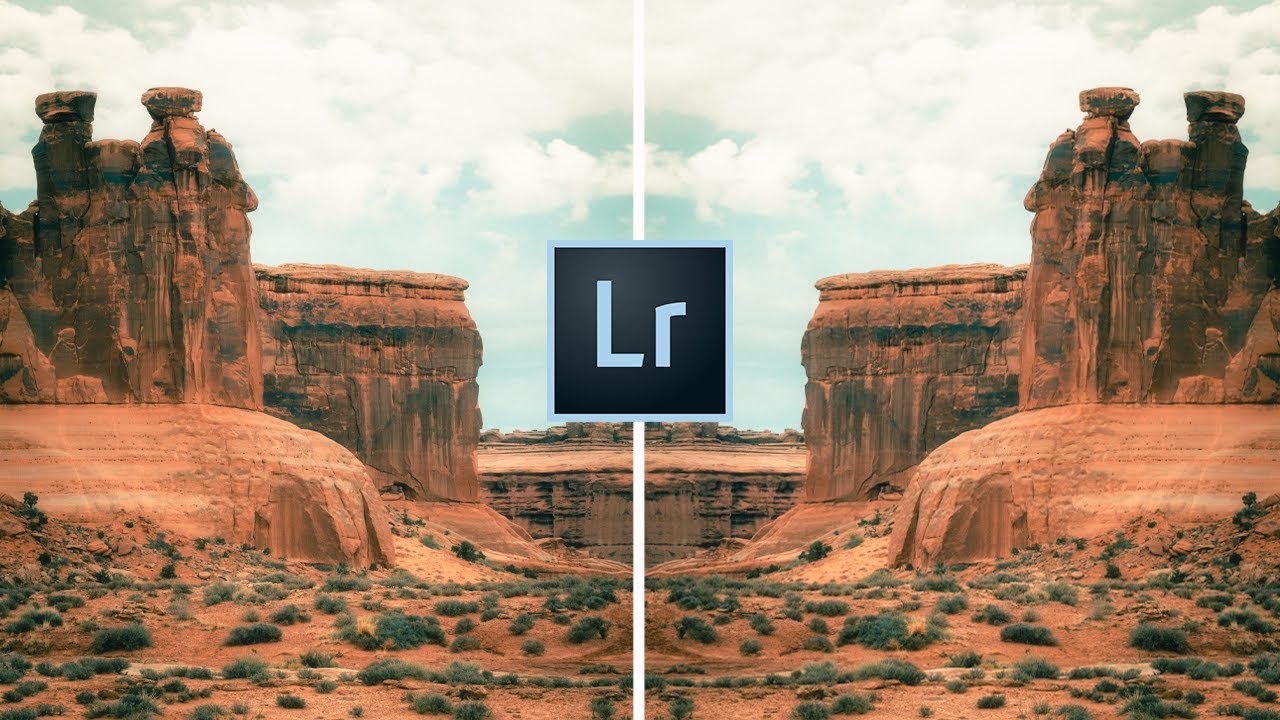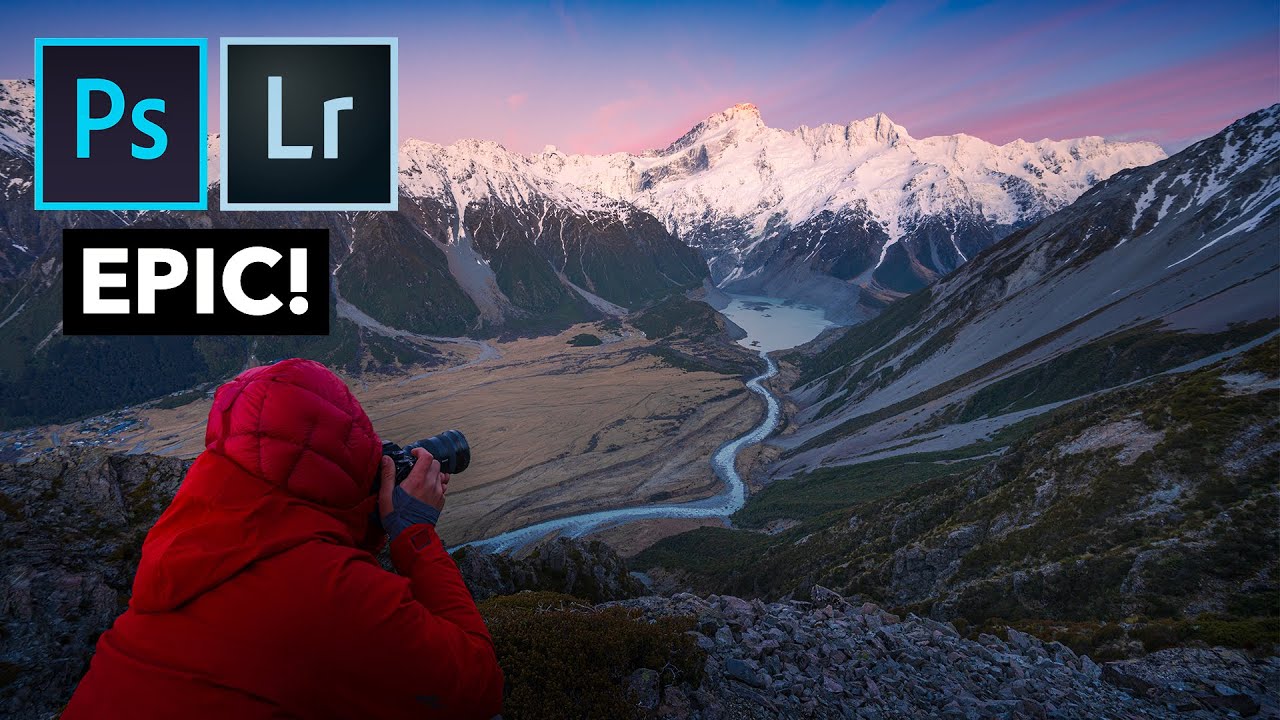
Hiking In, Sleeping Rough, and Focus Stacking at Sunrise: Lessons from William Patino's Alpine Workflow

Hiking In, Sleeping Rough, and Focus Stacking at Sunrise: Lessons from William Patino's Alpine Workflow

There’s a kind of shot that can’t be rushed and can’t be faked. You know the one. A mountain face catching first light, foreground plants sharp as a pin, sky still holding a blush of pre-dawn color, depth stretching from your boots to the horizon. I’ve been chasing that shot for two decades, and the honest truth is that the technical side, the focus stacking, the Lightroom processing, is usually the easier half.

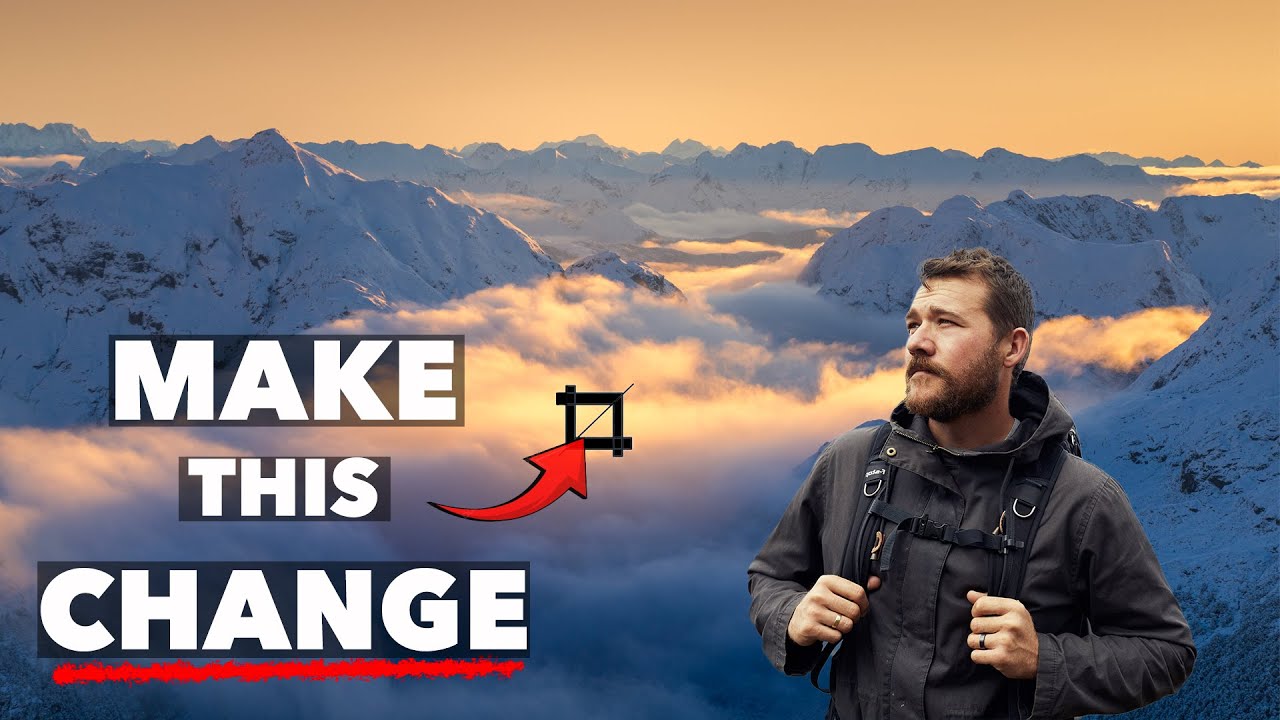
How to Read a Landscape Photo Like a Pro: Composition and Color Critique Lessons from the Field

How to Read a Landscape Photo Like a Pro: Composition and Color Critique Lessons from the Field

There’s a particular kind of humility that comes from having another photographer look at your work and quietly point out what you couldn’t see yourself. I’ve sat on both sides of that table over the years, and I’ll tell you honestly, the critique session is where real growth happens. Not in the field, not in the edit, but in that uncomfortable moment when someone you respect says, “What if you cropped here instead?

Block the Sun With Your Finger: A Dead-Simple Trick for Cleaner Sunset Exposures

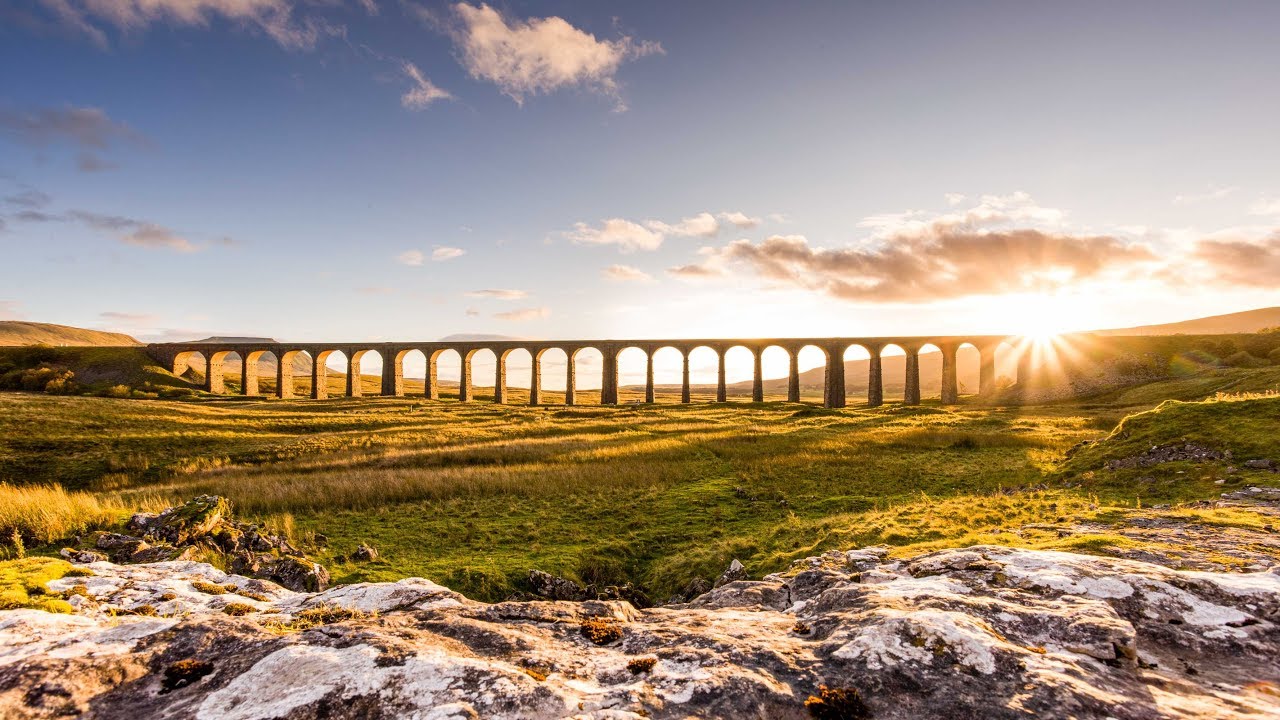
Block the Sun With Your Finger: A Dead-Simple Trick for Cleaner Sunset Exposures

Shooting directly into the sun is one of those things I keep telling myself I’ll figure out properly, and then I get to the location, the light starts doing something extraordinary, and I just start firing frames and hope for the best. After twenty years of this, I have better instincts than I used to, but the two core problems never go away: the sky is always brighter than the foreground, and pointing your lens at the sun is an invitation for flare that can quietly destroy an otherwise strong image.

Two Focal Points, Warm Casts, and Wandering Eyes: What Your Aurora Shots Are Probably Getting Wrong

Two Focal Points, Warm Casts, and Wandering Eyes: What Your Aurora Shots Are Probably Getting Wrong

Critique is uncomfortable. I’ve been shooting full-time for twenty years and I still feel it, that slight tightening in the chest when someone picks apart an image I was proud of in the field. But critique is also, consistently, the fastest way I’ve ever improved. Not the vague kind, where someone tells you an image “feels busy,” but the specific, actionable kind where someone sits down with your file and says: here’s exactly what’s pulling the eye the wrong direction, and here’s how to fix it.

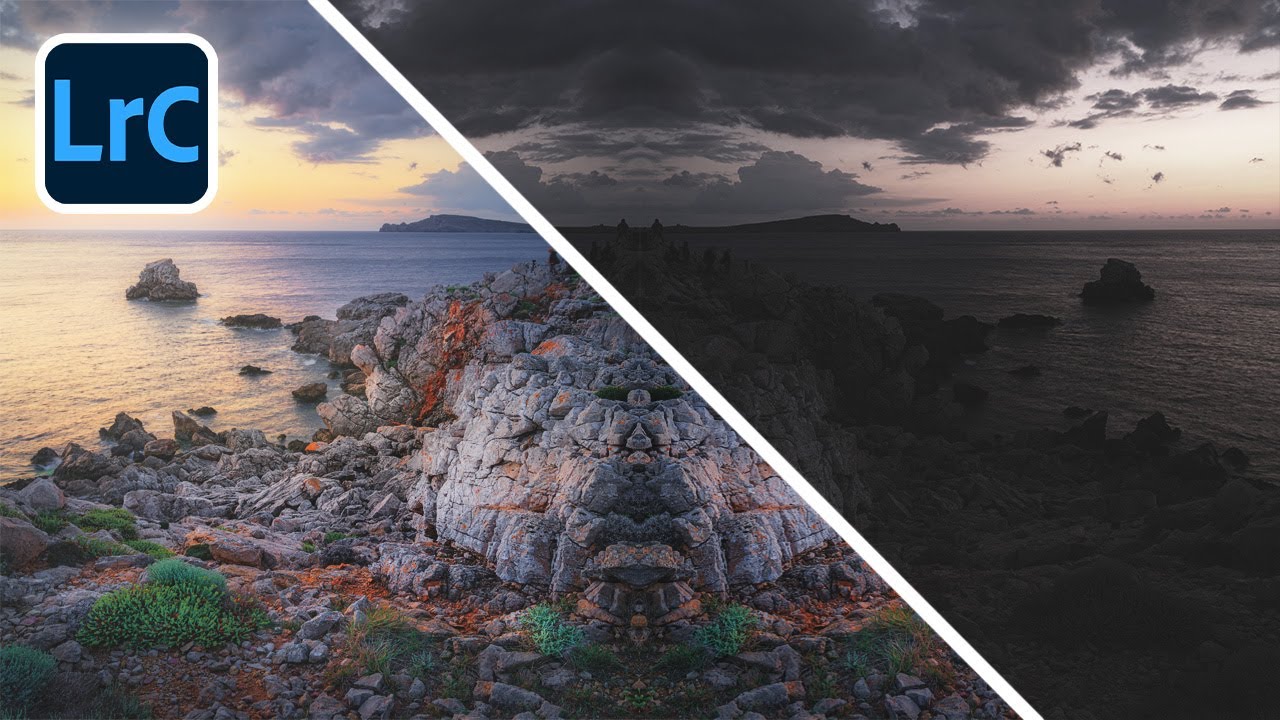
Rescuing the Blown Sky: A Lightroom Workflow for Harsh-Light Landscapes

Rescuing the Blown Sky: A Lightroom Workflow for Harsh-Light Landscapes

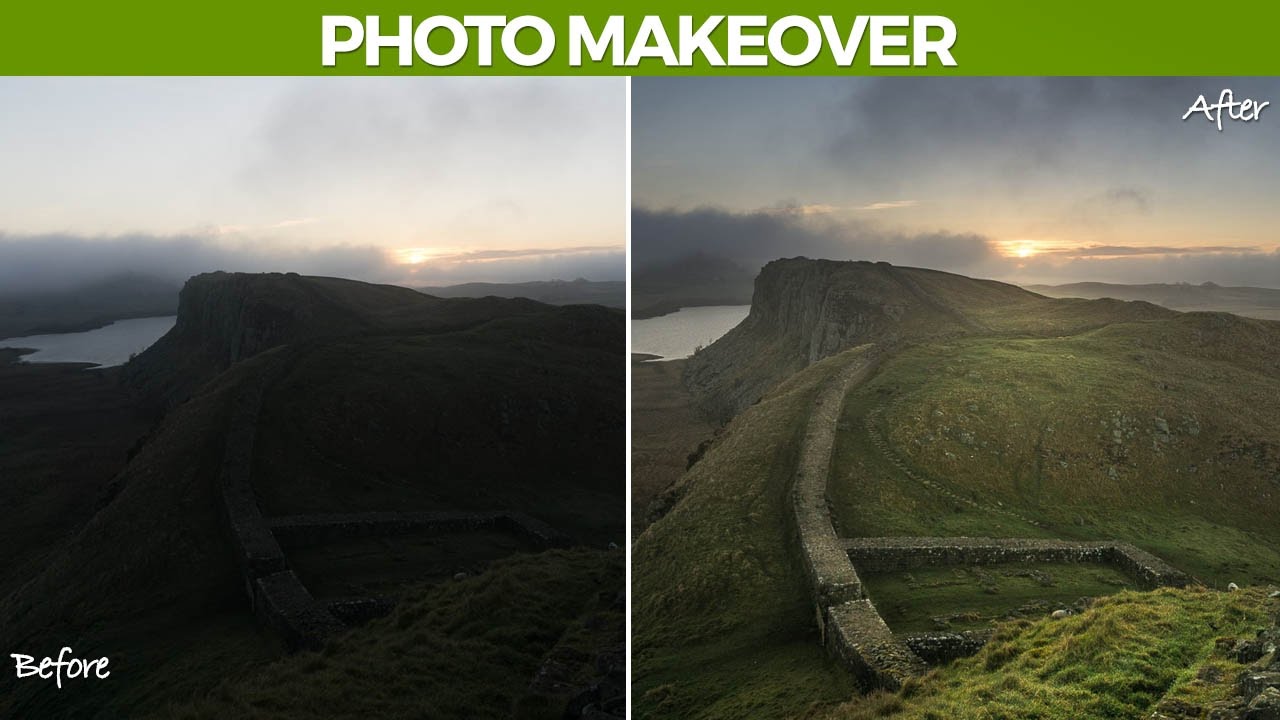
There’s a specific kind of frustration that comes from standing in front of a beautiful scene, knowing your camera can’t hold it all. The sky is blazing, the foreground is buried in shadow, and you’re forced to pick one exposure and compromise on everything else. I’ve stood in that position more times than I can count over the past two decades, and honestly, the feeling never entirely goes away. What does change is how confident you are that you’ll fix it later.

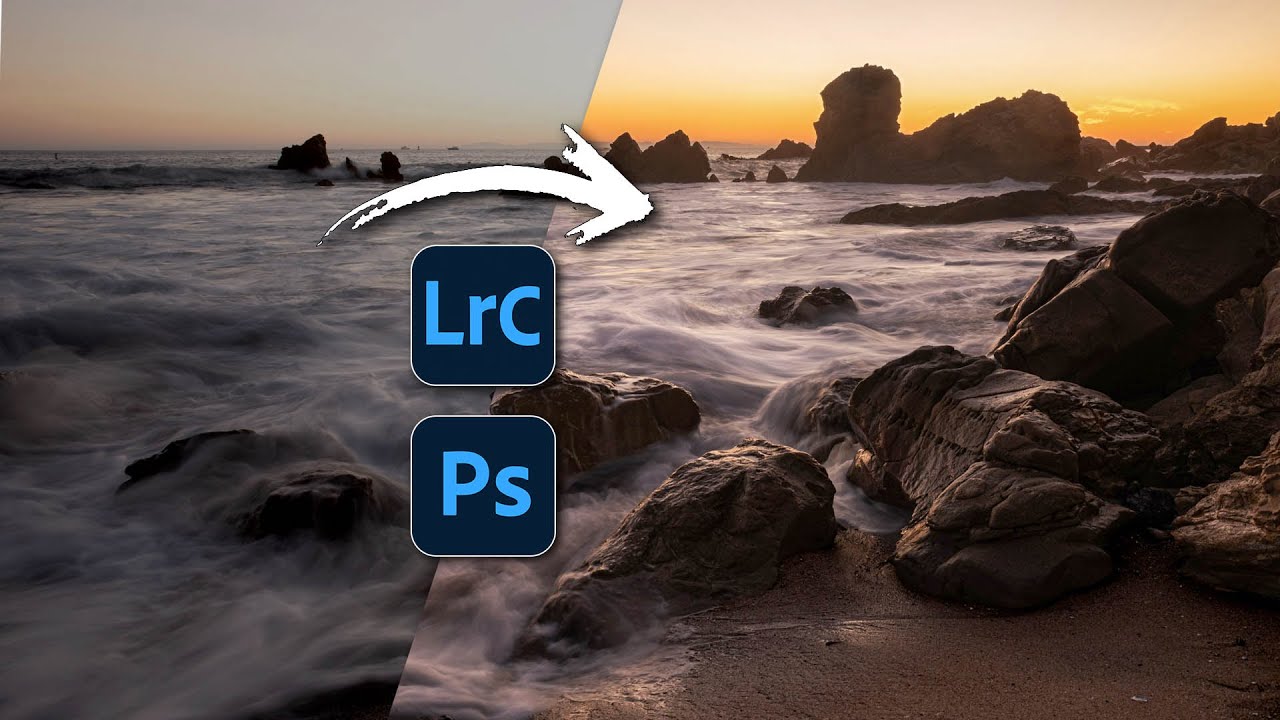
From Flat to Finished: A Complete Lightroom Edit Workflow for Coastal Landscape Photos

From Flat to Finished: A Complete Lightroom Edit Workflow for Coastal Landscape Photos

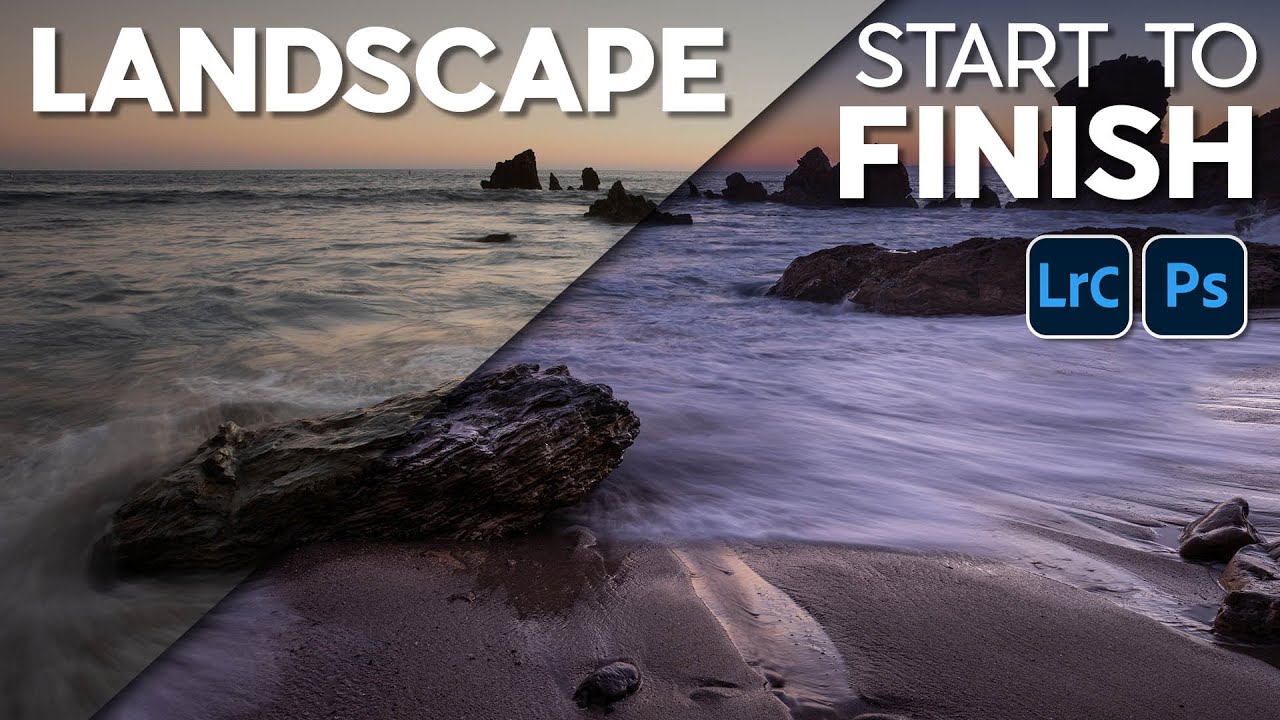
There is a particular kind of frustration that comes from standing on a California coastal bluff at golden hour, watching the light do something genuinely spectacular, and then sitting down at your desk the next morning to find that your raw file looks like a faded postcard. The camera captured the exposure. It did not capture the feeling. Closing that gap is almost entirely an editing problem, and it’s one I’ve spent twenty years working through, sometimes well and sometimes badly.

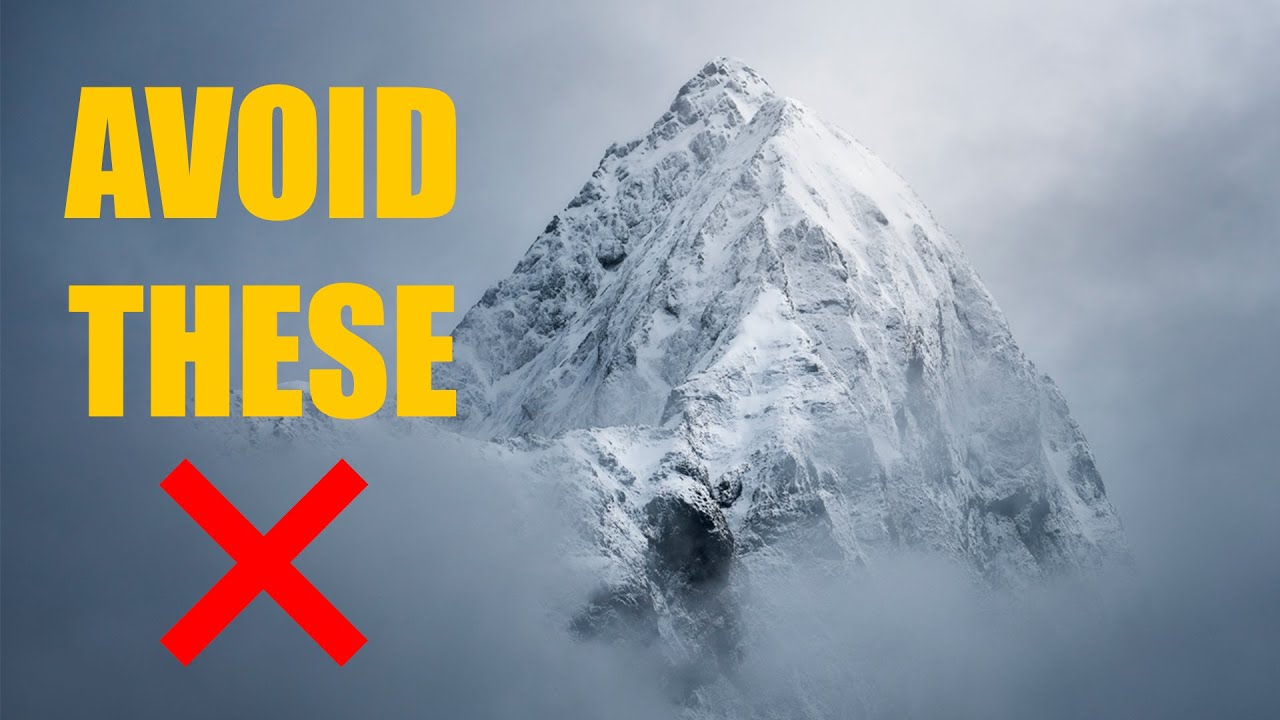
Shooting Snow-Covered Landscapes: What William Patino's New Zealand Tutorial Taught Me About Controlled Chaos

Shooting Snow-Covered Landscapes: What William Patino's New Zealand Tutorial Taught Me About Controlled Chaos

There’s a particular kind of paralysis that hits in a forest after fresh snowfall. Everything is beautiful. Every direction you turn, there’s a frame. And that abundance, counterintuitively, is what makes it one of the hardest environments to photograph well. I’ve stood in snow-covered pines in the Cascades enough times to know that the instinct to just start shooting is almost always wrong. The chaos of a white-blanketed forest demands more discipline, not less.

From Flat to Dimensional: 6 Editing Skills That Changed How I Process Every Landscape Photo

From Flat to Dimensional: 6 Editing Skills That Changed How I Process Every Landscape Photo

There’s a version of me from about fifteen years ago who spent an hour on global sliders and called it done. Exposure up, contrast in, clarity pushed until the rocks looked like they were carved from steel. The images looked processed, not finished, and I couldn’t figure out why. It took a long time, and a lot of ruined files, before I understood that global adjustments set the stage. Local adjustments are where the actual editing happens.

How Negative Clarity and Texture Gave My Landscape Photos a Painterly Soul

How Negative Clarity and Texture Gave My Landscape Photos a Painterly Soul

There is a particular kind of disappointment I know well. You drive hours into the dark, set up in a river at first light, wait for the fog to lift off the mountains, and come home with a technically perfect photograph that somehow feels dead. Sharp as a razor. Detailed to the point of exhaustion. It looks like a specification sheet, not a landscape. After twenty years of doing this work full time, I still fight that problem every single time I sit down at my editing desk.

Why Your Sky Masks Look Fake (And the Lightroom Workaround That Finally Fixes It)

Why Your Sky Masks Look Fake (And the Lightroom Workaround That Finally Fixes It)

There’s a particular kind of frustration that lives in the zoom-in. You’ve done everything right. The sky mask selected cleanly, the clouds have drama and texture now, the exposure looks balanced. You toggle the edit on and off and feel that small, quiet satisfaction of a job done well. Then you zoom in to check your edges and there it is: a thin, glowing halo hugging the ridgeline like the mountain is lit from behind by something that was never there.