What the Milky Way Teaches You About Exposure (When You Stop Fighting It)

What the Milky Way Teaches You About Exposure (When You Stop Fighting It)

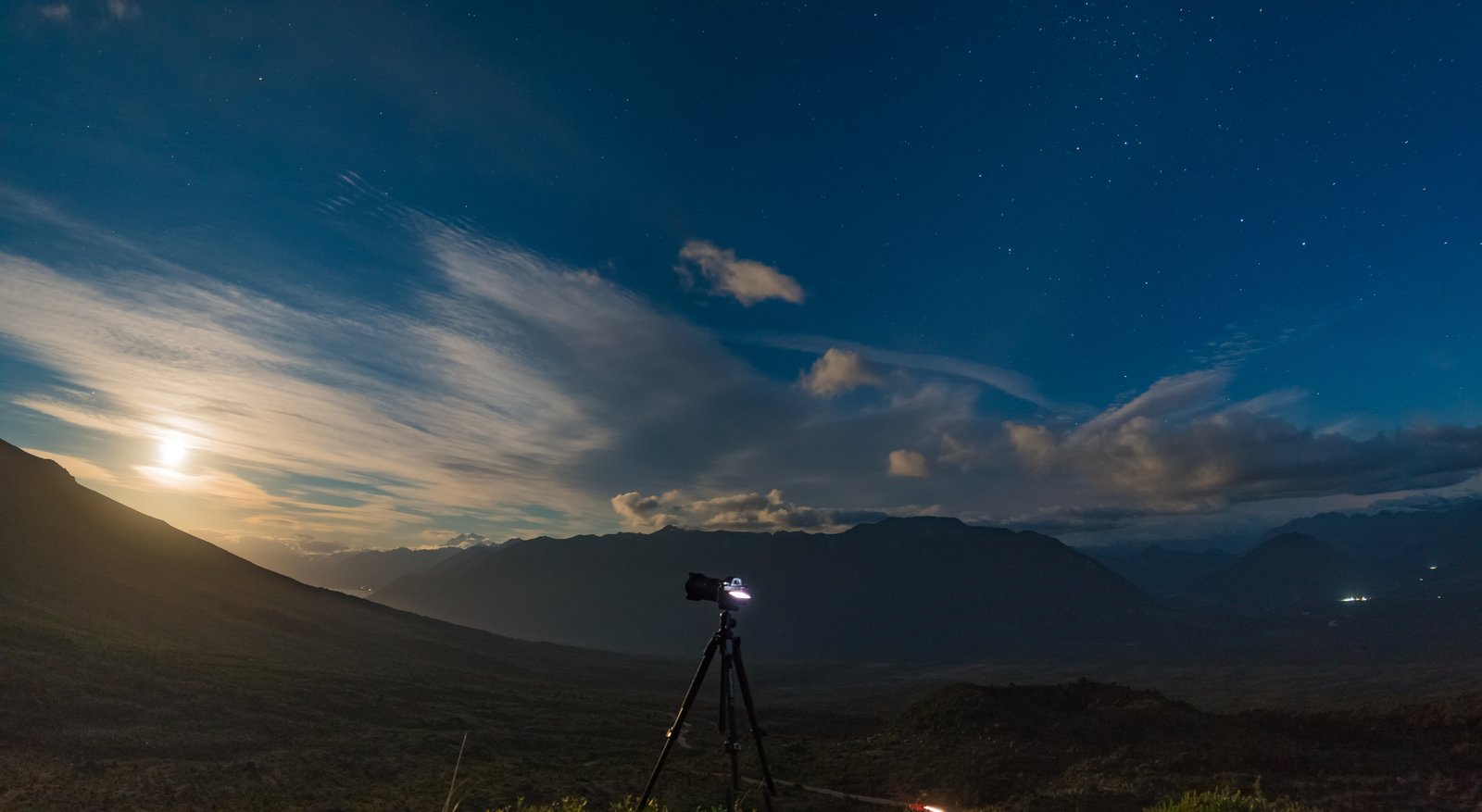
The first time I tried to photograph the Milky Way seriously, I drove out to the Oregon high desert, set up in the dark, and shot at ISO 6400 with a 30-second exposure because someone on a forum said that was the right way to do it. The images looked like someone had dragged a wet paintbrush across a black canvas. Smeared, noisy, directionless. I drove home at 3am thinking I just didn’t have the right gear.

Chasing Starlight: Mastering Night Sky Photography in the Field

Chasing Starlight: Mastering Night Sky Photography in the Field

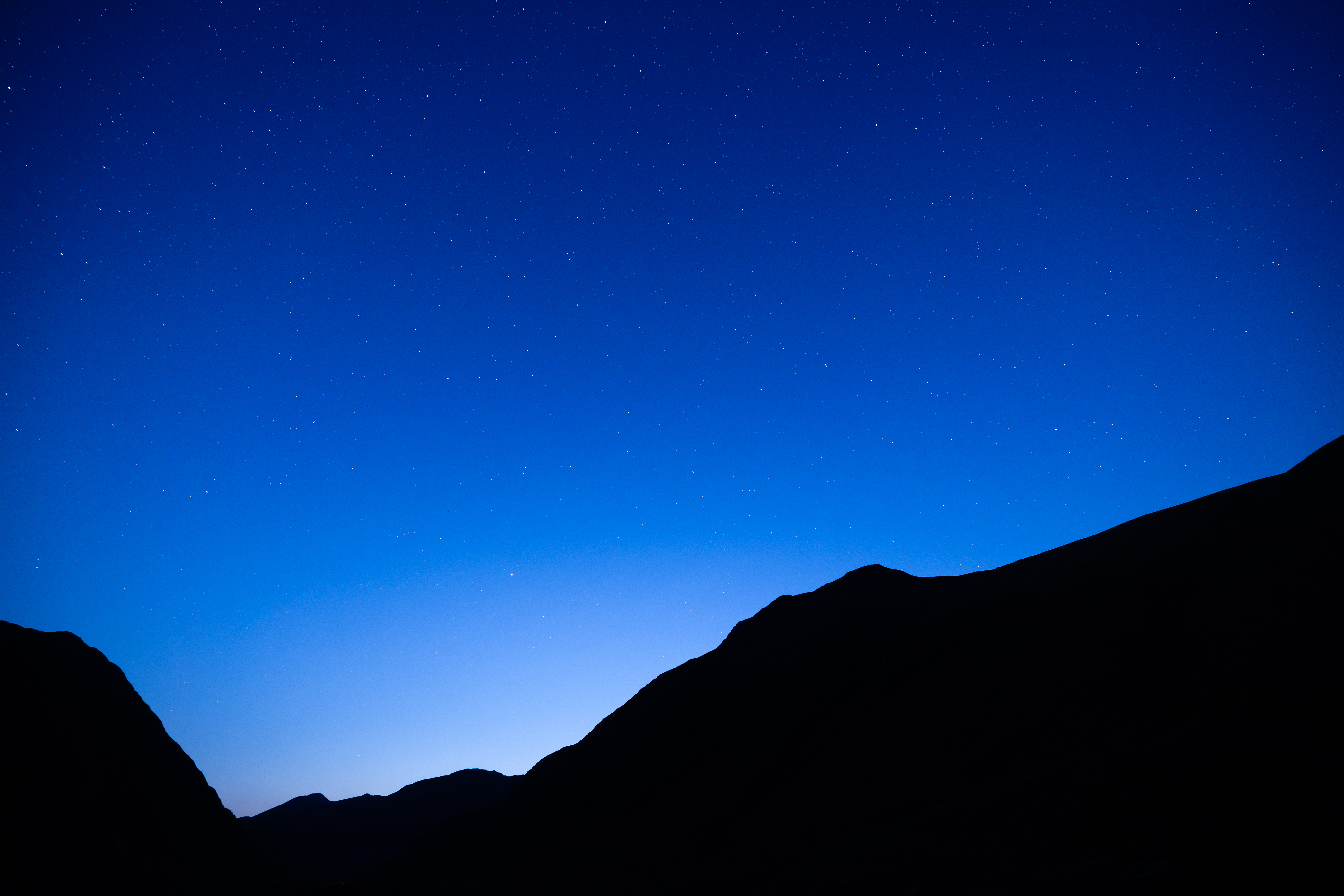
Chasing Starlight: Mastering Night Sky Photography in the Field There’s a particular silence that descends when you’re alone under the stars with your camera. It’s different from daytime shooting—quieter, somehow more intimate. After spending countless nights in remote locations chasing the Milky Way, I’ve learned that night sky photography demands both technical precision and patience. It’s not enough to show up; you need to understand what you’re looking at and how your equipment will respond in darkness.