What a 50mm Portrait Session Taught Me About Directing Humans (Not Just Landscapes)

What a 50mm Portrait Session Taught Me About Directing Humans (Not Just Landscapes)

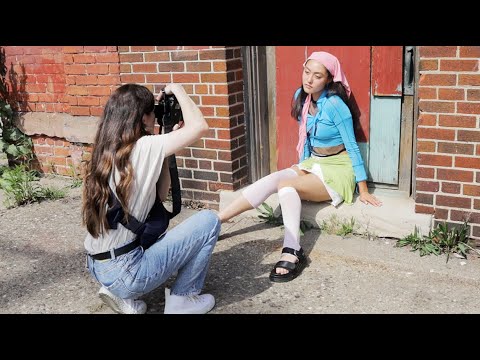
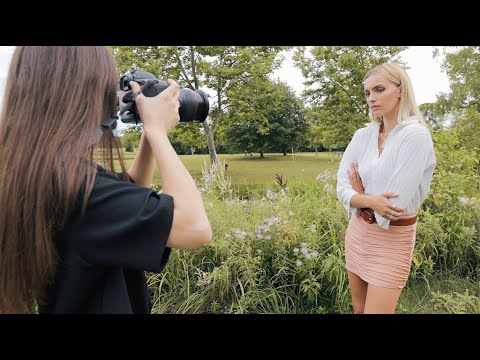
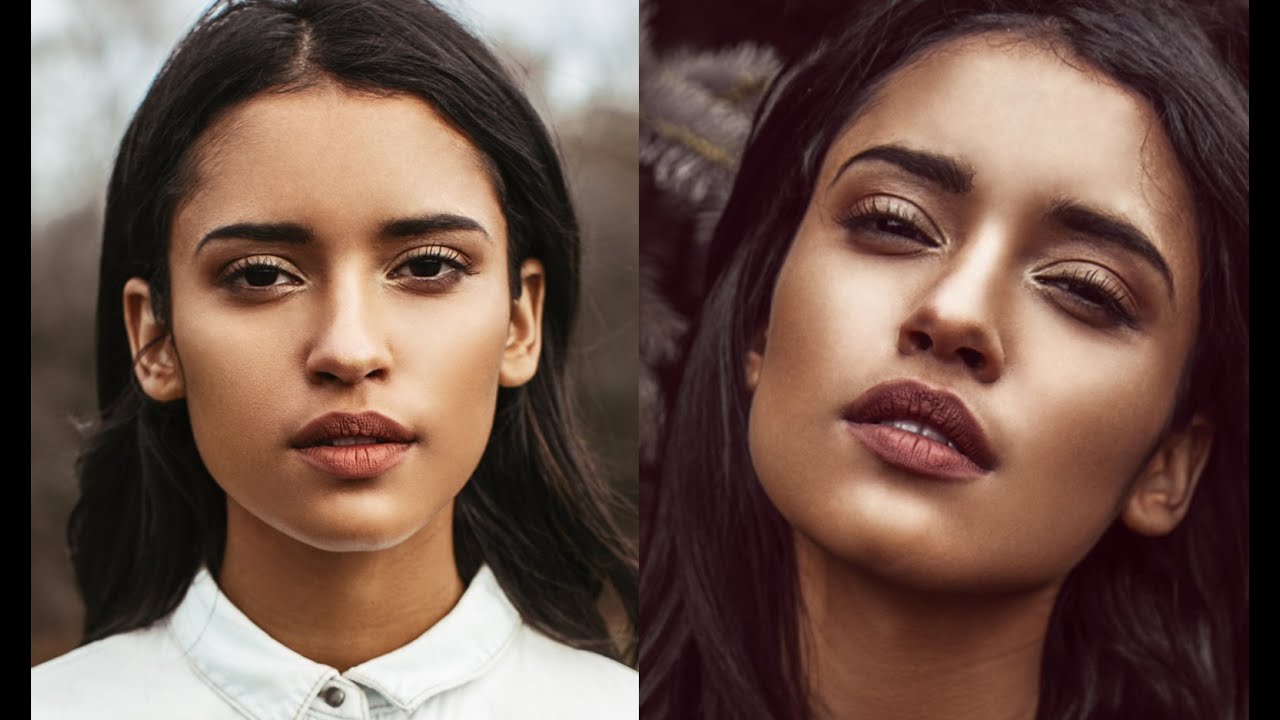
Most of my subjects don’t move. Granite ridgelines, still water at first light, a stand of ponderosa pines catching the last of the evening sun. I’ve spent twenty years learning how to read light and wait out weather, but put a person in front of my lens and I become strangely hesitant. I freeze in a way the landscape never makes me freeze. That’s why a tutorial focused on directing real people in real outdoor light caught my attention hard enough to stop scrolling.
The $25 Tool That Changed How I Light Outdoor Portraits (And How to Use It in 4 Ways)

The $25 Tool That Changed How I Light Outdoor Portraits (And How to Use It in 4 Ways)

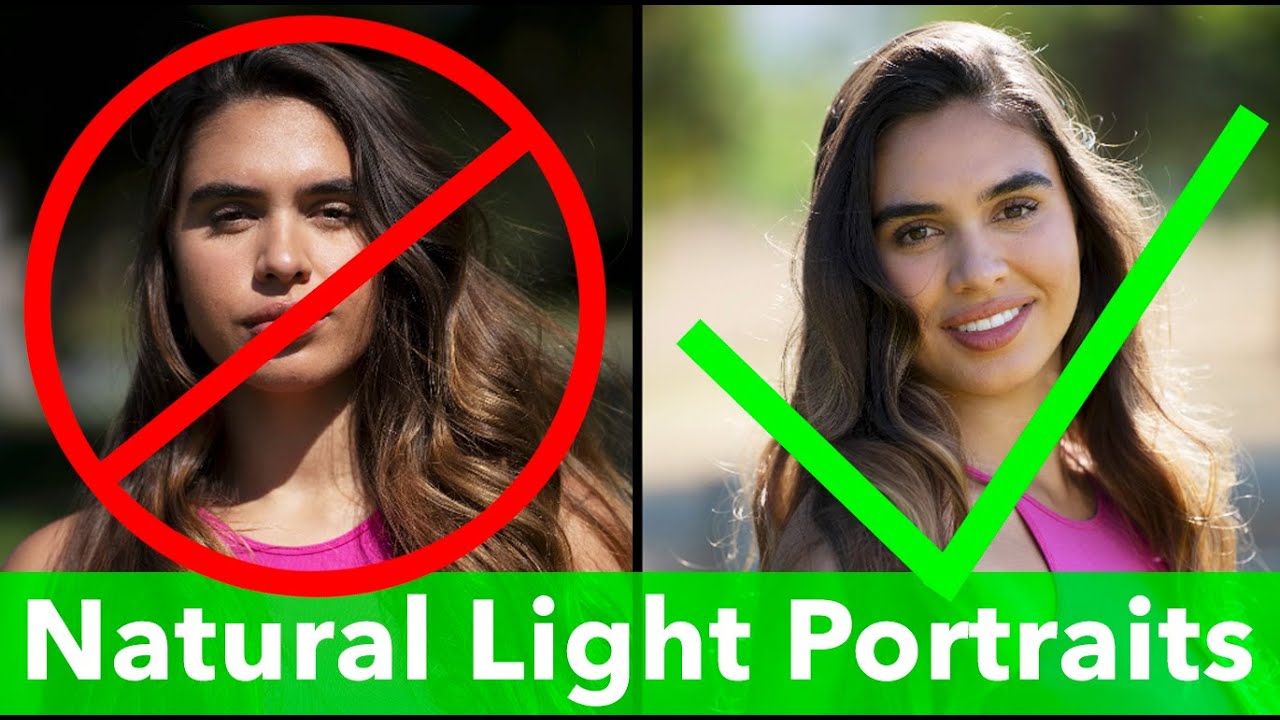
Most of my working life is spent chasing landscape light, but every season I take on a handful of location portrait sessions — workshop participants wanting headshots, editorial work, the occasional commissioned family session in the field. And for years I wrestled with the same problem: gorgeous ambient light behind my subject, flat and unflattering light on their face. I’d either blow out the background trying to expose for the foreground, or underexpose the person trying to hold the sky.

What a Landscape Photographer Actually Carries Into the Mountains (Gear Beyond the Camera Bag)

What a Landscape Photographer Actually Carries Into the Mountains (Gear Beyond the Camera Bag)

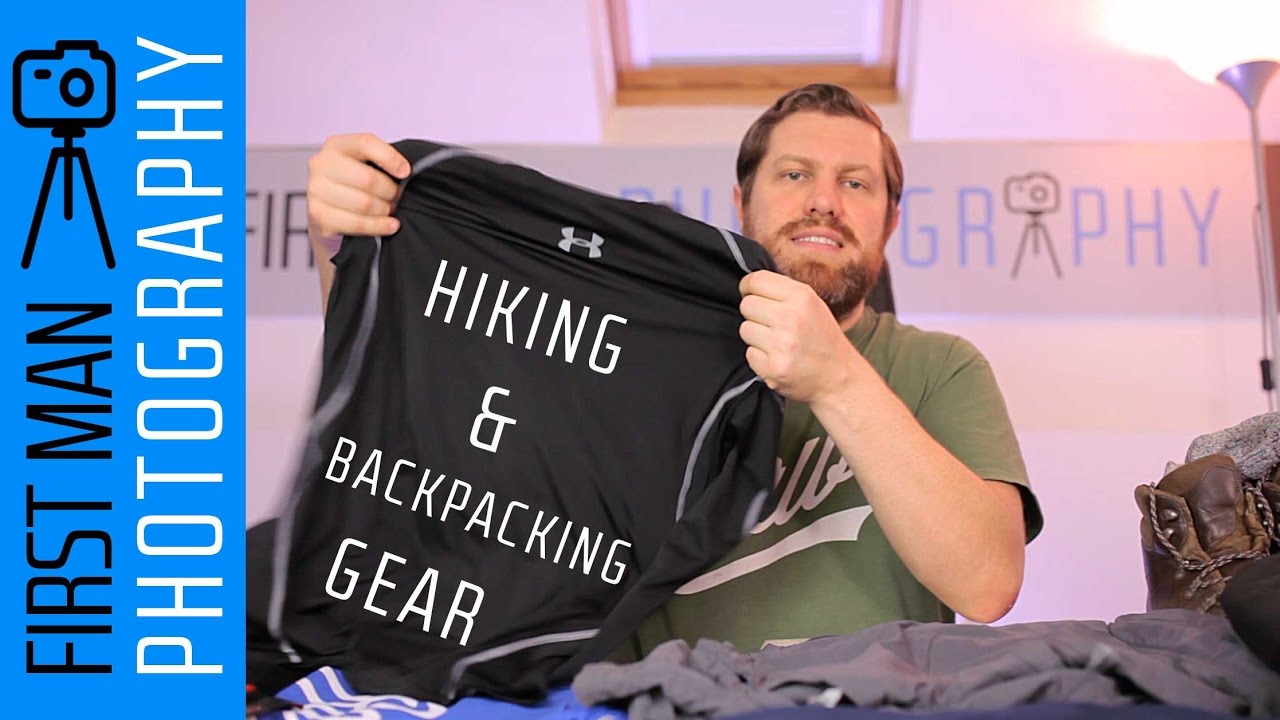
There’s a version of mountain photography that looks romantic from the outside. The lone figure on a ridge at golden hour, mist rolling through the valley below. What that image never shows is the two hours of hiking that preceded it, the soaked boots from a stream crossing, or the moment your fingers get too cold to work the aperture ring. I’ve spent twenty years learning that the camera is rarely the thing that limits a shoot.

Sun Behind Your Subject: A Field Guide to Natural Light and Fill Flash for Outdoor Portraits

Sun Behind Your Subject: A Field Guide to Natural Light and Fill Flash for Outdoor Portraits

Most of my working life is spent chasing light for landscapes. I’m the person standing in a freezing river at dawn, waiting on a mountain that genuinely does not care about my schedule. Portraits are a different discipline, but the underlying logic is the same: light placement is everything, and getting it wrong means you walked away with nothing worth keeping. I was watching a tutorial recently from Tony and Chelsea Northrup, filmed at Harkness Park in Waterford, Connecticut, and even after two decades behind a camera, it crystallized something I’d been doing half-right for years.

What Landscape Photographers Can Steal From Outdoor Portrait Technique

What Landscape Photographers Can Steal From Outdoor Portrait Technique

Most of my work involves waiting. Waiting for light, waiting for clouds to shift, waiting for the river to settle after a gust. I’ve stood in freezing water at dawn more times than I can count, and my kids think I’ve lost my mind for it. But a few months back I found myself watching portrait tutorials at midnight, not because I photograph people, but because portrait photographers work with natural light in real time, under pressure, with a subject who can’t be asked to hold still for two hours while the sun moves.

What Landscape Photographers Get Wrong When They Add a Human Element (And How to Fix It Fast)

What Landscape Photographers Get Wrong When They Add a Human Element (And How to Fix It Fast)

Most of my working life is spent without a person in the frame. The mountain, the river, the pre-dawn sky — that’s my subject, and I’ve spent twenty years learning how to read those things. But landscapes with a human figure are some of my best-selling prints, and workshops I run in central Oregon almost always include a session where participants photograph each other in the field. That’s where I started noticing a consistent problem: photographers who can perfectly compose a ridgeline have no idea what to do the moment a person walks into the shot.

The Light That Transforms Everything: Mastering Landscape Photography's Most Critical Element

The Light That Transforms Everything: Mastering Landscape Photography's Most Critical Element

The Invisible Architect of Every Great Landscape Photo I’ve spent countless hours standing in front of breathtaking vistas only to return home disappointed by my images. The scene was magnificent—towering peaks, pristine valleys, golden meadows stretching to the horizon. Yet something felt hollow in my photographs. It wasn’t until I shifted my focus from what I was photographing to how the light was sculpting it that everything changed. Light is the true subject of landscape photography.