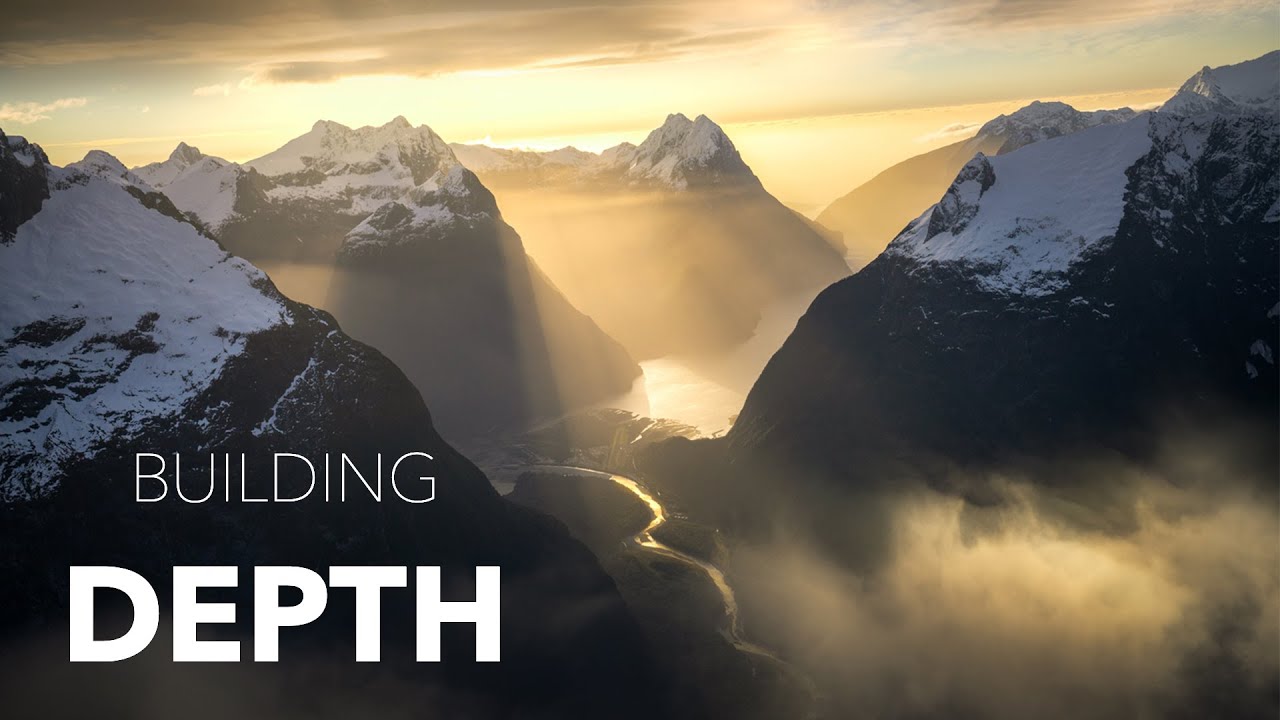
Stop Thinking About Edges: How to Build Depth and Balance in Landscape Compositions

Stop Thinking About Edges: How to Build Depth and Balance in Landscape Compositions

There’s a specific kind of disappointment that comes from returning home after a genuinely beautiful morning in the field and realizing your images are flat. The light was there. The location was right. But something in how you arranged the frame let the whole thing collapse. After two decades of shooting landscapes professionally, I still run into this. Not as often as I used to, but it happens. What I’ve found is that when a shot fails, it’s rarely the light’s fault.


The Silent Language of Landscape Composition: Finding Balance in the Wild

The Silent Language of Landscape Composition: Finding Balance in the Wild

The Silent Language of Landscape Composition: Finding Balance in the Wild I remember standing on a ridge in the Cairngorms at dawn, camera in hand, utterly overwhelmed. The light was extraordinary—golden, directional, perfect. Yet when I reviewed my shots later, most felt flat and listless. The problem wasn’t the light or the location. It was that I hadn’t learned to read the landscape. Composition isn’t about following rules. It’s about understanding how your eye naturally moves through a frame, and then orchestrating that movement intentionally.

Finding Balance in the Frame: The Art of Landscape Composition

Finding Balance in the Frame: The Art of Landscape Composition

Finding Balance in the Frame: The Art of Landscape Composition I’ve spent countless mornings standing in frost-covered fields, watching light transform an ordinary hillside into something extraordinary. But I’ve learned that even the most beautiful light can’t save a poorly composed image. The strongest landscape photographs balance technical skill with intentional visual structure—and that structure begins long before you press the shutter. The Three-Layer Approach When I arrive at a location, I resist the urge to immediately frame a shot.