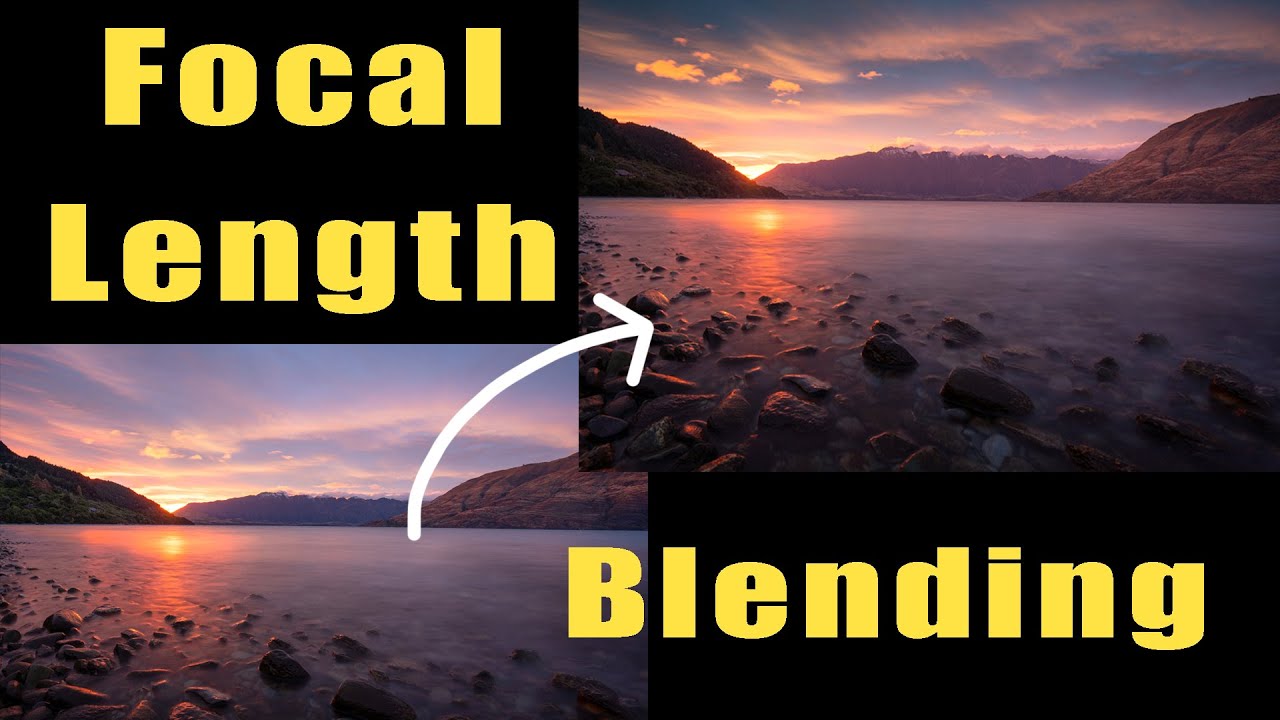
Focal Length Blending: How to Keep a Wide Foreground Without Shrinking Your Subject

Focal Length Blending: How to Keep a Wide Foreground Without Shrinking Your Subject

Wide angle lenses are a gift and a curse. I’ve been shooting landscapes for twenty years, and I still feel the pull of that 16mm frame, the way it swallows a rocky foreground and drags the viewer straight into the scene. But there’s a cost. That same curvature that makes a foreground sing will compress and shrink whatever sits at the center of the frame. A mountain range that stopped your breath at dawn ends up looking like a gentle suggestion in the background.

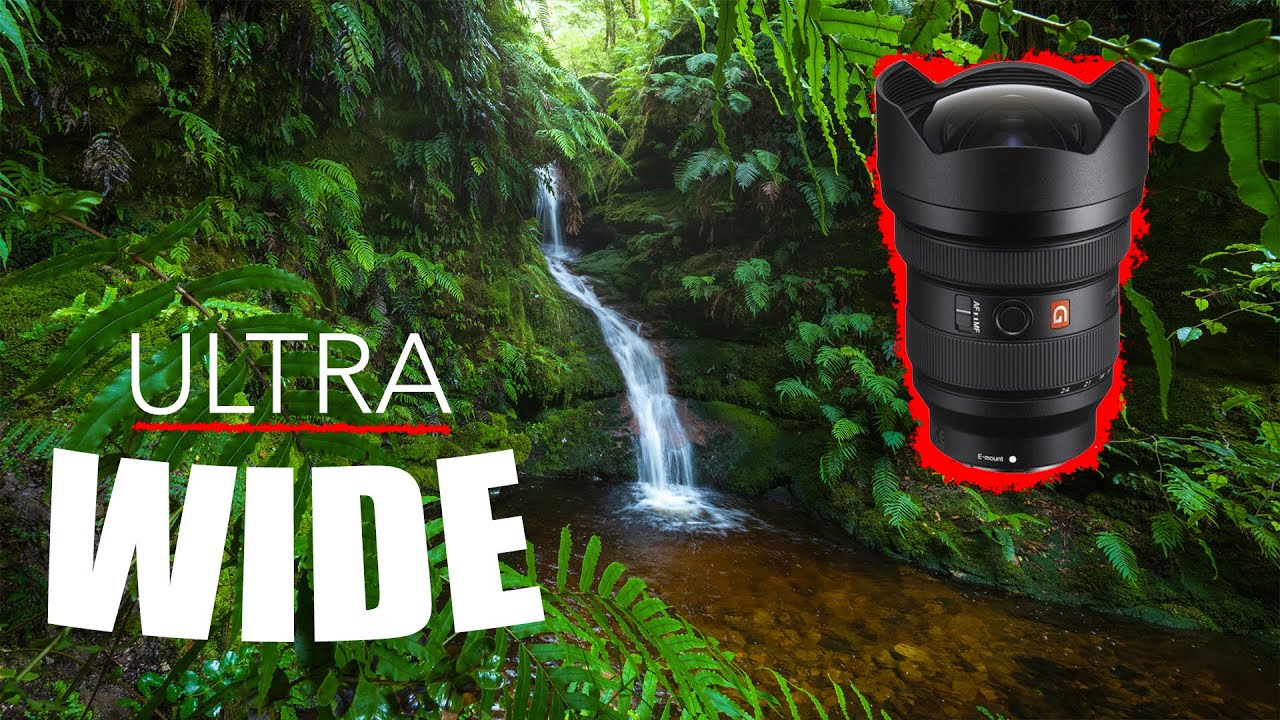
Wide Angle Lens Composition in the Field: What a New Zealand Canyon Taught Me About Slowing Down

Wide Angle Lens Composition in the Field: What a New Zealand Canyon Taught Me About Slowing Down

There’s a specific kind of creative paralysis that hits when you finally reach a stunning location and realize you have no idea where to put the camera. I’ve felt it standing in the Columbia River Gorge at first light, boots soaking, with a scene so layered and busy that the wide angle lens on my camera felt less like a tool and more like an accusation. Wide angle lenses are capable of extraordinary landscape images, but they punish lazy framing harder than any other focal length.