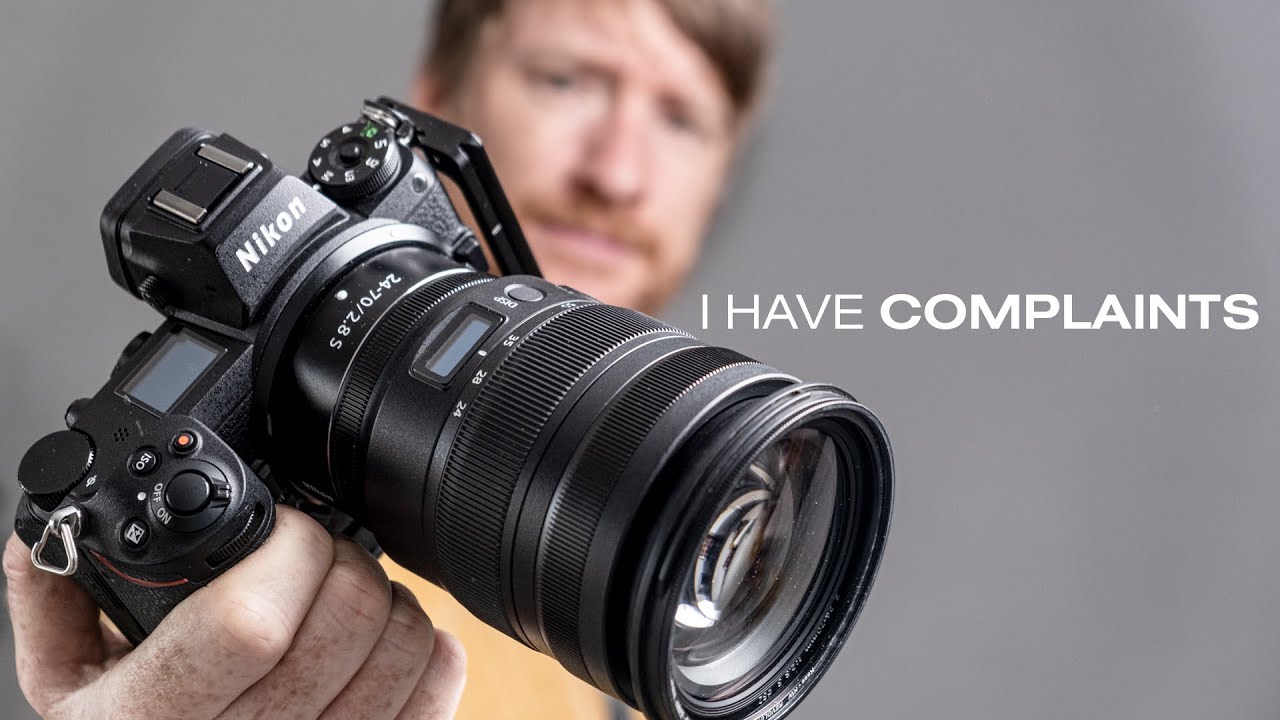
Every few years, a gear decision sits on my chest like a cold stone until I either commit or retreat. I know that feeling well. I’ve been shooting landscapes full-time for two decades, and I still second-guess major purchases. So when Thomas Heaton, one of the most grounded voices in landscape photography on YouTube, published an honest eight-month verdict on his switch from the Fuji GFX 50R to the Nikon Z7 II, I watched it twice. Not because I was planning the same switch, but because his reasoning mirrors exactly the kind of thinking that separates a camera choice that serves your work from one that serves your anxiety.
Watch the full tutorial on YouTube
What makes this particular breakdown useful isn’t the specs comparison. It’s the framework Heaton uses to evaluate a camera against his actual shooting life, not against a spec sheet or a YouTube comment section. That framework, applied honestly, is worth more than any benchmark test. Here’s how he walks through it, and what I think every landscape photographer should take from each stage.
Step 1: Define the Real Reason You’re Switching
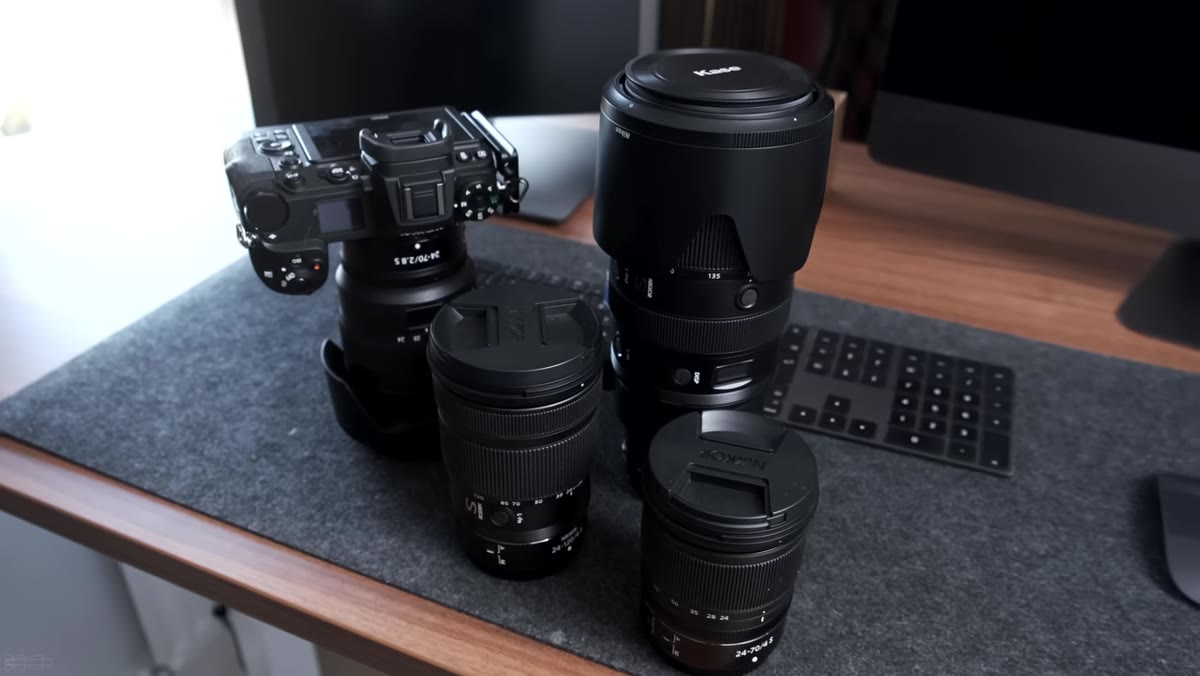 Heaton listing his core priorities for switching systems
Before Heaton ever talks about image quality, he names the actual reason he left the GFX system: lens access. Specifically, longer telephoto glass that medium format simply doesn’t support. He wanted a 100-400mm range for wildlife and compressed landscape work, and the Fuji ecosystem couldn’t give him that without painful compromises.
This is the question to ask yourself first. Not “which camera is better” but “what is my current system preventing me from doing?” If the answer is nothing, you probably don’t need to switch. If the answer is specific and recurring, that’s the thread to pull. Write it down before you ever look at a price page.
Step 2: Set a Realistic Budget Ceiling and Compare Within It
 Price comparison shown between Sony A1, Canon R5, and Nikon Z7 II
Heaton lays out a direct price comparison between the cameras he was actually considering. At the time of his purchase, the Sony A1 body ran nearly £6,000. The Canon R5 was sitting around £4,000. The Nikon Z7 II came in at roughly £3,000. For a full-time photographer who earns through print sales and workshops, that £1,000 to £3,000 difference is not trivial. It’s a lens, a workshop trip, or a year of storage and insurance.
The takeaway here isn’t “buy cheap.” It’s “define your ceiling before you fall in love with something above it.” Heaton didn’t feel like he was settling. He felt like the Z7 II fit his actual financial reality while still delivering at the level his work required. That’s a different mental posture entirely, and it matters when you’re living with the decision eighteen months later.
Step 3: Shoot With the New System for Long Enough That the Novelty Fades
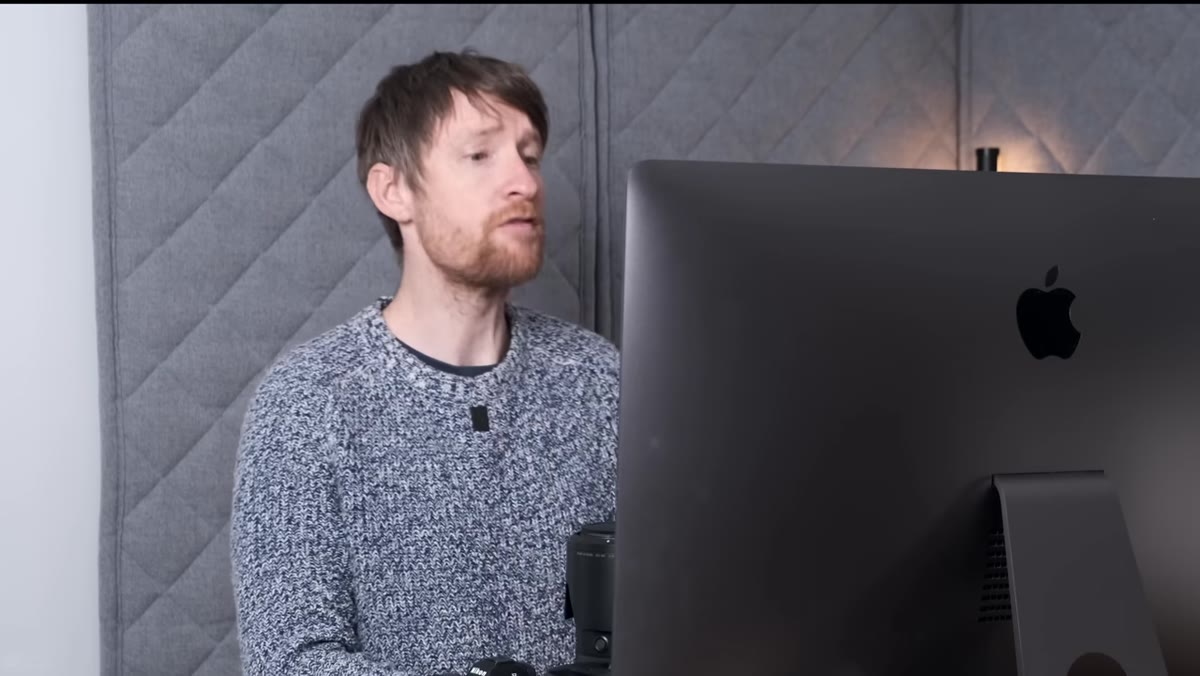
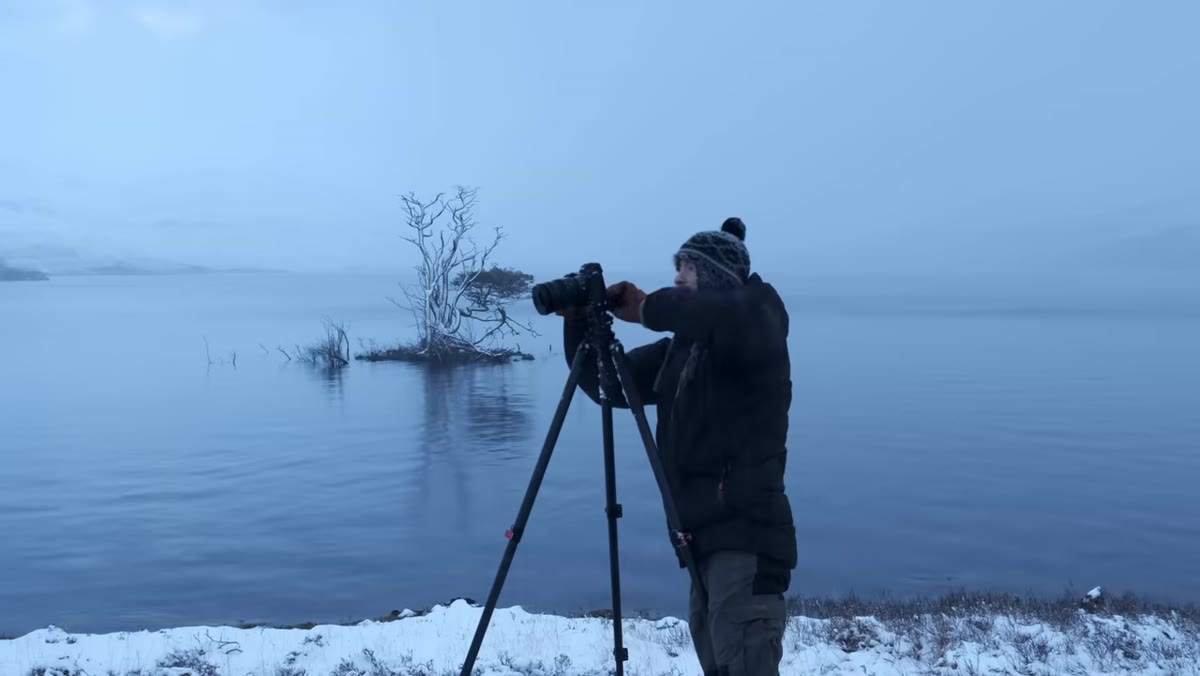 Heaton confirming eight months of consistent field use with the Z7 II
Eight months. That’s how long Heaton used the Z7 II before he made this video. Not eight days, not eight weeks. He also kept his GFX in the drawer, unsolled, for that entire period. That’s a smart hedge, but it also sets up an honest long-term comparison. By month eight, the new-camera glow is completely gone. You’re just working.
His conclusion after that time: in everyday real-world shooting, he couldn’t tell the difference in image quality between the two systems. He’s careful to say that pixel-peeping or extreme shadow recovery tests might reveal an edge for the GFX. But in the field, printing, and client delivery, the Z7 II held its own completely. For most of us, that’s the only test that actually matters. I’ve learned the same lesson the hard way: I once drove six hours to shoot a coastal location in Oregon, sat in fog for two days, and came home with one usable frame. That image became my best-selling print. The camera didn’t make that shot. The patience and the light did.
Step 4: Honestly Evaluate What the Camera Doesn’t Do Well
 Heaton comparing Z7 II autofocus to Z9 and Canon R5 in wildlife situations
Here’s where Heaton earns trust. He doesn’t pretend the Z7 II is perfect. When he was shooting wildlife in Iceland alongside photographers using the Canon R5 and Nikon Z9, the gap in autofocus speed and frames per second was obvious. Those cameras are simply better for fast-moving subjects.
The discipline is to then ask whether that gap matters for your specific work. For Heaton, whose primary output is landscapes, the Z7 II’s tracking limitations almost never come into play. He accepted that trade consciously. Know the weaknesses of your tool. Then decide if those weaknesses will cost you shots you actually need to make.
Step 5: Build a Genuine List of Frustrations
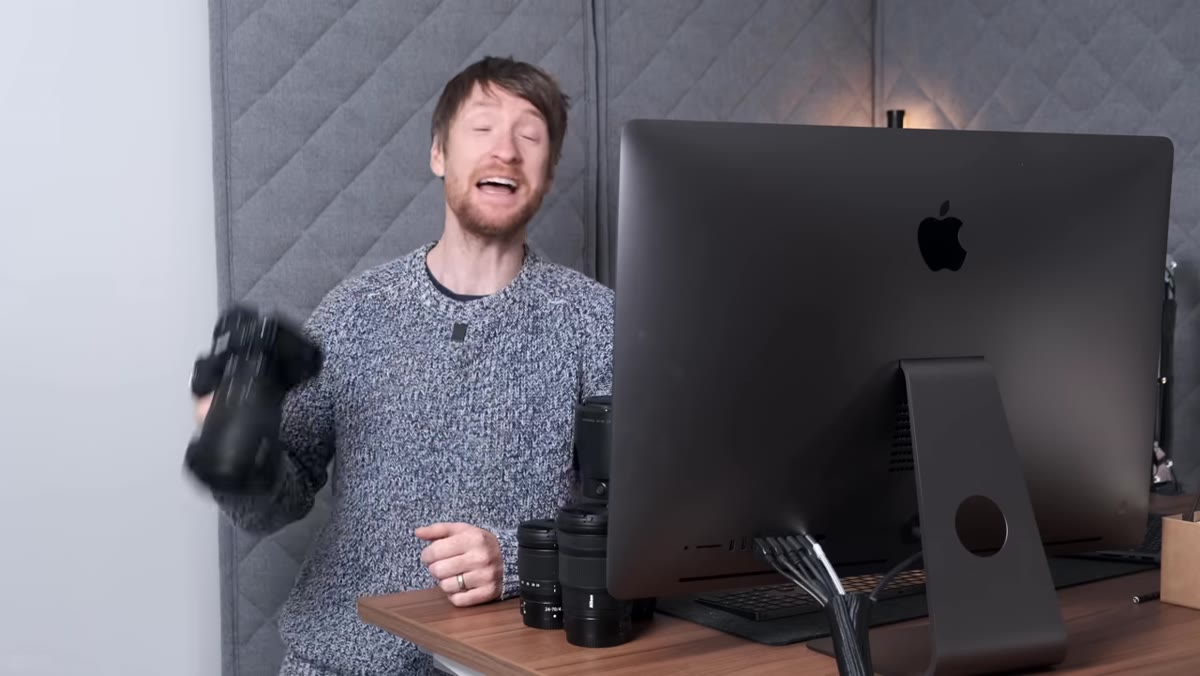 Heaton referencing his actual written list of camera annoyances
Heaton mentions he has a real, physical list of things that irritate him about the Z7 II. He doesn’t share all of them in this segment, but the act of maintaining that list is itself the technique. It keeps you honest. It prevents the sunk-cost thinking that makes photographers defend a mediocre tool long after they should have moved on.
I keep a similar running note on my phone for every piece of gear I use regularly. Lens focusing hesitation in cold weather. A tripod head that slips under heavy glass. A filter holder that catches wind. These aren’t reasons to automatically replace gear, but they’re data. After eight months, if the list is short and manageable, you made a good call. If it’s growing and costing you shots, that’s worth acting on.
A Note From Two Decades of Gear Decisions
I stopped chasing the idea of a perfect camera somewhere around year five of doing this full-time. The cameras I’ve loved most weren’t the most capable ones on paper. They were the ones that disappeared into the work. I still shoot film occasionally, specifically because it slows me down and forces a kind of deliberateness that digital can erode. But for commercial landscape work, the frame Heaton uses here, which is value, image quality, lens ecosystem, and size, is essentially the same framework I’d hand to anyone starting fresh today.
The Z7 II won’t be the right answer for everyone. But Heaton’s method for arriving at that answer is transferable to any system, any budget, any style of landscape photography.
The single most important thing Heaton demonstrates in this breakdown is that the right camera is the one that removes obstacles specific to your work, not the one that scores highest on a comparison chart someone else made. Define your obstacles first. Everything else follows from there.
Watch the full tutorial on YouTube to hear Heaton’s complete list of frustrations with the Z7 II and his unfiltered take on whether the GFX deserves to stay in that drawer permanently.
Comments
Leave a Comment