Chasing Light in the Mountains: A Photographer's Guide to Alpine Landscapes

Chasing Light in the Mountains: A Photographer's Guide to Alpine Landscapes

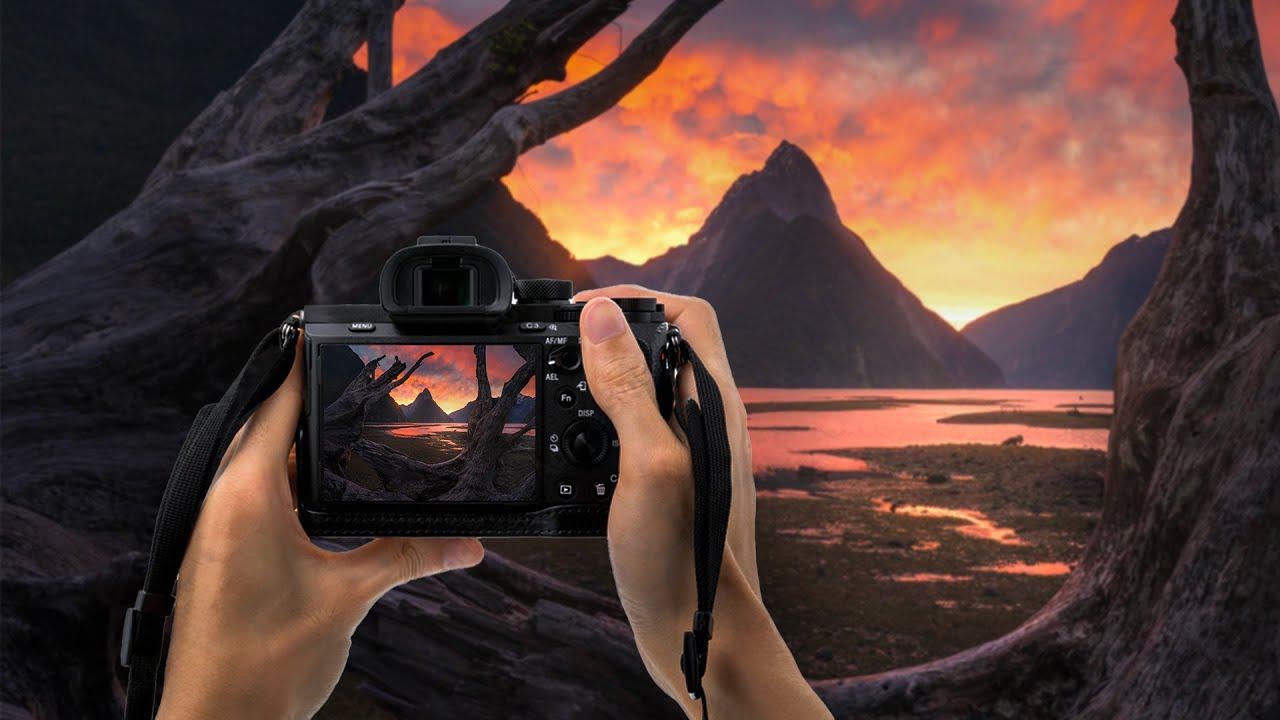
The Mountain’s Demand for Patience I’ve stood on countless ridgelines at dawn, waiting for the first light to spill across a valley I’d hiked to in darkness. There’s something humbling about mountain photography—the landscape won’t bend to your schedule, and the weather won’t cooperate simply because you drove six hours to be there. This is precisely why I love it. Mountains demand something different from us than other landscape subjects. They’re three-dimensional puzzles where light, shadow, and scale interact in ways that a photograph must somehow translate onto a flat plane.

Chasing Light in the High Country: Mastering Mountain Photography

Chasing Light in the High Country: Mastering Mountain Photography

There’s a particular silence that settles over a mountain before dawn—a stillness that makes you acutely aware of why you’ve dragged yourself out of bed at 3 a.m. You’re standing at 10,000 feet, fingers numb despite your gloves, watching the sky transition from absolute black to deep indigo. This is when mountain photography truly begins, long before the light touches the peaks. Timing Is Everything I’ve learned that mountain photography is fundamentally about light, and mountain light is unforgiving.

The Hidden Gems That Define Modern Landscape Photography

The Hidden Gems That Define Modern Landscape Photography

The Search for Authentic Moments in Wild Places There’s a particular tension that exists in landscape photography today. We’re drawn to pristine wilderness, those untouched corners of the world where light falls perfectly on unspoiled terrain. Yet every location we discover, photograph, and share potentially contributes to its own demise through increased visitation and environmental pressure. Recently, I’ve been reflecting on conversations with fellow photographers about where they actually spend their time in the field.

Witnessing Transformation: Documenting Alpine Change at the Grossglockner

Witnessing Transformation: Documenting Alpine Change at the Grossglockner

A Wilderness Under Siege Standing at the base of Austria’s tallest peak, the Grossglockner rises to nearly 3,800 meters as a monument to Europe’s remaining untouched wilderness. Unlike its commercialized neighbors, this mountain has resisted cable cars and ski infrastructure, remaining accessible only to serious mountaineers willing to earn their ascent. The jagged ridges, permanent snowfields, and sparse wildlife have created an almost timeless landscape—one that has captivated photographers and adventurers for generations.

The Meditative Art of Long Exposure in Landscape Photography

The Meditative Art of Long Exposure in Landscape Photography

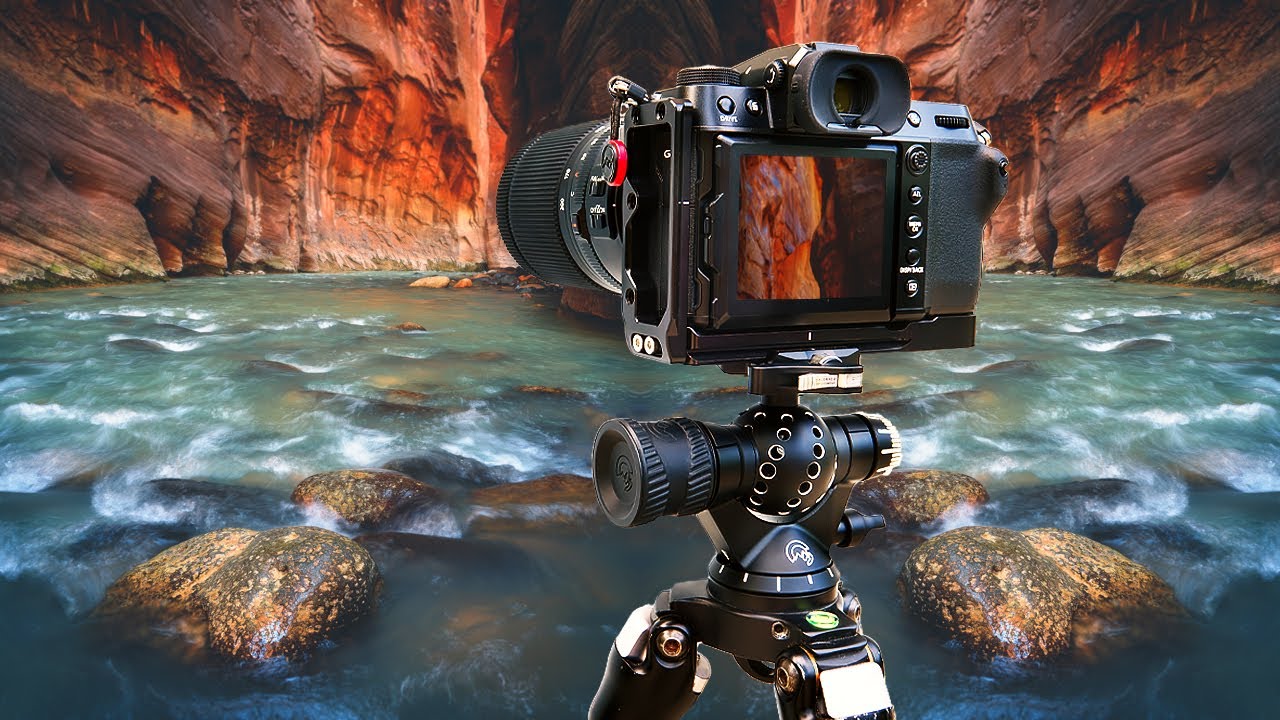
The Meditative Art of Long Exposure in Landscape Photography There’s a particular moment in the field when you realize what long exposure photography truly is: it’s not just a technical trick. It’s a way of seeing time itself rendered visible in a single frame. I discovered this years ago while standing on a rocky coastline at dawn, my camera mounted on a tripod, waiting for a 30-second exposure to finish. The ocean moved around me in real time—waves crashed, water foamed, light shifted—but my camera was capturing something different.

Why We Must Photograph the Creatures Others Overlook

Why We Must Photograph the Creatures Others Overlook

The Power of the Lens in Conservation I’ve spent countless hours in marshes, forests, and rocky outcrops seeking subjects that most people would rather avoid. Snakes, salamanders, frogs, and lizards rarely make it onto calendar covers or trending social media feeds. Yet these creatures deserve our attention—and our compassion—more than ever before. Photography has emerged as one of our most potent conservation tools. When we capture these animals in their natural habitats, we’re not just creating images; we’re building a case for their survival.

When the Wild Chooses: What This Year's People's Choice Wildlife Winner Reveals About Nature Photography

When the Wild Chooses: What This Year's People's Choice Wildlife Winner Reveals About Nature Photography

A Moment That Transcends Technical Mastery I’ve spent enough time in the field to know that the most memorable photographs often aren’t the ones that check every technical box. This year’s Nuveen People’s Choice Award winner—a captivating image of a lynx in Spain, caught mid-play with its prey—is a perfect example of why audiences connect with certain wildlife moments above all others. The public has spoken, and they’ve chosen something raw, unscripted, and genuinely alive.

When Olympic Vision Meets California Wilderness: LA28's Natural Design Philosophy

When Olympic Vision Meets California Wilderness: LA28's Natural Design Philosophy

A Branding Movement Rooted in the Landscape I’ve spent enough time photographing across Southern California to recognize something profound when I see it. The Los Angeles 2028 Olympic Committee has unveiled a branding identity that doesn’t rely on geometric abstractions or corporate polish alone—instead, it draws deeply from the region’s most distinctive natural features. It’s a refreshing approach that speaks directly to those of us who make our living documenting the wild places around us.

What This Year's Contest Winners Teach Us About Photography and Conservation

What This Year's Contest Winners Teach Us About Photography and Conservation

A Powerful Reminder Behind the Lens I’ve spent enough time in the field to know that the most compelling nature photographs aren’t always the ones that make you smile. Sometimes they’re the ones that make you pause—that force you to confront what we’re seeing and what we might be losing. This year’s Nature Photography Contest winners exemplify this perfectly, serving as both a celebration of visual mastery and a sobering call to environmental stewardship.

What National Geographic's Bee Documentary Teaches Us About Macro Nature Photography

What National Geographic's Bee Documentary Teaches Us About Macro Nature Photography

A Window Into the Invisible World I recently watched National Geographic’s two-part series focused on bees, and I found myself captivated not just by the science, but by the sheer technical mastery on display. The filmmakers have achieved something I’ve spent years chasing in my own work: they’ve made the impossibly small feel monumental and accessible. The documentary presents bee photography in ways I’ve never seen before. These aren’t your typical nature shots—they’re intimate, almost otherworldly glimpses into a realm most of us never witness.

Using Graduated ND Filters in the Field

Using Graduated ND Filters in the Field

The fundamental challenge of landscape photography is dynamic range. The sky is often several stops brighter than the foreground, especially at sunrise and sunset. Your eyes handle this effortlessly. Your camera does not. Graduated neutral density filters solve this problem at the point of capture. What They Do A graduated ND filter is dark on one half and clear on the other, with a transition zone between them. You position the dark portion over the bright sky and the clear portion over the darker foreground.

Understanding Hyperfocal Distance for Razor-Sharp Landscapes

Understanding Hyperfocal Distance for Razor-Sharp Landscapes

Front-to-back sharpness is one of the defining characteristics of strong landscape photography. Achieving it consistently requires understanding hyperfocal distance, a concept that sounds more complicated than it actually is. What Hyperfocal Distance Means The hyperfocal distance is the focus point that maximizes your depth of field for a given aperture and focal length. When you focus at the hyperfocal distance, everything from half that distance to infinity falls within acceptable sharpness.