Finding Light in the Woods: The Art and Craft of Forest Photography

Finding Light in the Woods: The Art and Craft of Forest Photography

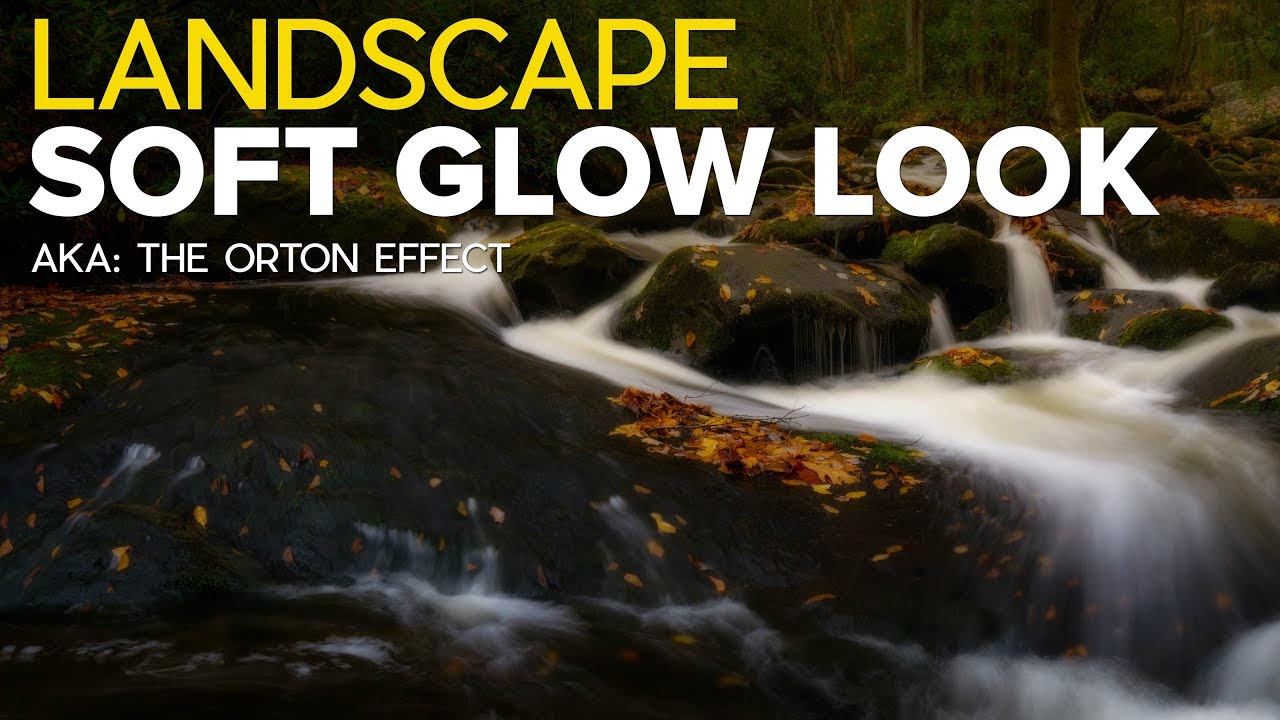
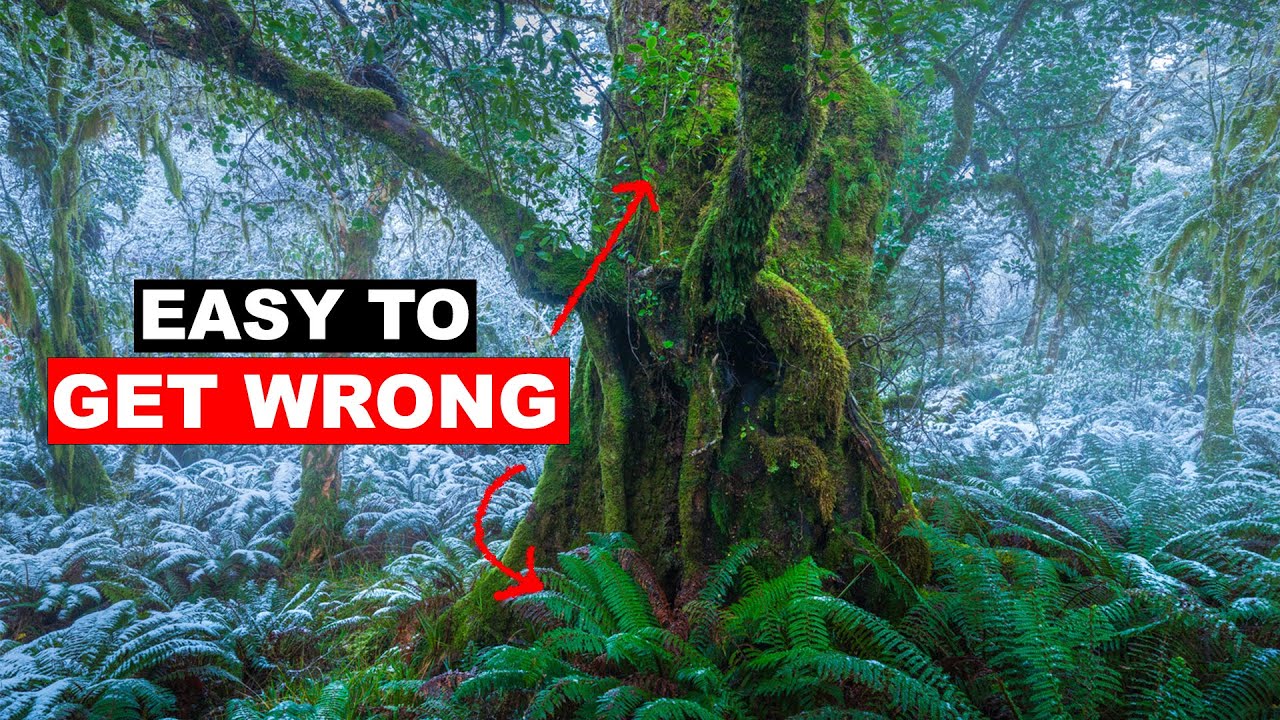
Finding Light in the Woods: The Art and Craft of Forest Photography There’s a peculiar silence that settles over me when I’m deep in a forest with my camera. The light filters through the canopy in ways that seem impossible to translate to a sensor, and yet that impossibility is exactly why I keep returning to these places. Forest photography demands something different from us than open landscape work. You’re not capturing expansive vistas or dramatic skies—you’re hunting for relationships between layers, textures, and the elusive moments when light finds its way through dense vegetation.

Finding Light in the High Country: A Mountain Photographer's Field Guide

Finding Light in the High Country: A Mountain Photographer's Field Guide

Finding Light in the High Country: A Mountain Photographer’s Field Guide I’ve spent enough mornings shivering in the pre-dawn darkness at 10,000 feet to know that mountain photography demands more than just showing up with a good camera. It requires patience, preparation, and an honest understanding of how light behaves in thin air. The mountains have taught me that the best shots aren’t about luck—they’re about reading the landscape like a map and positioning yourself where intention meets opportunity.

Finding Balance: The Art of Landscape Composition

Finding Balance: The Art of Landscape Composition

Finding Balance: The Art of Landscape Composition I’ve spent countless mornings standing in damp grass, camera in hand, staring at a vista that moved me deeply—only to review the images later and feel disappointed. The scene was breathtaking in person, but something was missing from the frame. It took me years to understand that what I was struggling with wasn’t technical skill. It was composition. Composition is the invisible architecture of a photograph.

Finding Balance in the Frame: The Art of Landscape Composition

Finding Balance in the Frame: The Art of Landscape Composition

Finding Balance in the Frame: The Art of Landscape Composition I’ve spent countless mornings standing in frost-covered fields, watching light transform an ordinary hillside into something extraordinary. But I’ve learned that even the most beautiful light can’t save a poorly composed image. The strongest landscape photographs balance technical skill with intentional visual structure—and that structure begins long before you press the shutter. The Three-Layer Approach When I arrive at a location, I resist the urge to immediately frame a shot.

Using Drones for Landscape Photography

Using Drones for Landscape Photography

Drones have opened perspectives that were previously available only from helicopters or tall structures. Straight-down views of coastlines, elevated forest canopy shots, and bird’s-eye patterns in agricultural landscapes are now accessible to any photographer with a consumer drone. But aerial photography is a different discipline from ground-level work, with its own compositional rules and technical considerations. Choosing Your Altitude Altitude changes the photograph fundamentally: Low altitude (20-50 feet): Maintains a perspective similar to elevated ground positions — hillsides, rooftops, bridges.

Desert Photography: Surviving the Elements

Desert Photography: Surviving the Elements

Desert landscapes offer some of the most visually striking photography on earth — endless dunes, eroded rock formations, vast salt flats, and skies with a clarity that humid environments can’t match. They also present extreme conditions that can damage gear, drain batteries, and endanger photographers who aren’t prepared. Protecting Yourself First Photography in the desert is a physical endurance challenge. The gear advice comes second to personal safety. Water. Carry far more than you think you need.

Composition in Landscape Photography: Beyond the Rule of Thirds

Composition in Landscape Photography: Beyond the Rule of Thirds

The rule of thirds is where most photographers start learning composition, and there is nothing wrong with it. Placing your horizon on the upper or lower third line and positioning key elements at intersection points produces balanced, readable images. But staying there forever limits what your photographs can communicate. Here are the composition tools I use most often in the field, and how they work together. Leading Lines Lines guide the viewer’s eye through the frame.

Coastal Photography: Dealing with Salt, Sand, and Spray

Coastal Photography: Dealing with Salt, Sand, and Spray

Coastal environments produce some of the most dramatic landscape photography — crashing waves, rocky shorelines, sweeping sandy beaches, and constantly changing light. They’re also the harshest environments your camera gear will ever encounter. Salt spray corrodes metal and coats optics. Sand infiltrates every crevice. Waves don’t care about your tripod placement. Shooting effectively at the coast means respecting these hazards while positioning yourself for the best images. Protecting Your Gear The Salt Spray Problem Salt spray is insidious.

Chasing the Horizon: Mastering Panoramic Photography in the Field

Chasing the Horizon: Mastering Panoramic Photography in the Field

Chasing the Horizon: Mastering Panoramic Photography in the Field There’s a moment that happens on certain mornings when I’m standing before a vista too grand for any single frame to contain. The light is perfect. The composition is screaming at me. But the landscape—it refuses to fit. This is when panoramas save me. Not as a gimmick, but as an honest way to translate what my eyes actually see. Over the years, I’ve learned that panoramic photography isn’t about technology.

Chasing the Golden Hour: Where Light and Landscape Converge

Chasing the Golden Hour: Where Light and Landscape Converge

The Moment Before Magic I’ve spent enough mornings standing alone in meadows and enough evenings perched on cliffsides to know that golden hour isn’t really about the clock—it’s about presence. The golden hour arrives when the sun sits low on the horizon, roughly one hour after sunrise or before sunset. But knowing this intellectually and feeling it in the field are two different things entirely. Last spring, I was photographing in the Scottish Highlands when I nearly packed up too early.

Chasing the Golden Hour: Mastering Nature's Most Forgiving Light

Chasing the Golden Hour: Mastering Nature's Most Forgiving Light

The Magic Window That Changes Everything There’s a moment each day when the world stops feeling like itself. The light turns honey-thick, the shadows grow long and purposeful, and suddenly a mundane hillside becomes something you need to photograph. This is golden hour—and once you understand it deeply, your landscape work will never be the same. I’ve spent hundreds of mornings and evenings chasing this light, and I can tell you it’s not romantic myth.

Chasing Stars: The Art and Science of Night Sky Photography

Chasing Stars: The Art and Science of Night Sky Photography

The Call of Darkness There’s a moment just after twilight fades when the landscape disappears entirely, and you’re left standing in absolute darkness with nothing but your camera and the weight of the universe above. That’s when night sky photography truly begins. I’ve spent countless nights perched on remote hillsides and desert flats, watching the Milky Way emerge as my eyes adjusted and the light pollution fell away. It’s a humbling experience—one that demands patience, preparation, and a willingness to embrace the unknown.