Great Local Park Photography: How to Find Compelling Images When Epic Landscapes Aren't an Option

Great Local Park Photography: How to Find Compelling Images When Epic Landscapes Aren't an Option

Most of my best mornings start in the dark, coffee in hand, driving toward something grand. A ridgeline, a river bend, a slot canyon lit up for twenty minutes a year. After two decades doing this for a living, I’ve built a practice around chasing those conditions. But here’s the problem no one talks about at workshops: you can’t always chase. Some weeks the schedule doesn’t cooperate. The light is flat.
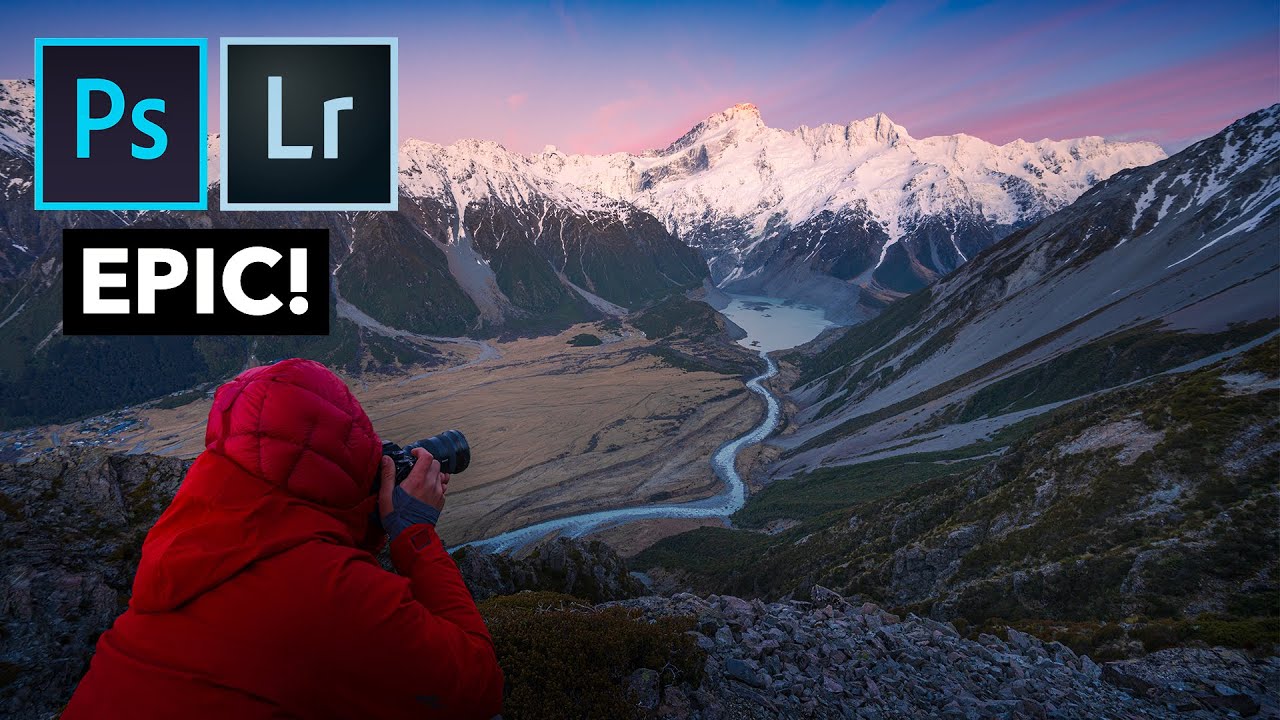
Hiking In, Sleeping Rough, and Focus Stacking at Sunrise: Lessons from William Patino's Alpine Workflow

Hiking In, Sleeping Rough, and Focus Stacking at Sunrise: Lessons from William Patino's Alpine Workflow

There’s a kind of shot that can’t be rushed and can’t be faked. You know the one. A mountain face catching first light, foreground plants sharp as a pin, sky still holding a blush of pre-dawn color, depth stretching from your boots to the horizon. I’ve been chasing that shot for two decades, and the honest truth is that the technical side, the focus stacking, the Lightroom processing, is usually the easier half.

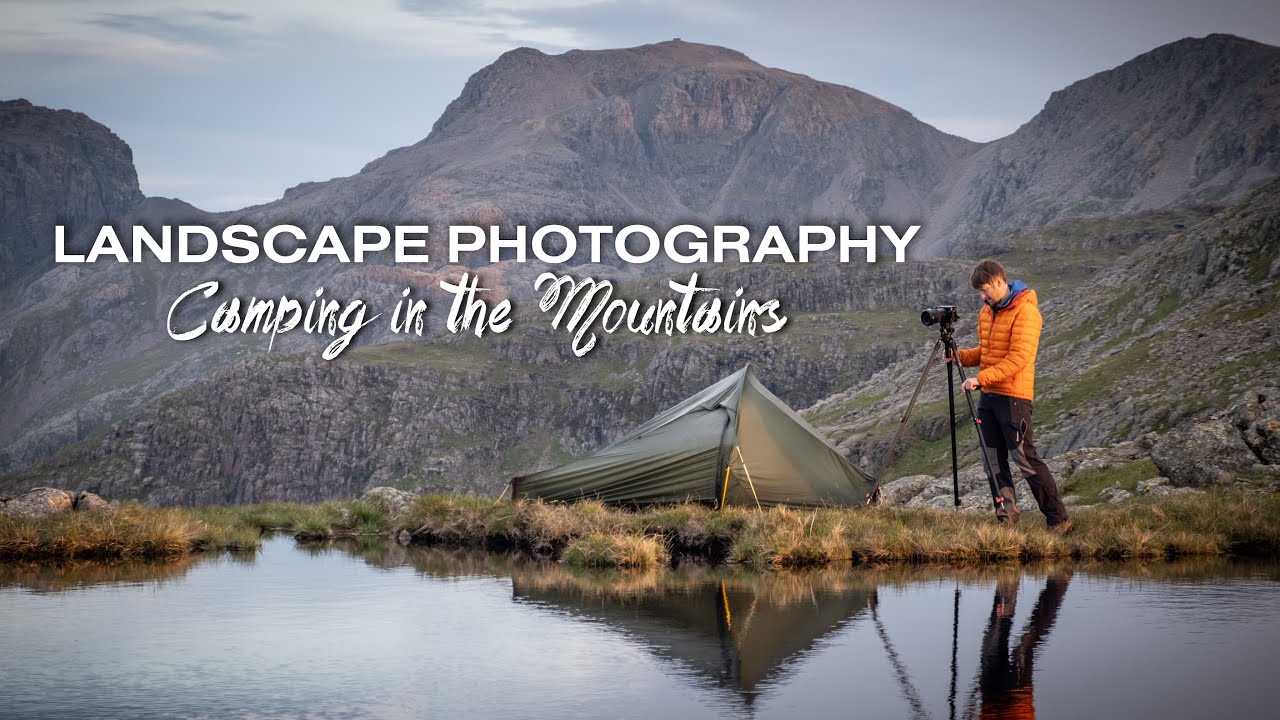
Camping in the Mountains for Landscape Photography: What Thomas Heaton Gets Right About Chasing Light

Camping in the Mountains for Landscape Photography: What Thomas Heaton Gets Right About Chasing Light

There’s a specific kind of suffering that comes with hauling too much gear up a mountain. I’ve done it more times than I care to admit. The extra filter system, the backup body, the “just in case” lens that adds two pounds and never leaves the bag. You tell yourself you’ll need it. You usually won’t. But every now and then, you pull out that polarizer at exactly the right moment, and the whole scene transforms in front of you.

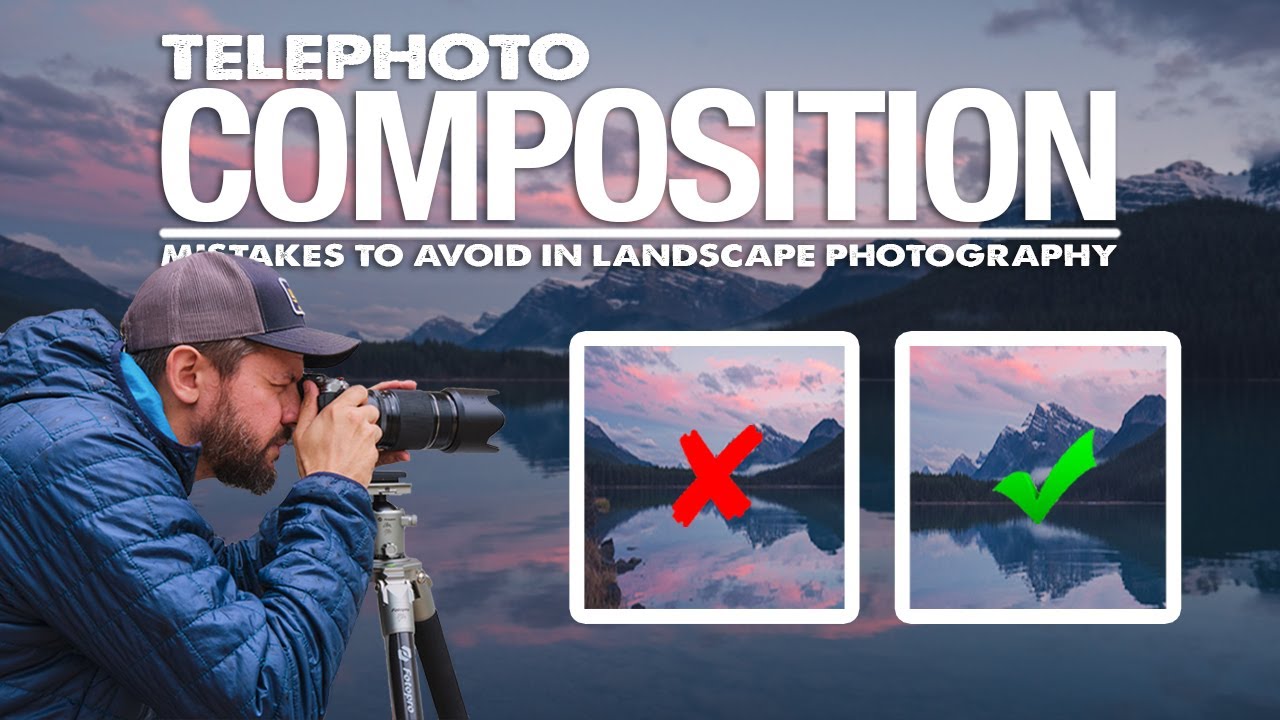
Scene Stuffing: The Long Lens Composition Trap That Almost Broke My Telephoto Work

Scene Stuffing: The Long Lens Composition Trap That Almost Broke My Telephoto Work

There is a specific kind of frustration that comes from standing in front of a genuinely beautiful scene, making what feels like a thoughtful composition with a long lens, and then pulling up the image on your laptop that night and feeling nothing. The light was there. The subject was there. And somehow the photograph is a mess. For years I chalked that up to some vague failure of artistic instinct.

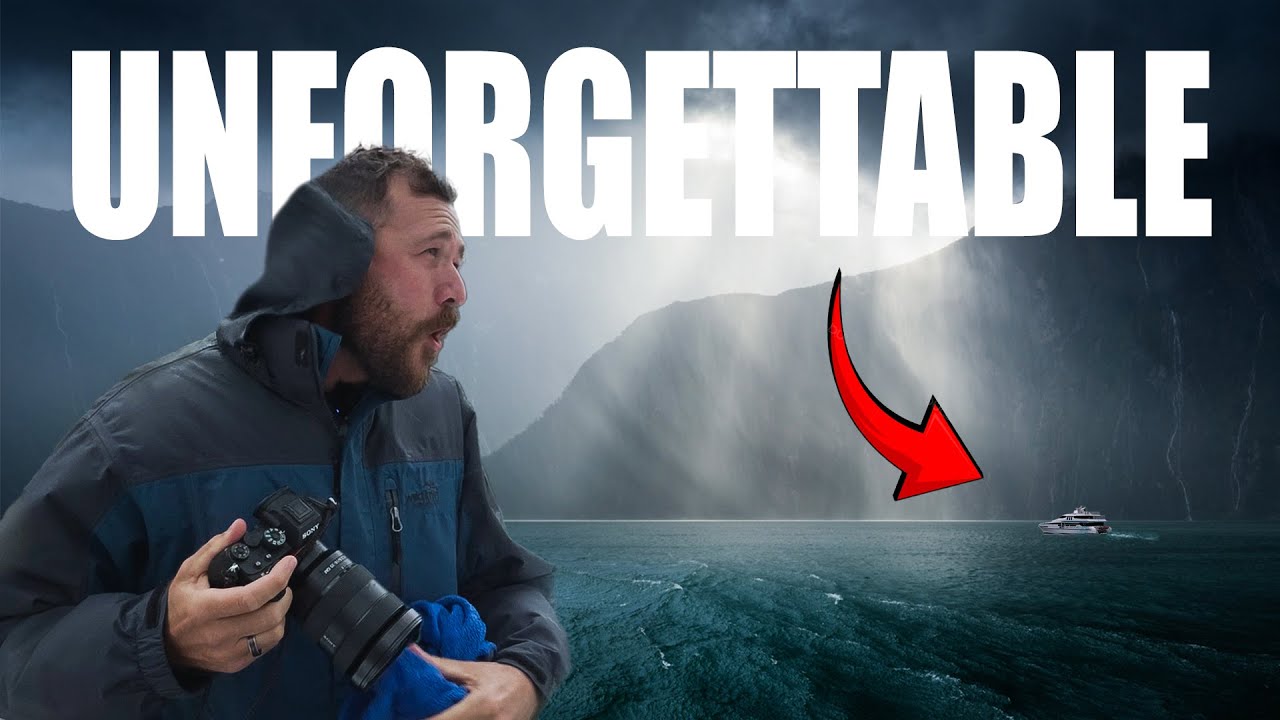
Shooting in the Rain: What a Milford Sound Cruise Taught Me About Embracing Difficult Light

Shooting in the Rain: What a Milford Sound Cruise Taught Me About Embracing Difficult Light

Most of my best work has come from conditions I didn’t plan for. A mentor once told me that the mountain doesn’t care about your schedule, and I’ve spent two decades proving him right. The shots that sell, the ones that stop people mid-scroll, almost never happen on the blue-sky days. They happen when something is moving, when the light is strange, when the weather is doing something uncomfortable and most photographers have stayed home.

Two Strong Shots Beat a Memory Card Full of Maybes

Two Strong Shots Beat a Memory Card Full of Maybes

There’s a particular kind of stubbornness that sends landscape photographers up mountains in terrible weather. I’ve done it more times than I can count, standing on some exposed ridgeline in the pre-dawn dark, hat pulled low, wondering what exactly I thought was going to happen. Most of the time, nothing magical does. You get what the day gives you, and if you’re smart, you work with it instead of against it.

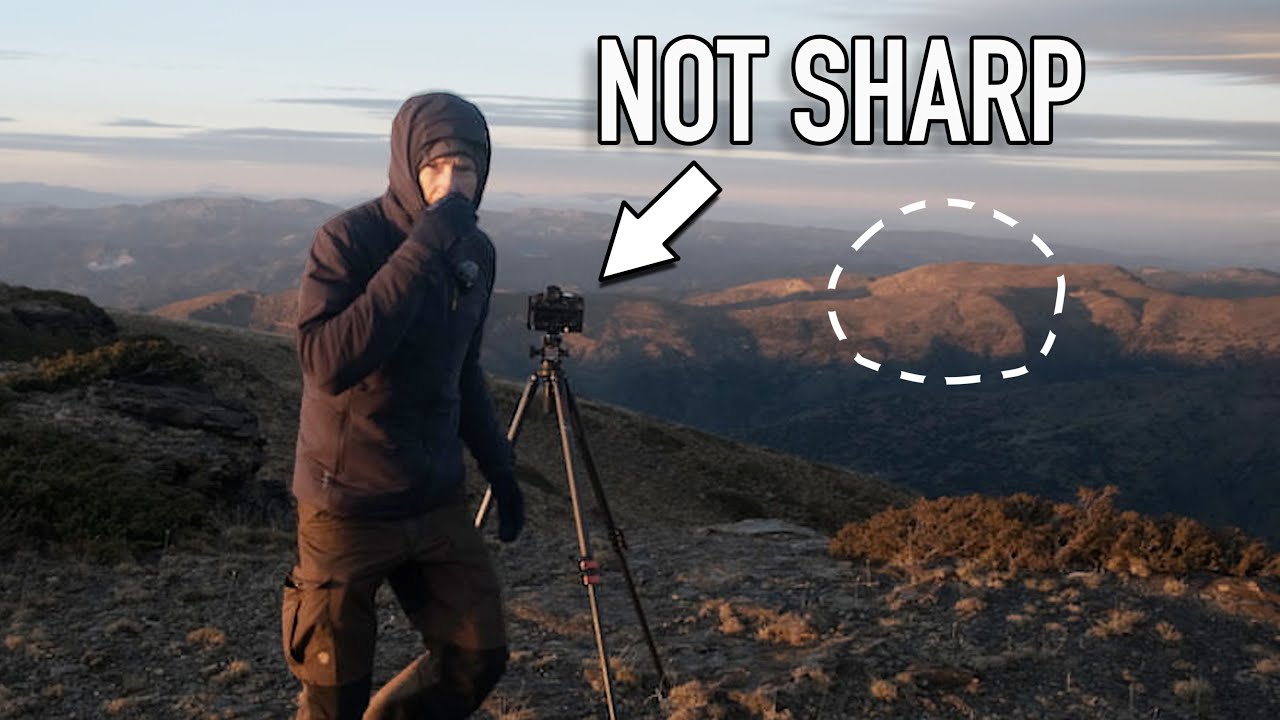
Why Your Landscape Images Aren't Sharp (And What to Actually Do About It)

Why Your Landscape Images Aren't Sharp (And What to Actually Do About It)

Sharpness has humbled me more times than I care to admit. Twenty years into this work, I still occasionally pull up an image on the big monitor back in my studio in Bend and feel that sinking recognition — soft edges, a slightly missed focus point, motion blur I didn’t notice in the field because I was too excited about the light. It’s one of those problems that doesn’t announce itself until it’s too late, and by then the golden hour is gone and you’re driving home with a card full of near-misses.

Hidden Gems: The Landscape Photography YouTube Channels Worth Losing a Saturday Morning To

Hidden Gems: The Landscape Photography YouTube Channels Worth Losing a Saturday Morning To

Most Saturday mornings I’m up before four, coffee in hand, watching the sky through the kitchen window and deciding whether the light is worth the drive. But some mornings I stay in. The truck doesn’t move, the lucky hat stays on the hook, and I park myself with a second cup and go looking for photographers who see the world differently than I do. Not the ones the algorithm pushes at me automatically, the household names with a million subscribers, but the quieter voices doing genuinely interesting work in the field.

How to Stop Planning and Start Finding: Landscape Photography Lessons from New Zealand's Fiordland

How to Stop Planning and Start Finding: Landscape Photography Lessons from New Zealand's Fiordland

There’s a version of landscape photography that looks like this: you study the location for weeks, you pin exact GPS coordinates, you show up at the precise calculated moment of golden hour, and you execute a shot you already pre-visualized on your phone. I’ve done that. I still do that sometimes. But some of my strongest images, including the foggy Columbia River print that’s been my bestseller for three years now, came from the opposite approach.

What a 3-Month Photography Road Trip Taught Me About Planning, Timing, and Knowing When to Crop

What a 3-Month Photography Road Trip Taught Me About Planning, Timing, and Knowing When to Crop

I’ve driven six hours to a location, sat in thick fog for two days, and come home with exactly one usable frame. That shot is now my best-selling print. I tell that story not to romanticize suffering but because it made something permanent and true in the way I approach this work: the conditions you get are not always the conditions you planned for, and your ability to adapt in the field separates a good photographer from a great one.

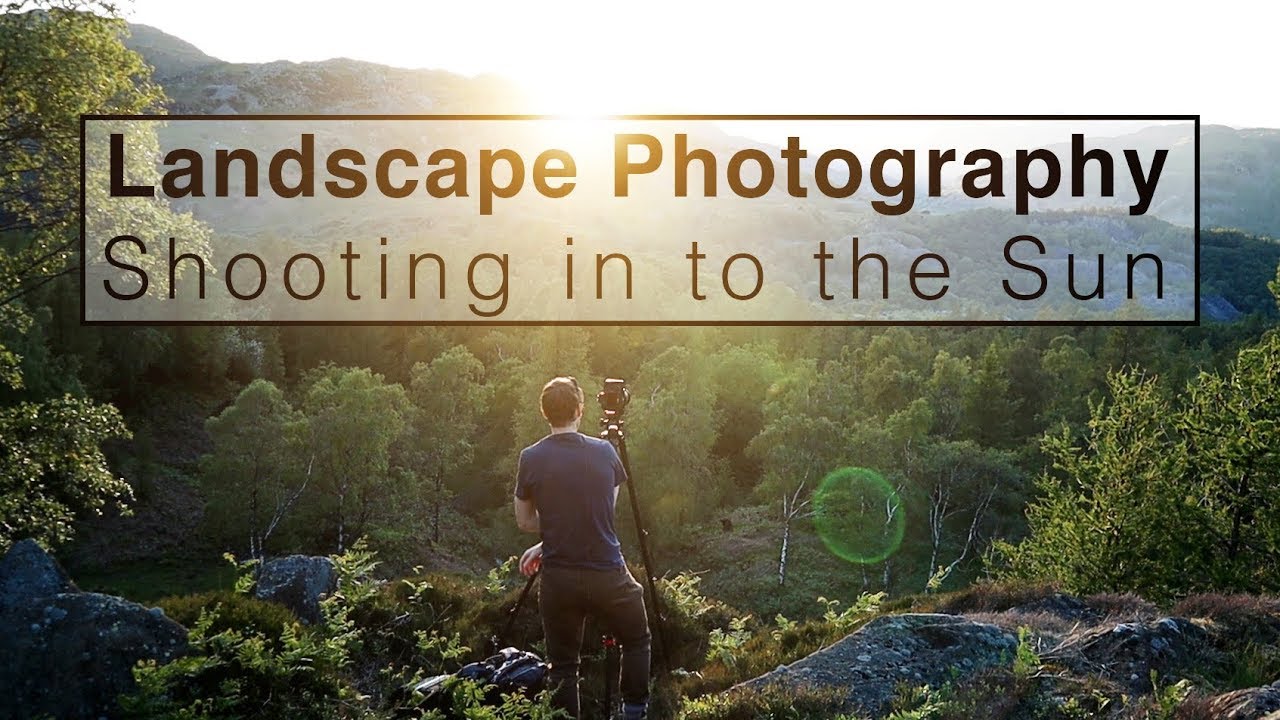
Shooting Into the Sun: A Field Guide to Backlit Landscape Photography

Shooting Into the Sun: A Field Guide to Backlit Landscape Photography

There is a version of this problem I have lived through dozens of times. You arrive at a location and the sun is doing something extraordinary, except it is doing it directly into your lens. Every instinct trained into you says turn around, find the nice soft sidelight, don’t fight the physics. For years I listened to that instinct and walked away from shots I still think about. What changed my approach was watching photographers who refused to flinch, who pointed their cameras straight at the light source and built compositions around it rather than away from it.

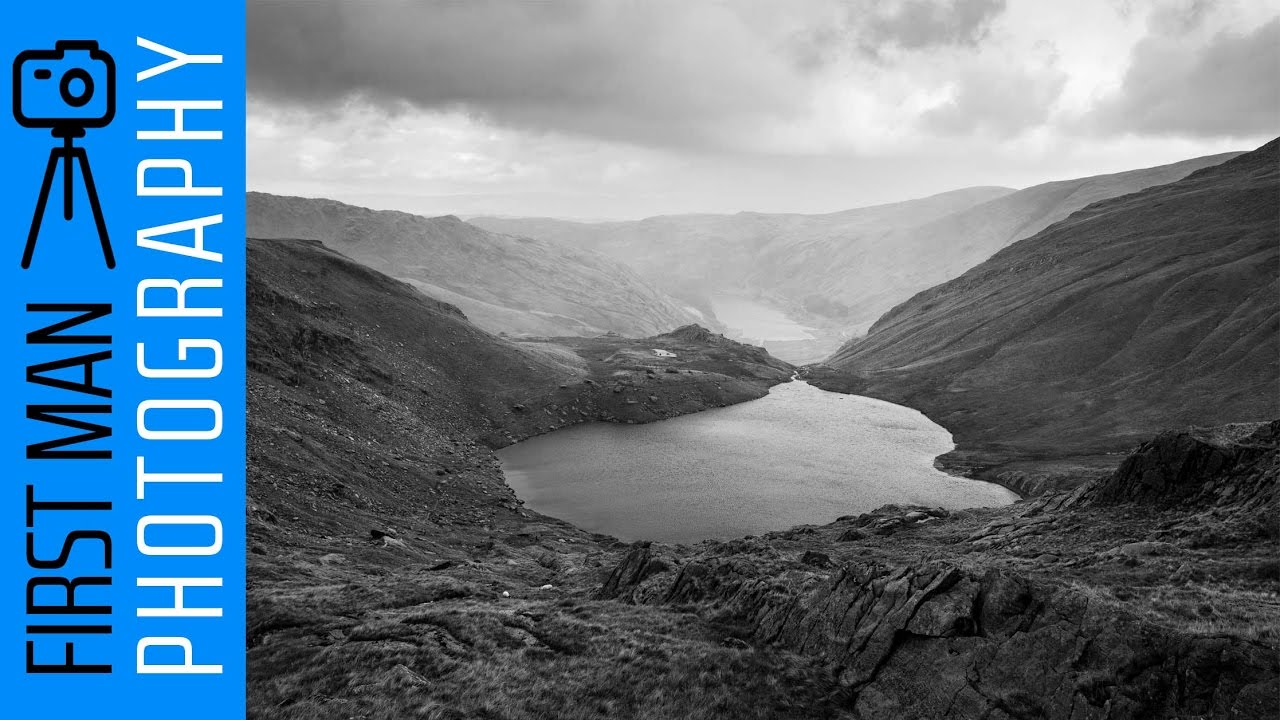
Shooting Sunset to Sunrise in the Lake District: What This Tutorial Taught Me About Working Difficult Light

Shooting Sunset to Sunrise in the Lake District: What This Tutorial Taught Me About Working Difficult Light

There’s a specific kind of frustration that comes with arriving at a beautiful location and watching the light refuse to cooperate. I’ve been waking up before four in the morning for twenty years, and I still haven’t made peace with it. What I have learned is that photographers who come home with strong images aren’t the ones who had better weather. They’re the ones who kept working when the light was complicated.