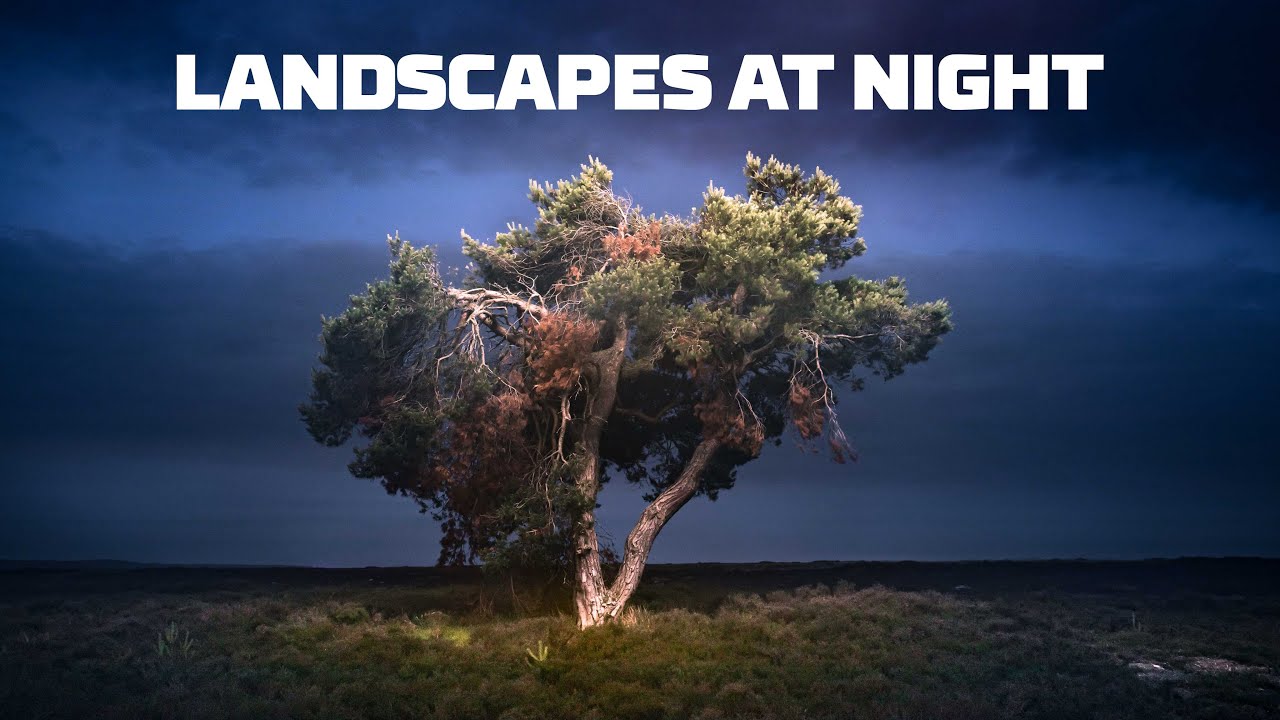
There’s a particular kind of grief that hits when you arrive at a location you love and find it changed for the worse. I’ve felt it standing at the edge of a meadow in the Cascades that had been partially cleared, and I felt it again watching this tutorial. In this First Man Photography video, Adam arrives at a lone tree he’s photographed before on the North York Moors, only to find branches snapped off, the heather thinning around it, and eventually a discarded smoke bomb near the base. Watch the full tutorial on YouTube
What keeps the video from being a complaint is what Adam does next. He picks up the litter, considers the most charitable explanation for the damage (lightning, as a friend suggests), and then photographs the tree anyway. That decision, to show up and work with what the landscape actually gives you instead of the landscape you planned for, is the real technique being taught here. I’ve driven through the night to a location only to find it socked in with fog for two days straight. The image I came home with, one quiet shot through the mist, became my best-selling print. The mountain doesn’t care about your schedule. You work with what’s there.
This tutorial sits at the intersection of field craft, ethics, and the new creative possibilities that drone photography has opened up for landscape work. If you’ve been wondering how to fold aerial perspectives into a practice that still feels grounded in place, this is worth a close watch.
Step 1: Arrive Early and Read the Scene Before You Set Up
 Adam standing near a lone tree on open moorland at golden hour
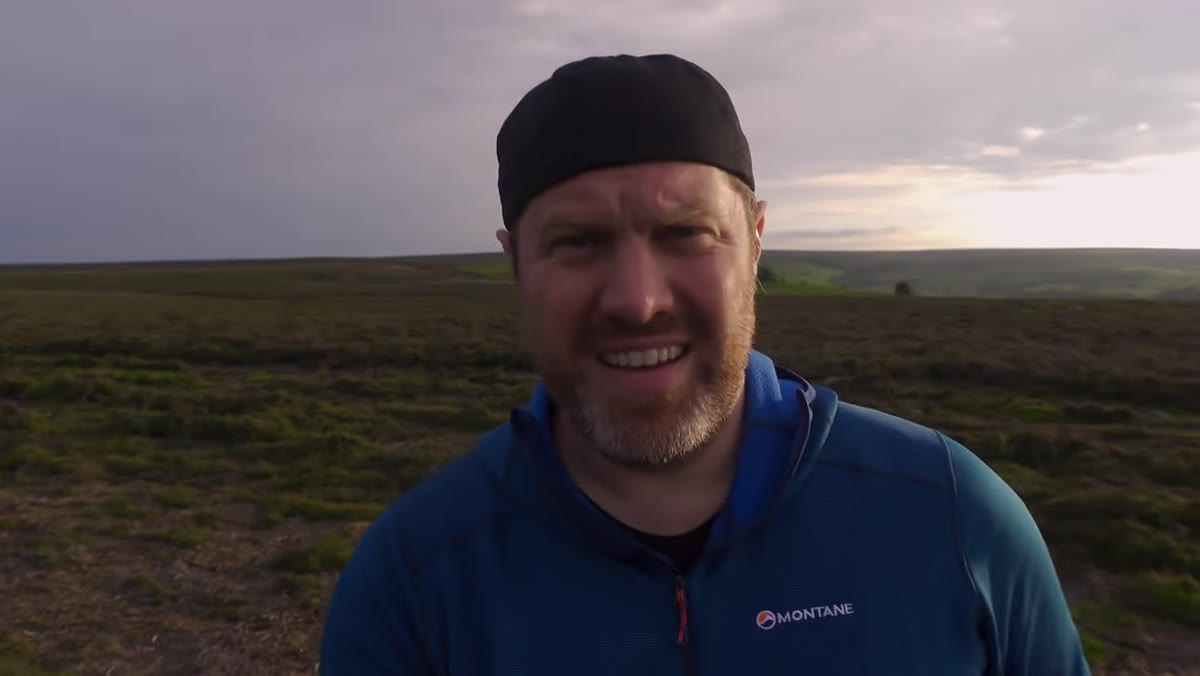
Get to your location before the light peaks and spend the first ten to fifteen minutes just walking. Don’t reach for the camera bag. Adam circles the tree, examines the branches up close, and builds an emotional and visual understanding of the subject before he decides how to photograph it. This isn’t wasted time. It shapes every framing decision you’ll make afterward.
Adam standing near a lone tree on open moorland at golden hour
Get to your location before the light peaks and spend the first ten to fifteen minutes just walking. Don’t reach for the camera bag. Adam circles the tree, examines the branches up close, and builds an emotional and visual understanding of the subject before he decides how to photograph it. This isn’t wasted time. It shapes every framing decision you’ll make afterward.
On a practical level, a slow walk reveals things a quick glance misses: how the heather lays around the base, which angles leave distracting elements in frame, where the light will fall in twenty minutes. I wear the same hat on every shoot, partly superstition, partly because it keeps the sun out of my eyes while I’m doing exactly this kind of slow reconnaissance. Routine grounds you when the scene surprises you.
Step 2: Accept the Scene in Front of You, Not the One You Remembered
 Close view of damaged and dead branches on the lone tree
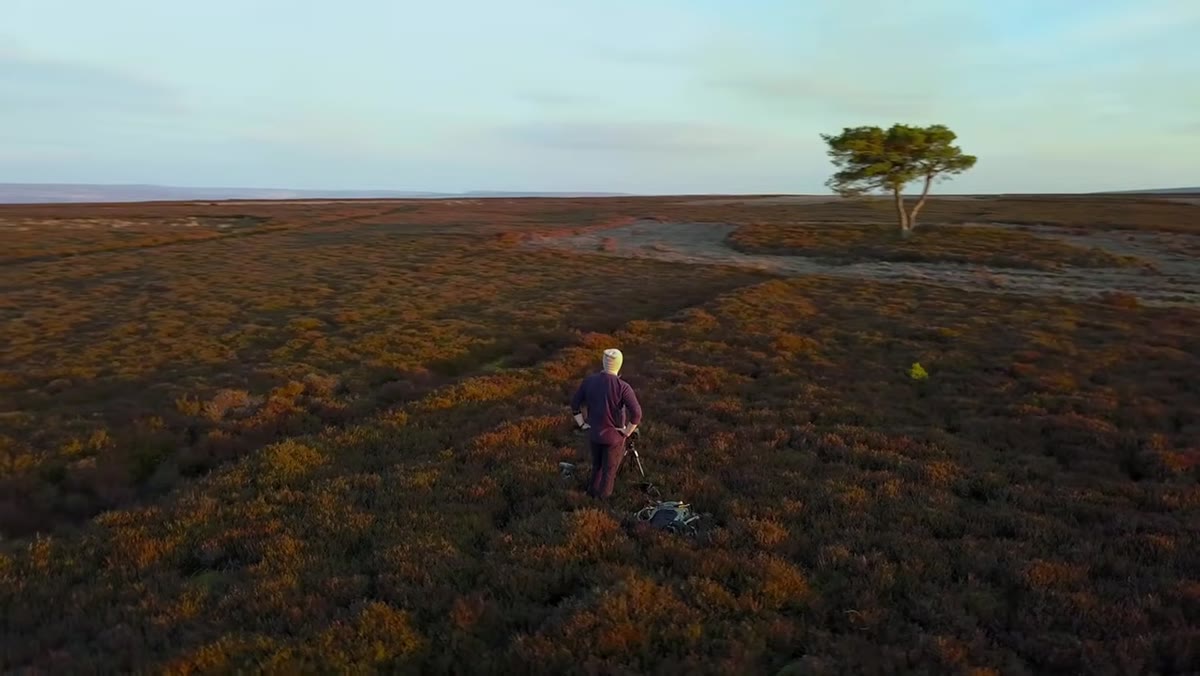
Adam has a reference image of this tree from a previous visit. The current state doesn’t match it. The instinct for many photographers is to leave and come back when conditions are better, or to try to fix the scene artificially. The smoke bomb someone left behind suggests another photographer tried exactly that approach and, in doing so, damaged the location.
Close view of damaged and dead branches on the lone tree
Adam has a reference image of this tree from a previous visit. The current state doesn’t match it. The instinct for many photographers is to leave and come back when conditions are better, or to try to fix the scene artificially. The smoke bomb someone left behind suggests another photographer tried exactly that approach and, in doing so, damaged the location.
The more useful move is to ask what the scene is now, not what it was. Dead branches create texture. A tree that has survived lightning has a different story to tell than a perfectly symmetrical one. Letting go of your pre-visualized shot is genuinely hard, but it’s also where original work comes from. If you only photograph places when they match the image in your head, you’ll spend most of your time frustrated.
Step 3: Practice Leave No Trace as an Active Habit, Not a Passive One
 Adam picking up the discarded smoke bomb from the ground near the tree
Adam finds the smoke bomb, names why it bothers him, and then picks it up and takes it out with him. That’s the whole step. Carry a bag. Remove what you find, not just what you brought. This is especially relevant as drone photography draws photographers to more remote and sensitive locations that may not have regular foot traffic or maintenance.
Adam picking up the discarded smoke bomb from the ground near the tree
Adam finds the smoke bomb, names why it bothers him, and then picks it up and takes it out with him. That’s the whole step. Carry a bag. Remove what you find, not just what you brought. This is especially relevant as drone photography draws photographers to more remote and sensitive locations that may not have regular foot traffic or maintenance.
The ethics issue Adam raises goes beyond litter. Using artificial smoke or other effects in natural areas can disturb nesting birds, stress animals, and damage fragile ground cover like heather. The temptation to manufacture atmosphere is understandable. The tools exist, the results can look dramatic. But the locations are not props. I’ve watched heather moorland take years to recover from a single badly placed shoot. The access we have to beautiful places is a privilege that erodes the moment we stop treating it as one.
Step 4: Let the Light Dictate Your Timing, Not Your Deadline
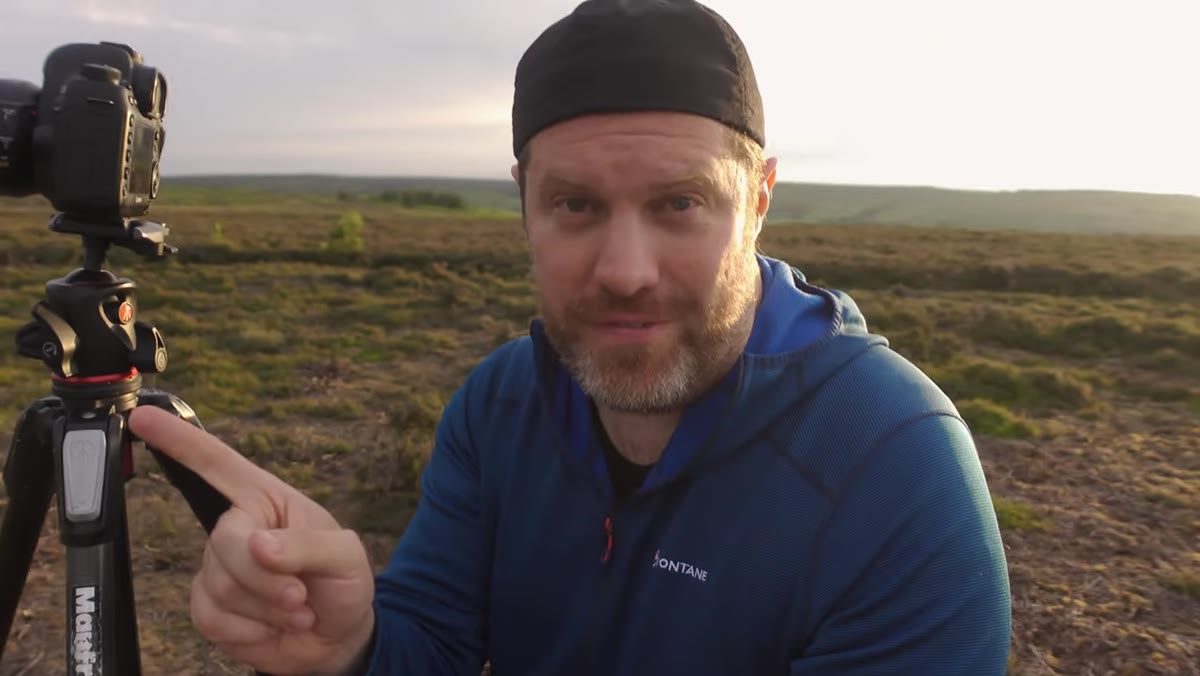 Warm golden hour light falling across the moorland and tree
Adam notes that he’s been at the tree for a while and the light is now falling well on it. He didn’t rush the shot to make a train or hit a self-imposed golden-hour window. He waited, observed, and caught the moment the scene offered him something genuine.
Warm golden hour light falling across the moorland and tree
Adam notes that he’s been at the tree for a while and the light is now falling well on it. He didn’t rush the shot to make a train or hit a self-imposed golden-hour window. He waited, observed, and caught the moment the scene offered him something genuine.
In practical terms: check the sun angle before you leave home using a tool like PhotoPills or the Photographer’s Ephemeris. Know roughly when and from which direction the best light will arrive. Then build in buffer time on both ends. Arriving ninety minutes early is not wasteful. It’s what separates a snapshot from a considered image.
Step 5: Build the Drone Perspective Around a Ground-Level Anchor
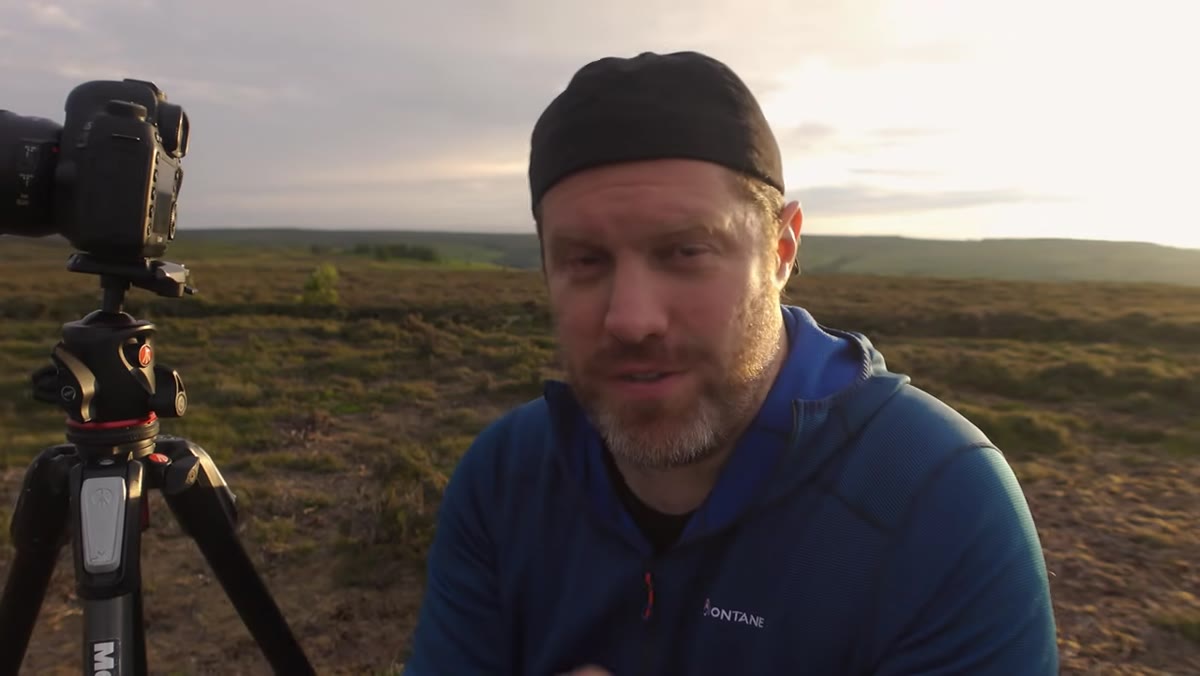 Adam preparing to use a drone above the moorland landscape
The new style of landscape photography Adam refers to in the title involves using a drone not as a replacement for ground-level work but as an extension of it. The lone tree becomes an anchor point that the aerial footage and imagery can refer back to. Viewers have a sense of place because you established it from eye level first.
Adam preparing to use a drone above the moorland landscape
The new style of landscape photography Adam refers to in the title involves using a drone not as a replacement for ground-level work but as an extension of it. The lone tree becomes an anchor point that the aerial footage and imagery can refer back to. Viewers have a sense of place because you established it from eye level first.
When planning a drone sequence around a landscape subject, start with your ground shots and identify the element that gives the scene its meaning: a specific rock formation, a river bend, a single tree. Then use the drone to show its relationship to the surrounding landscape. Altitude without context is just aerial footage. Context is what turns it into storytelling.
What I Do Differently in the High Desert
Twenty years of shooting in central Oregon has taught me that the landscape is going to do something unexpected almost every time. The light shifts faster than forecast, the wildflowers are two weeks behind, the access road is closed. I’ve started keeping a secondary location list for every shoot, somewhere within twenty minutes that photographs well in similar conditions. When the primary location disappoints, I don’t sit and sulk. I drive to the backup and work.
Adam’s approach, staying with a damaged tree and finding something worth photographing in it anyway, is the same instinct applied differently. You don’t abandon the session. You adapt and keep working. Some of the most honest landscape images I’ve made came from moments when the plan fell apart completely.
The single most useful thing this tutorial reinforces is that craft and ethics are not separate concerns. How you treat the location, how honestly you render it, and how patiently you wait for it to reveal itself are all part of the same practice. Drone photography amplifies both the creative possibilities and the responsibility.
Watch the full tutorial on YouTube and pay particular attention to the moments when Adam is just walking and thinking. That’s the technique most tutorials skip.
Comments
Leave a Comment