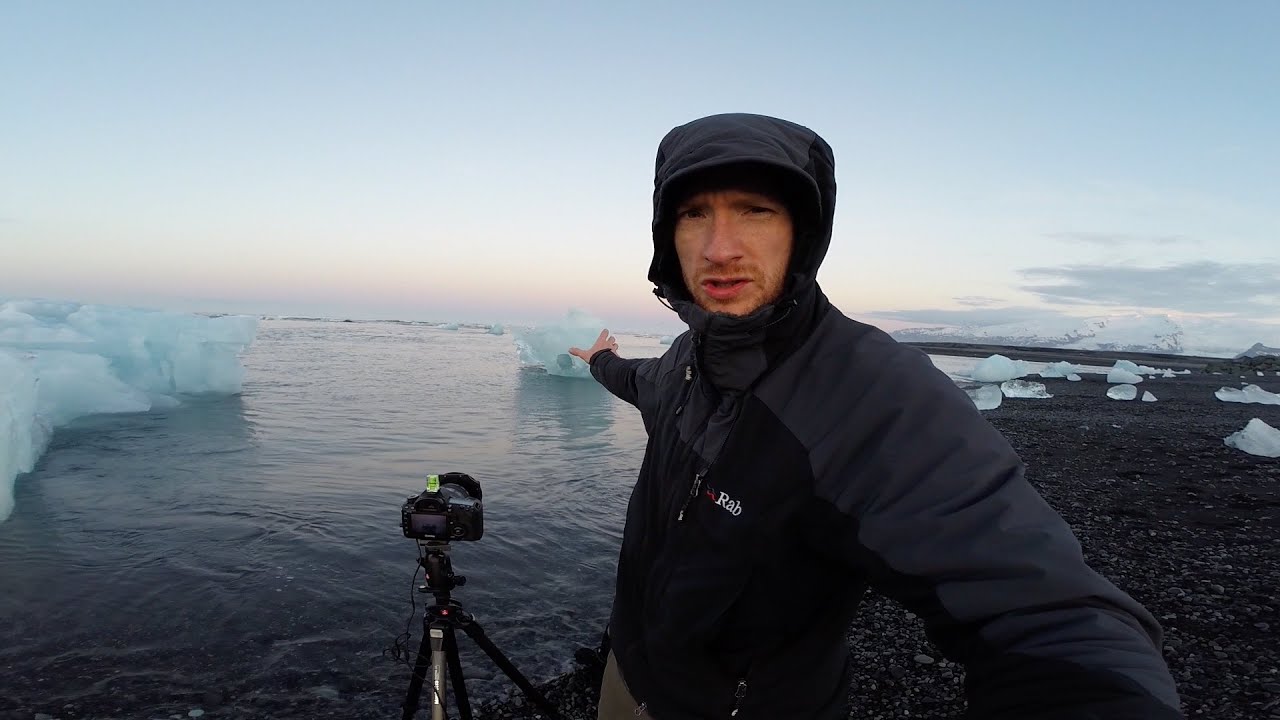
Capturing the Coast: Finding Light and Moment in Shoreline Photography

Capturing the Coast: Finding Light and Moment in Shoreline Photography

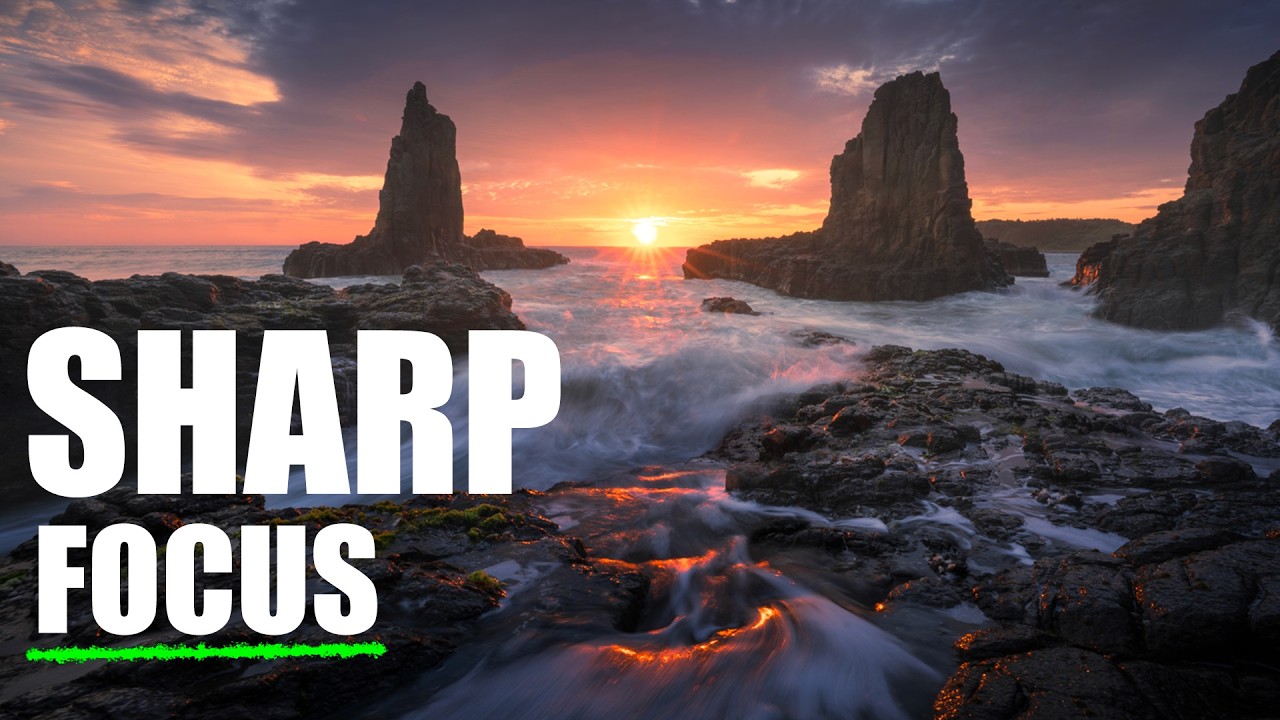
The Complexity of Coastal Light Standing at the shoreline at dawn, I’ve learned that coastal light behaves differently than inland light. The ocean’s reflective surface bounces and scatters light unpredictably, creating zones of brightness that shift minute by minute. This sounds poetic, but it’s also a technical problem that catches photographers off guard. What I’ve found most useful is bracketing aggressively—I typically shoot three to five exposures separated by one full stop rather than the standard half-stop increments.

Camera Gear Inflation: Why Landscape Photographers Need to Invest Now

Camera Gear Inflation: Why Landscape Photographers Need to Invest Now

The Rising Cost of Digital Tools I’ve been spending a lot of time lately thinking about the true cost of pursuing landscape and nature photography. It’s not just about the camera body anymore—it’s about every piece of technology that supports our craft. And lately, those prices have been climbing steadily. The consumer electronics market is experiencing significant price pressures that ripple directly into our industry. While I won’t focus on gaming consoles here, the broader economic forces at play affect everything from our editing workstations to our backup storage solutions.

Breaking Barriers: How Wearable Exoskeletons Are Opening New Frontiers for Nature Photographers

Breaking Barriers: How Wearable Exoskeletons Are Opening New Frontiers for Nature Photographers

The Physical Toll of Chasing Light I’ve spent enough mornings hiking to alpine meadows and scrambling across rocky ridges to know the truth: landscape photography demands more than just creative vision and technical skill. It demands endurance. It demands strength. It demands a body willing to cooperate with your ambitions. For years, this physical requirement has quietly locked countless photographers out of the wilderness. Back injuries, arthritis, limited mobility, or simply the accumulated weariness of age—these aren’t character flaws or reasons to abandon the craft.

Blue Hour Photography: The Overlooked Golden Time

Blue Hour Photography: The Overlooked Golden Time

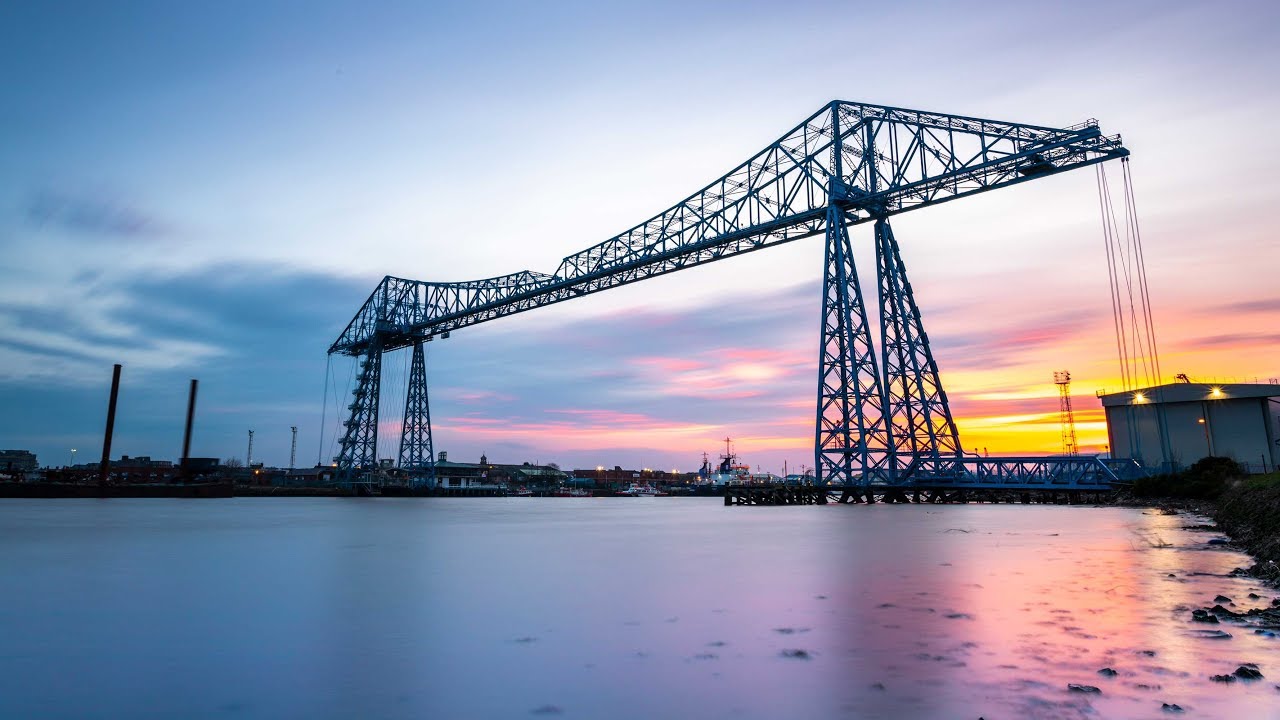
Every photographer knows golden hour. Far fewer make deliberate use of blue hour — the period of deep twilight before sunrise and after sunset when the sky turns a rich, saturated blue. This overlooked window produces some of the most atmospheric landscape images possible, with a color palette and mood that no other time of day can match. When Blue Hour Happens Blue hour occurs when the sun is between 4 and 8 degrees below the horizon.

Beyond the Gear: Finding Your Voice When Technology Does the Heavy Lifting

Beyond the Gear: Finding Your Voice When Technology Does the Heavy Lifting

There’s a moment I experience regularly now, standing in the pre-dawn stillness waiting for light to touch a distant ridge. My camera’s autofocus system is so sophisticated it could track a hummingbird through a thicket. My sensor reads light better than my eyes ever could. And yet, I find myself wondering: what separates a technically perfect image from one that actually moves someone? The Technological Leap Forward We’re living through a remarkable inflection point in wildlife and nature photography.

Best Tripods for Landscape Photography in 2026

Best Tripods for Landscape Photography in 2026

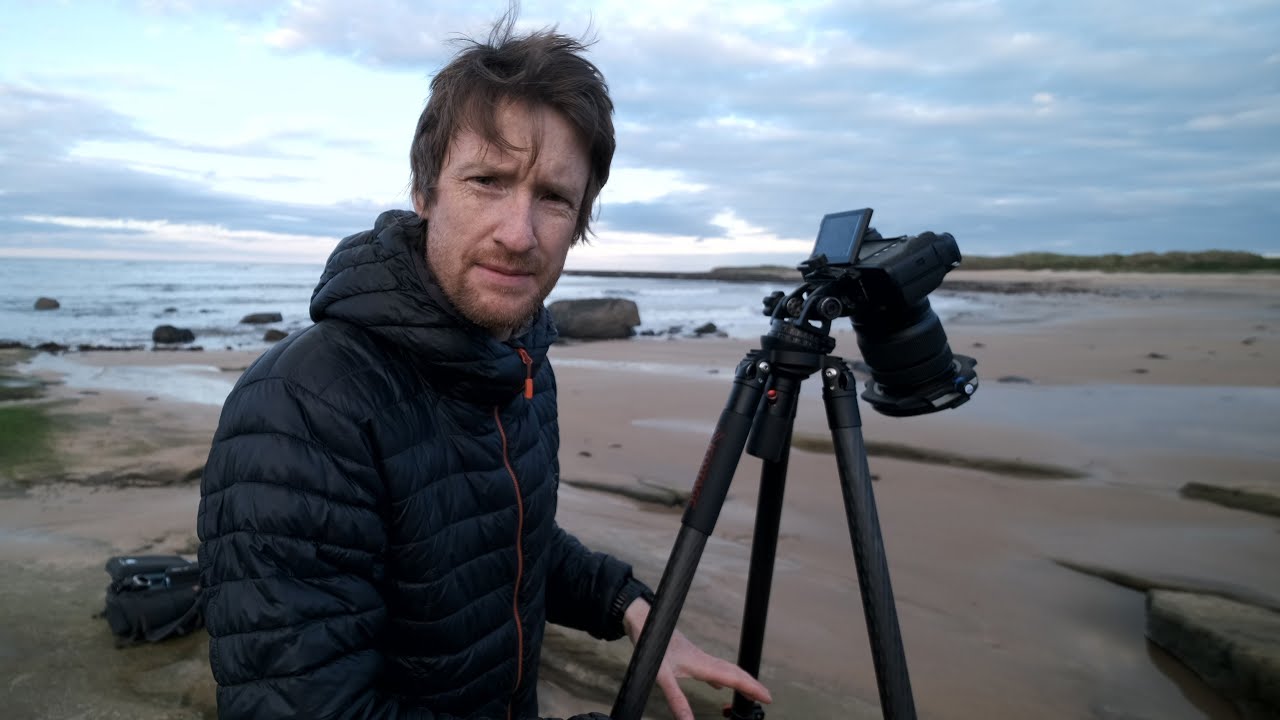
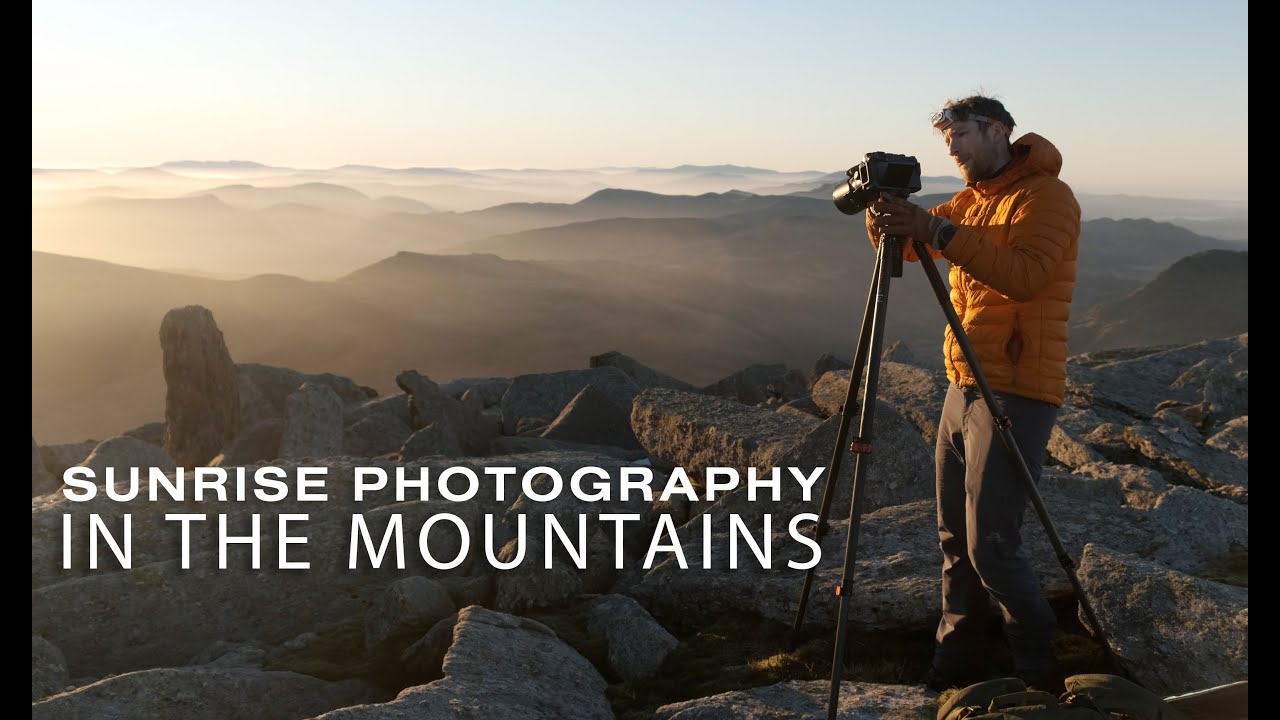
Best Tripods for Landscape Photography in 2026 I’ve spent enough mornings standing in cold mountain air, watching light transform the landscape, to know that a tripod is never just a tripod. It’s the foundation of intention. It’s what separates the snapshot from the image you’ve genuinely composed. A good tripod becomes invisible—you stop thinking about it and start thinking about the world in front of your lens. A bad one reminds you of its existence every time the wind gusts or you adjust your framing.

The Best Time of Day for Landscape Photography

The Best Time of Day for Landscape Photography

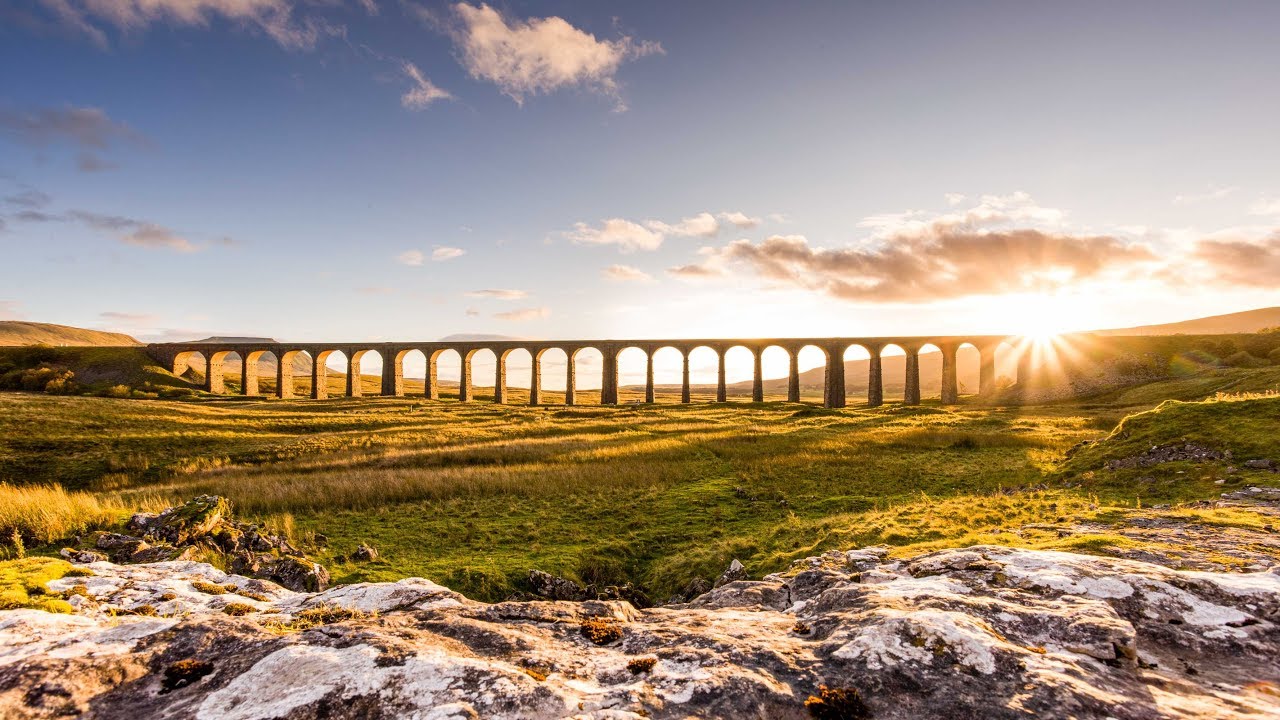
Ask any experienced landscape photographer what single factor matters most, and most will say the same thing: light. The quality of natural light changes dramatically throughout the day, and understanding these shifts is fundamental to making images that feel alive. Golden Hour The period roughly 30 to 60 minutes after sunrise and before sunset produces the warm, directional light that defines classic landscape photography. The sun sits low on the horizon, casting long shadows that reveal texture in terrain.

After Sunset: Why Nocturnal Wildlife Photography is Reshaping African Safari Travel

After Sunset: Why Nocturnal Wildlife Photography is Reshaping African Safari Travel

The Night Safari Renaissance There’s a quiet revolution happening across Africa’s wild places, and it’s changing what we can capture through our lenses after the sun disappears. I’ve watched this shift unfold over recent seasons—a deliberate move by travelers and guides toward exploring ecosystems when darkness falls, revealing an entirely different cast of characters than the daytime safari circuit. For decades, traditional safari photography meant packing up your gear as golden hour faded.

A New Tool for Keeping Your Shooting Locations Clean and Pristine

A New Tool for Keeping Your Shooting Locations Clean and Pristine

Finding Clarity in the Field As landscape photographers, we’re constantly seeking the perfect conditions to capture nature at its finest. We arrive at sunrise, scout our compositions, and wait for that magical light. But what happens when fallen leaves, dust, and debris obscure the foreground we’ve carefully framed? I recently discovered that a new generation of versatile cleaning tools might be worth considering for our photography kits. When Your Location Needs a Fresh Canvas I’ve been in countless situations where my ideal composition was compromised by unwanted debris.