Why Your Waterfall Photos Look Flat (And What to Do Before You Even Raise the Camera)

Why Your Waterfall Photos Look Flat (And What to Do Before You Even Raise the Camera)

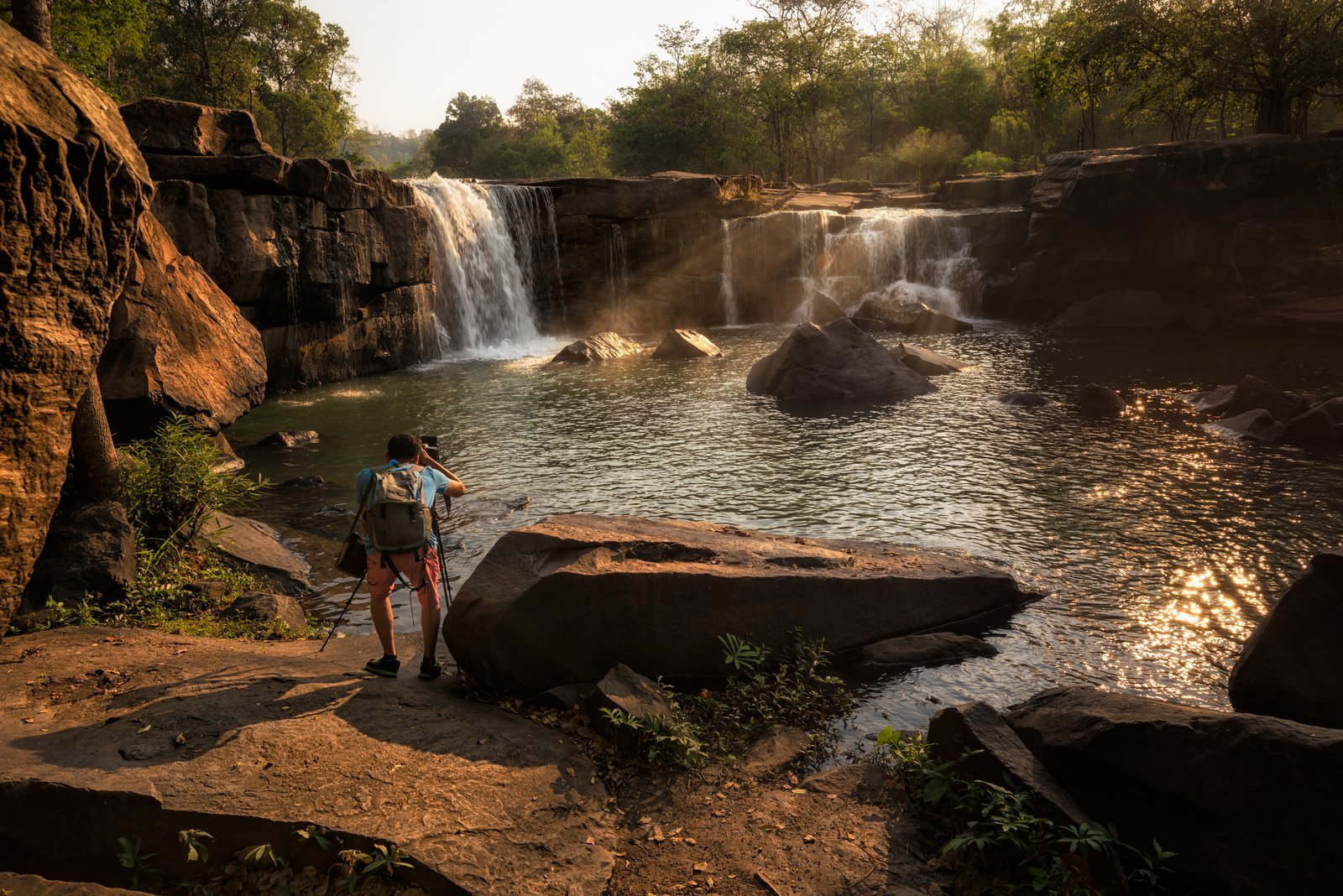
There’s a particular kind of disappointment that hits when you drive two hours into the Cascades, hike forty minutes to a waterfall, set up your tripod in the middle of a freezing creek, and come home with photographs that look exactly like every other waterfall photograph on the internet. Silky white water. Green moss. A little bit of mist. Technically fine. Completely forgettable. I’ve made thousands of those photographs. After twenty years shooting landscapes full-time, I can tell you that the problem almost never starts with the camera settings.
How to Shoot Landscapes in Wind and Rain (And Why You Should Stop Waiting for Perfect Weather)

How to Shoot Landscapes in Wind and Rain (And Why You Should Stop Waiting for Perfect Weather)

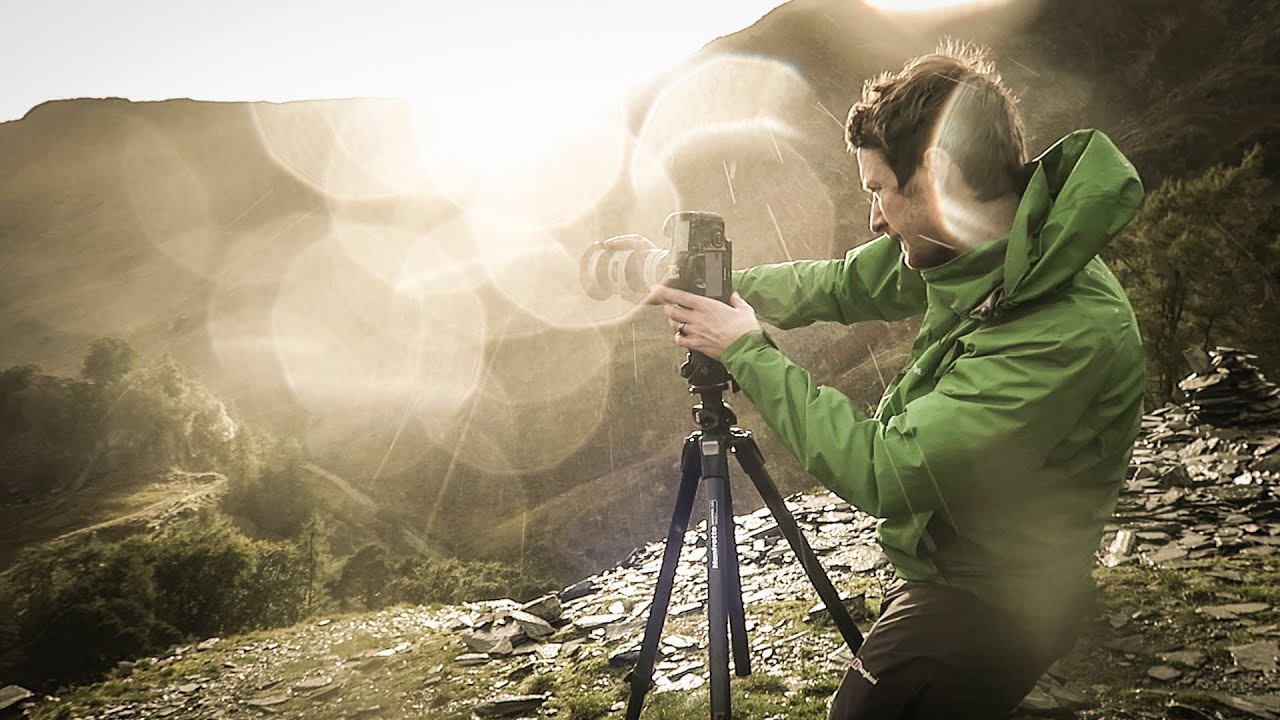
There’s a version of landscape photography that lives in your head before you leave the house. Golden light, still air, perfect conditions. Then there’s the version that actually happens. After twenty years of predawn alarms and six-hour drives to locations that greeted me with nothing but fog, I’ve made peace with the fact that the second version is where the real work happens. The trouble is, most photographers either head home when the weather turns or they freeze up trying to manage the chaos.

Keep It, Move It, or Kill It: The Element Removal Decision Every Landscape Photographer Faces

Keep It, Move It, or Kill It: The Element Removal Decision Every Landscape Photographer Faces

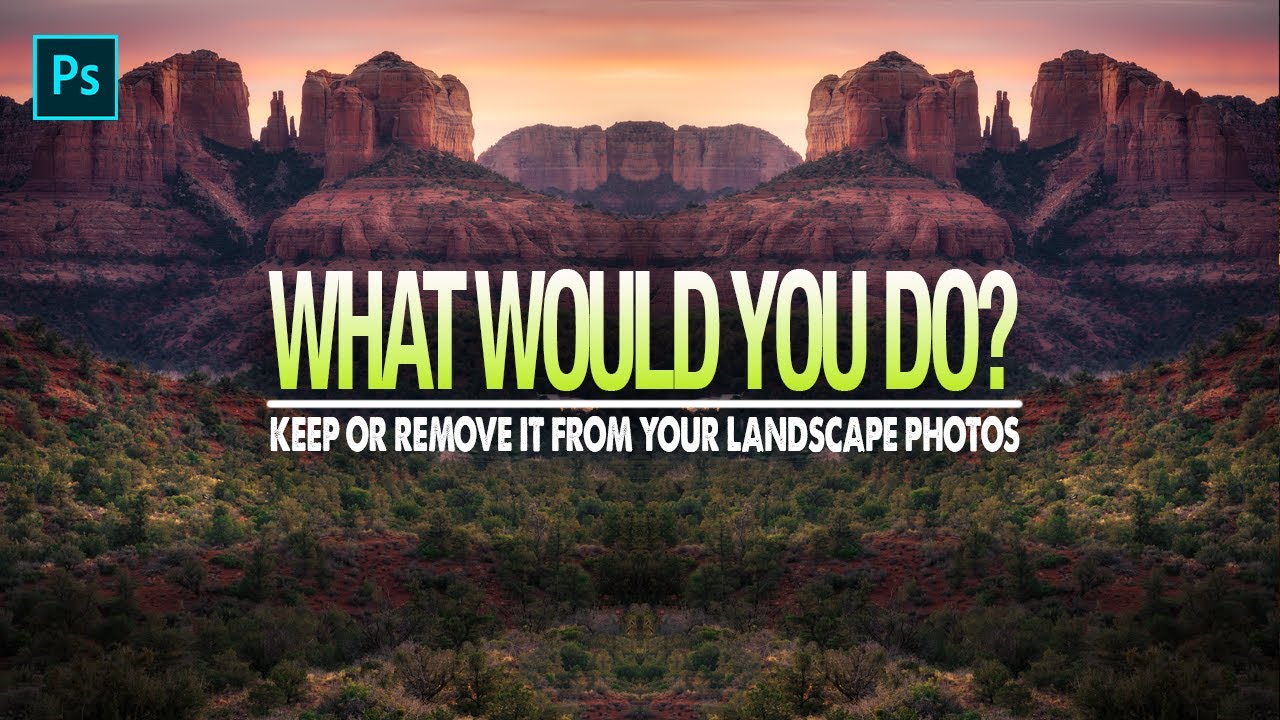
There’s a particular kind of paralysis that hits me when I’m sitting at my editing desk at 5am, coffee going cold, staring at a frame I know is almost right. Something in the image is pulling at my eye. A stray branch in the lower left. A utility pole ghosting through a ridgeline. A farmhouse sitting right in the middle of an otherwise clean sweep of desert light. I’ve been shooting landscapes full-time for two decades and that moment still stops me cold: do I take it out, leave it alone, or try to move it somewhere less damaging?

Finding Order in the Australian Bush: A Woodland Photography Walkthrough

Finding Order in the Australian Bush: A Woodland Photography Walkthrough

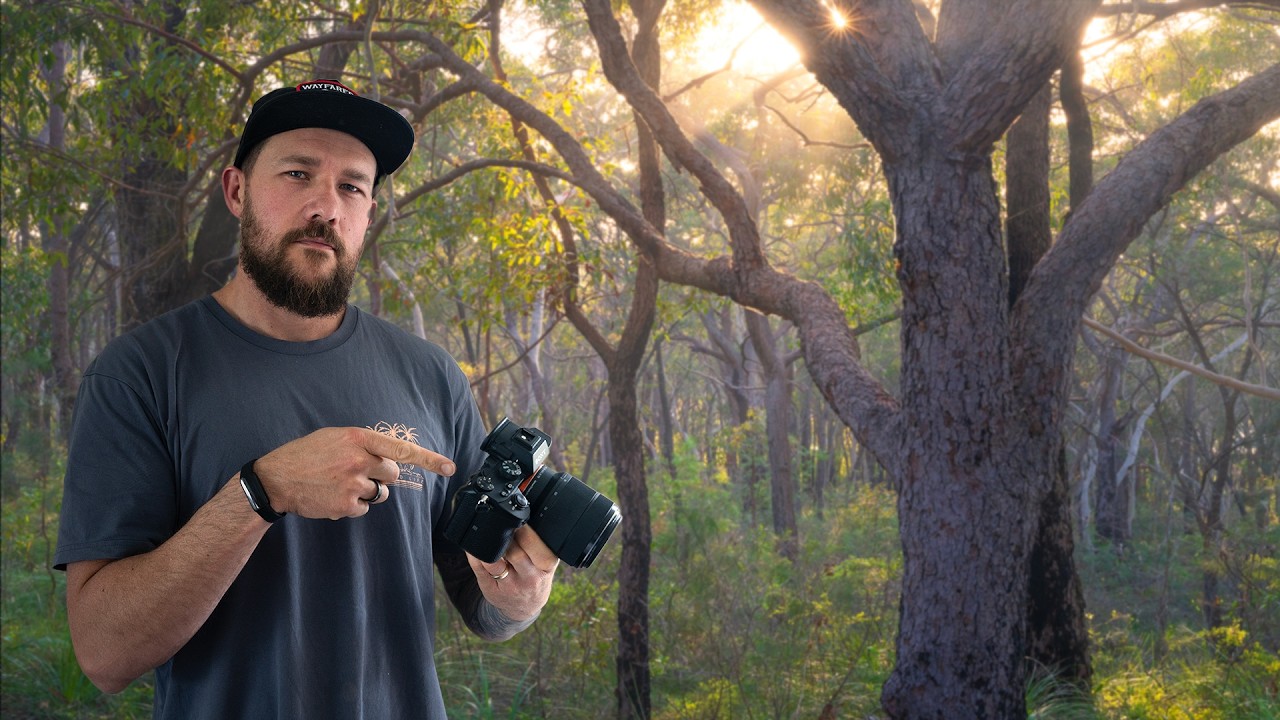
Forest and woodland photography has humbled me more times than I care to admit. After twenty years of working mostly in the American West, where I’ve learned to read sagebrush flats and volcanic ridgelines, I still find dense tree environments genuinely difficult. There’s no clean horizon line, no obvious subject, and the light behaves like it has its own agenda. I’ve stood in old-growth Douglas fir stands at golden hour feeling completely lost despite having a camera in my hands since my mid-twenties.

Why I Stopped Fighting the Mid-Range and Let the 24-120 Change My Kit

Why I Stopped Fighting the Mid-Range and Let the 24-120 Change My Kit

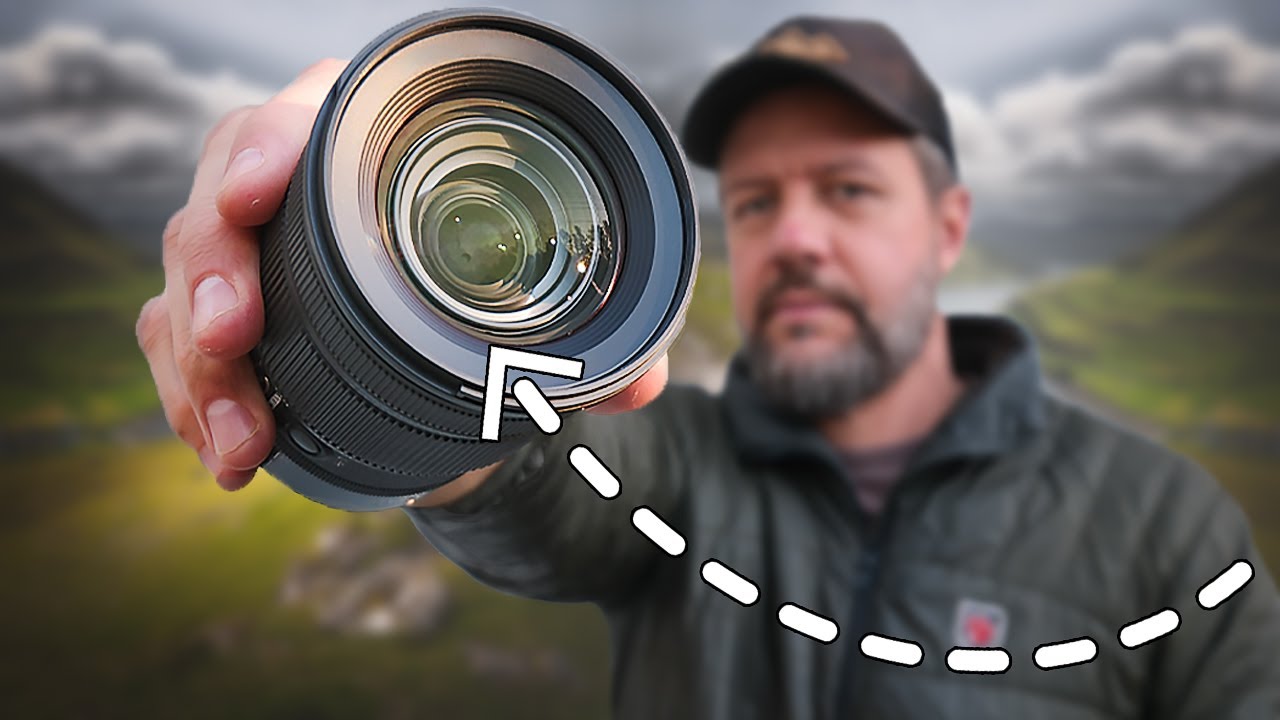
For most of my twenty years shooting landscapes, I lived at the extremes. Ultra-wide for the sweeping foreground-to-horizon compositions. Long telephoto for compression and isolation. The middle ground felt like no man’s land, a compromise zone for photographers who hadn’t made up their mind. I told myself that story for a long time, and it cost me shots. What changed my thinking wasn’t a single dramatic moment in the field. It was watching a working professional lay out exactly why he had quietly made a mid-range zoom his most-used lens over an entire year of serious travel photography.

Paddle In, Shoot Blind: What Chasing an Unmapped Waterfall Teaches You About Landscape Photography

Paddle In, Shoot Blind: What Chasing an Unmapped Waterfall Teaches You About Landscape Photography

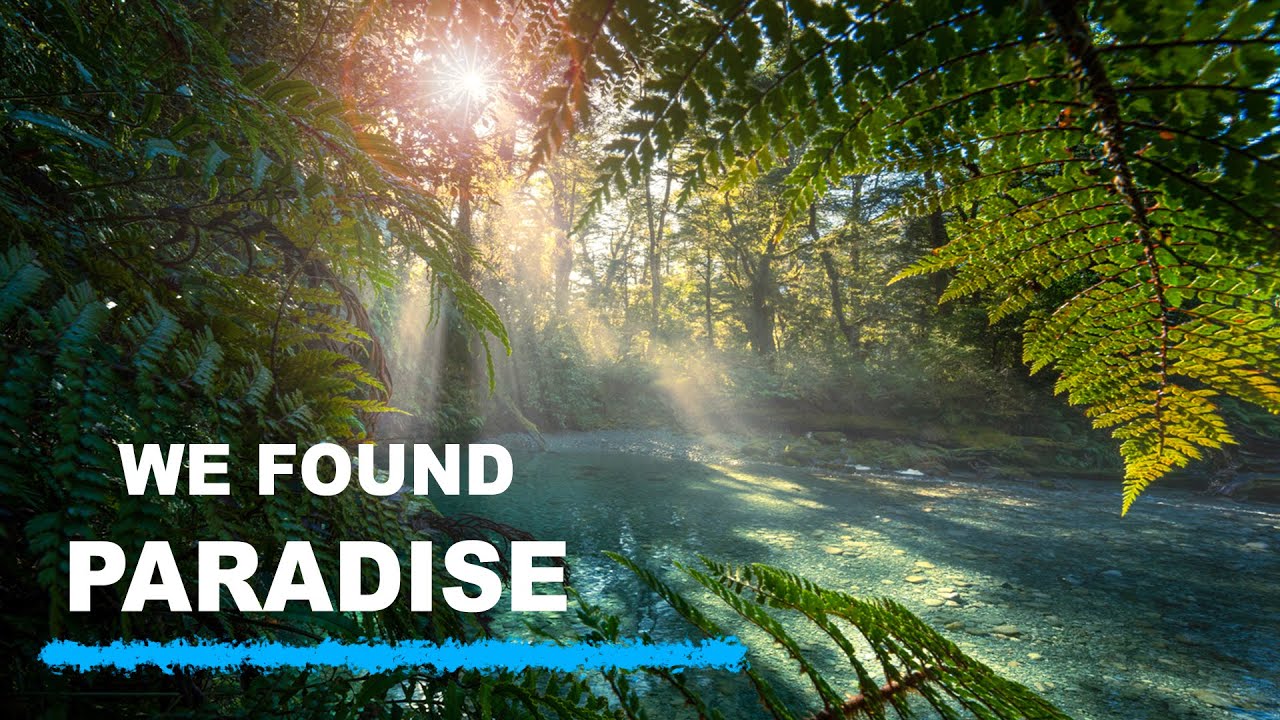
There’s a particular kind of shoot I keep coming back to across twenty years of this work, and it never gets easier to plan because it’s designed specifically to resist planning. You find a topographic line on a map, a tight contour cluster suggesting a drop, maybe a blue thread of creek feeding into it. You’ve never seen a photo of the place. You don’t know if the light will cooperate, whether the water is even running, or whether the terrain will let you get anywhere near it.

Sneaking Shots on a Non-Photography Trip: What Thomas Heaton Taught Me About Opportunistic Landscape Work

Sneaking Shots on a Non-Photography Trip: What Thomas Heaton Taught Me About Opportunistic Landscape Work

There’s a particular kind of weekend I know well. The one where you’re technically off duty, but the light starts doing something extraordinary and you’re standing there with your family, watching it happen, trying to decide how much goodwill you have left in the bank. My wife has a name for the look I get. She calls it “the drift.” My eyes go somewhere else, and she knows I’m already calculating angles.

Get Low and Mean It: The Composition Shift That Changed How I See the Land

Get Low and Mean It: The Composition Shift That Changed How I See the Land

I spent the better part of my first five years as a serious landscape photographer drowning in composition theory. Rule of thirds. Golden ratio. Leading lines. Foreground interest. Layers and depth. I had notebooks full of it. And when I finally arrived at a location, often after a 4am wake-up and a long drive through the dark, I would stand there with my tripod and freeze. Too many rules competing for space in my head.

The Mistakes That Remind You You're Still Learning (And How to Fix Them)

The Mistakes That Remind You You're Still Learning (And How to Fix Them)

Some shoots just fall apart. You drive out with high expectations, the light is decent, the location is solid, and somehow you come home with nothing you’d show anyone. It happens to every photographer, including the pros making tutorials on YouTube. What separates a useful creative slump from a wasted one is whether you take the time afterward to understand what actually went wrong. That’s exactly what drew me to this First Man Photography tutorial on common landscape photography mistakes.

What Happens If Something Goes Wrong Out There? Managing Fear and Risk in Solo Landscape Photography

What Happens If Something Goes Wrong Out There? Managing Fear and Risk in Solo Landscape Photography

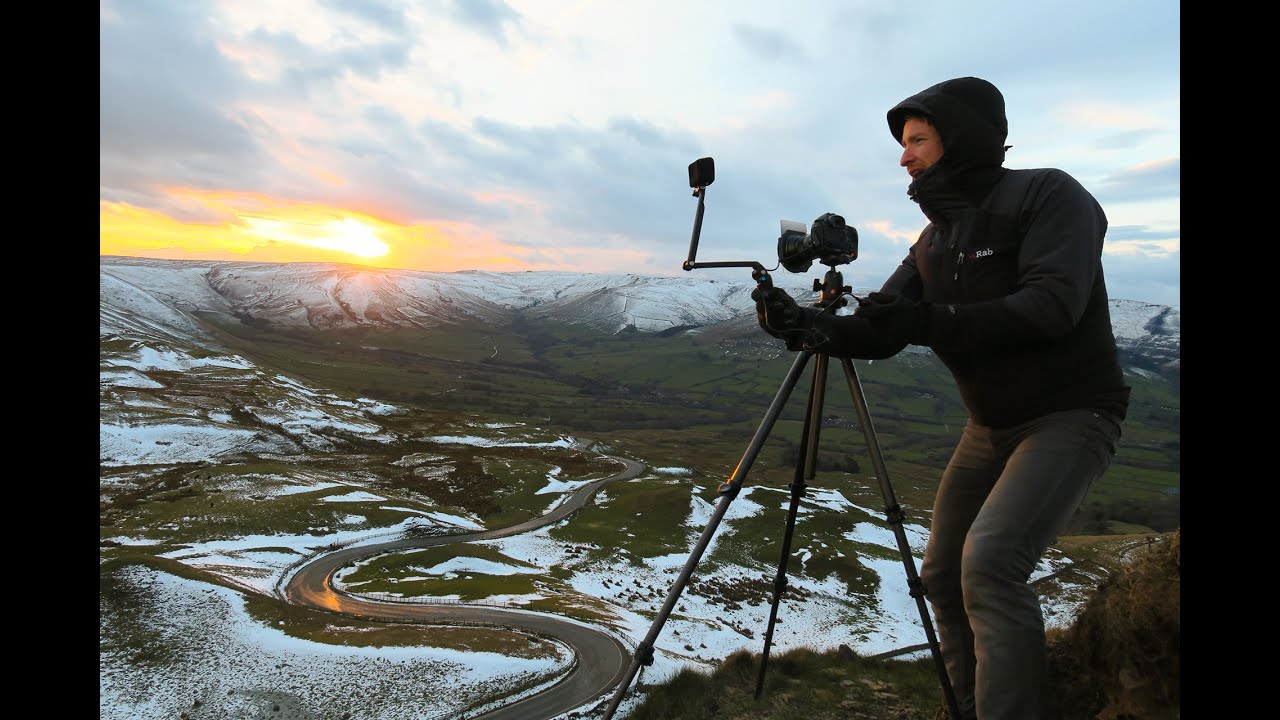
There’s a particular kind of dread that settles in around mile four of a solo hike, when the trail has thinned out and your phone shows no signal bars. I’ve felt it dozens of times over twenty years of working as a landscape photographer, usually right as the light is getting interesting and my brain decides to run through every worst-case scenario it can invent. What if I twist an ankle here?

Why Your Waterfall Photos Look Wrong (And What to Do Before You Even Touch the Shutter)

Why Your Waterfall Photos Look Wrong (And What to Do Before You Even Touch the Shutter)

I’ve stood in a lot of cold water over the years. Knee-deep in snowmelt at five in the morning, boots soaked through, hat pulled low, wondering whether the light was actually going to do what I’d driven three hours to see. Most of the time, the photographers who struggle with waterfalls aren’t struggling with their gear. They’re struggling with their assumptions about what a waterfall photograph is supposed to look like, and they’re making those assumptions before they’ve spent five quiet minutes actually watching the water move.

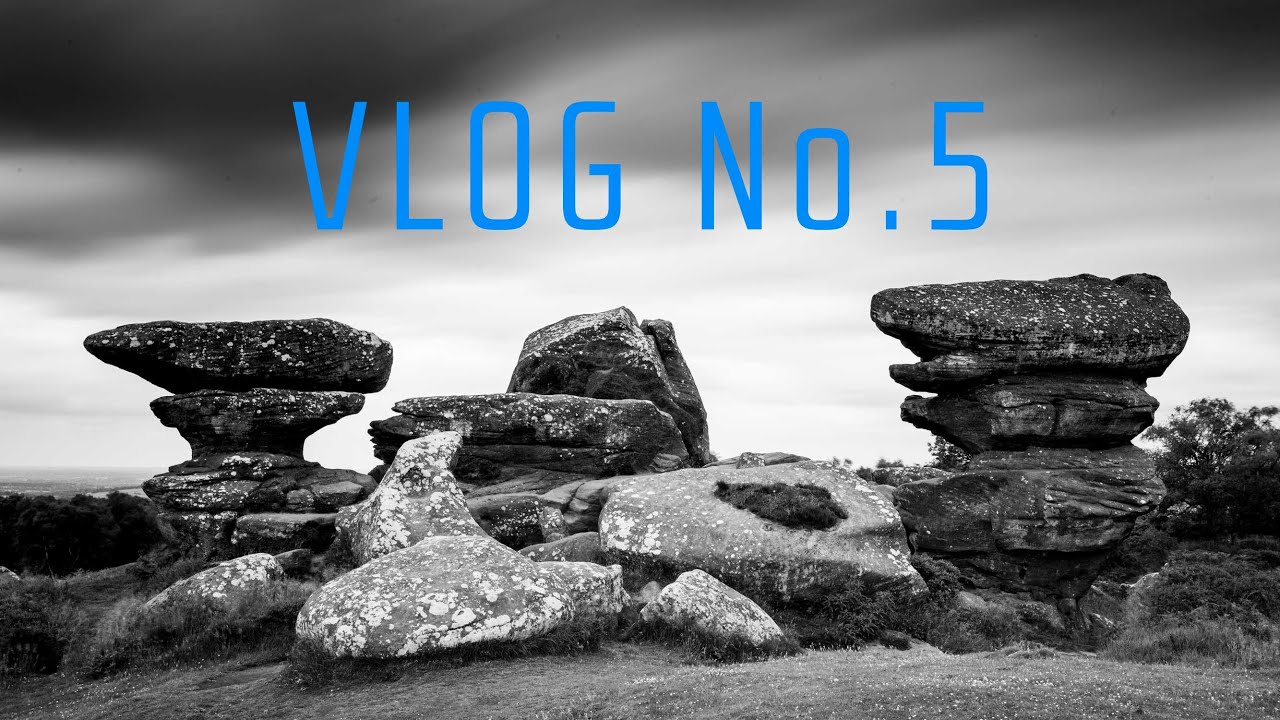
Why Accessibility Is Your Secret Weapon at Brimham Rocks (And Every Busy Location)

Why Accessibility Is Your Secret Weapon at Brimham Rocks (And Every Busy Location)

Some days you pick up your camera because the light is extraordinary. Other days you pick it up because you need to. I’ve had shoots where I wasn’t chasing any particular image but just needed to be somewhere wild and quiet, somewhere the thinking could happen on its own. Those are often the sessions that teach me the most, not about technique exactly, but about how to be a better photographer in the field.