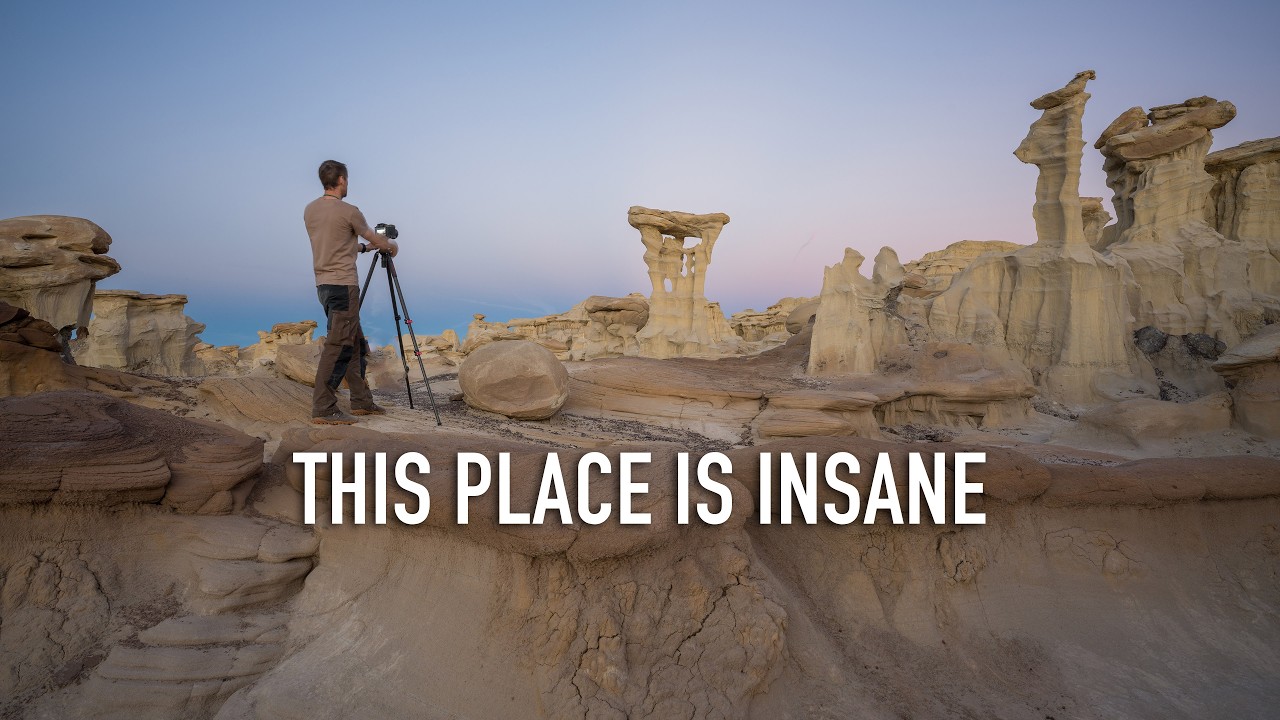
There are landscapes that defeat you before you even raise the camera. I know that feeling well. After twenty years of pre-dawn alarms and long drives across the American West, I’ve stood in places so visually complex and so utterly strange that the camera felt useless in my hands. Too much information. Too little obvious structure. The composition refuses to reveal itself, and you start to wonder whether the problem is the light, the location, or just you.
That is exactly the situation Thomas Heaton walks into in Watch the full tutorial on YouTube – a remote stretch of New Mexico desert filled with hoodoos, those alien rock formations where a hard capstone protects the softer material below while everything around it erodes away. Heaton spends an evening and a morning working the location, and what unfolds is less a polished how-to and more a raw, honest account of how a working photographer thinks through a difficult scene in real time. That honesty is what makes it worth studying closely.
What I want to do here is pull out the actual technique buried inside that experience and translate it into steps you can apply the next time you’re standing in front of a landscape that isn’t cooperating.
Step 1: Arrive Early and Scout Without the Camera Pressure
 Heaton checking GPS and walkie-talkie before entering terrain
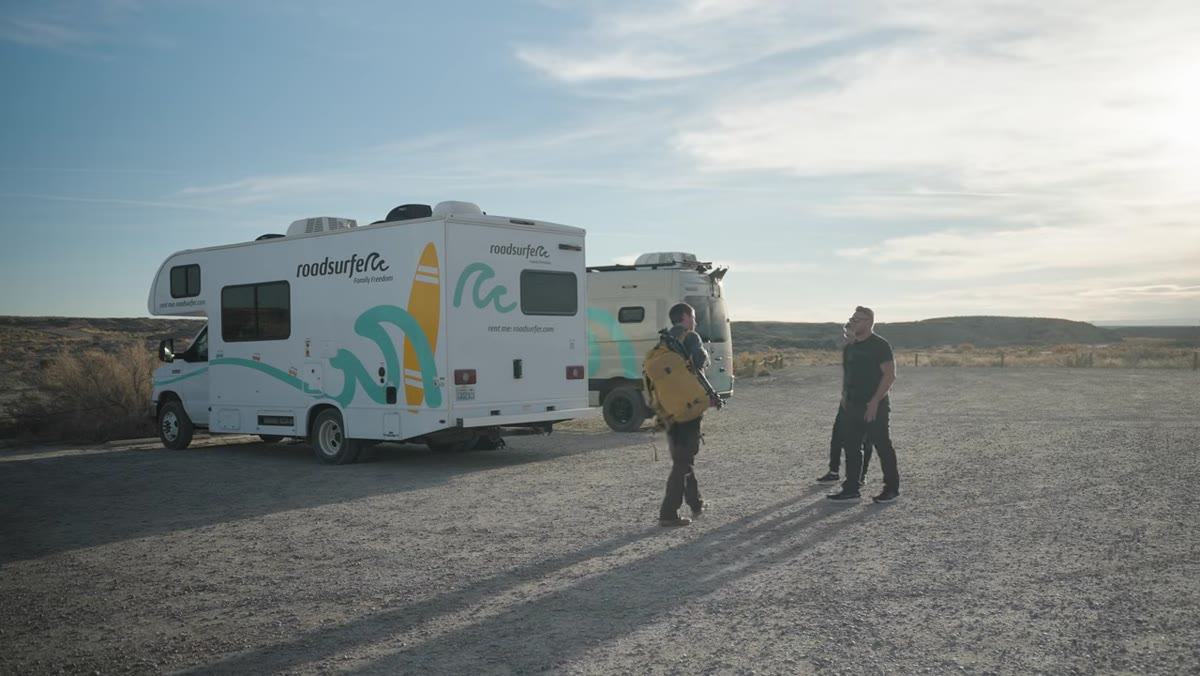
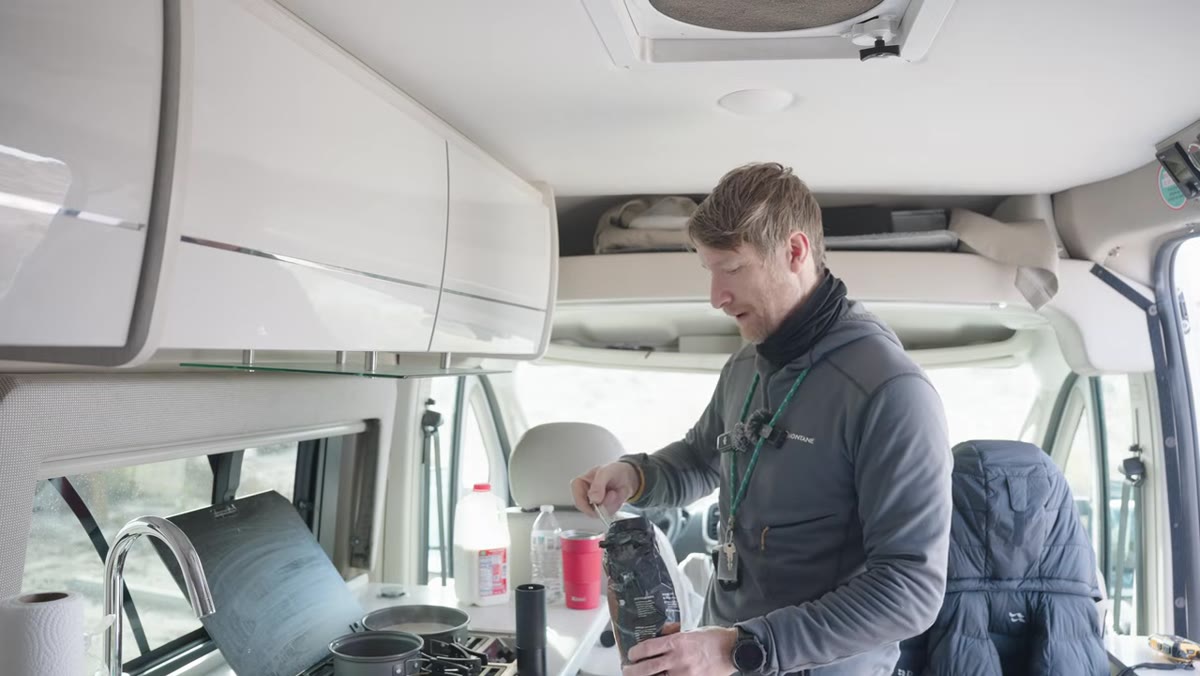
Before Heaton fires a single frame, he’s geared up with a GPS unit and a walkie-talkie. The terrain here is disorienting. The hoodoos are scattered across open desert with few reliable landmarks, and it’s easy to lose your bearings. His approach is practical: treat remote locations like you’d treat any technical environment and bring navigation tools, not just camera gear.
Heaton checking GPS and walkie-talkie before entering terrain
Before Heaton fires a single frame, he’s geared up with a GPS unit and a walkie-talkie. The terrain here is disorienting. The hoodoos are scattered across open desert with few reliable landmarks, and it’s easy to lose your bearings. His approach is practical: treat remote locations like you’d treat any technical environment and bring navigation tools, not just camera gear.
From my own experience, scouting a location the evening before is worth more than any amount of pre-trip research. Google Earth and photography apps give you a framework, but the moment you’re actually standing in a strange landscape, everything shifts. Walk it. Let your eyes move across the scene without the pressure of needing a shot. That separation between exploring and shooting is one of the most underrated practices in field photography.
Step 2: Understand the Geology to Find the Compositions
 Small hoodoo with visible capstone close to camera
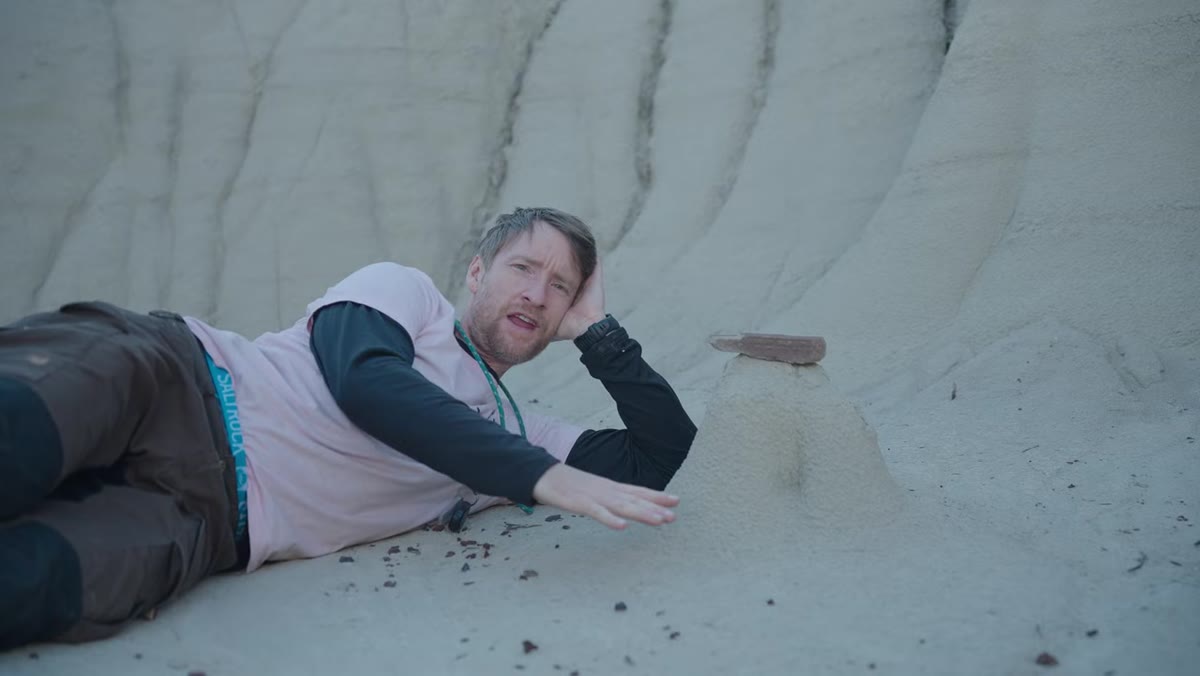
Heaton pauses at a small, newly forming hoodoo and takes a moment to explain the process. Rain erodes soft desert sand, but where a harder rock sits on top, it shields the material directly beneath it. Over decades, a column rises. A cap, a neck, a base. Repeat that across a wide desert basin and you get a landscape full of vertical organic towers.
Small hoodoo with visible capstone close to camera
Heaton pauses at a small, newly forming hoodoo and takes a moment to explain the process. Rain erodes soft desert sand, but where a harder rock sits on top, it shields the material directly beneath it. Over decades, a column rises. A cap, a neck, a base. Repeat that across a wide desert basin and you get a landscape full of vertical organic towers.
Why does this matter photographically? Because understanding structure tells you where the light will hit and where it won’t. The capstone creates a hard edge. The column below it has texture, shadow, and tonal variation. If you know what you’re looking at, you can anticipate how raking sidelight will travel across the surface, which is everything in this kind of environment.
Step 3: Accept the Struggle as Part of the Process
 Heaton mid-conversation, noting a distracting cloud in the scene
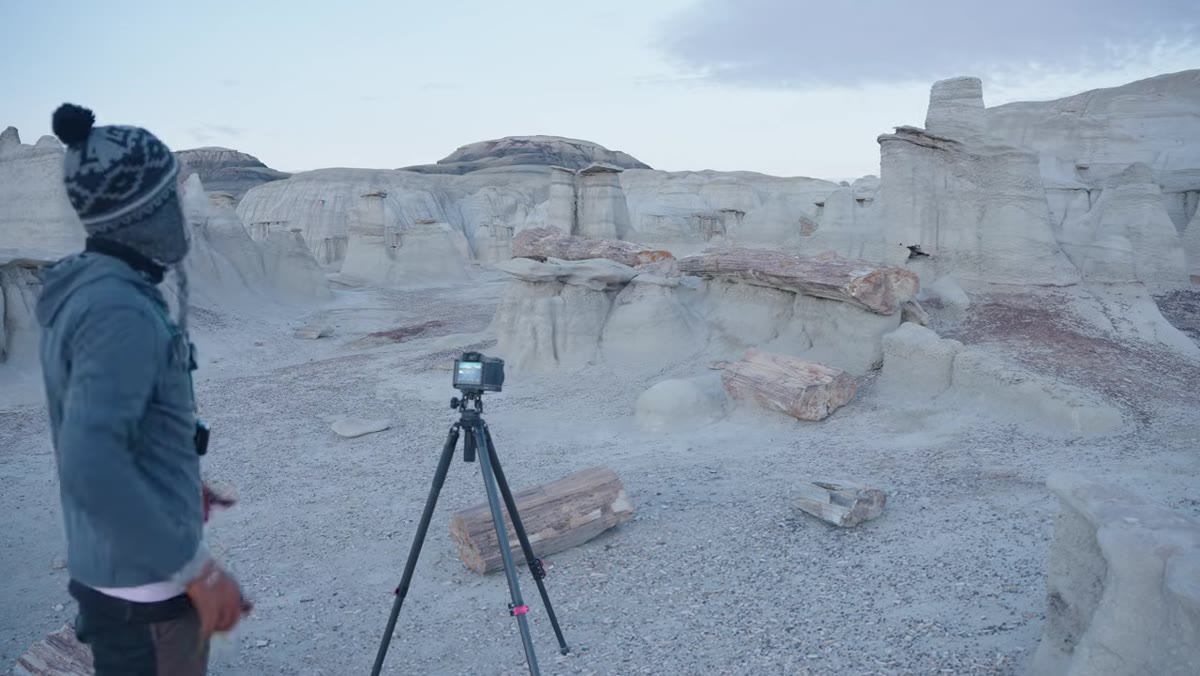
Here is something I deeply respect about this video. Heaton doesn’t pretend the shoot is going well when it isn’t. He spends an evening and most of a morning working the hoodoos and admits flat out that he couldn’t find a composition that satisfied him. A stray cloud becomes a distraction. The wide angle shots feel complicated and flat. Nothing is clicking.
Heaton mid-conversation, noting a distracting cloud in the scene
Here is something I deeply respect about this video. Heaton doesn’t pretend the shoot is going well when it isn’t. He spends an evening and most of a morning working the hoodoos and admits flat out that he couldn’t find a composition that satisfied him. A stray cloud becomes a distraction. The wide angle shots feel complicated and flat. Nothing is clicking.
This is the real work of landscape photography and it rarely gets talked about honestly. I’ve driven six hours to a location, sat in fog for two full days, and come home with a single usable frame. That frame became my best-selling print. The struggle isn’t a sign that something is wrong. It’s the process. If you pack up and leave the moment a location resists you, you’ll miss the photograph that was an hour away from happening.
Step 4: Wait for Sidelight and Move Fast When It Arrives
 Warm sidelight raking across a row of hoodoos with shadowed background
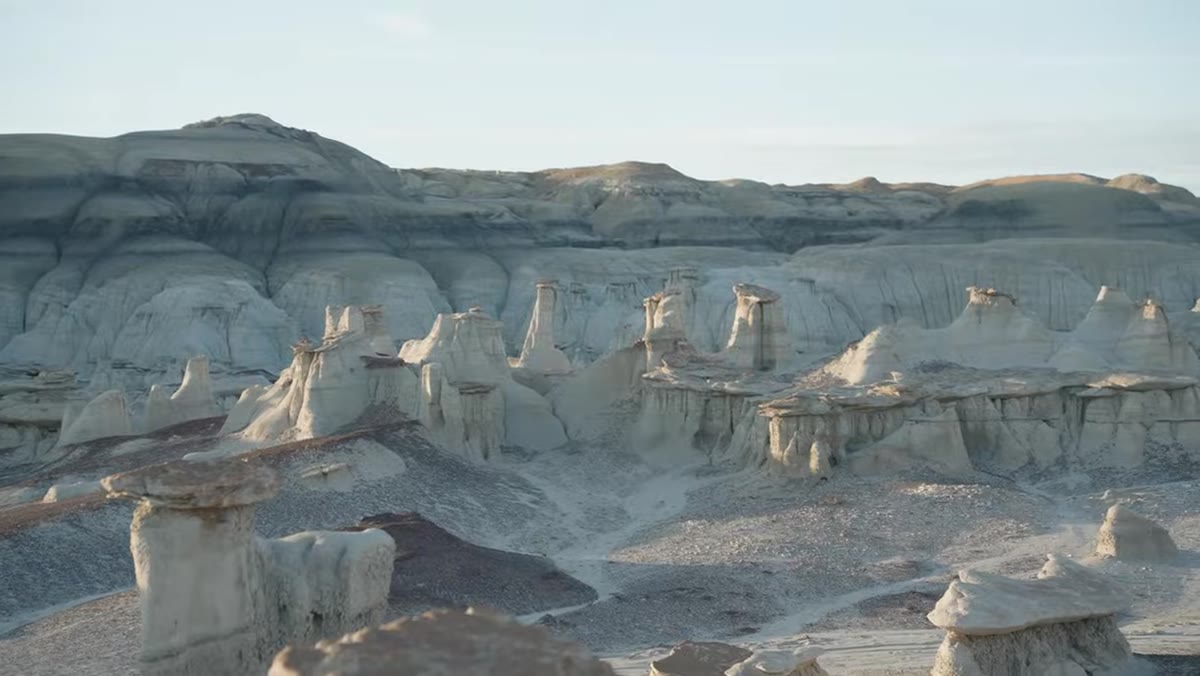
Everything changes when the light breaks. Heaton describes it clearly: the background is in shadow, the foreground is in shadow, but a band of warm sidelight is cutting laterally across a row of hoodoos. Warm tones on the lit columns, cool shadow in the surrounding desert. That contrast is the image.
Warm sidelight raking across a row of hoodoos with shadowed background
Everything changes when the light breaks. Heaton describes it clearly: the background is in shadow, the foreground is in shadow, but a band of warm sidelight is cutting laterally across a row of hoodoos. Warm tones on the lit columns, cool shadow in the surrounding desert. That contrast is the image.
The lesson here is about timing and readiness. When that window opens, it doesn’t stay open. Heaton knows it immediately and starts shooting without deliberating. The setup is already done. The location scouting is already done. When the light finally arrives, the only job is to capture it. Have your composition roughed in before the light changes. Know which direction you’re facing and what focal length you want to be shooting at. The light won’t wait for you to figure any of that out.
Step 5: Reach for the Longer Lens
 Heaton discussing his preference for normal and telephoto lenses over wide angle
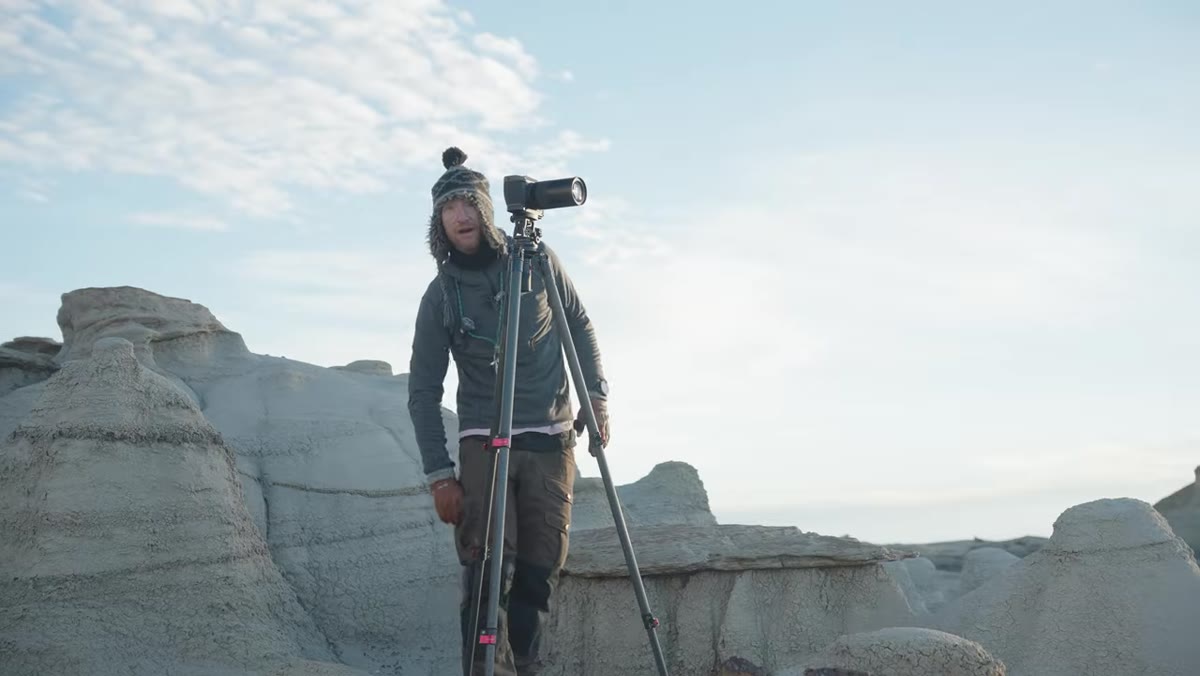
This is the piece of advice I find most useful in the whole video. Heaton reflects after the shoot that wide angle wasn’t working for him in this environment. The hoodoos are scattered. There’s no tight foreground-to-background relationship to exploit. The wide angle was creating chaos rather than clarity.
Heaton discussing his preference for normal and telephoto lenses over wide angle
This is the piece of advice I find most useful in the whole video. Heaton reflects after the shoot that wide angle wasn’t working for him in this environment. The hoodoos are scattered. There’s no tight foreground-to-background relationship to exploit. The wide angle was creating chaos rather than clarity.
His instinct was to reach for a normal focal length or a longer telephoto, to compress the scene and isolate the elements he actually wanted. This is a habit I’ve developed over years. Wide angle forces you to manage everything in the frame, and in visually complex landscapes, that’s often a losing battle. A 70-200mm or even a 100-400mm lets you extract the landscape from itself. You’re not showing everything. You’re showing the part that matters.
Step 6: Use Two-Way Radios in Remote Terrain
 Heaton calling Gavin on the walkie-talkie while separated in the desert
Heaton is shooting with a small group and they’re using walkie-talkies to stay connected while working independently across the landscape. This is a small logistical detail that carries real safety weight. In remote desert terrain without clear sightlines, you can become separated from your group very quickly. Cell service is often nonexistent.
Heaton calling Gavin on the walkie-talkie while separated in the desert
Heaton is shooting with a small group and they’re using walkie-talkies to stay connected while working independently across the landscape. This is a small logistical detail that carries real safety weight. In remote desert terrain without clear sightlines, you can become separated from your group very quickly. Cell service is often nonexistent.
A pair of quality two-way radios is inexpensive insurance. They let each person work freely without anyone having to babysit a buddy, and they’re the difference between a minor inconvenience and a genuine emergency if conditions change.
What I’d Add from My Own Time in the Field
Heaton shoots through most of the night and into the morning before the light finally rewards him. That duration matters. But I’d add one practice he doesn’t mention explicitly: shoot test frames throughout the dead periods, even when nothing looks right.
Working through bad light forces you to internalize the scene. By the time the good light arrives, you’ve already mentally discarded the compositions that don’t work. You know the terrain. You know where the hoodoos cast their shadows. That cognitive map is invisible preparation, and it’s built through the hours of shooting that produce nothing worth keeping.
The single most important thing this tutorial demonstrates is that patience isn’t passive. It’s active waiting with your eyes open, your feet moving, and your camera already in your hands. The light will come. The question is whether you’ll be positioned and ready when it does.
Watch the full tutorial on YouTube to see how Heaton works through the frustration in real time. The behind-the-scenes honesty alone is worth the watch.
Comments
Leave a Comment