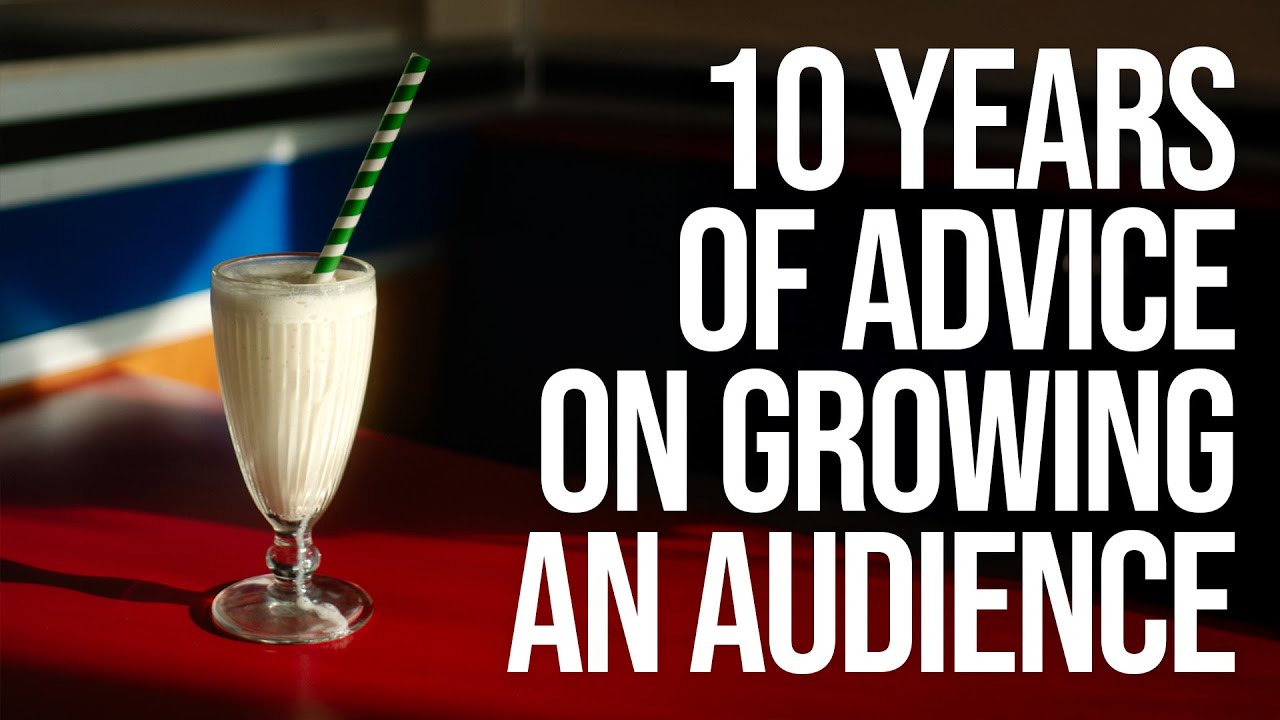
I’ve spent twenty years getting up before the alarm goes off, driving to places most people will never see, and making images that I genuinely love. Selling prints and running workshops has given me a sustainable life doing exactly that. But building an online audience? That part took me far longer to understand than learning to read light. For years I treated YouTube like a portfolio dump, posting whatever I felt like whenever I felt like it, and wondering why nothing grew. It wasn’t until I started studying creators who actually understood the platform that things began to shift.
Watch the full tutorial on YouTube
In this Sean Tucker tutorial, Tucker draws on ten years of building a serious photography channel to lay out exactly how YouTube growth works and what most creators get wrong from the start. Tucker isn’t a hype guy. He’s a working photographer who thinks carefully about craft, meaning, and the long game. That’s why his advice landed differently for me than the usual algorithmic tips content. Here’s what he covers, broken down so you can apply it whether you’re just starting or trying to figure out why your channel has stalled.
Step 1: Reframe What YouTube Actually Is
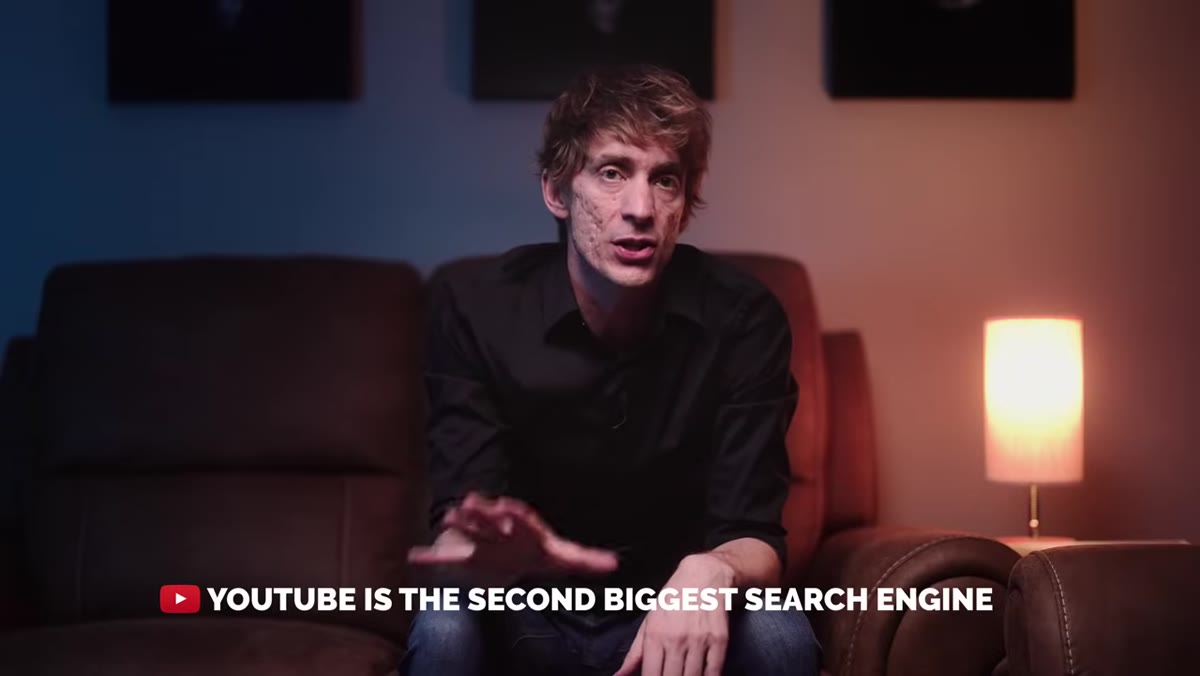 Tucker explaining YouTube as the second largest search engine
Most of us think of YouTube as a place to share videos. Tucker reframes it immediately: YouTube is the second largest search engine in the world. That single shift in thinking changes everything about how you plan content. People aren’t just scrolling passively. They’re typing questions into that search bar every minute of every day, and the platform is trying to match them with answers. If your videos aren’t structured as answers to real questions, the algorithm has very little reason to surface them.
Tucker explaining YouTube as the second largest search engine
Most of us think of YouTube as a place to share videos. Tucker reframes it immediately: YouTube is the second largest search engine in the world. That single shift in thinking changes everything about how you plan content. People aren’t just scrolling passively. They’re typing questions into that search bar every minute of every day, and the platform is trying to match them with answers. If your videos aren’t structured as answers to real questions, the algorithm has very little reason to surface them.
For landscape photographers, this is both humbling and clarifying. Think about what your potential audience is actually searching for: how to photograph waterfalls in low light, the best camera settings for blue hour, how to plan a shoot in Zion. Those searches are happening constantly. Your job is to predict them and then show up.
Step 2: Build Your Content Around Search Queries
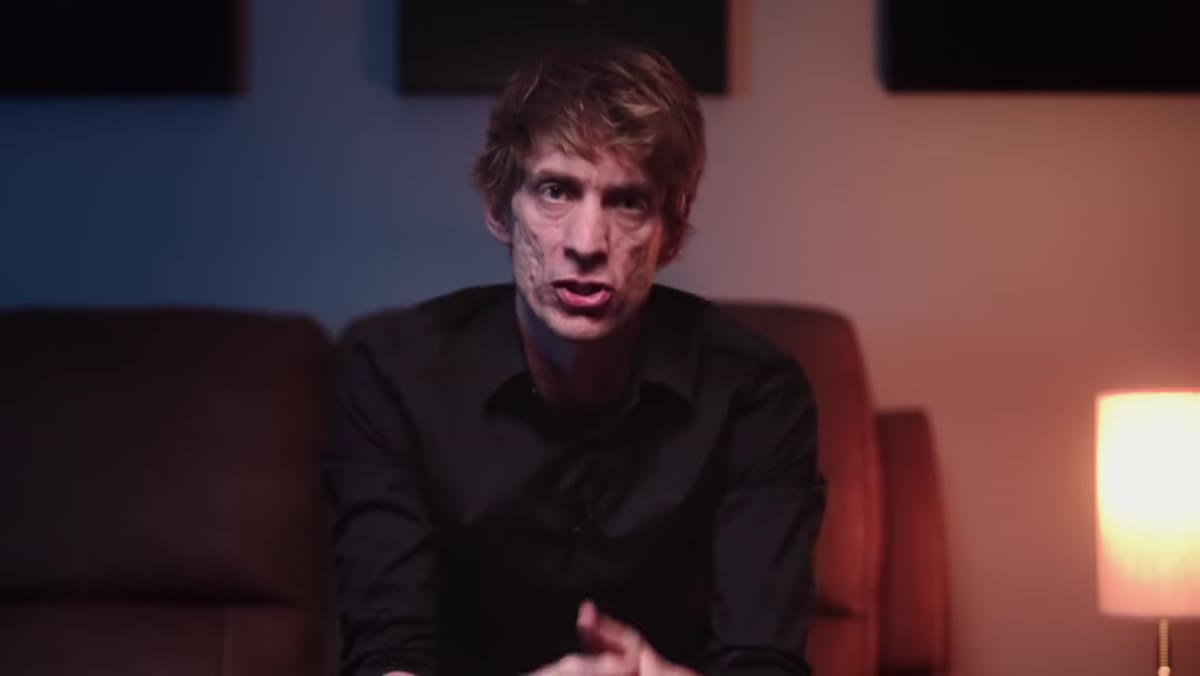 Tucker describing how photography channels grow through gear reviews and tips
Once you accept that YouTube is a search engine, the content planning becomes more concrete. Tucker points to photography channels as a useful case study: gear reviews and practical tips consistently outperform more personal or artistic content in terms of raw discovery. The reason is simple. Someone typing “which mirrorless camera should I buy for landscape photography” is a ready-made audience for a video that directly answers that question. Your creative essay on what the Cascades mean to you is beautiful and worth making, but it’s harder to find through search.
Tucker describing how photography channels grow through gear reviews and tips
Once you accept that YouTube is a search engine, the content planning becomes more concrete. Tucker points to photography channels as a useful case study: gear reviews and practical tips consistently outperform more personal or artistic content in terms of raw discovery. The reason is simple. Someone typing “which mirrorless camera should I buy for landscape photography” is a ready-made audience for a video that directly answers that question. Your creative essay on what the Cascades mean to you is beautiful and worth making, but it’s harder to find through search.
This doesn’t mean abandoning depth or artistry. It means being strategic about pairing genuine expertise with the language your audience is already using. Make the how-to video first, earn the subscriber, then take them deeper.
Step 3: Match Your Title and Thumbnail to the Promise
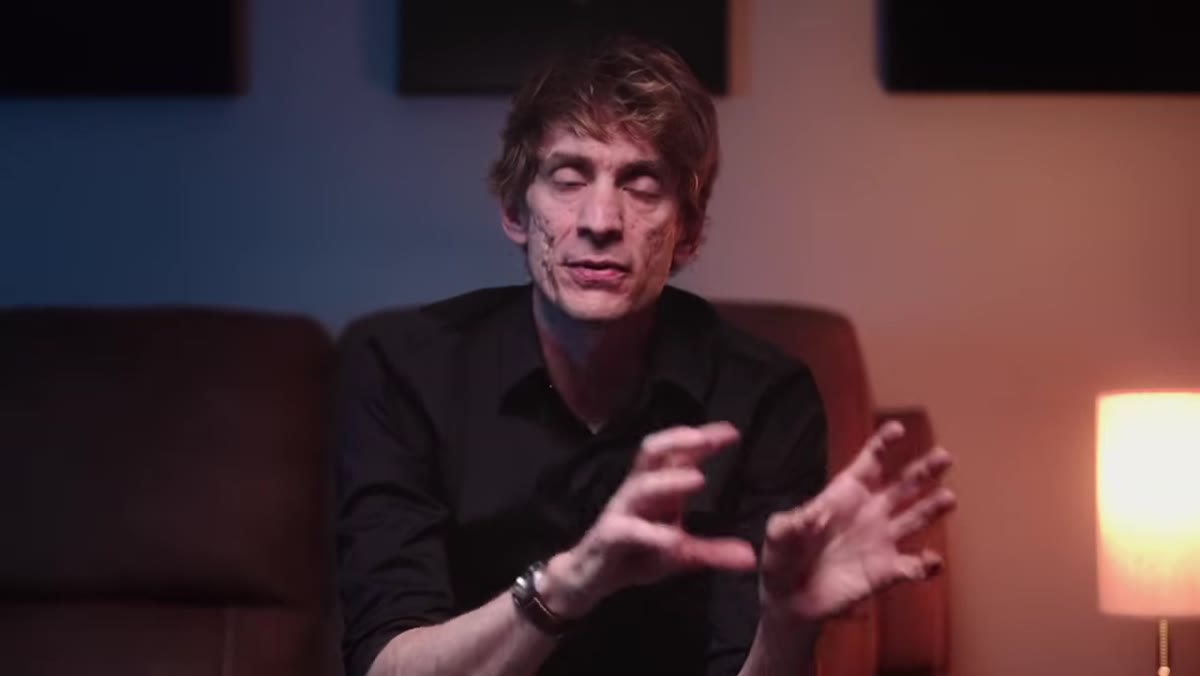 Tucker discussing thumbnail and title clarity for discoverability
Your title and thumbnail are a contract with the viewer. Tucker is direct about this: they need to communicate precisely what question your video answers. Not a vague tease, not a poetic reference that only makes sense after watching. A new viewer should be able to read your title and immediately know whether this video solves their problem.
Tucker discussing thumbnail and title clarity for discoverability
Your title and thumbnail are a contract with the viewer. Tucker is direct about this: they need to communicate precisely what question your video answers. Not a vague tease, not a poetic reference that only makes sense after watching. A new viewer should be able to read your title and immediately know whether this video solves their problem.
Keep thumbnail text short and direct. Use an image that reinforces the subject, not just a dramatic landscape with your face in the corner. If someone scrolling past can’t understand your video’s purpose in under two seconds, they’ll keep scrolling.
Step 4: Keep Every Promise Your Title Makes
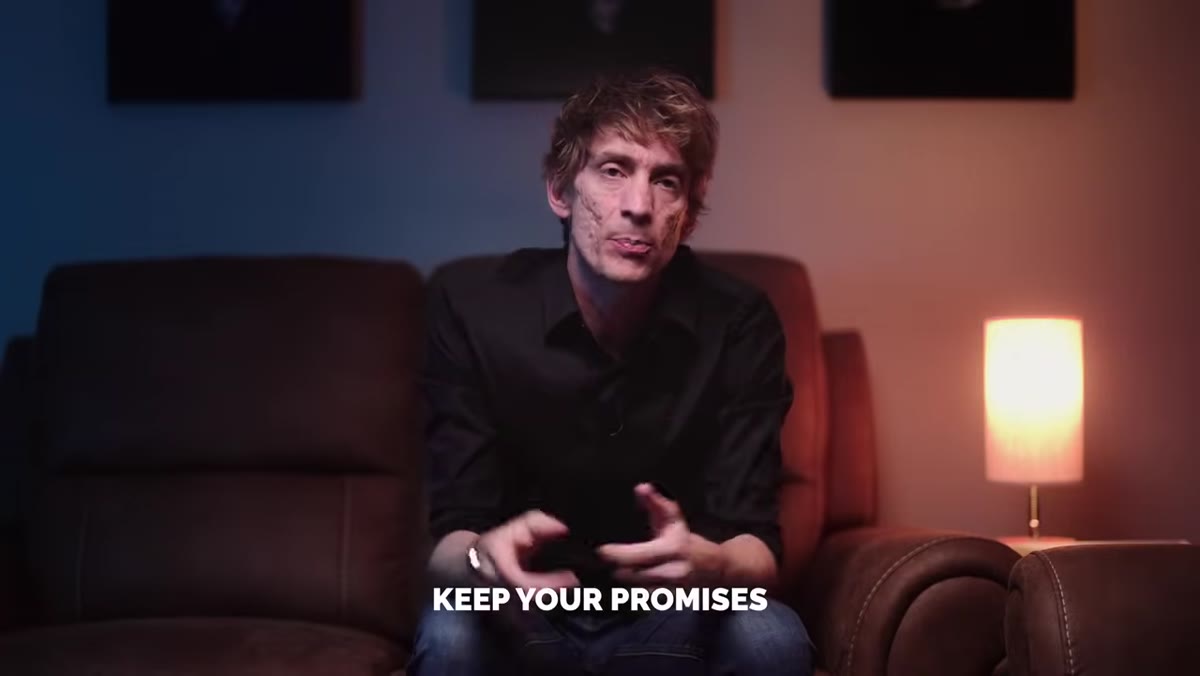 Tucker warning against clickbait that fails to deliver on its premise
This is where a lot of channels quietly self-destruct. A clickable title gets the view, but if the video doesn’t actually deliver what was promised, the viewer leaves feeling tricked. Tucker explains that this erodes trust in a way that’s very hard to recover from. Someone who clicks expecting “5 Settings for Better Sunrise Photography” and gets ten minutes of vague generalities won’t subscribe, won’t return, and definitely won’t recommend the channel to anyone.
Tucker warning against clickbait that fails to deliver on its premise
This is where a lot of channels quietly self-destruct. A clickable title gets the view, but if the video doesn’t actually deliver what was promised, the viewer leaves feeling tricked. Tucker explains that this erodes trust in a way that’s very hard to recover from. Someone who clicks expecting “5 Settings for Better Sunrise Photography” and gets ten minutes of vague generalities won’t subscribe, won’t return, and definitely won’t recommend the channel to anyone.
The bar here isn’t perfection. It’s honesty. If your title promises specific, actionable advice, your video needs to contain specific, actionable advice. That’s the whole deal.
Step 5: Build a Recognizable Visual Identity
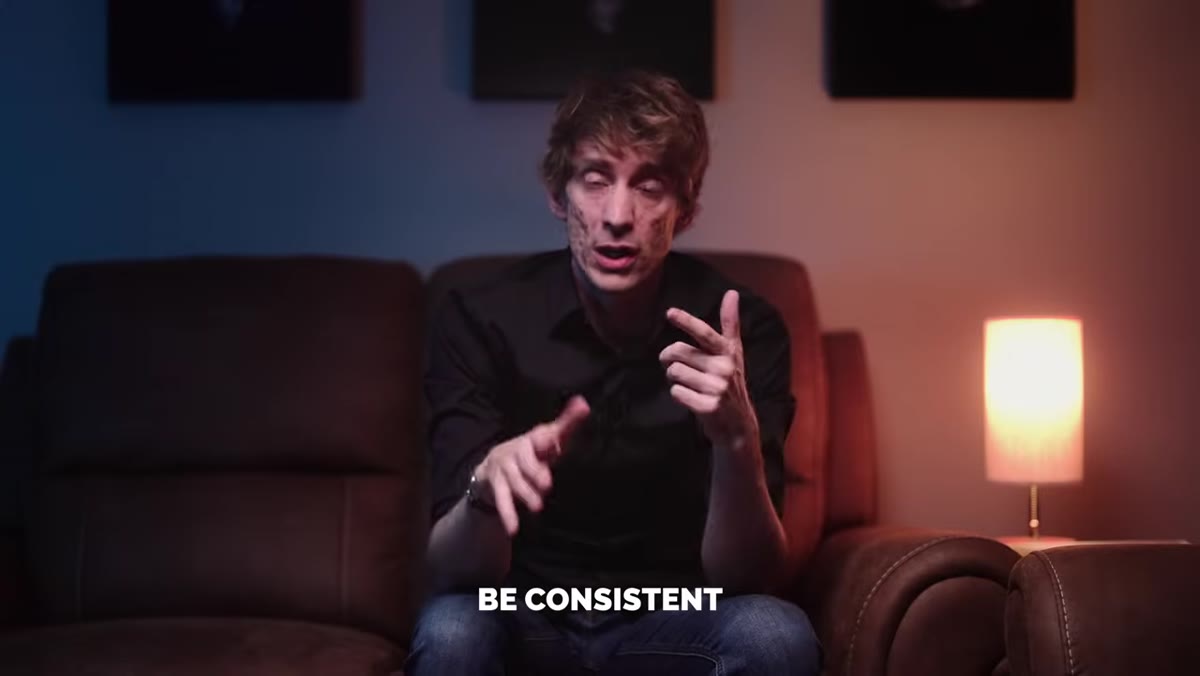 Tucker emphasizing consistent look, tone, and channel branding
Tucker talks about consistency in channel design the way I talk about developing a photographic eye: it takes time, but once you have it, everything you make is immediately recognizable. Your thumbnails, your color palette, your intro style, the tone of your voiceover, all of it should feel like a coherent body of work rather than a series of one-off experiments.
Tucker emphasizing consistent look, tone, and channel branding
Tucker talks about consistency in channel design the way I talk about developing a photographic eye: it takes time, but once you have it, everything you make is immediately recognizable. Your thumbnails, your color palette, your intro style, the tone of your voiceover, all of it should feel like a coherent body of work rather than a series of one-off experiments.
Think of it less like marketing and more like developing a signature. When someone sees one of your thumbnails scroll through their feed, they should know it’s you before they read your name. That kind of recognition is what turns casual viewers into loyal subscribers. It builds slowly, through repetition and care, the same way a body of photographic work develops a voice over years.
Step 6: Play the Long Game
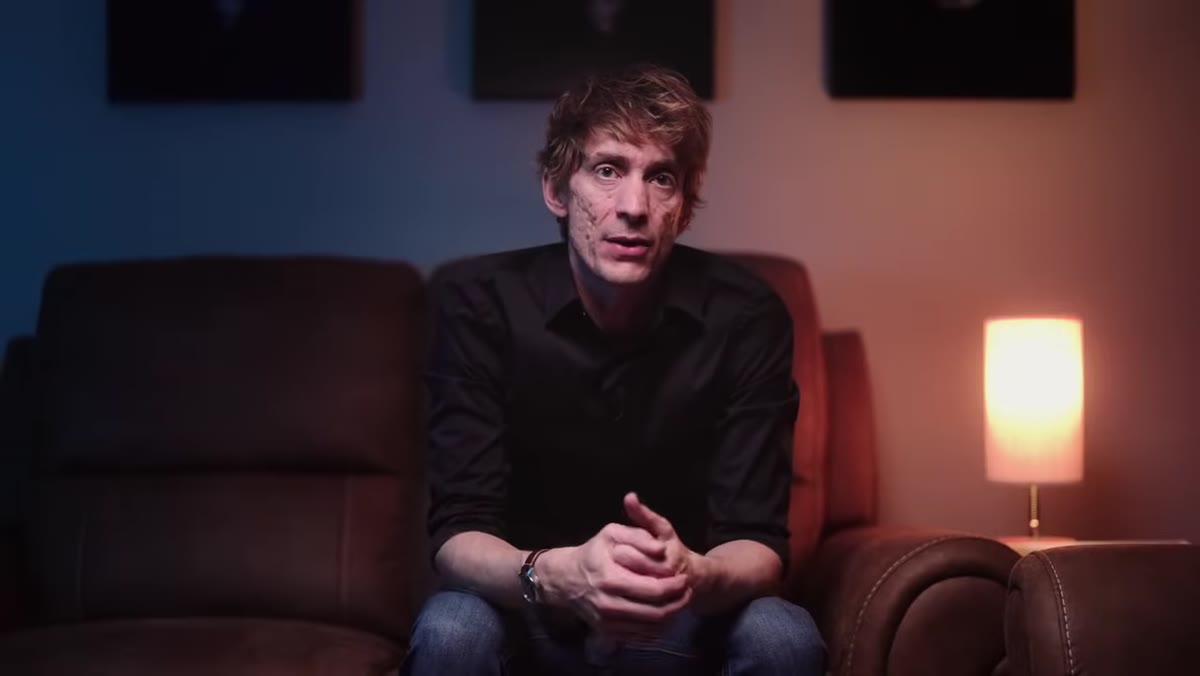 Tucker reflecting on ten years of posting and accumulated learning
Tucker frames his entire video around a decade of experience, and that framing is itself the lesson. Growth on YouTube is not a sprint. It’s more like waiting for the right light: you can do everything correctly and still wait a long time before the conditions come together. The creators who build lasting audiences are the ones who keep showing up, keep refining their craft, and don’t abandon ship during the long flat periods between growth spurts.
Tucker reflecting on ten years of posting and accumulated learning
Tucker frames his entire video around a decade of experience, and that framing is itself the lesson. Growth on YouTube is not a sprint. It’s more like waiting for the right light: you can do everything correctly and still wait a long time before the conditions come together. The creators who build lasting audiences are the ones who keep showing up, keep refining their craft, and don’t abandon ship during the long flat periods between growth spurts.
Consistency over time compounds. A channel with 80 well-made, search-relevant videos is a vastly stronger asset than a channel with 12 great videos posted sporadically over three years.
One Thing I’d Add From My Own Experience
Tucker’s framework is built around growth strategy, and it’s solid. But there’s something I’d layer on top for landscape and nature photographers specifically: your location and your access are your differentiator.
There are thousands of photography channels giving advice about cameras and settings. There are far fewer showing the specific, intimate reality of shooting in the Deschutes River canyon at 4:30am in October, or explaining exactly why the light in the eastern Oregon high desert behaves differently than anything you’ll find in a photography textbook. That specificity is harder to replicate and much harder to search away from. Lead with what only you can show, and then back it up with Tucker’s strategic foundation.
The single most important idea from this tutorial is deceptively simple: YouTube is a search engine, so make videos that answer real questions, then build enough consistency and trust that the people who find those answers want to follow you further. Every other piece of advice in Tucker’s video flows from that. If you’re thinking seriously about building an audience for your photography, this one is worth your full attention.
Watch the full tutorial on YouTube
Comments
Leave a Comment