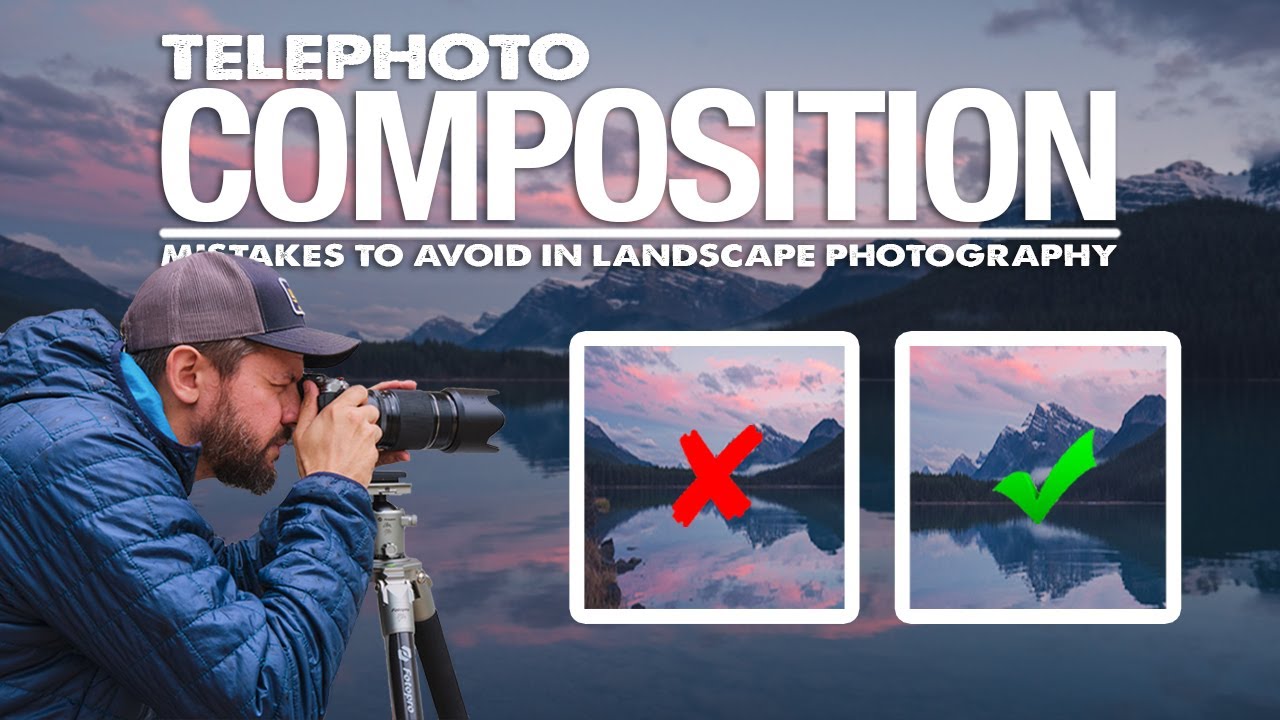
There is a specific kind of frustration that comes from standing in front of a genuinely beautiful scene, making what feels like a thoughtful composition with a long lens, and then pulling up the image on your laptop that night and feeling nothing. The light was there. The subject was there. And somehow the photograph is a mess. For years I chalked that up to some vague failure of artistic instinct. It wasn’t. It was a specific, learnable mistake with a specific fix, and it took watching someone else name it clearly before I finally understood what I was doing wrong.
Watch the full tutorial on YouTube
In this Mark Denney tutorial on long lens landscape composition, he puts a name to that frustration: scene stuffing. It’s what happens when a photographer picks up a telephoto lens but keeps composing with a wide-angle mindset, cramming every interesting element within reach into a single frame. The result is a photograph that feels cluttered and directionless, even though each individual element in it is genuinely compelling. What Mark lays out is not just a vocabulary lesson. It’s a shift in how you read a scene before you ever raise the camera. I’ve been shooting landscapes full-time for two decades, and I still found myself nodding along and scribbling notes.
Step 1: Understand How Your Lens Physically Changes the Scene
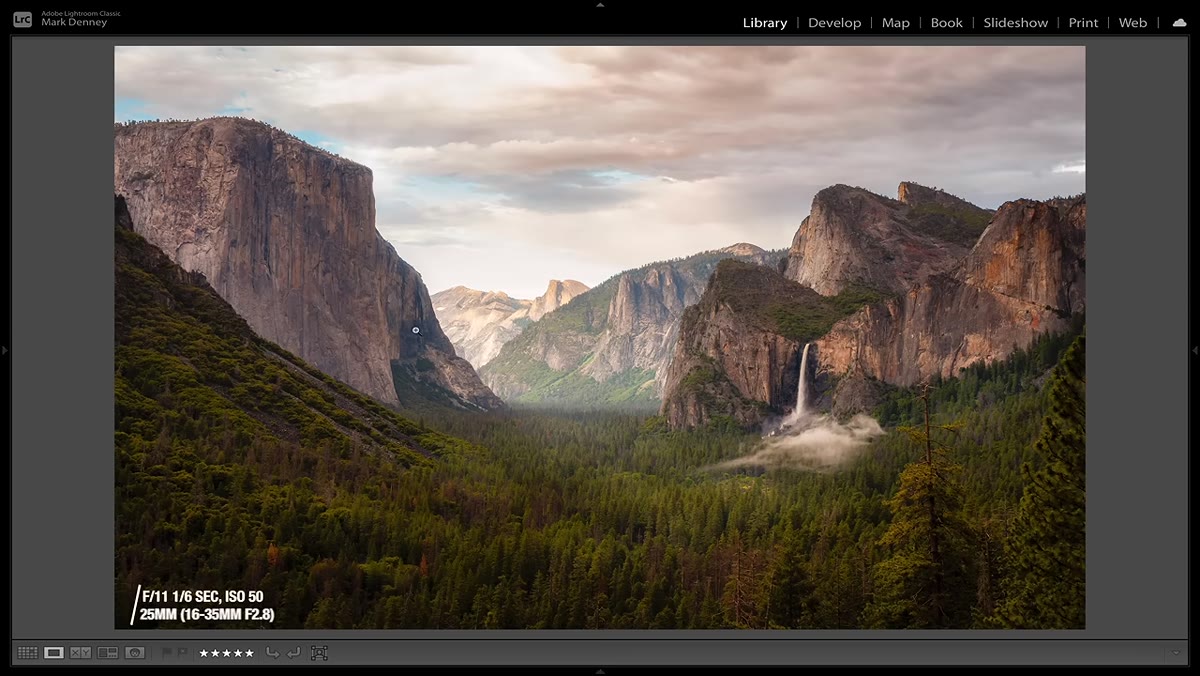
 Wide-angle image showing exaggerated distance between cactus and mountains
Before you can compose well with a telephoto, you need to genuinely internalize what that lens does to physical space, not just as a fact you’ve heard, but as something you feel in your gut when you’re in the field. A wide-angle lens stretches perceived distance. That sea stack that was twenty yards from your feet looks like it’s a hundred and fifty yards away in the frame. A telephoto does the opposite. It collapses distance. Mountains that are miles behind your foreground subject appear to press right up behind it. This isn’t a flaw. It is the entire point of the tool, but if you don’t account for it, you’ll keep fighting your lens instead of using it.
Wide-angle image showing exaggerated distance between cactus and mountains
Before you can compose well with a telephoto, you need to genuinely internalize what that lens does to physical space, not just as a fact you’ve heard, but as something you feel in your gut when you’re in the field. A wide-angle lens stretches perceived distance. That sea stack that was twenty yards from your feet looks like it’s a hundred and fifty yards away in the frame. A telephoto does the opposite. It collapses distance. Mountains that are miles behind your foreground subject appear to press right up behind it. This isn’t a flaw. It is the entire point of the tool, but if you don’t account for it, you’ll keep fighting your lens instead of using it.
Next time you arrive at a location with a long lens, before you set up the tripod, spend five minutes just looking through the viewfinder at different focal lengths. Watch how elements stack and compress as you zoom. That compression is your raw material. Your job as a composer is to make deliberate choices about which elements get stacked, not just accept whatever falls into the narrow field of view.
Step 2: Recognize the Narrow Field of View as a Curation Tool
 Telephoto frame showing small, selective field of view isolating scene elements
A wide-angle lens is generous. It scoops up foreground, midground, background, sky, and edges all at once, and your compositional challenge is to organize that abundance. A telephoto lens is the opposite. Its narrow field of view means you are working with a very small slice of the world, and every element that appears in that slice is there because of a deliberate decision you made.
Telephoto frame showing small, selective field of view isolating scene elements
A wide-angle lens is generous. It scoops up foreground, midground, background, sky, and edges all at once, and your compositional challenge is to organize that abundance. A telephoto lens is the opposite. Its narrow field of view means you are working with a very small slice of the world, and every element that appears in that slice is there because of a deliberate decision you made.
This is where scene stuffing begins. Because the field of view is already narrow, every interesting thing you see through the lens feels precious, worth keeping. So you try to hold onto all of it. You tilt slightly to catch that ridge line. You reframe to include the rocky outcrop on the left. Before you know it, the image has five subjects and no story. Think of the narrow field of view not as a limitation but as an editorial tool. It forces you to choose. Choose early and choose firmly.
Step 3: Identify a Single Dominant Subject Before You Compose
 Photographer demonstrating subject selection with telephoto in open landscape
This is the core of what Mark is teaching, and it’s the step that most telephoto beginners skip. Before you adjust your zoom, before you lock down the tripod head, decide what one element this photograph is about. Not two elements. One. With a wide-angle lens you can sometimes negotiate between a strong foreground and a strong background and let them share the stage. With a telephoto, that negotiation usually produces a draw, and a draw in photography looks like a confused image.
Photographer demonstrating subject selection with telephoto in open landscape
This is the core of what Mark is teaching, and it’s the step that most telephoto beginners skip. Before you adjust your zoom, before you lock down the tripod head, decide what one element this photograph is about. Not two elements. One. With a wide-angle lens you can sometimes negotiate between a strong foreground and a strong background and let them share the stage. With a telephoto, that negotiation usually produces a draw, and a draw in photography looks like a confused image.
In practice this means standing back, studying the scene with your eyes, and asking: what caught my attention first? A band of warm light on a distant ridgeline? A single weathered tree against a compressed mountain wall? Start there. Everything else in the frame should support that subject or be removed.
Step 4: Use Compression to Build Relationships, Not Collect Elements
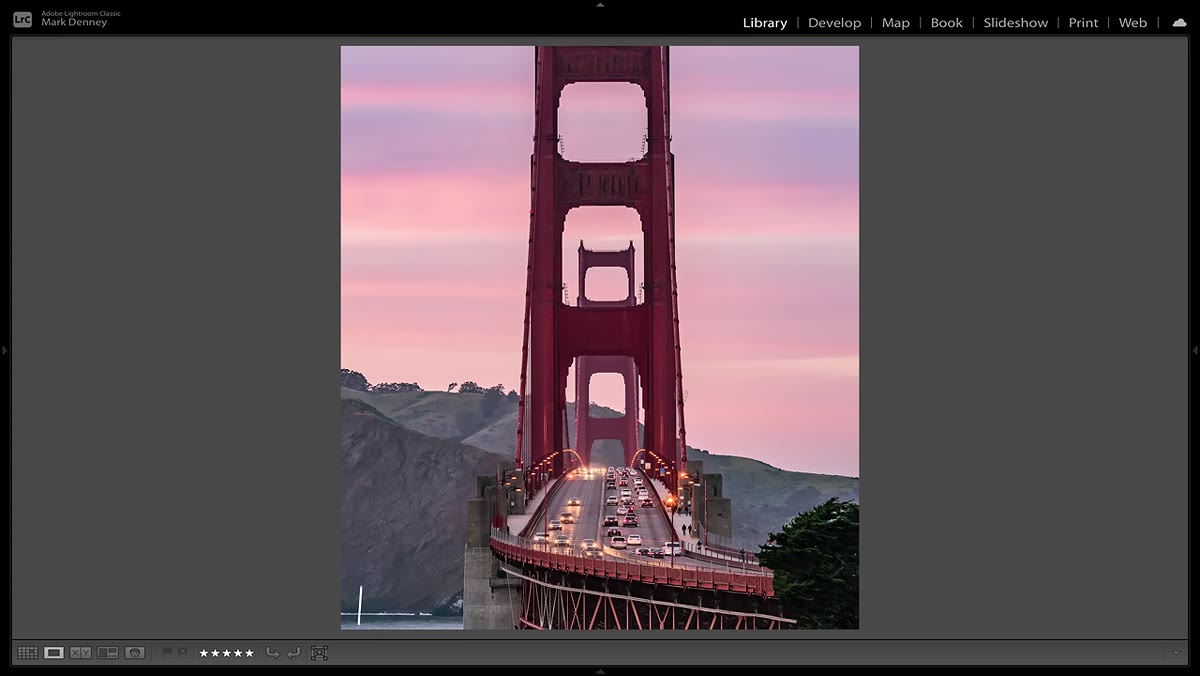 Example image showing compressed layers with clear foreground-background relationship
Once you have a single dominant subject, compression becomes a creative instrument rather than a side effect. Because a telephoto stacks layers together, you can establish a meaningful visual relationship between your subject and a background element that in reality might be miles away. A lone figure on a lava field with a distant coastline pressing in close behind them. A single flowering shrub with a compressed mountain face filling the entire background.
Example image showing compressed layers with clear foreground-background relationship
Once you have a single dominant subject, compression becomes a creative instrument rather than a side effect. Because a telephoto stacks layers together, you can establish a meaningful visual relationship between your subject and a background element that in reality might be miles away. A lone figure on a lava field with a distant coastline pressing in close behind them. A single flowering shrub with a compressed mountain face filling the entire background.
The difference between this and scene stuffing is intent. You are choosing two specific elements and using compression to connect them. You are not sweeping the lens around to see how many interesting things you can collect. Pick the relationship you want to show, zoom to the focal length that creates that relationship most powerfully, and stop there.
Step 5: Edit Ruthlessly at the Zoom Ring
 Shooter adjusting focal length to remove distracting elements from frame edges
The zoom ring is an editing tool. After you’ve identified your subject and the element you want to relate it to, use focal length to remove everything that competes. Edge distractions are particularly brutal with a long lens because there’s no wide-angle context to absorb them. A cluttered rock pile at the frame’s left edge doesn’t read as “part of the landscape.” It reads as a mistake.
Shooter adjusting focal length to remove distracting elements from frame edges
The zoom ring is an editing tool. After you’ve identified your subject and the element you want to relate it to, use focal length to remove everything that competes. Edge distractions are particularly brutal with a long lens because there’s no wide-angle context to absorb them. A cluttered rock pile at the frame’s left edge doesn’t read as “part of the landscape.” It reads as a mistake.
Zoom in until distractions disappear, then evaluate whether your primary relationship still holds. If it doesn’t, reposition your feet before you touch the zoom ring again. Moving your physical position changes the geometry of compression. Changing focal length alone just changes magnification. Both are valid tools, but they do different things.
What Twenty Years in the Field Added for Me
I’d add one caveat from my own experience shooting with long lenses in the high desert and coast ranges around Oregon: slow down more than you think you need to. The narrow field of view creates a false sense of simplicity. The frame looks clean and focused, so you assume the composition is working. But the compression is hiding complexity. Layers that look well-separated to your eye can merge into visual noise in a flat file. I now make a habit of studying the frame for a full minute before I trip the shutter, looking specifically at the edges and the boundaries between elements. That extra minute has saved more frames than any piece of gear I’ve ever bought. The mountain doesn’t care about your schedule, and neither does a good composition.
Scene stuffing is easy to diagnose once you know the name for it, and knowing the name is most of the battle. A telephoto lens rewards photographers who edit before they shoot, who choose one subject and commit, and who use compression as a connective tool rather than a vacuum for collecting beautiful things. Take that discipline into the field and your long lens work will change.
Watch the full tutorial on YouTube to see Mark walk through real examples with the actual images side by side. Seeing the before-and-after of a stuffed frame versus a focused one is worth more than any description of it.
Comments
Leave a Comment