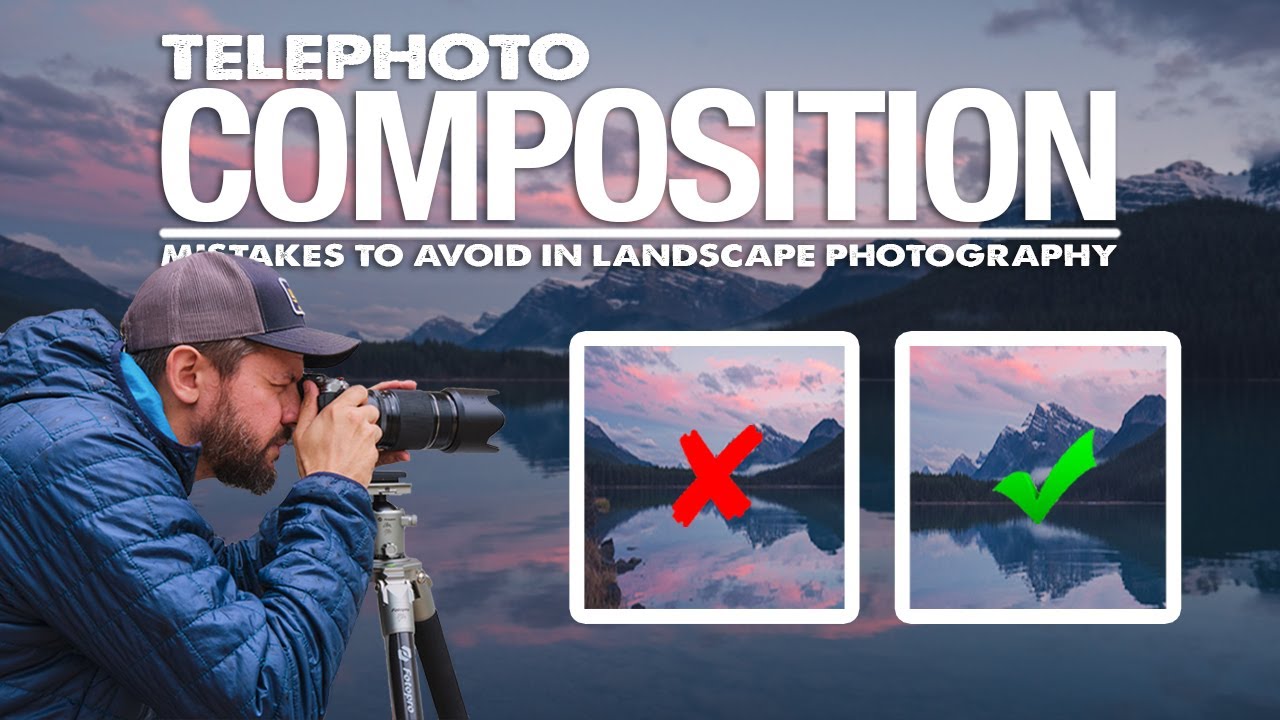
Scene Stuffing: The Long Lens Composition Trap That Almost Broke My Telephoto Work

Scene Stuffing: The Long Lens Composition Trap That Almost Broke My Telephoto Work

There is a specific kind of frustration that comes from standing in front of a genuinely beautiful scene, making what feels like a thoughtful composition with a long lens, and then pulling up the image on your laptop that night and feeling nothing. The light was there. The subject was there. And somehow the photograph is a mess. For years I chalked that up to some vague failure of artistic instinct.
Why Your Landscape Photos Feel Empty (And What to Do Before You Even Raise the Camera)

Why Your Landscape Photos Feel Empty (And What to Do Before You Even Raise the Camera)

The Shot That Isn’t There Yet I was standing at the edge of a basalt rimrock outside Bend last October, about twenty minutes before first light. The scene in front of me was objectively beautiful. A high desert valley, juniper silhouettes, a streak of cold orange just beginning to crack the horizon. I had my tripod set up, my Lee filters in my vest pocket, my 16-35mm on the camera. And I almost pressed the shutter.

Chasing Light With a Telephoto: What a Foggy Valley Taught Me About Isolation and the Hero Subject

Chasing Light With a Telephoto: What a Foggy Valley Taught Me About Isolation and the Hero Subject

There’s a particular kind of frustration that comes with standing in front of a beautiful scene and knowing, in your gut, that it isn’t working. You see the ingredients — the light, the atmosphere, the shapes — but the frame feels cluttered, or the elements compete instead of cooperate. After twenty years of walking out before dawn, I still hit that wall regularly. What separates a productive shoot from a forgettable one isn’t luck.

What a Landscape Photographer Learns When They Stop Controlling the Frame

What a Landscape Photographer Learns When They Stop Controlling the Frame

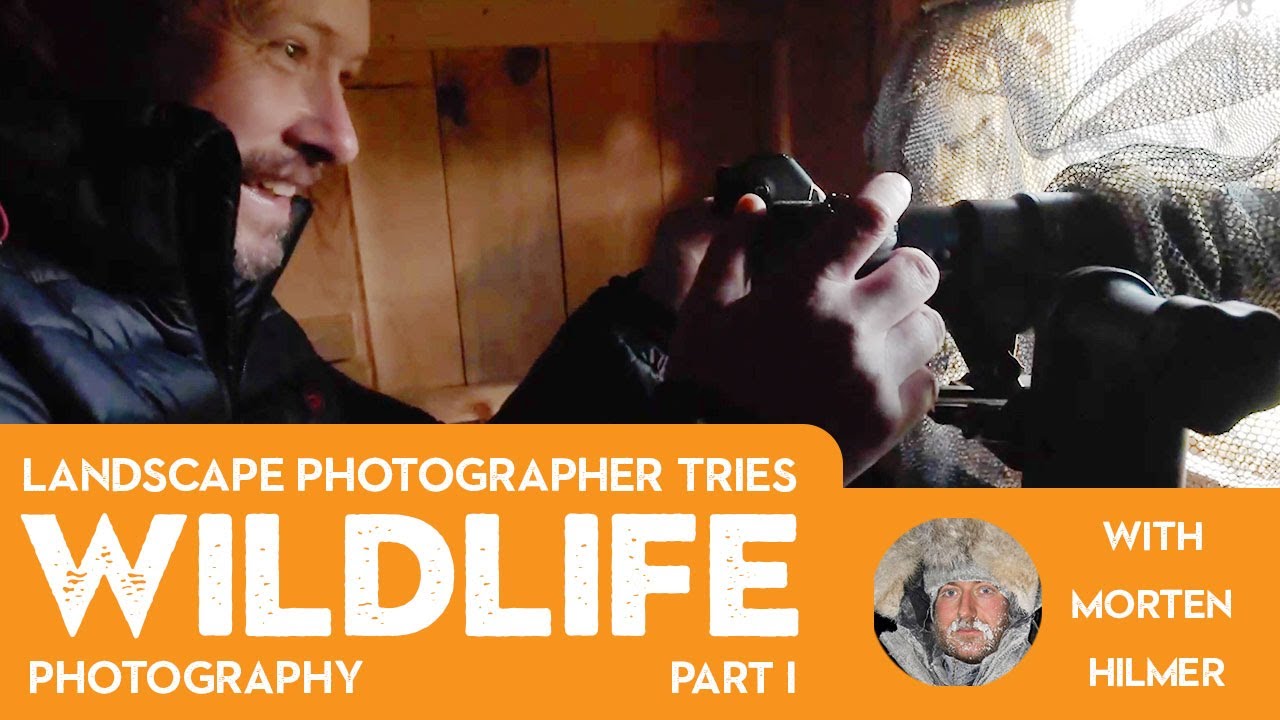
There’s a particular kind of humility that comes from stepping outside your own genre. I’ve spent two decades composing landscapes, reading light, waiting for clouds to cooperate. I know my tools cold, and I know my instincts. But every so often something pulls me sideways into unfamiliar territory, and that’s usually where the real learning happens. In this Nigel Danson tutorial, the British landscape photographer trades his wide-angle compositions for a telephoto lens and spends a morning in a photography blind in a Danish forest with wildlife photographer Morten Hilmer.

How to Shoot Winter Snow Landscapes: Field Lessons from New Zealand's Southern Alps

How to Shoot Winter Snow Landscapes: Field Lessons from New Zealand's Southern Alps

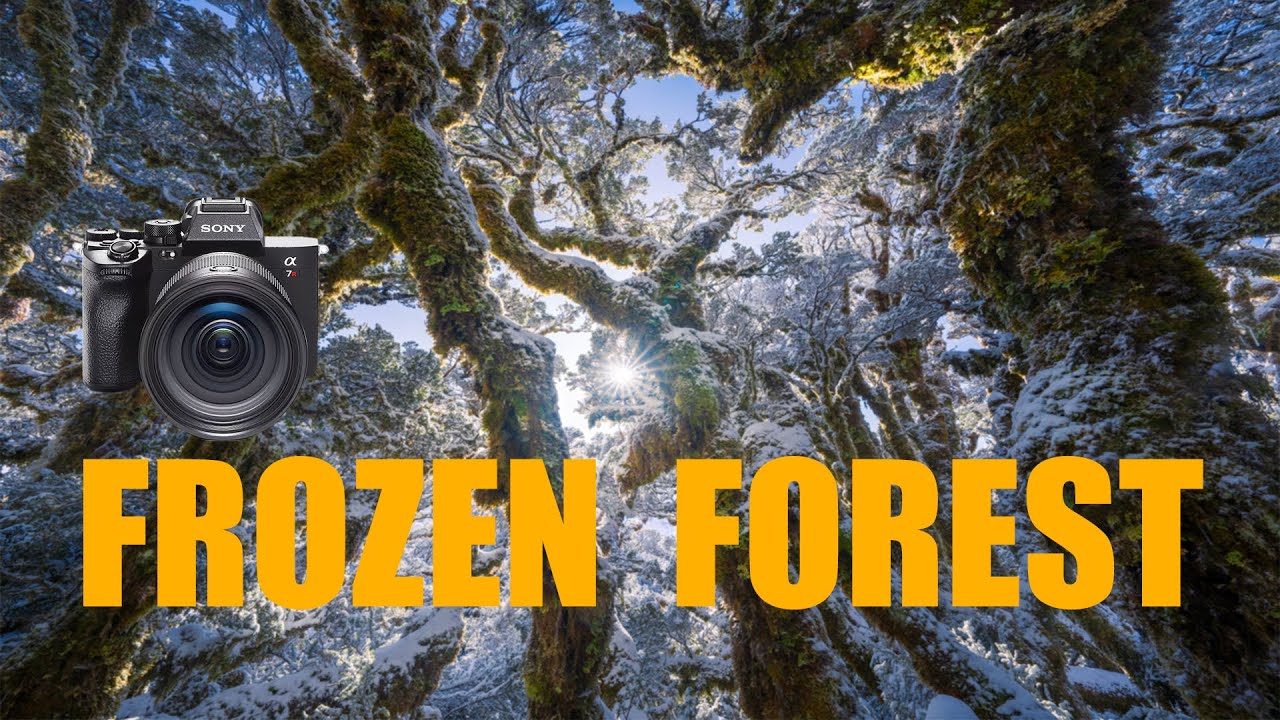
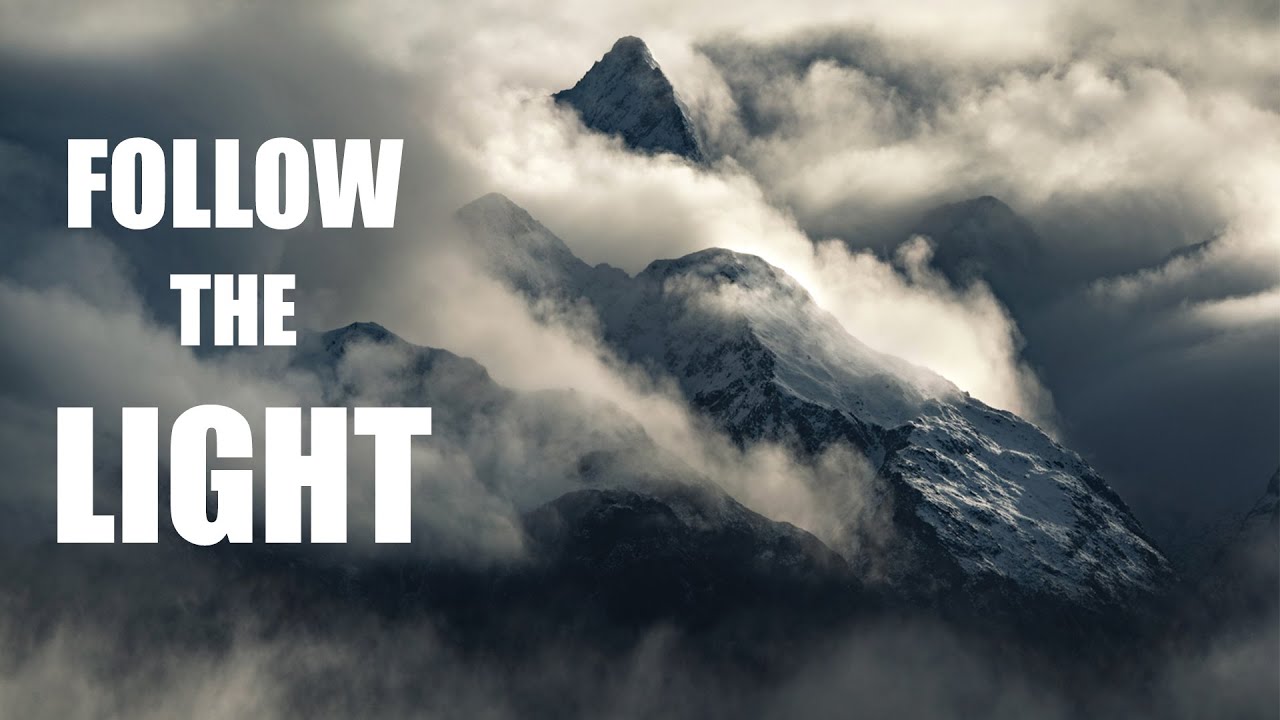
Snow changes everything. The light bounces differently, the exposure math shifts, and the window between “perfect” and “blown out” narrows to something that can feel almost cruel. I’ve shot winter conditions in the Cascades and the Oregon high desert for two decades, and I’ll tell you honestly: snow still humbles me on a regular basis. So when I came across a tutorial from New Zealand-based photographer William Patino documenting a pre-dawn sprint into a snow-loaded South Island forest, I watched it twice and took notes.

How to Photograph a Sunstar: The Two Things That Actually Matter

How to Photograph a Sunstar: The Two Things That Actually Matter

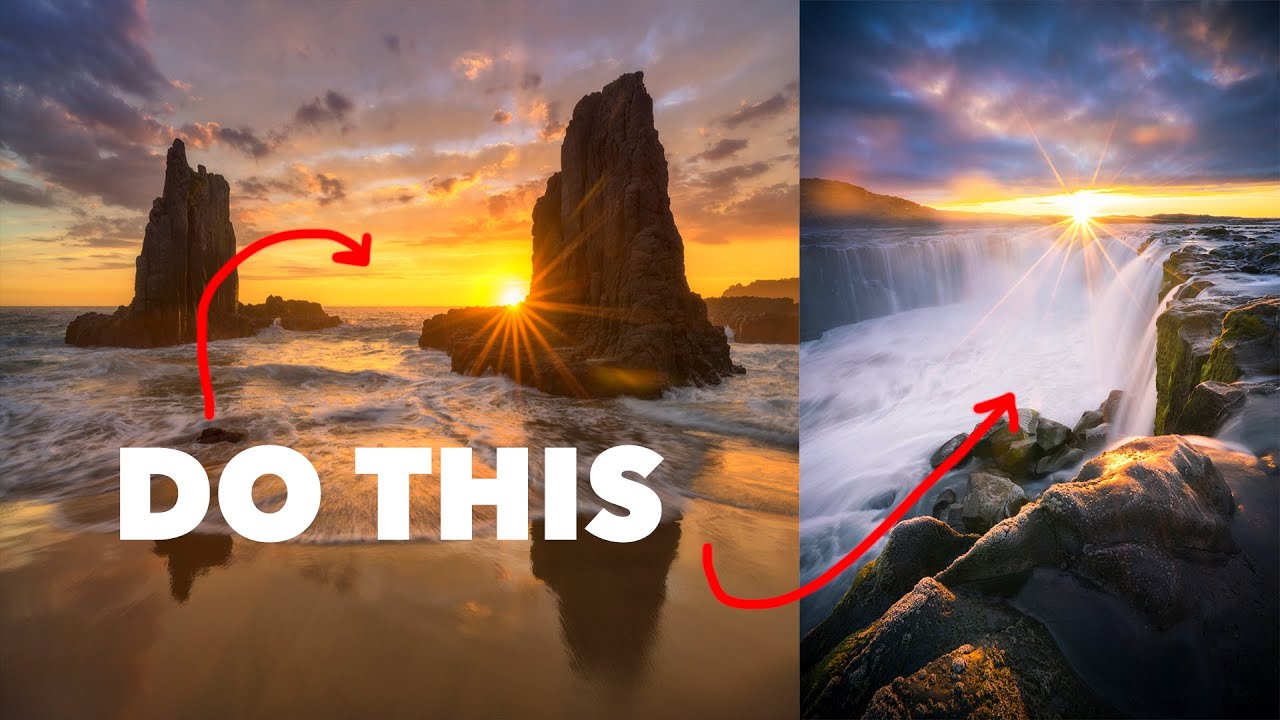
There is a particular kind of shot that stops people mid-scroll. The sun sits just behind a rock, a tree, or the edge of a cliff, and light rays spray outward in perfect symmetry like a starburst drawn by hand. I spent an embarrassing amount of time in my early years chasing that look without fully understanding what was creating it. I knew aperture was involved, but I kept blowing out the highlights or getting a smear of lens flare instead of crisp rays.

Why Your Landscape Photos Feel Empty (And What to Do Before You Ever Raise the Camera)

Why Your Landscape Photos Feel Empty (And What to Do Before You Ever Raise the Camera)

I stood at the edge of a basalt rim above the Crooked River for about twenty minutes before I took a single frame. The light was moving fast, the way it does in late October in central Oregon, dropping from gold to amber to that flat grey that kills everything. A newer photographer next to me was already firing. I counted his shutter presses. Forty-seven frames in the first three minutes.

Chasing the Last Light: What Nigel Danson's Coastal Sunset Shoot Taught Me About Reading the Sky

Chasing the Last Light: What Nigel Danson's Coastal Sunset Shoot Taught Me About Reading the Sky

There is a particular kind of pressure that builds in the last thirty minutes before sunset. The light is changing by the minute, you still haven’t locked in a composition, and the clouds are doing something you didn’t plan for. After twenty years shooting landscapes full-time, I still feel it every single time. What separates a productive evening from a frustrating one is rarely luck. It’s a set of decisions made quickly and with intention.

Chasing Bluebells at Dawn: Field Techniques for Woodland Wildflower Photography

Chasing Bluebells at Dawn: Field Techniques for Woodland Wildflower Photography

There is a narrow window every spring when the bluebells are up and the canopy hasn’t fully closed, and if you miss it, you wait another year. I’ve driven to locations only to find the flowers past peak, or arrived at perfect light with no idea where to place my tripod. That gap between showing up and actually seeing the shot is something most tutorials skip over. What I appreciate about this recent vlog from First Man Photography, Watch the full tutorial on YouTube, is that it doesn’t skip that part.

Chasing Sunrise at Flamborough Head: Long Exposures, ND Filters, and the Art of Adapting in the Field

Chasing Sunrise at Flamborough Head: Long Exposures, ND Filters, and the Art of Adapting in the Field

There is a particular kind of quiet that happens at 4am when you’re standing on a cliff edge with the sea below you, wondering if the cloud sitting on the horizon is going to ruin everything. I’ve been in that exact moment more times than I can count, and what separates a productive shoot from a wasted drive is almost never the weather. It’s whether you’ve built enough flexibility into your approach to find a shot when your planned shot disappears.

Stop Planning So Much: What William Patino's Best Images Taught Me About Spontaneous Landscape Photography

Stop Planning So Much: What William Patino's Best Images Taught Me About Spontaneous Landscape Photography

There’s a particular kind of paralysis I know well. I’ll be standing at my kitchen counter in Bend at 5am, coffee going cold, scrolling through weather apps and satellite radar loops, telling myself the light won’t be worth it. I’ve been shooting landscapes full-time for twenty years, and I still fall into that trap. The forecast looks uncertain, the clouds look wrong, and I talk myself out of driving thirty minutes to the high desert before the sun clears the Cascades.