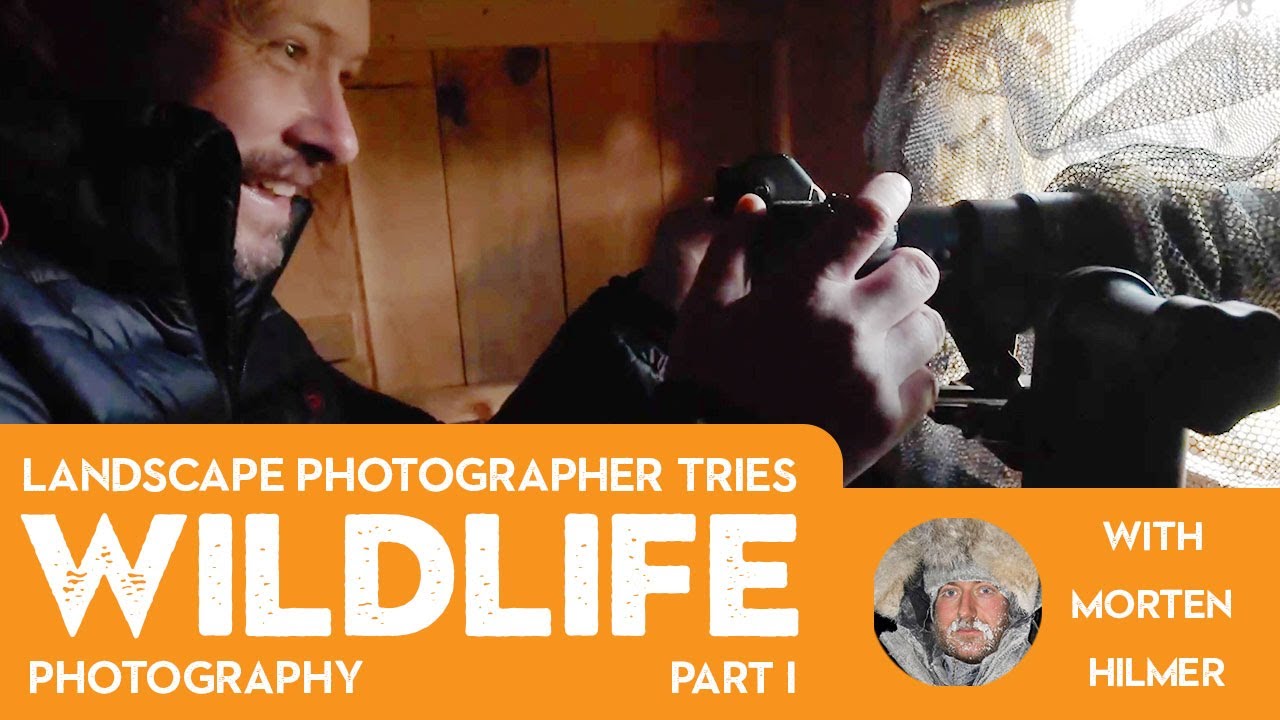
There’s a particular kind of humility that comes from stepping outside your own genre. I’ve spent two decades composing landscapes, reading light, waiting for clouds to cooperate. I know my tools cold, and I know my instincts. But every so often something pulls me sideways into unfamiliar territory, and that’s usually where the real learning happens.
In this Nigel Danson tutorial, the British landscape photographer trades his wide-angle compositions for a telephoto lens and spends a morning in a photography blind in a Danish forest with wildlife photographer Morten Hilmer. Watch the full tutorial on YouTube. What unfolds isn’t just a lesson in bird photography. It’s a masterclass in how the discipline of one photographic genre can quietly sharpen your eye in every other.
The conversation between these two photographers around a campfire at dusk gets at something I’ve felt for years but rarely heard said plainly: different subjects demand different skills, but the underlying patience is always the same. A mentor told me once that the mountain doesn’t care about your schedule. Turns out, neither do the birds.
Step 1: Recognize What You’re Actually Being Asked to Give Up
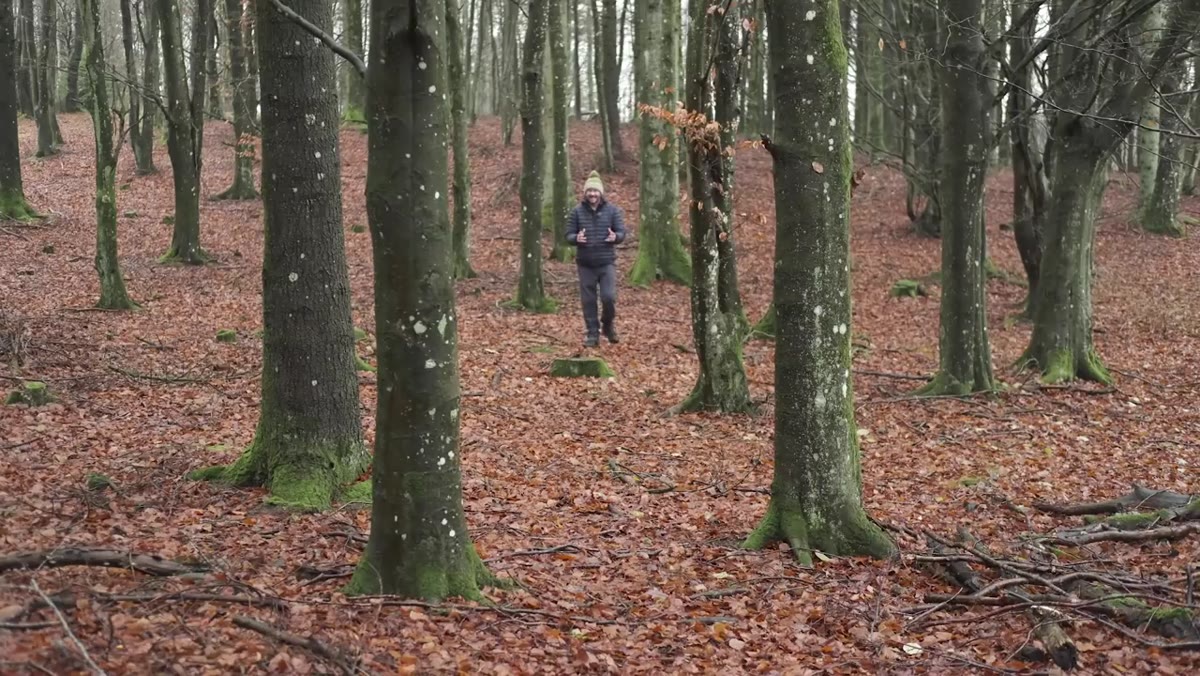 Nigel walks through a misty Danish forest at dawn
Before any technique discussion happens, Nigel frames the whole experiment honestly. He’s a landscape photographer trying something new, and he’s not pretending otherwise. That admission matters more than it sounds.
Nigel walks through a misty Danish forest at dawn
Before any technique discussion happens, Nigel frames the whole experiment honestly. He’s a landscape photographer trying something new, and he’s not pretending otherwise. That admission matters more than it sounds.
When you cross into wildlife photography from a landscape background, your biggest liability isn’t gear or technique. It’s the assumption that your compositional instincts will transfer directly. Landscape work lets you set your frame deliberately, adjust your position, wait for the light to shift. Wildlife photography collapses that control almost entirely. The subject moves, or it doesn’t show up at all. The first real step is accepting that you’re not the one directing the scene.
Step 2: Use a Blind to Remove Yourself from the Equation
 Nigel and Morten settle into the photography blind before sunrise
Morten’s approach centers on a photography blind, a small concealed structure placed near natural bird activity. This isn’t a casual setup. Morten explains that he visits the same location multiple times a week and often comes away with nothing more than a distant blackbird. The blind works not because it tricks birds, but because it removes the human disruption that keeps wildlife from behaving naturally.
Nigel and Morten settle into the photography blind before sunrise
Morten’s approach centers on a photography blind, a small concealed structure placed near natural bird activity. This isn’t a casual setup. Morten explains that he visits the same location multiple times a week and often comes away with nothing more than a distant blackbird. The blind works not because it tricks birds, but because it removes the human disruption that keeps wildlife from behaving naturally.
For landscape photographers used to moving freely across terrain, this is a genuine mental shift. You commit to a position before the light arrives, and you stay. You don’t reframe by moving your tripod six feet to the left. Whatever comes into your field of view is what you work with. Position your blind near known wildlife activity, ideally a feeding area or natural perch, and arrive well before first light. Settle in quietly. Your presence needs to become part of the environment, not an interruption to it.
Step 3: Arrive Early Enough That the Birds Forget You’re There
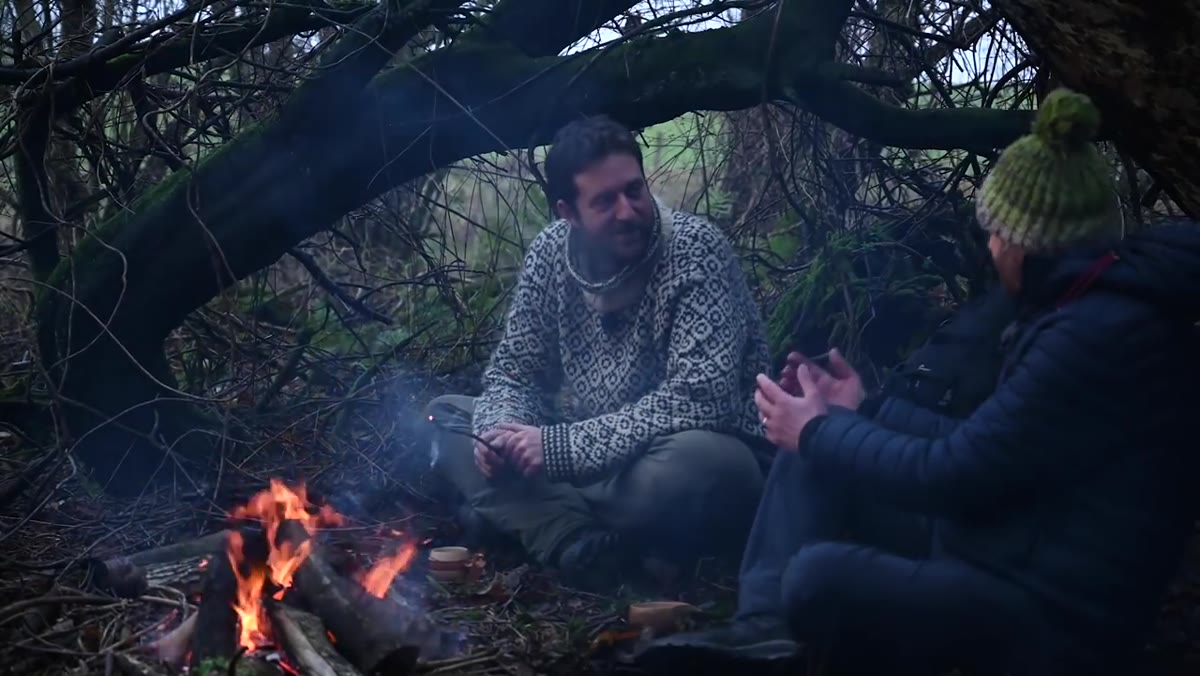
 Dark woodland at dusk, campfire visible through trees
Nigel and Morten both note that the morning session was remarkable partly because of timing. Wildlife photography operates on animal schedules, not golden-hour aesthetics. Birds are most active and least wary in the early morning hours, and arriving late means arriving into an environment already disturbed by your own approach.
Dark woodland at dusk, campfire visible through trees
Nigel and Morten both note that the morning session was remarkable partly because of timing. Wildlife photography operates on animal schedules, not golden-hour aesthetics. Birds are most active and least wary in the early morning hours, and arriving late means arriving into an environment already disturbed by your own approach.
In practice, this means arriving at your blind in darkness. Not first-light darkness. Full darkness, well before any glow on the horizon. Sit still, let the sounds of the forest normalize around you, and let the birds reestablish their routines without knowing you’re part of the landscape. The reward, as Nigel discovers that morning, can be extraordinary. A robin appeared close in the blind, something Morten says doesn’t happen during his usual visits. Patience and stillness created the conditions for a moment that couldn’t be engineered.
Step 4: Identify the Overlap Between Wildlife and Landscape Thinking
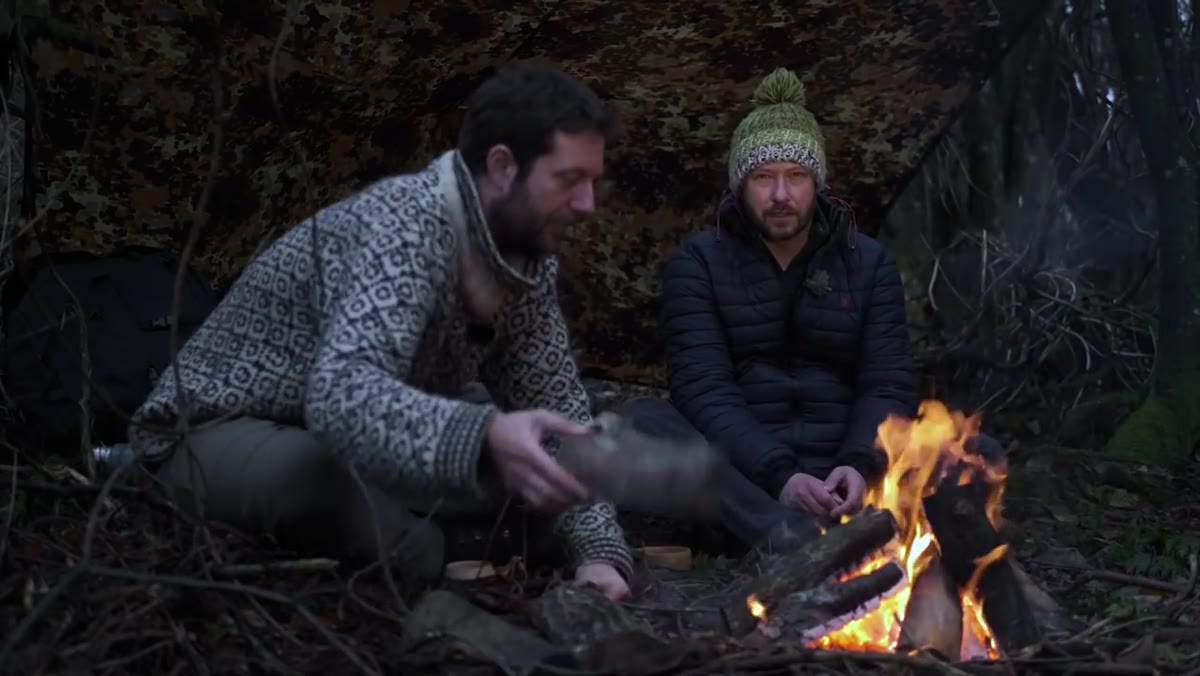
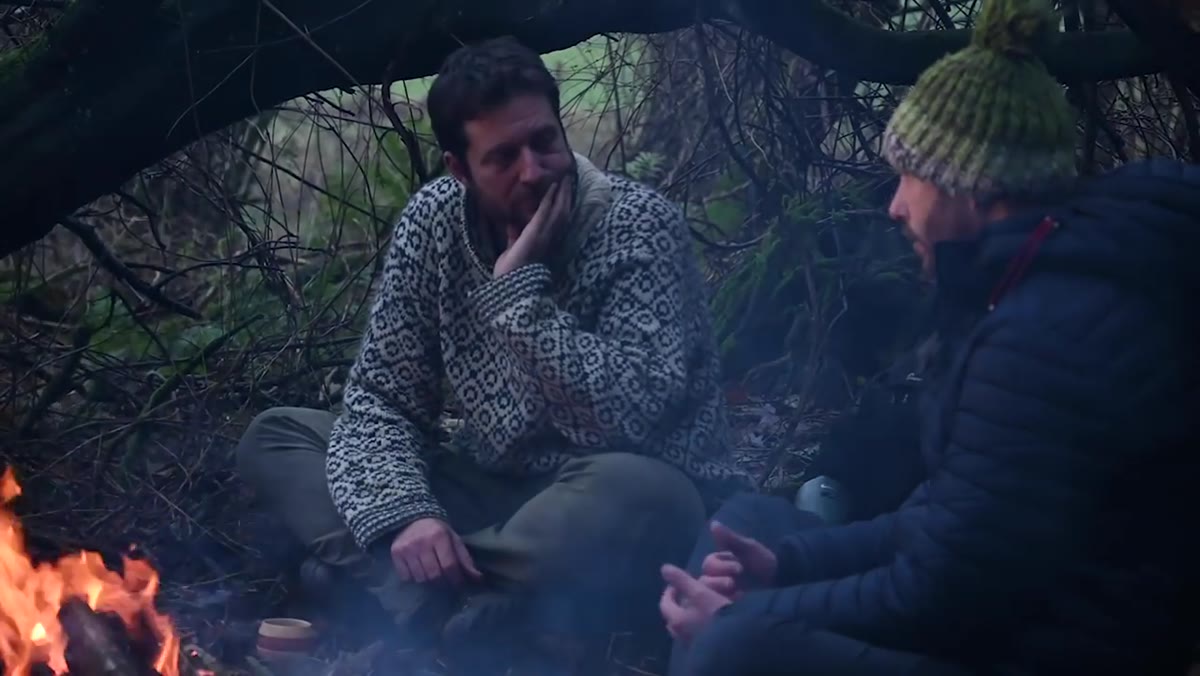 Nigel and Morten talking by the fire, animated and gesturing
One of the most valuable parts of this tutorial is when Nigel and Morten compare notes and find more common ground than either expected. Timing, patience, reading an environment, understanding how light behaves in a specific location at a specific time of year. These aren’t landscape skills or wildlife skills. They’re field skills, and they transfer.
Nigel and Morten talking by the fire, animated and gesturing
One of the most valuable parts of this tutorial is when Nigel and Morten compare notes and find more common ground than either expected. Timing, patience, reading an environment, understanding how light behaves in a specific location at a specific time of year. These aren’t landscape skills or wildlife skills. They’re field skills, and they transfer.
Morten puts it well when he says he thinks about what fascinates him and photographs that. He’s not rigidly a wildlife photographer in the same way Nigel isn’t rigidly a landscape-only photographer. The subject is nature, and whatever moves you inside that subject is worth pursuing. For photographers who feel locked into a single genre, this is genuinely freeing. Your compositional eye, your sense of depth and atmosphere, your understanding of available light, all of that applies when a kingfisher lands on a branch in front of you. You just have less time to use it.
Step 5: Let the Other Genre Diagnose Your Weaknesses
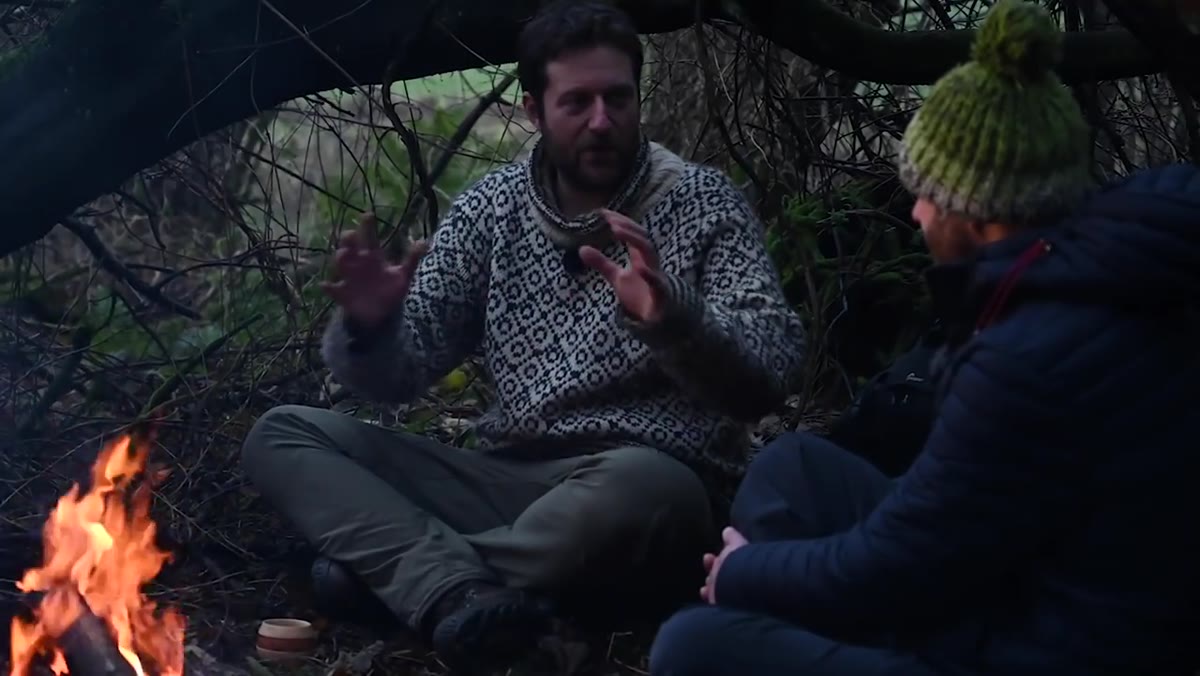 Morten describing the challenge of conveying landscape feeling in a photograph
Morten makes a quietly striking confession here. He says he can create beautiful landscape photographs, but when he looks at Nigel’s work, he gets a feeling of being inside the scene, surrounded by mist, experiencing the mystery. That feeling is what he struggles to produce. Nigel, meanwhile, is the one sitting in the blind feeling like a beginner.
Morten describing the challenge of conveying landscape feeling in a photograph
Morten makes a quietly striking confession here. He says he can create beautiful landscape photographs, but when he looks at Nigel’s work, he gets a feeling of being inside the scene, surrounded by mist, experiencing the mystery. That feeling is what he struggles to produce. Nigel, meanwhile, is the one sitting in the blind feeling like a beginner.
This kind of honest self-assessment only becomes possible when you step outside your comfort area. Each genre reveals what the other demands. Wildlife photography will show a landscape photographer how much they rely on controlled composition. Landscape photography will show a wildlife photographer how much mood is built through conscious framing rather than subject interest alone. Trying something difficult in a different discipline isn’t a detour from your development. It’s a diagnostic tool.
Step 6: Accept That Some Sessions Produce One Frame, and That’s Enough
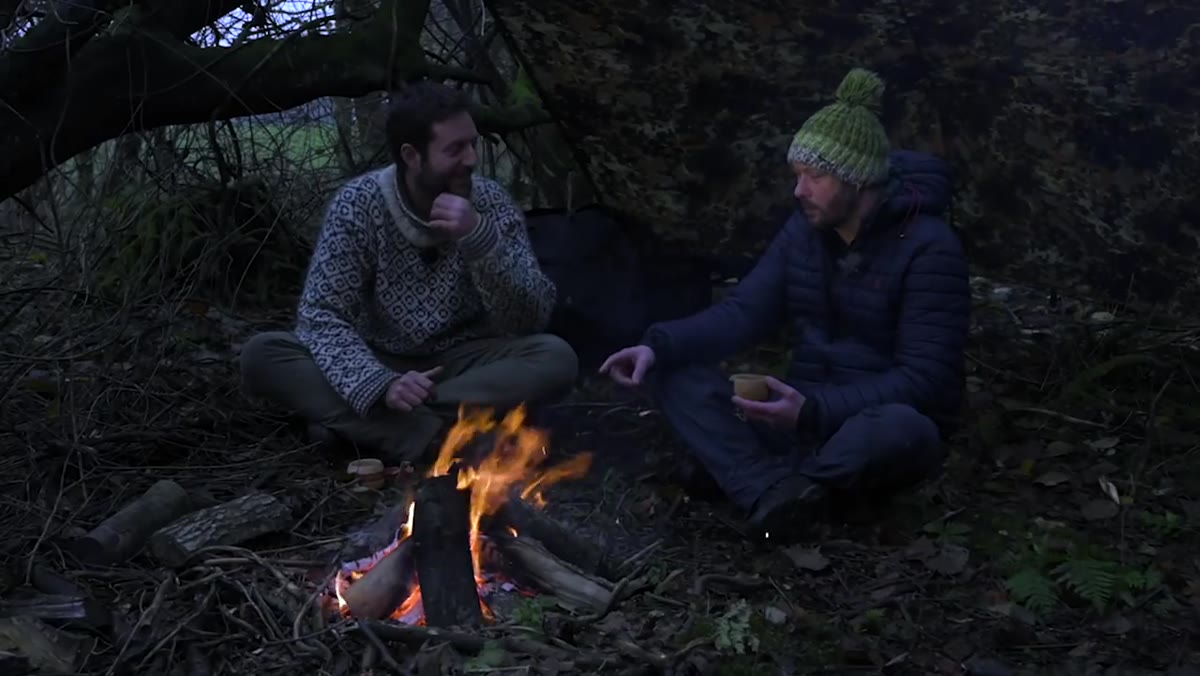 Nigel laughing about not photographing the robin, firelight on his face
There’s a moment in the campfire conversation where both photographers laugh about the robin that appeared close in the blind and was so surprising that neither properly photographed it. Morten, who photographs polar bears and arctic foxes, was caught off guard by a garden bird.
Nigel laughing about not photographing the robin, firelight on his face
There’s a moment in the campfire conversation where both photographers laugh about the robin that appeared close in the blind and was so surprising that neither properly photographed it. Morten, who photographs polar bears and arctic foxes, was caught off guard by a garden bird.
That moment encapsulates something essential about field photography in any genre. The session that produces one strong image after hours of waiting isn’t a failure. I once drove six hours to a coastal location, sat in fog for two full days, and came home with a single exposure that went on to become my best-selling print. The fog wasn’t a problem. The fog was the picture. In wildlife photography, the unpredictability is the point. Build a practice that finds meaning in the attempt rather than validation in the count.
What Landscape Photographers Should Actually Take Into the Field
The practical takeaway here isn’t about switching genres. It’s about deliberate cross-training. Book one morning session in a bird blind before your next landscape trip. Use it not to become a wildlife photographer but to practice pure reactive composition, to work with whatever shows up in your frame without adjusting the frame to suit you.
That constraint will change how you see your next landscape. You’ll notice which compositional instincts are genuine and which ones are just the habit of always being able to reposition.
Nigel’s experiment with Morten Hilmer reinforces something I come back to every few years: the photographers who grow are the ones willing to feel like beginners again. The patience you build in a bird blind carries directly into the hours before sunrise on a mountain. It’s the same stillness, pointed in a different direction.
Watch the full tutorial on YouTube and follow along with Part 1 of Nigel’s wildlife photography series. The campfire conversation alone is worth your time.
Comments (2)
Quality content like this is rare. Keep it up.
Quality content like this is rare. Keep it up.
Leave a Comment