There’s a question I get asked at almost every workshop I run: “How do I actually make it as a landscape photographer?” Not just take better photos, but build something real out of it. A career, a reputation, a body of work worth pointing to. I’ve been at this for two decades and I still find it hard to answer cleanly, mostly because the answer isn’t one thing. It’s a collection of habits and decisions that compound over time.
So when I came across this Thomas Heaton tutorial recently, I sat up straight. Not because it was full of technical revelations, but because he articulated several things I’ve learned the hard way and laid them out in plain, honest language. Watch the full tutorial on YouTube before or after reading this. Either order works.
What follows is my breakdown of Heaton’s five tips, filtered through my own experience shooting in the high desert and mountain ranges of the Pacific Northwest. Some of this will confirm what you already know. Some of it might sting a little. Both reactions are useful.
Step 1: Publish Only Your Best Work
 Thomas Heaton speaking directly to camera about quality over quantity
This one sounds obvious until you open Instagram at 9pm with three decent shots from the day and a quiet itch to post something. Heaton’s point is direct: the photographers you admire most, you can probably only picture a handful of their images. That’s not because they didn’t shoot much. It’s because they were disciplined about what they let represent them.
Thomas Heaton speaking directly to camera about quality over quantity
This one sounds obvious until you open Instagram at 9pm with three decent shots from the day and a quiet itch to post something. Heaton’s point is direct: the photographers you admire most, you can probably only picture a handful of their images. That’s not because they didn’t shoot much. It’s because they were disciplined about what they let represent them.
Early in my career I posted constantly. Every sunrise, every outing, every shot I was mildly proud of. What I ended up with was a feed that looked busy but said nothing. Now I treat my published gallery work and my casual social content as genuinely separate things. Testing shots, behind-the-scenes moments, gear comparisons, all fine to share. But when something goes into my print portfolio or my main gallery, it has to earn that place. That distinction, once you make it clearly, changes how people perceive your work almost immediately.
Step 2: Think in Stories, Not Single Shots
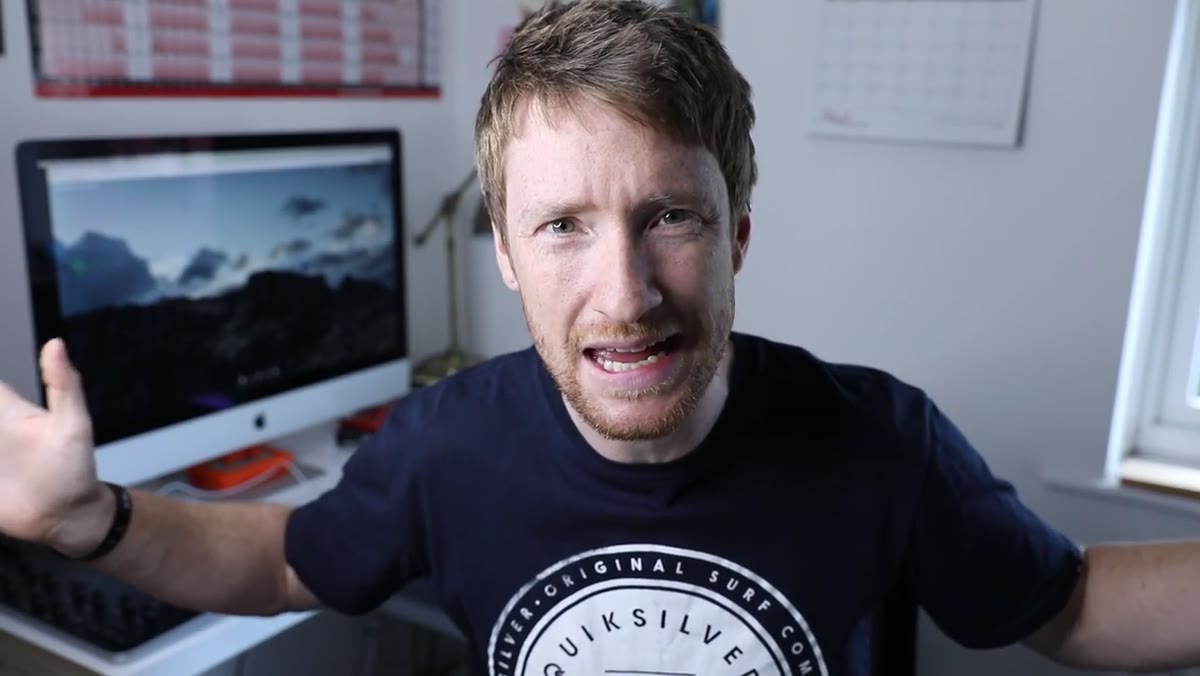 Heaton gesturing while explaining the concept of image series and storytelling
A single strong image will always matter. But Heaton’s advice here is aimed at photographers who want to get published or build relationships with media outlets, and it’s practical to the point of being immediately actionable. Magazines, websites, and editorial clients don’t want one photograph. They want a narrative they can build a feature around, something with a beginning, a middle, and an end.
Heaton gesturing while explaining the concept of image series and storytelling
A single strong image will always matter. But Heaton’s advice here is aimed at photographers who want to get published or build relationships with media outlets, and it’s practical to the point of being immediately actionable. Magazines, websites, and editorial clients don’t want one photograph. They want a narrative they can build a feature around, something with a beginning, a middle, and an end.
The theme doesn’t need to be complicated. A season, a single mountain range, a specific type of light, a week-long expedition. What matters is that the images speak to each other. When I shot a series across three winters on the high lava fields east of Bend, I wasn’t thinking about a magazine at the time. But when I assembled those images with a few hundred words of context, I had something that placed twice in regional publications within a year. Shoot with intention, and the story often reveals itself in the edit.
Step 3: Submit Your Work to Publications
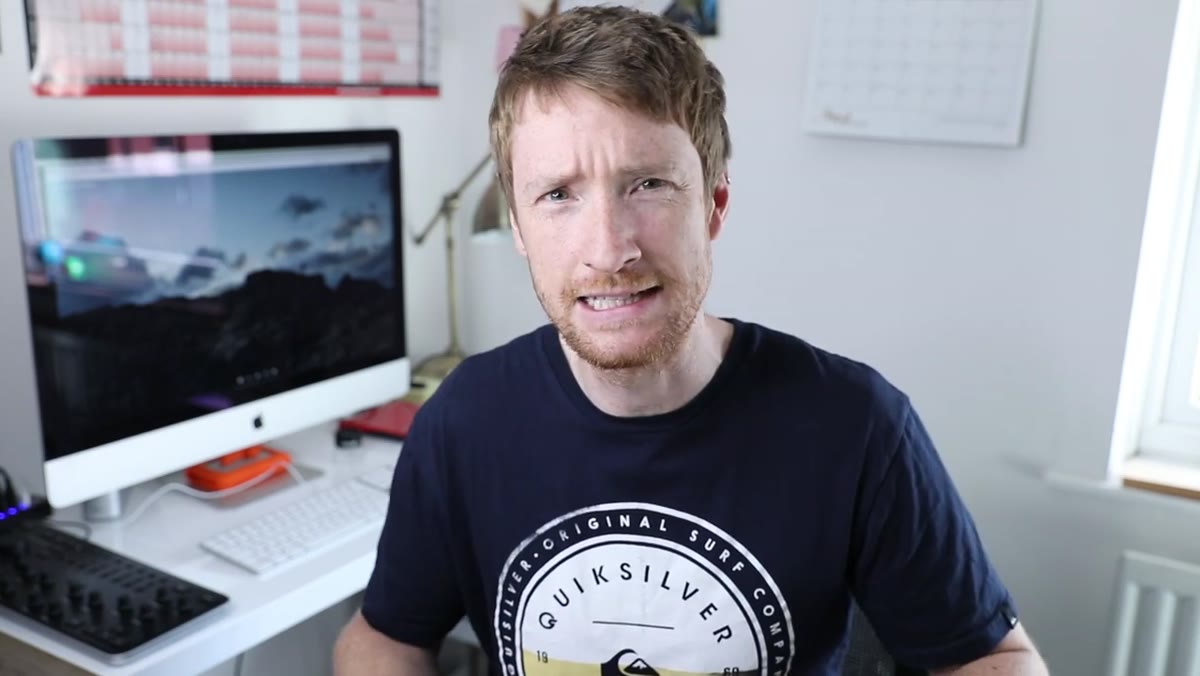 Heaton referencing magazines and the submission process for photographers
Here’s something most photographers underestimate: publications need us. They are not doing us a favor by running our work. They need compelling imagery to fill pages and drive traffic, and without photographers willing to submit, they have nothing. Heaton makes this point firmly, and it reframes the whole idea of submitting work from something that feels like begging to something that feels like a business transaction.
Heaton referencing magazines and the submission process for photographers
Here’s something most photographers underestimate: publications need us. They are not doing us a favor by running our work. They need compelling imagery to fill pages and drive traffic, and without photographers willing to submit, they have nothing. Heaton makes this point firmly, and it reframes the whole idea of submitting work from something that feels like begging to something that feels like a business transaction.
Almost every photography magazine and many general-interest outlets have a submission process, usually an email address buried in the back pages or on the contact section of their website. Start with publications you already read and respect. Write a short, professional pitch, attach a curated selection of your best work relevant to their audience, and send it. Expect silence more often than not. Keep submitting anyway. The first placement I ever got came after nine unanswered emails to different outlets. The tenth one said yes.
Step 4: Chase Weather Events and Submit Fast
 Heaton discussing unusual weather as a newsworthy photography opportunity
This tip is specifically aimed at breaking into news and media markets, and it’s one I wish someone had told me fifteen years ago. Heaton points out that media outlets, particularly newspapers, are hungry for weather-related imagery. An unseasonable snowstorm, a dramatic summer hailstorm, flooding, frost in the wrong season: these are all events that editors want visual documentation of, and they want it quickly.
Heaton discussing unusual weather as a newsworthy photography opportunity
This tip is specifically aimed at breaking into news and media markets, and it’s one I wish someone had told me fifteen years ago. Heaton points out that media outlets, particularly newspapers, are hungry for weather-related imagery. An unseasonable snowstorm, a dramatic summer hailstorm, flooding, frost in the wrong season: these are all events that editors want visual documentation of, and they want it quickly.
The key is being ready to move fast. If you wake up to unusual conditions, you should already be out the door. I keep a go-bag packed from October through April for exactly this reason. Shoot broadly, cover the scene from multiple angles, and then research which outlets might want the images. Heaton specifically names Rex Features as a starting point for photographers interested in this kind of editorial licensing. Submit the same day if you can. News has a shelf life measured in hours.
Step 5: Find the Right Agencies and Platforms for Your Niche
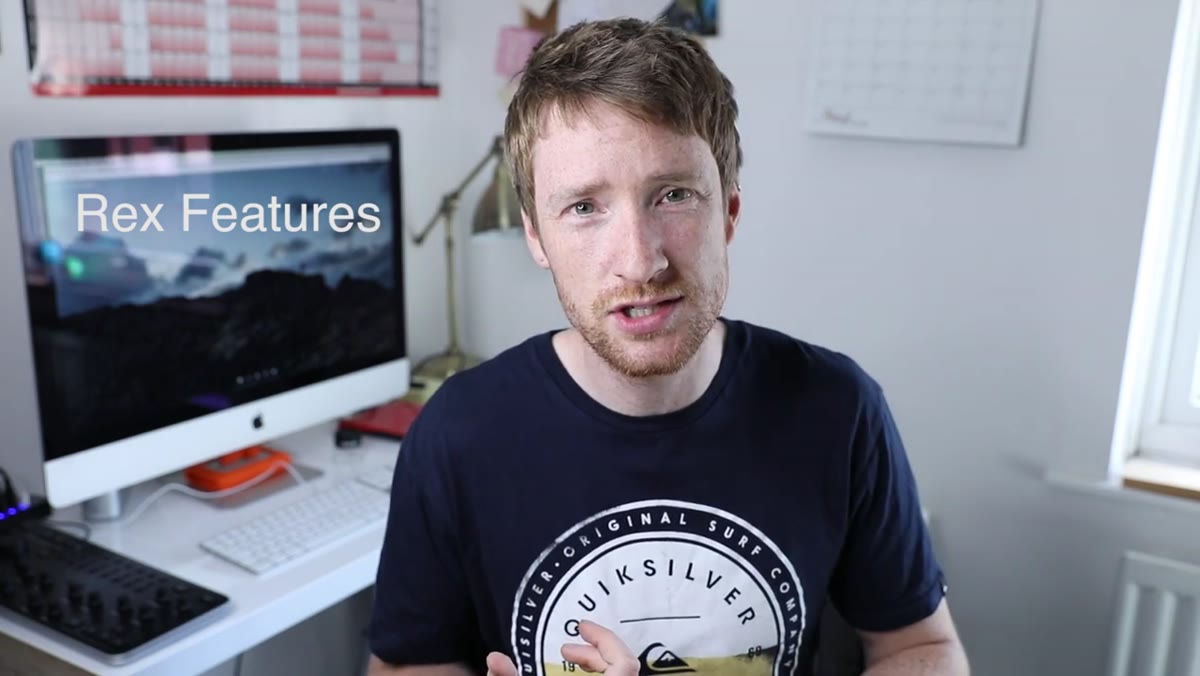 Heaton mentioning Rex Features and science-based photography platforms
Not all photography agencies are built the same, and submitting your dramatic mountain sunrise to an agency that specializes in corporate stock is a waste of everyone’s time. Heaton points toward niche platforms for photographers whose work skews scientific or nature-focused, and the broader lesson is that matching your work to the right marketplace matters more than submitting to the biggest names.
Heaton mentioning Rex Features and science-based photography platforms
Not all photography agencies are built the same, and submitting your dramatic mountain sunrise to an agency that specializes in corporate stock is a waste of everyone’s time. Heaton points toward niche platforms for photographers whose work skews scientific or nature-focused, and the broader lesson is that matching your work to the right marketplace matters more than submitting to the biggest names.
Spend time researching which agencies, platforms, and publications consistently feature work similar to yours. Look at the photo credits in the magazines and on the websites you already admire. Those credits will tell you exactly which agencies or photographers have licensing relationships with those outlets. It’s a simple piece of detective work that can save months of misdirected effort.
What I’d Add After 20 Years
Heaton’s five tips are solid foundations, and I’d stack one more idea underneath all of them: patience is the actual skill. I had a mentor years ago who told me that the mountain doesn’t care about your schedule, and I’ve thought about that on nearly every shoot since. The photographers I’ve watched build genuine careers are not necessarily the most talented people I know. They are the most consistent. They show up when conditions are uncertain. They submit when they’re not sure the work is ready. They keep publishing even when the response is quiet.
Shooting film occasionally has helped me with this more than anything else. When every frame costs something, you slow down. You think before you press the shutter. That habit carries over into digital work and into the longer game of building a body of work worth standing behind.
The single most important thing Heaton gets right in this tutorial is the first tip: be ruthless about what you publish under your name. Everything else, the series thinking, the submissions, the agency research, grows more powerful once your published work carries genuine weight. Start there.
Watch the full tutorial on YouTube and hear Heaton walk through these ideas in his own words. He’s built the kind of career most of us are working toward, and listening to him think out loud is worth your time.
Comments
Leave a Comment