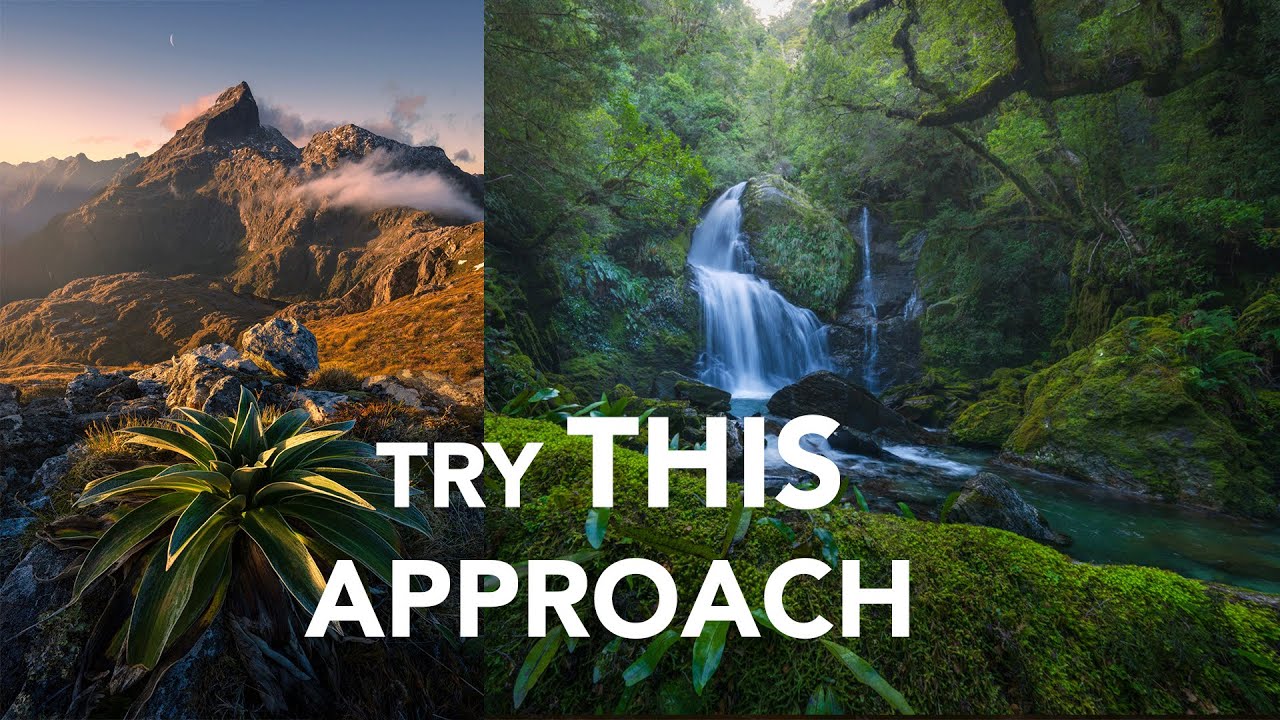
There’s a particular kind of paralysis I know well. I’ll be standing at my kitchen counter in Bend at 5am, coffee going cold, scrolling through weather apps and satellite radar loops, telling myself the light won’t be worth it. I’ve been shooting landscapes full-time for twenty years, and I still fall into that trap. The forecast looks uncertain, the clouds look wrong, and I talk myself out of driving thirty minutes to the high desert before the sun clears the Cascades. Then I check Instagram that evening and see exactly the shot I should have been there to take.
That’s why this video from William Patino landed for me the way it did. In this Watch the full tutorial on YouTube breakdown of his personal favorite images from the year, Patino isn’t talking about gear or post-processing. He’s talking about the mindset that produced those images, and honestly, it’s the conversation I wish I’d had access to when I was starting out. These are lessons that took me years of cold mornings and missed shots to learn, and he delivers them plainly and without pretense.
What follows is my own walkthrough of his core lessons, with some field context from my end of things, so you can take these ideas directly into your next shoot.
Step 1: Embrace Spontaneity Over Pre-Visualization
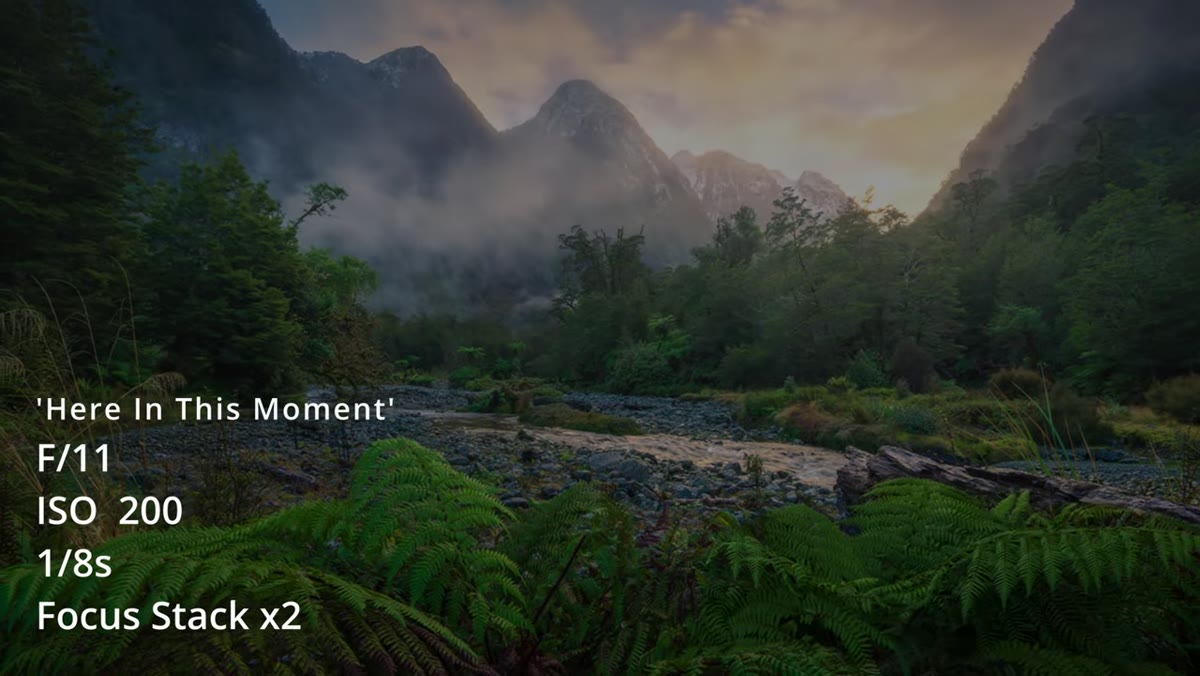 William describing a mountain scene he couldn’t have planned
When Patino talks about his mountain image from earlier in the year, he’s clear that he never would have conceived that shot in advance. The layering of ridgelines, the particular quality of the light, the moment itself, none of it was scripted. He estimates that around 90% of his best images from the year came from responding to conditions in real time rather than arriving at a location with a predetermined composition in mind.
William describing a mountain scene he couldn’t have planned
When Patino talks about his mountain image from earlier in the year, he’s clear that he never would have conceived that shot in advance. The layering of ridgelines, the particular quality of the light, the moment itself, none of it was scripted. He estimates that around 90% of his best images from the year came from responding to conditions in real time rather than arriving at a location with a predetermined composition in mind.
I’ve found the same thing holds true for me. Pre-visualization has its place, especially for specific technical shots or tidal work where timing is non-negotiable. But the habit of locking yourself into one expected image before you’ve even left the car is a creativity killer. Go to places that have potential, and then look. The image will tell you what it wants to be.
Step 2: Choose Environments, Not Shots
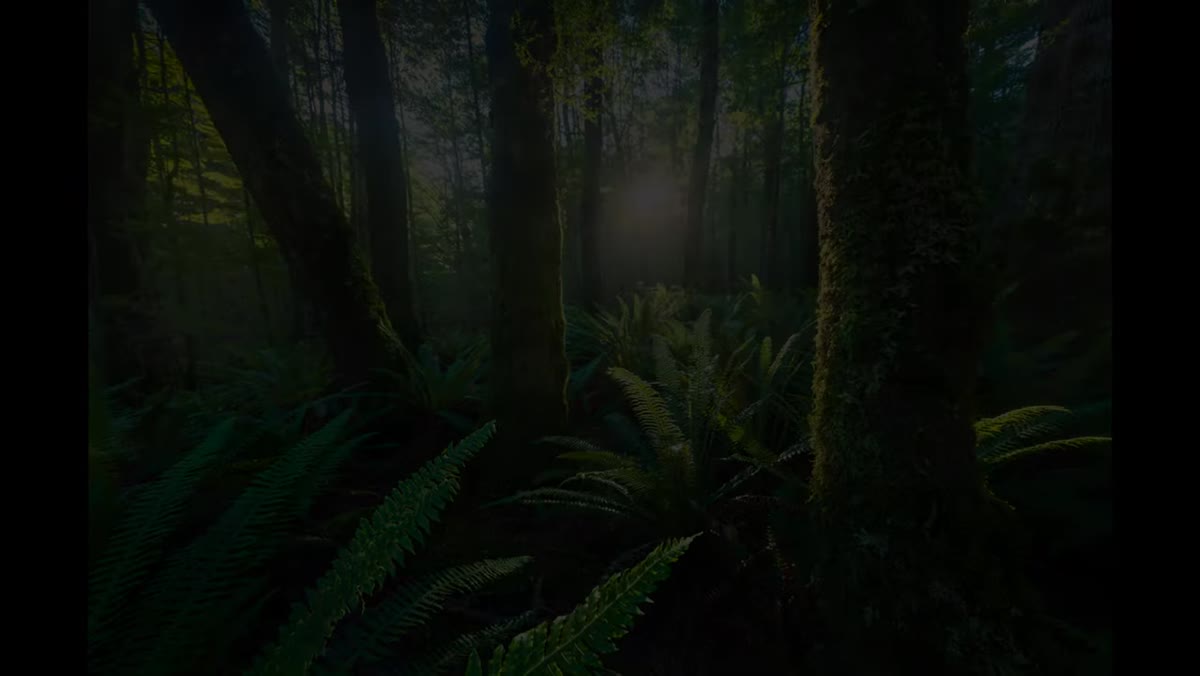 Will discussing entering a forest on a rainy or low-light day
Patino’s framing here is useful and practical. Instead of deciding “I want a photo of a specific tree” or “I want a reflection shot at this lake,” he points himself toward conditions and environments that are inherently rich. A forest on a rainy morning. An open hillside when the sun is sitting low and soft near the horizon. A coastline when weather is moving through.
Will discussing entering a forest on a rainy or low-light day
Patino’s framing here is useful and practical. Instead of deciding “I want a photo of a specific tree” or “I want a reflection shot at this lake,” he points himself toward conditions and environments that are inherently rich. A forest on a rainy morning. An open hillside when the sun is sitting low and soft near the horizon. A coastline when weather is moving through.
The thinking shifts from “what shot do I want?” to “where should I be?” That’s a subtle but significant change. When I’m leading a workshop and a student is stuck, it’s almost always because they’ve over-specified the outcome. I’ll tell them: pick an environment that interests you, put your feet in it, and stay open. You can’t manufacture a great image by force of will, but you can put yourself somewhere that makes one likely.
Step 3: Get Outside Even When Conditions Look Wrong
 William talking about overanalyzing weather data and staying home
This is the one I needed to hear again. Patino describes what he calls analysis paralysis: obsessively checking forecasts, deciding the conditions won’t cooperate, staying home, and then repeating that cycle until weeks go by without picking up the camera. He’s blunt about it. He’s been stuck in that loop himself, and some of his best images from the year came from finally ignoring the forecast and walking out the door anyway.
William talking about overanalyzing weather data and staying home
This is the one I needed to hear again. Patino describes what he calls analysis paralysis: obsessively checking forecasts, deciding the conditions won’t cooperate, staying home, and then repeating that cycle until weeks go by without picking up the camera. He’s blunt about it. He’s been stuck in that loop himself, and some of his best images from the year came from finally ignoring the forecast and walking out the door anyway.
I once drove six hours to a coastal location expecting dramatic sea stacks and a clear sunrise. I got two days of dense fog, near-zero visibility, and one single image I could actually use. That image is now my best-selling print. The fog did something to the scene I could never have predicted or recreated. The lesson wasn’t lucky timing. The lesson was that the camera has to be out of the bag for any of this to work.
Step 4: Lower Your Expectations Per Outing
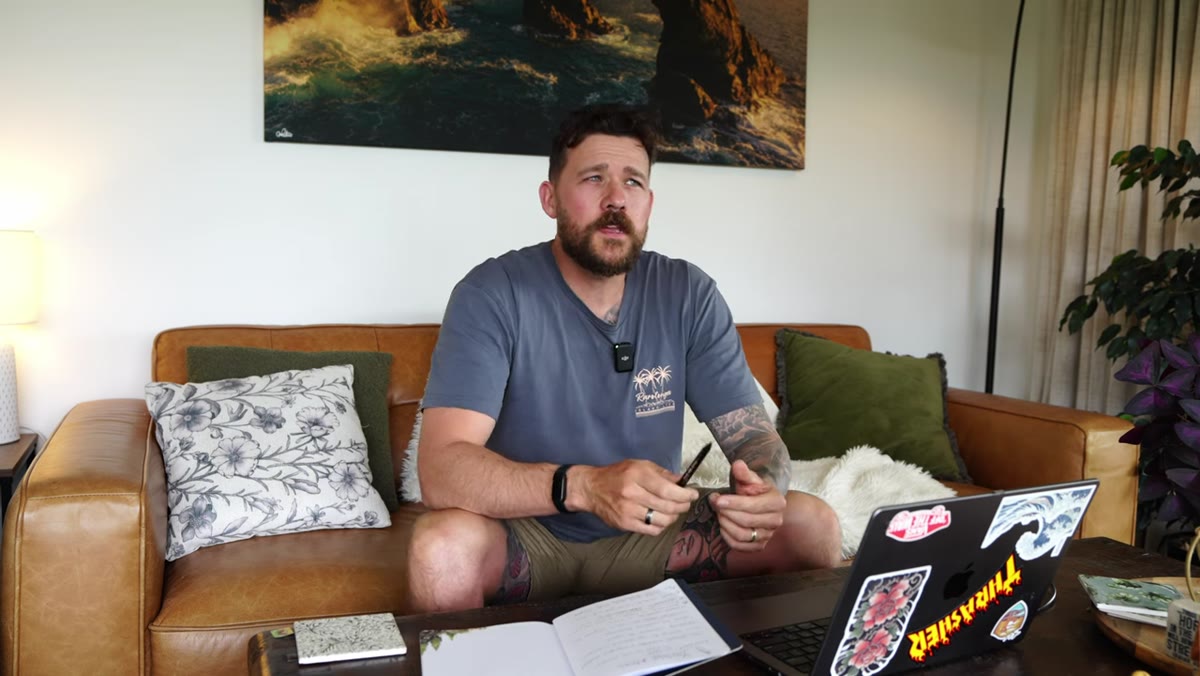 William explaining the pressure of needing to come home with images
Patino raises a point here that’s easy to underestimate. When you put pressure on every single outing to produce a portfolio image, you create tension that works against you. You stop exploring and start forcing. You’re so focused on delivering the shot you decided you needed that you walk past four other opportunities without seeing them.
William explaining the pressure of needing to come home with images
Patino raises a point here that’s easy to underestimate. When you put pressure on every single outing to produce a portfolio image, you create tension that works against you. You stop exploring and start forcing. You’re so focused on delivering the shot you decided you needed that you walk past four other opportunities without seeing them.
His advice is to go out without demanding a result. Go out to be in the field, to practice seeing, to stay in relationship with the land you’re photographing. The images come when you’re present, not when you’re anxious. This is harder to maintain than it sounds, especially if you’re shooting for clients or trying to build a body of work quickly, but the underlying principle is solid.
Step 5: React to the Moment, Not the Plan
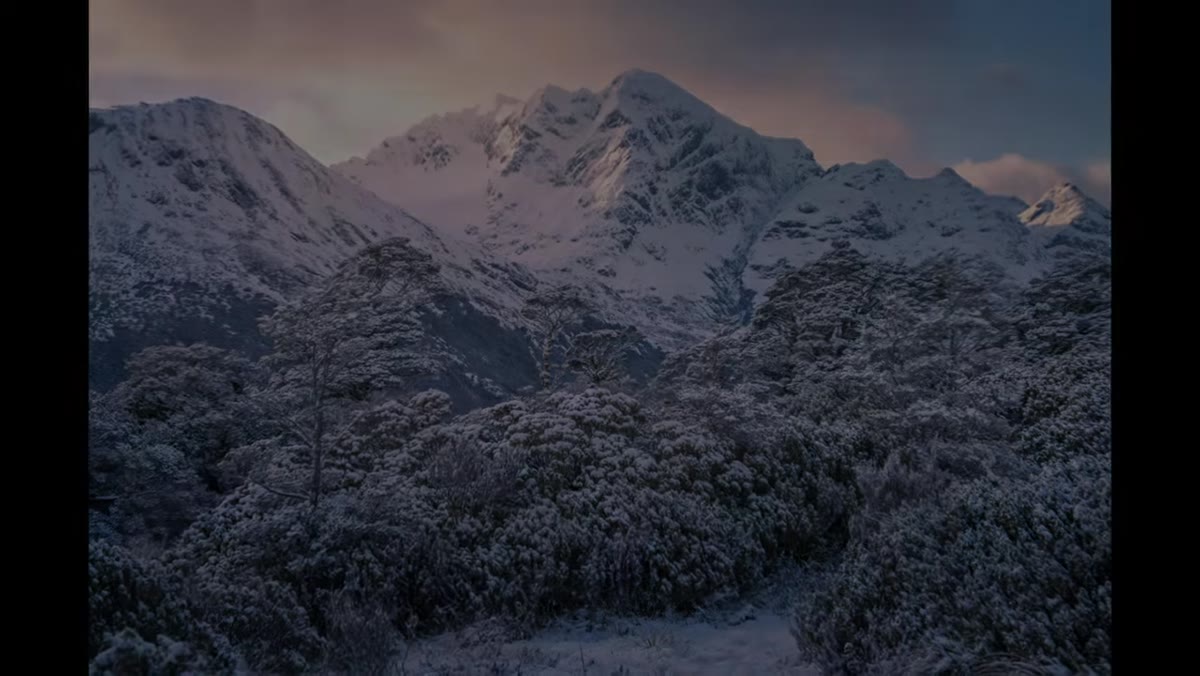 William describing reacting to light and layering in the mountain scene
Patino’s mountain image is the clearest example of this in the video. He was standing in front of a massive 180-degree mountain panorama and he reacted. He saw the light, he recognized the layering of the landscape, and he made a frame from the convergence of those things. There was no pre-built composition waiting to be confirmed. He built it in real time from what was actually there.
William describing reacting to light and layering in the mountain scene
Patino’s mountain image is the clearest example of this in the video. He was standing in front of a massive 180-degree mountain panorama and he reacted. He saw the light, he recognized the layering of the landscape, and he made a frame from the convergence of those things. There was no pre-built composition waiting to be confirmed. He built it in real time from what was actually there.
This is a skill you develop by going out often and staying curious once you’re there. The more time you spend in the field across different conditions, the faster your eye learns to recognize a genuine moment before it passes. Reaction speed is a form of preparation, it just happens before the shoot rather than the night before.
What I’d Add From My Own Experience
After two decades of this, the thing that still trips up photographers at every level is the belief that better planning will eventually lead to great images. Planning matters for logistics. It matters for safety. It matters for knowing where the sun will rise and how long it takes to hike to a ridge. But the image itself? That lives in the gap between the plan and reality. My mentor used to say the mountain doesn’t care about your schedule, and he was right. The light does what it does. Your job is to be standing somewhere good when it happens.
I’ve started thinking about shoots the way I think about film photography, which I still do occasionally specifically because it changes my relationship to the shutter. Every frame costs something. Every composition is a deliberate choice. That same quality of attention, of slowing down and actually looking before you shoot, is available to anyone regardless of format. Bring it with you into the field and you’ll start seeing more than you used to.
The single most transferable idea from Patino’s video is this: missed opportunities cost more than imperfect conditions. The weather might be flat. The light might be ordinary. Go anyway. Your best image this year is probably waiting in a moment you couldn’t have predicted from your couch.
Watch the full tutorial on YouTube and see Patino walk through the actual images that produced these lessons. Seeing the photographs alongside the thinking is what makes it click.
Comments (2)
This is the kind of content that keeps me coming back.
Never thought of approaching it this way. Really creative.
Leave a Comment