Planning the Perfect Landscape Shot: Location Scouting 101

Planning the Perfect Landscape Shot: Location Scouting 101

Every memorable landscape photograph begins long before the shutter clicks. It starts with research, reconnaissance, and a willingness to return to the same spot more than once. Here is how I approach location scouting, and how you can build the same habit into your own work. Start with Research Before driving anywhere, I spend time with maps. Google Earth is indispensable for understanding terrain, elevation changes, and how light will fall across a scene at different times of day.

Planning Light and Weather: Storm Radar App Changes How I Scout Conditions

Planning Light and Weather: Storm Radar App Changes How I Scout Conditions

Reading the Sky Before You Head Out As someone who spends considerable time chasing light across the New England landscape, I’ve learned that understanding weather patterns isn’t just practical—it’s essential. The transition from winter into spring brings unpredictable conditions: one moment offers crystalline morning light, the next threatens steady rain that obscures everything. This is where thoughtful preparation separates the photographers who return with compelling images from those who waste hours in the field.

Photographing Waterfalls: Settings, Gear, and Techniques

Photographing Waterfalls: Settings, Gear, and Techniques

Waterfalls are among the most popular subjects in landscape photography, and for good reason. They combine motion, sound, and the interplay of light and water into a subject that rewards careful technique. Here is how I approach them. Essential Gear Tripod. This is non-negotiable. You are working with slow shutter speeds, and handheld shooting produces unusable blur. A sturdy tripod with spiked feet handles wet rocks and uneven terrain better than one with rubber tips.

Photographing Snow Scenes Without Grey Mush

Photographing Snow Scenes Without Grey Mush

Snow confuses cameras. That clean white blanket that your eyes see as pure and bright shows up as dull, dingy gray in photographs. Every photographer encounters this, and many assume their camera isn’t performing well. The camera is working exactly as designed — the problem is that camera meters are designed around a specific assumption that snow violates. Why Snow Turns Gray Camera light meters assume that every scene averages to a medium tone — roughly 18% gray.

How to Photograph Fog and Mist

How to Photograph Fog and Mist

Fog transforms ordinary landscapes into ethereal, otherworldly scenes. It simplifies backgrounds, isolates subjects, creates depth through atmospheric layering, and adds a mood that fair-weather photography rarely achieves. But photographing in fog presents unique challenges that require adjusting your usual approach. Finding Fog Fog isn’t random — it forms under predictable conditions: Radiation fog forms on clear, calm nights when the ground cools and condenses moisture in the air above it. Look for it in valleys, near bodies of water, and over fields.

Photographing Fall Colors: Timing, Locations, and Settings

Photographing Fall Colors: Timing, Locations, and Settings

Fall color photography seems straightforward — point your camera at colorful trees and shoot. But the difference between a snapshot of autumn leaves and a compelling fall landscape comes down to timing, light quality, and creative decisions that most photographers don’t think about until they’re standing in front of a mediocre scene with peak color already past. Timing the Peak Fall color doesn’t happen all at once. It progresses from north to south and from high elevation to low.

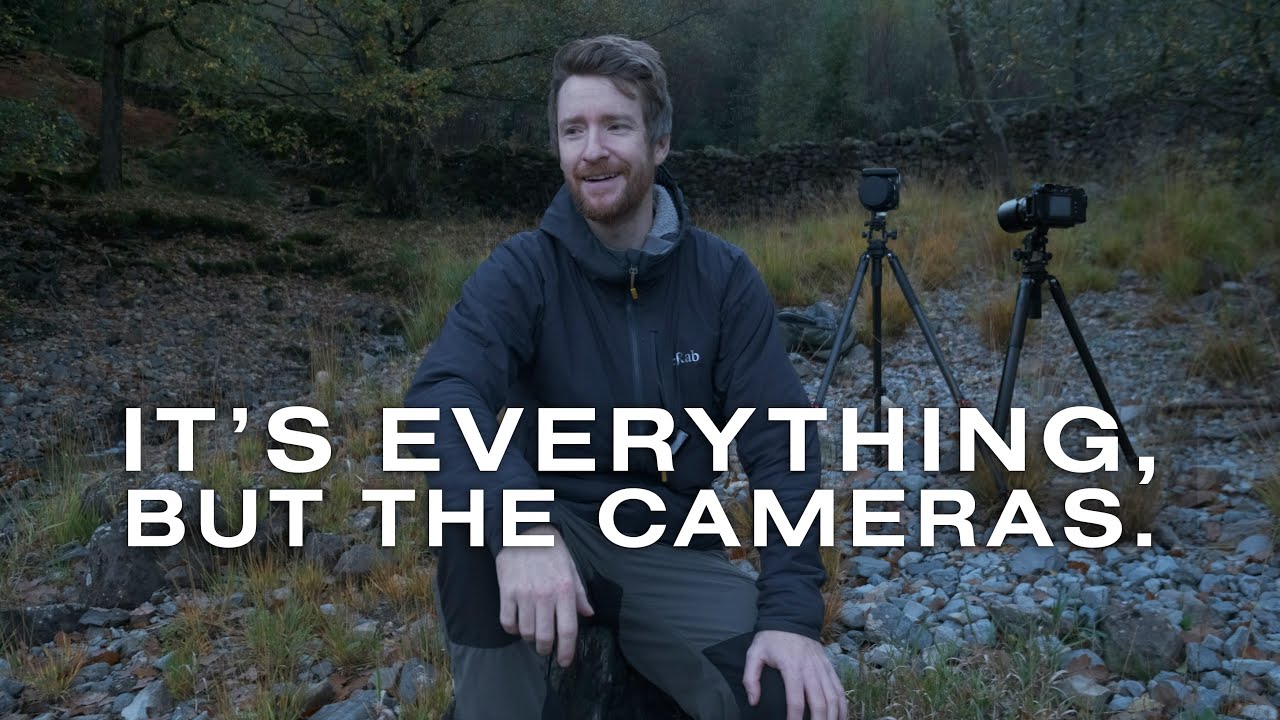
Peak Design Travel Tripod vs Manfrotto Befree — Which Is Worth the Money?

Peak Design Travel Tripod vs Manfrotto Befree — Which Is Worth the Money?

Peak Design Travel Tripod vs Manfrotto Befree — Which Is Worth the Money? I’ve stood at dawn on countless ridgelines, watching light creep across distant valleys, with nothing but a tripod between me and the shot that matters. Over the years, I’ve learned that a tripod isn’t just another piece of gear—it’s your foundation. Literally. Which is why choosing between the Peak Design Travel Tripod and the Manfrotto Befree Advanced isn’t a casual decision.

Panoramic Photography: Stitching Multi-Row Panoramas

Panoramic Photography: Stitching Multi-Row Panoramas

Single-row panoramas stitch a horizontal sweep into a wide image. Multi-row panoramas go further — stitching a grid of images that covers both horizontal and vertical space. The result is an image with massive resolution, full coverage of the scene, and creative possibilities that single exposures can’t match. Why Multi-Row Panoramas Resolution A single frame from a 45-megapixel camera gives you 45 megapixels. A 4x6 grid of overlapping frames from the same camera, stitched together, can produce an image exceeding 500 megapixels.

Night Sky Photography for Beginners

Night Sky Photography for Beginners

Photographing the night sky is one of the most rewarding experiences in landscape photography. Standing alone under a canopy of stars, watching a 25-second exposure reveal detail your eyes cannot see, connects you to the landscape in a way that daylight shooting rarely matches. The technical requirements are specific but learnable. Finding Dark Skies Light pollution is the primary obstacle. Even a moderately sized city washes out all but the brightest stars for miles in every direction.

Nigel Danson's 5 Composition Techniques That Actually Work

Nigel Danson's 5 Composition Techniques That Actually Work

Composition advice is everywhere, and most of it says the same thing: rule of thirds, leading lines, put something interesting in the foreground. Nigel Danson’s latest video cuts through the noise by focusing on the five techniques that made the biggest measurable difference in his own work — not textbook theory, but field-tested approaches he returns to again and again. What I appreciate about Danson’s teaching style is the directness. He shows his own images, explains what compositional decision he made and why, and doesn’t dress it up with unnecessary jargon.

The Art of Minimalist Landscape Photography

The Art of Minimalist Landscape Photography

Minimalist landscape photography is the art of saying more with less. While traditional landscapes aim to capture the grandeur of a scene with as much detail as possible, minimalist landscapes reduce the scene to its essential elements — often just two or three visual components in a field of empty space. The Philosophy of Less Minimalism in photography isn’t about finding empty scenes. It’s about making compositional choices that eliminate everything non-essential.

Mastering Focus Stacking: The Path to Infinite Sharpness in Landscape Photography

Mastering Focus Stacking: The Path to Infinite Sharpness in Landscape Photography

The Eternal Struggle: Sharp from Here to Forever I’ve spent countless mornings standing before a landscape, wrestling with a familiar dilemma. There’s wildflowers just inches from my lens, demanding attention. Behind them stretches a valley, then distant mountains that deserve their own sharpness. My aperture dial feels like a traitor—stop down enough for foreground detail, and the background softens. Open it wide, and those delicate petals blur into an abstract smear.