The Art of Long Exposure: Slowing Down to See More

The Art of Long Exposure: Slowing Down to See More

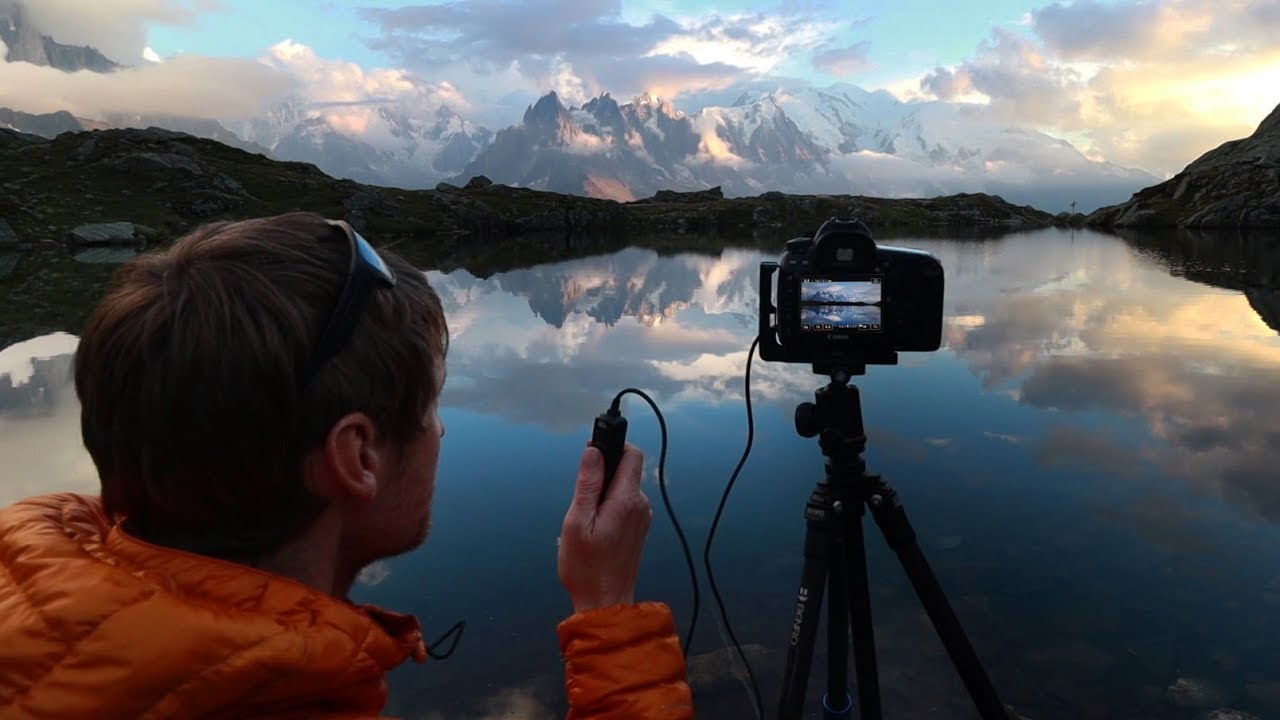
Why I Started Using Long Exposure I remember the first time I truly understood long exposure photography. I was standing at a coastal inlet at dawn, watching the tide push through channels of dark rock. My instinct was to capture the movement—the energy of the water. But when I slowed my shutter to eight seconds and looked at the result, something shifted. The chaos had become silk. The urgency had transformed into calm.

The Art of Landscape Composition: Finding Order in Wild Places

The Art of Landscape Composition: Finding Order in Wild Places

The Art of Landscape Composition: Finding Order in Wild Places I’ve stood in countless remote locations—high mountain passes at dawn, coastal cliffs battered by wind, quiet valleys shrouded in mist—and learned that having access to beautiful scenery is only half the battle. The real challenge lies in translating what moves you emotionally into a photograph that moves others the same way. Composition is the language that makes this translation possible. It’s not about rigid rules; it’s about understanding how to arrange visual elements so that viewers’ eyes follow your intended path through the frame.

The Art of Landscape Composition: Building Frames That Tell Stories

The Art of Landscape Composition: Building Frames That Tell Stories

The Art of Landscape Composition: Building Frames That Tell Stories I’ve spent countless hours standing in meadows at dawn, watching mist curl through valleys while the light turns everything golden. In those moments, I’ve learned that composition isn’t something you impose on a landscape—it’s something you discover within it. The difference between a forgettable snapshot and a photograph that stops people in their tracks comes down to how deliberately you arrange what’s in front of you.

The Art of Forest Photography: Finding Light in the Shadows

The Art of Forest Photography: Finding Light in the Shadows

The Art of Forest Photography: Finding Light in the Shadows I’ve spent countless mornings standing in dense woodland, tripod sinking slightly into damp earth, waiting for that precise moment when golden light pierces through the canopy. Forest photography demands patience in ways that open landscape work simply doesn’t. You’re not working with the light—you’re hunting for it, creating geometry from shadow and illumination. Understanding Forest Light The forest is a study in contrast and subtlety.

The Art of Forest Photography: Capturing Light Among the Trees

The Art of Forest Photography: Capturing Light Among the Trees

I learned early that forest photography demands patience and surrender. You cannot force a forest to reveal itself—you must move through it with intention, waiting for the light to do what the light does best. Understanding Forest Light Forests are paradoxes of light. Dense canopies block direct sun while simultaneously filtering it into something magical. When I first attempted forest photography, I underexposed everything, frustrated that my camera couldn’t capture what my eyes perceived.

The Art of Capturing Water in Motion: Mastering Waterfall Photography

The Art of Capturing Water in Motion: Mastering Waterfall Photography

I’ve spent countless mornings standing before waterfalls with water misting my lens, learning through trial and error what separates a flat snapshot from an image that conveys the raw power and grace of moving water. Waterfall photography demands patience, technical precision, and an understanding of how light and motion interact. It’s not complicated, but it does require intention. Understanding Long Exposure The silky, ethereal quality you see in great waterfall images comes from one thing: time.

The Art of Capturing Water in Motion: A Guide to Waterfall Photography

The Art of Capturing Water in Motion: A Guide to Waterfall Photography

There’s a particular silence that settles over me when I’m standing before a waterfall with my camera ready. It’s not the absence of sound—the water roars around me—but rather a quieting of everything else. The world narrows to the cascade before me, and I’m left with a single question: how do I translate this feeling into an image? Waterfall photography has taught me that success lies not in chasing the most dramatic falls, but in understanding how water moves and how to render that movement intentionally.

The Art and Craft of Landscape Panoramas: Creating Vistas That Transcend the Frame

The Art and Craft of Landscape Panoramas: Creating Vistas That Transcend the Frame

The Art and Craft of Landscape Panoramas: Creating Vistas That Transcend the Wild There’s a moment that arrives at certain locations—standing on a ridge at dawn, or at the edge of a canyon in that golden hour—when the view simply refuses to fit inside a single frame. The landscape demands to be seen in its full, sweeping grandeur. This is when I reach for the panorama technique, and I’ve learned that a successful pano isn’t about gadgetry or software tricks.

Swimming With Giants: What TurtleCam Teaches Us About Marine Photography

Swimming With Giants: What TurtleCam Teaches Us About Marine Photography

A New Perspective on the Ocean There’s something profoundly moving about experiencing a landscape through the eyes of another creature. Marine biologist Dr. Nathan Robinson has spent years perfecting this exact concept, and the results are nothing short of transformative for how we understand and photograph marine environments. While many know Robinson from a viral moment early in his career—a compassionate intervention that went global—his true legacy extends far deeper into the ocean.

Scotland's Finest Nature Photography: What This Year's Award Winners Teach Us

Scotland's Finest Nature Photography: What This Year's Award Winners Teach Us

A Year of Exceptional Vision The 2025 Scottish Nature Photography Awards have just revealed their winners, and I’ve spent the past week studying each image with genuine appreciation for what these photographers have accomplished. There’s something uniquely satisfying about seeing a curated collection of work that captures Scotland’s extraordinary landscapes and wildlife—it reminds me why we venture into the field in the first place. What strikes me most about this year’s selections isn’t just the technical excellence, though that’s certainly evident.

Reading the Sky: Mastering Weather Photography in the Field

Reading the Sky: Mastering Weather Photography in the Field

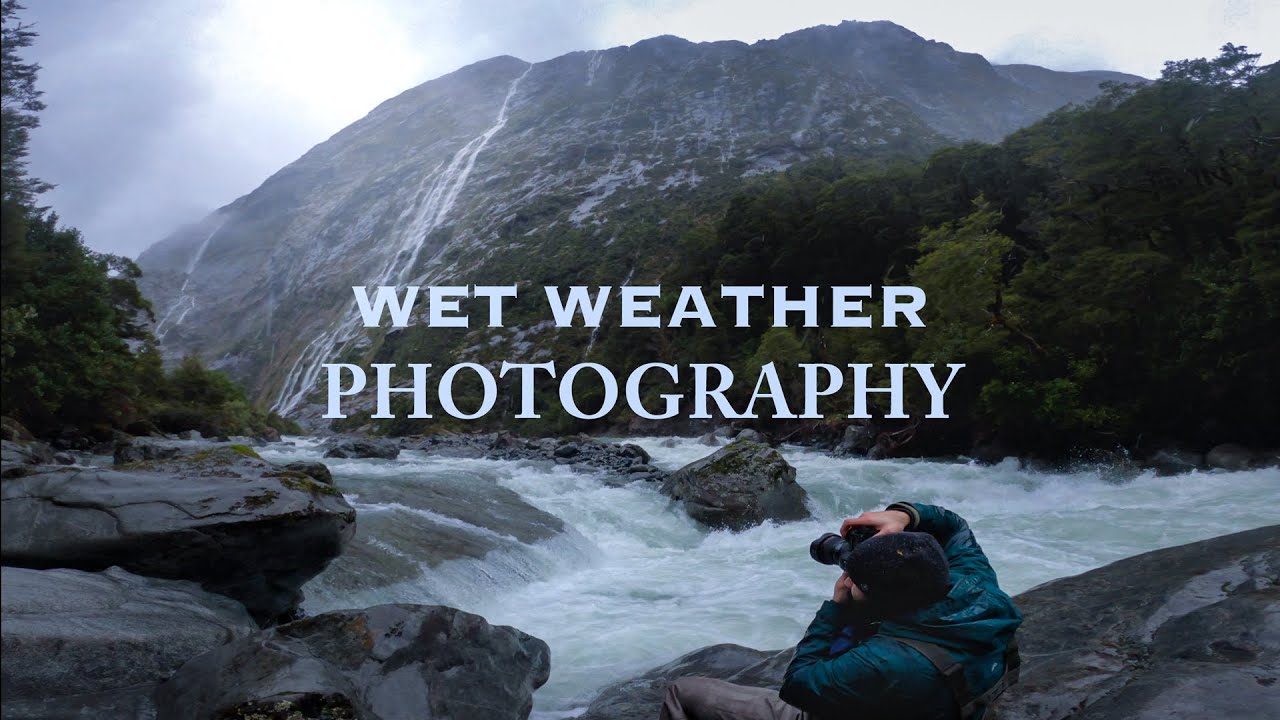
Reading the Sky: Mastering Weather Photography in the Field I’ve spent countless hours standing in rain, wind, and fog waiting for light that most photographers would abandon their positions to escape. Weather photography isn’t about enduring discomfort—it’s about understanding that dramatic atmospheric conditions create the most compelling landscape images. Over years in the field, I’ve learned that the real skill lies not in owning specialized gear, but in reading conditions and positioning yourself for the decisive moment.

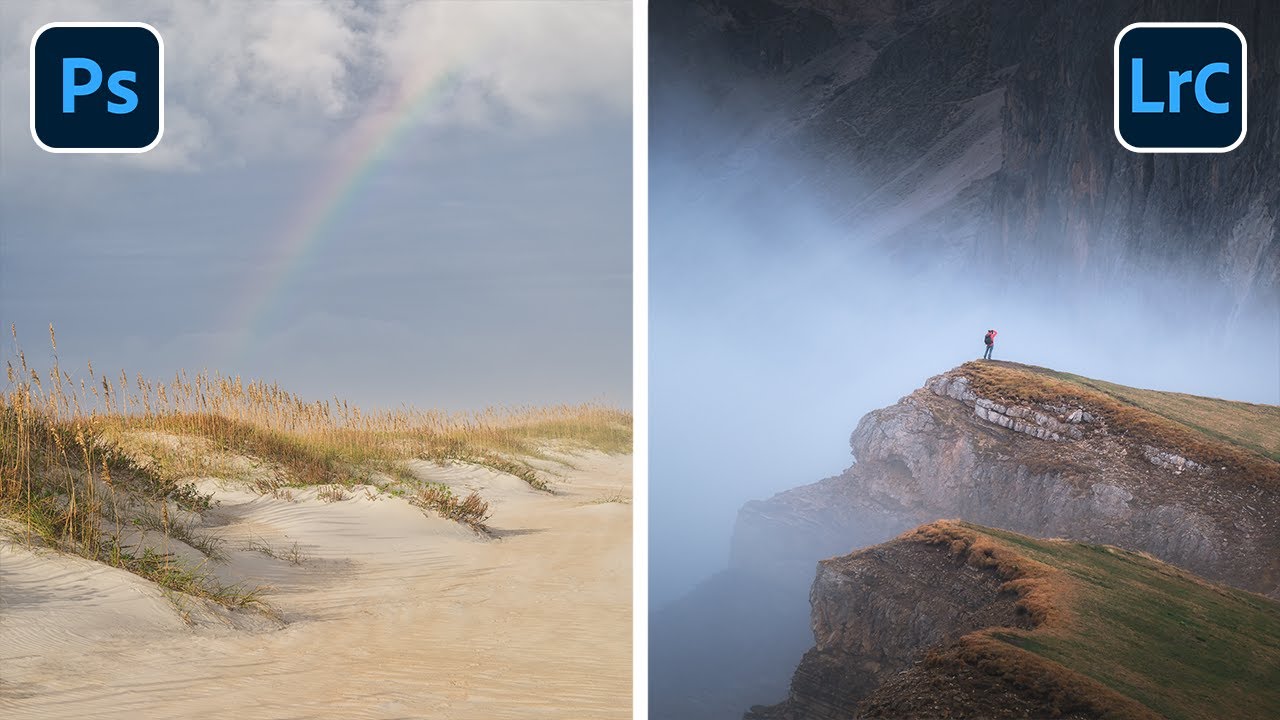
Post-Processing Landscape Photos: My Lightroom Workflow

Post-Processing Landscape Photos: My Lightroom Workflow

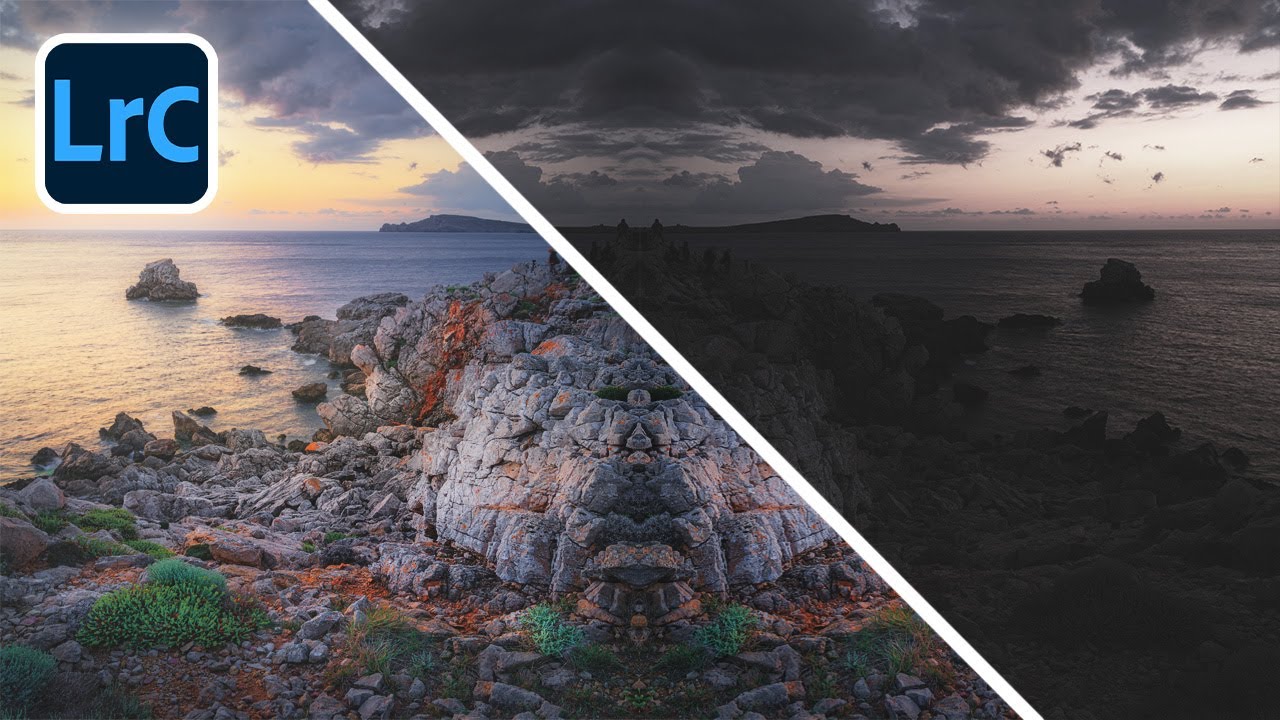
Post-processing is where a good capture becomes a finished photograph. My approach to editing landscape images has simplified over the years. I aim for results that look natural and honest to the scene while bringing out the qualities that made me press the shutter in the first place. Here is my Lightroom Classic workflow, step by step. Step 1: Import and Cull I import RAW files with a dated folder structure: Year > Month > Location.