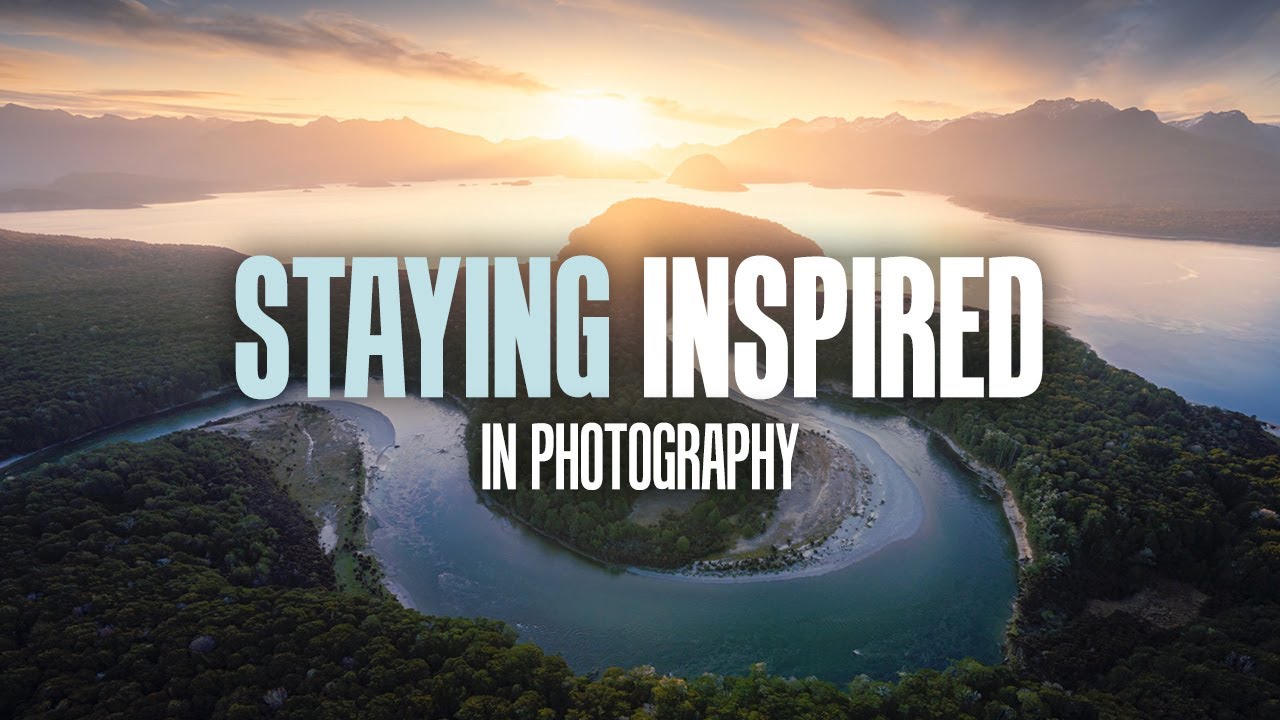
There’s a particular kind of exhaustion that has nothing to do with the miles you’ve hiked or the hours you’ve waited in the cold. It’s the quiet kind. The kind where you look at your gear bag by the door and feel nothing. After twenty years of waking up before the rest of the world to chase light across the high desert of central Oregon, I’ve felt it. Not often, but enough to recognize it when it shows up in photographers who come through my workshops wearing the look of someone who has forgotten why they started.
That’s exactly why William Patino’s tutorial on finding and sustaining inspiration landed the way it did for me. Watch the full tutorial on YouTube. Patino has been making landscape images for over a decade, and the question he hears most often isn’t about gear or technique. It’s the harder one: how do you keep going? What keeps you driving through the dark, hiking in the cold, standing in the rain, year after year? His answer isn’t a trick or a system. It’s more honest than that, and more useful.
What follows is my walkthrough of his core ideas, filtered through my own practice. If you’re feeling the drag right now, work through these steps one at a time. Don’t rush them.
Step 1: Identify Your Primary Source of Fuel
 Patino describing the feeling of flow in nature
Patino points to one thing that has kept him going consistently: the direct experience of nature itself. Not photographs of nature. Not tutorials about nature. The actual thing, standing in front of you, moving. That state where time dissolves and you’re completely absorbed in what’s unfolding. He calls it a flow state, and if you’ve ever stood at the edge of a slot canyon while the light dropped into a crack and lit the walls orange, you know exactly what he means.
Patino describing the feeling of flow in nature
Patino points to one thing that has kept him going consistently: the direct experience of nature itself. Not photographs of nature. Not tutorials about nature. The actual thing, standing in front of you, moving. That state where time dissolves and you’re completely absorbed in what’s unfolding. He calls it a flow state, and if you’ve ever stood at the edge of a slot canyon while the light dropped into a crack and lit the walls orange, you know exactly what he means.
Before you do anything else, get clear on what that source is for you. For me it’s the moment just before sunrise when the desert is still cold and the sky starts going colors that have no business existing. That feeling is the fuel. Everything else, the editing, the printing, the planning, is just the infrastructure around chasing that feeling. Write yours down if you have to. Knowing it precisely will matter in the steps ahead.
Step 2: Look Back at Your Own Work With Fresh Eyes
 Patino suggesting a review of past portfolio images
Patino’s first concrete recommendation is to sit with your archive. Not to evaluate technical quality or count likes. To remember what it felt like to make those images. Pull up work from the last year, or five years, and let yourself go back to those locations in your mind. What was the air like? What were you thinking about? What made you press the shutter?
Patino suggesting a review of past portfolio images
Patino’s first concrete recommendation is to sit with your archive. Not to evaluate technical quality or count likes. To remember what it felt like to make those images. Pull up work from the last year, or five years, and let yourself go back to those locations in your mind. What was the air like? What were you thinking about? What made you press the shutter?
This is more diagnostic than sentimental. You’re looking for patterns. Which shoots left you energized? Which felt like obligations you were glad were over? The answers tell you what kind of photographer you actually are, versus the one you think you should be based on what’s popular this season. I did this exercise a few years ago and realized I’d spent the better part of six months chasing waterfall shots because they performed well on social media. Nothing in that collection felt like mine. The images I kept coming back to were quieter. Long grasses. Empty roads. The stuff nobody was liking.
Step 3: Audit Your Information Diet
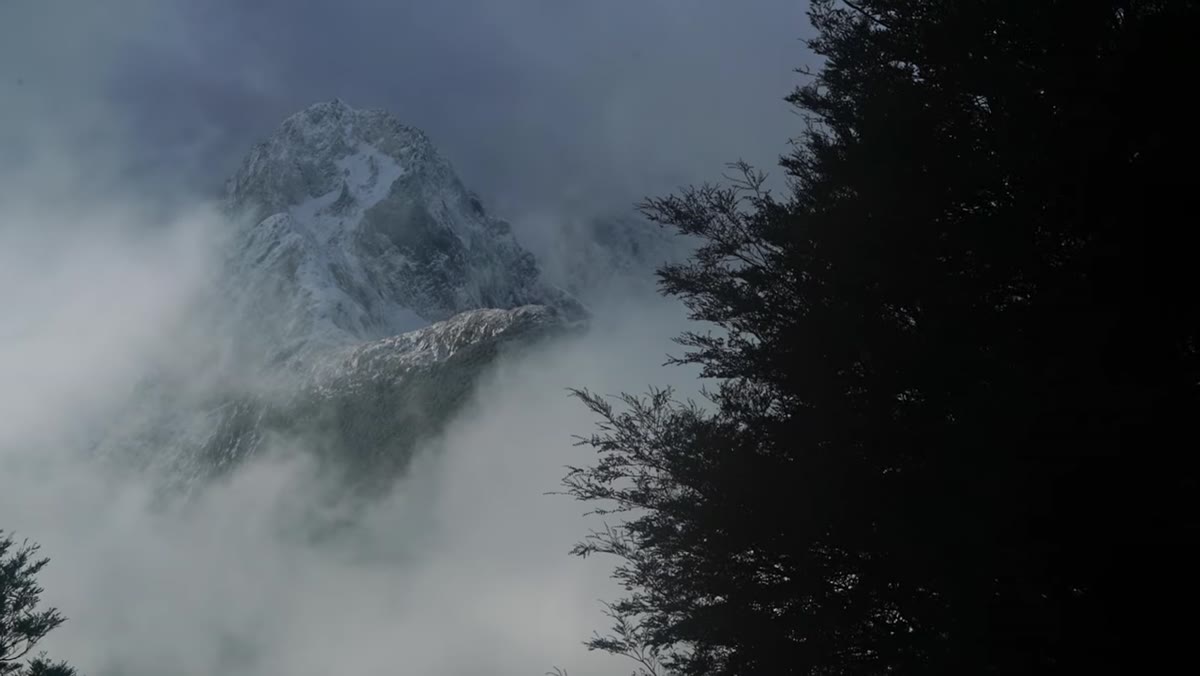 Patino discussing the overload of tutorials and social content
This one takes some nerve to admit, but Patino is direct about it: too much photography content can actually kill your desire to go shoot. YouTube tutorials, Instagram feeds, online courses, photography forums. All of it adds up, and at some point it starts replacing the actual making of photographs rather than supporting it.
Patino discussing the overload of tutorials and social content
This one takes some nerve to admit, but Patino is direct about it: too much photography content can actually kill your desire to go shoot. YouTube tutorials, Instagram feeds, online courses, photography forums. All of it adds up, and at some point it starts replacing the actual making of photographs rather than supporting it.
The fix isn’t to go dark entirely. It’s to notice the ratio. If you’re spending more time consuming photography than making it, the balance is off. I cap myself at one or two educational videos a week during active shooting seasons. The rest of the time I’d rather be outside with my camera than watching someone else be outside with theirs. There’s no substitute for the thing itself.
Step 4: Embrace Uncertainty as the Draw, Not the Obstacle
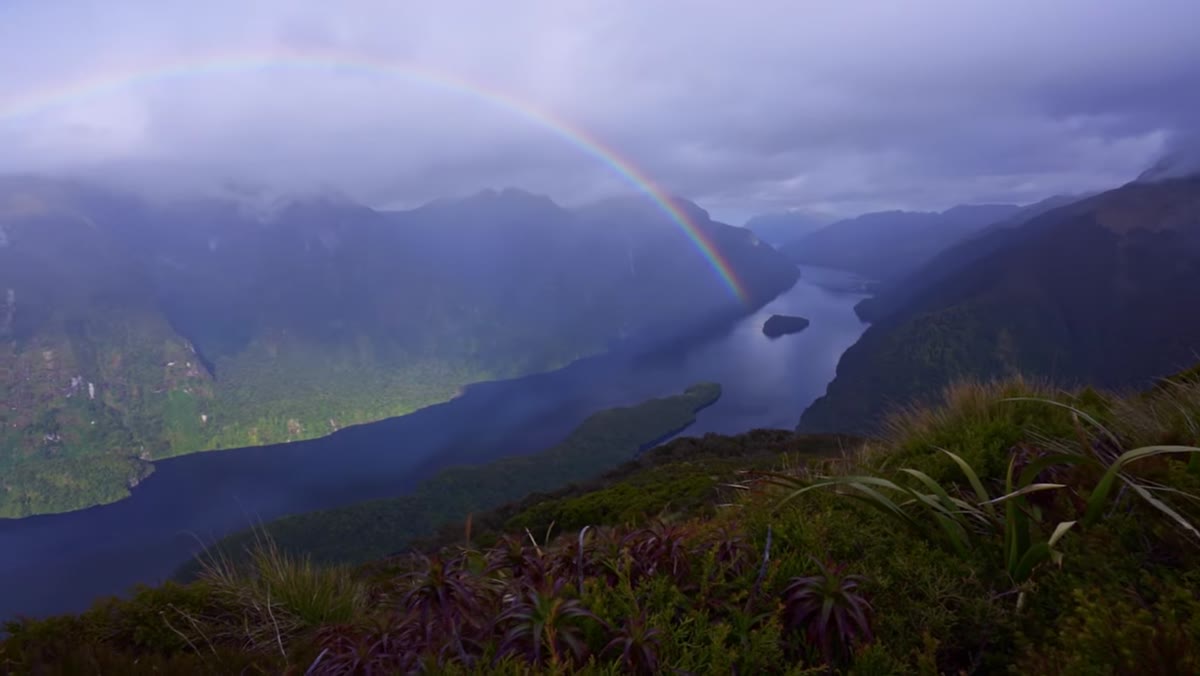 Patino describing nature surprising you with unexpected moments
One of the more useful reframes Patino offers is about expectation and surprise. He talks about how you can plan a shot down to the minute and then nature will hand you something completely different and completely better. That unpredictability isn’t a problem to be managed. It’s the whole point.
Patino describing nature surprising you with unexpected moments
One of the more useful reframes Patino offers is about expectation and surprise. He talks about how you can plan a shot down to the minute and then nature will hand you something completely different and completely better. That unpredictability isn’t a problem to be managed. It’s the whole point.
I drove six hours to a location in the Columbia River Gorge once, fully expecting a clear-sky sunrise. I got two days of dense fog instead. I nearly left after day one. On day two, the fog moved just enough, just once, for about four minutes, and I got the shot that became my best-selling print to date. The mountain doesn’t care about your schedule. Once I fully accepted that, the planning became lighter and the experience became richer. You’re not controlling outcomes. You’re showing up for possibilities.
Step 5: Reconnect With Why You Started
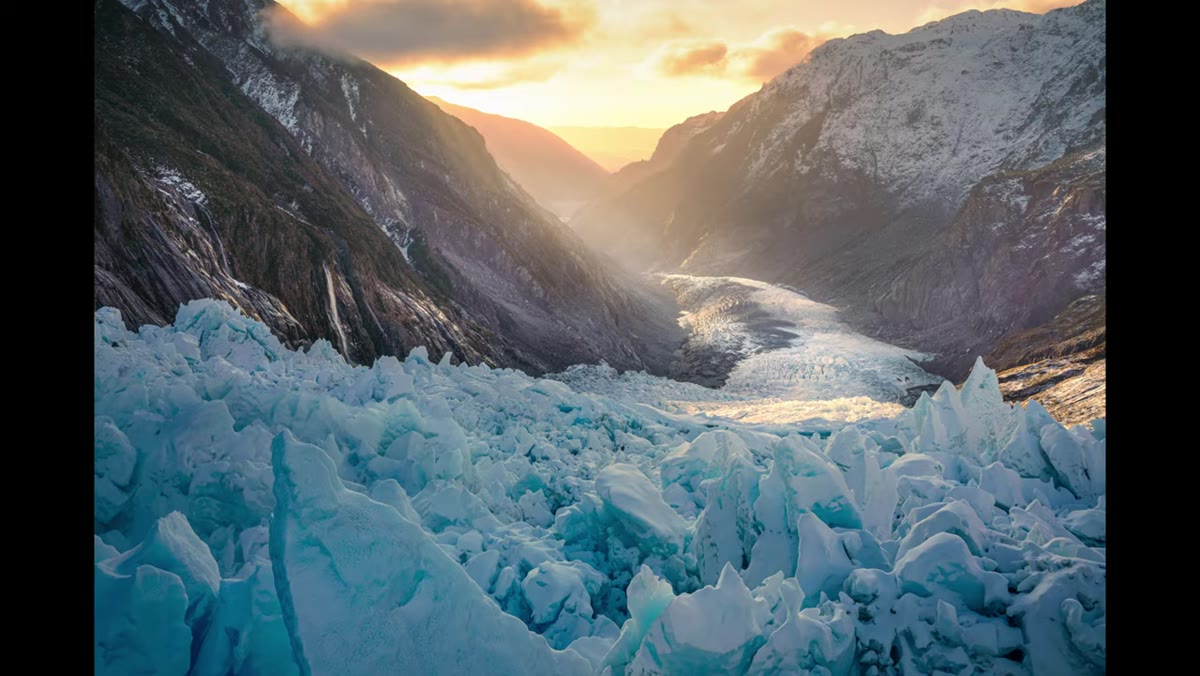 Patino sharing his personal story about picking up a camera during depression
Patino gets personal here, and it’s worth pausing on. He describes picking up a camera during a period of clinical depression and using photography as a way back to feeling something. Nature gave him that. This isn’t a side note. It’s the center of his answer to the motivation question.
Patino sharing his personal story about picking up a camera during depression
Patino gets personal here, and it’s worth pausing on. He describes picking up a camera during a period of clinical depression and using photography as a way back to feeling something. Nature gave him that. This isn’t a side note. It’s the center of his answer to the motivation question.
You don’t have to have a dramatic origin story to do this step. Just ask the honest question: why did I actually start doing this? Not the polished answer you’d give at a workshop. The real one. For a lot of photographers, the answer involves some version of the same thing Patino describes, a need to slow down, to feel present, to make something that connects inner life to outer world. When the work starts feeling hollow, going back to that original answer usually points toward what’s gone missing.
A Note From Twenty Years Out
The part of Patino’s tutorial that resonated most with me is also the part hardest to sell to someone just starting out: the fuel has to be intrinsic. Not validation, not virality, not the approval of other photographers. If the main thing keeping you going is external reward, you’ll burn out the first time the external rewards dry up.
I still shoot film occasionally, partly for the technical discipline it demands, and partly because it strips everything back to just me, the scene, and a finite number of frames. No chimping, no histograms, no instant feedback. It forces me to ask, before I press the shutter, whether this moment is actually worth it. That question is a good one to carry into any shoot, digital or otherwise. The photographers who last are the ones who find the work itself rewarding, separate from what anyone else thinks of the result.
The single thing to take from Patino’s tutorial is this: inspiration isn’t something you find by looking at more photography. It’s something you recover by going back out into the world that made you want to photograph in the first place. Get out there. The light is already happening.
Watch the full tutorial on YouTube and spend the time you would have used scrolling outside instead.
Comments
Leave a Comment