Why Your Panoramas Look Wrong (And How to Fix Them Before You Leave the Trailhead)

Why Your Panoramas Look Wrong (And How to Fix Them Before You Leave the Trailhead)

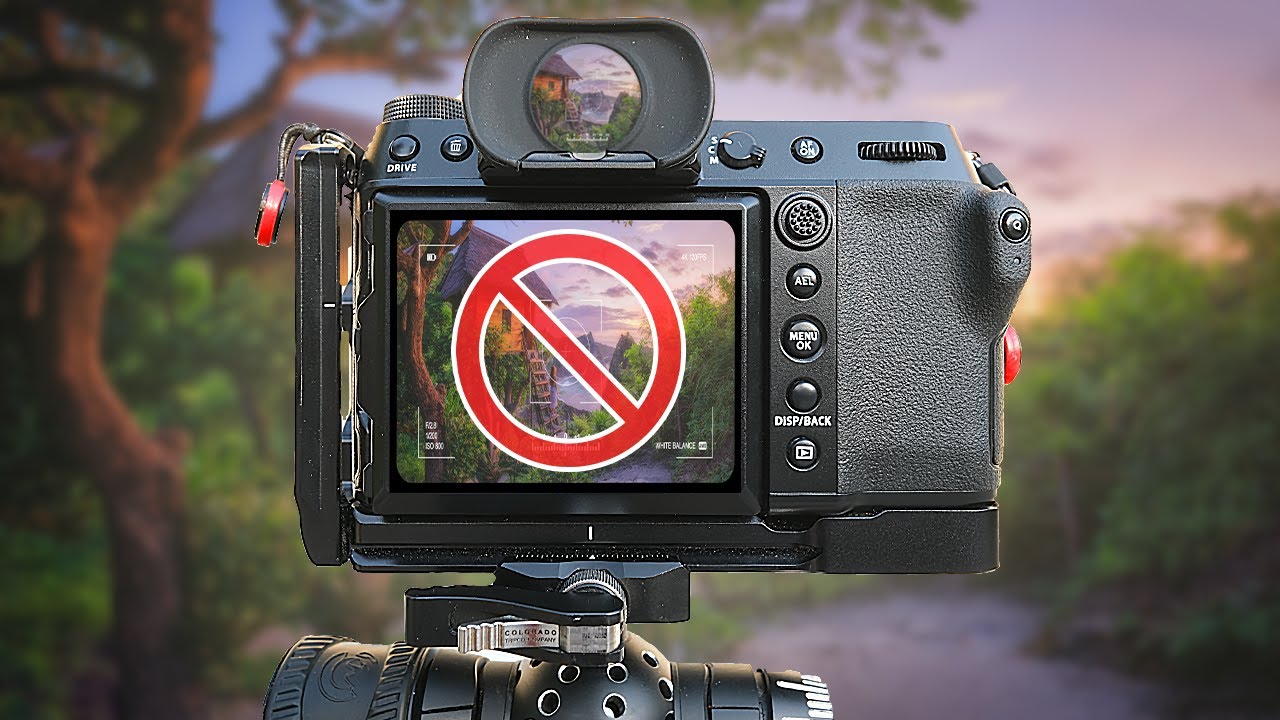
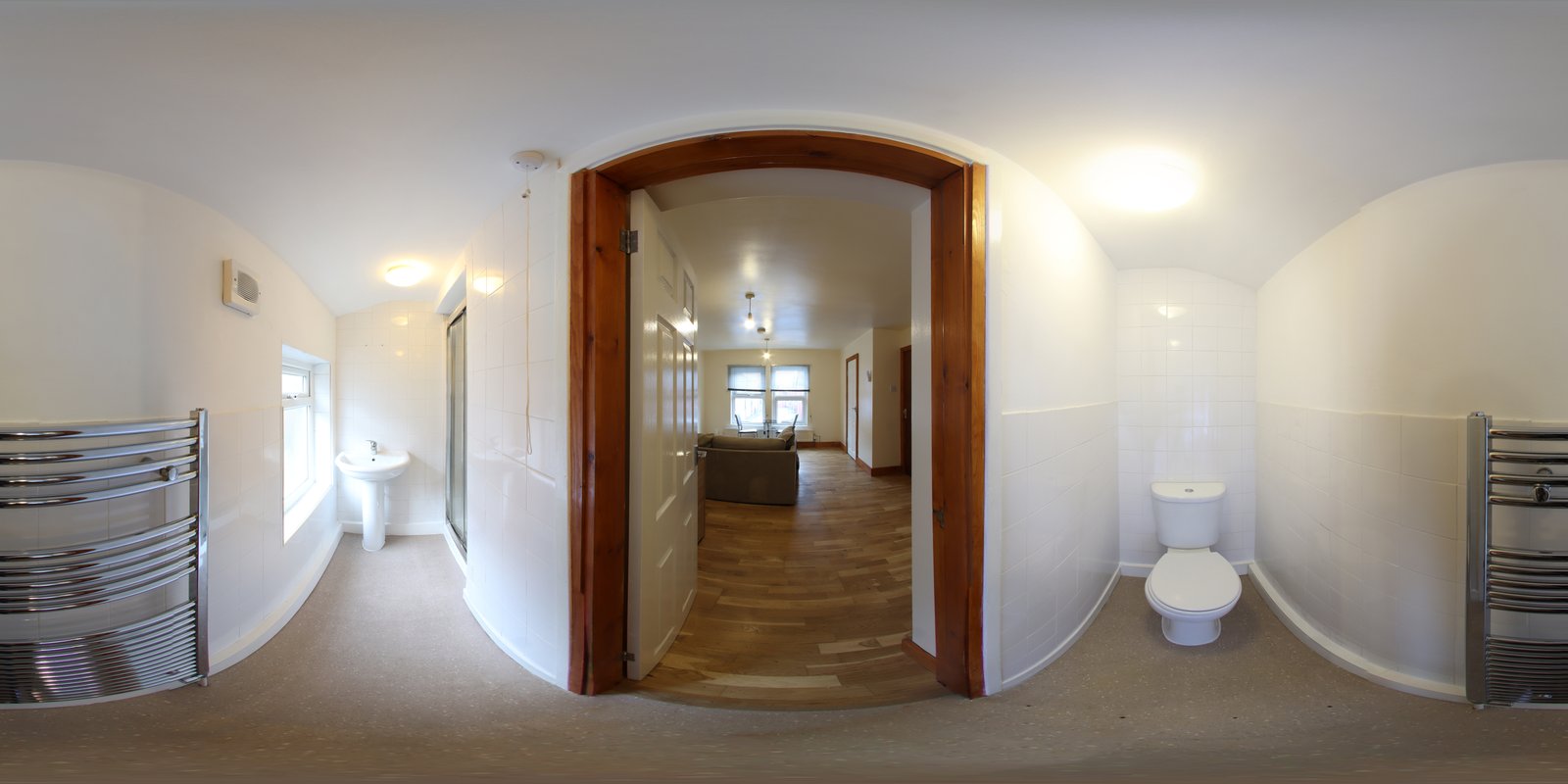
There’s a ridge I return to every autumn outside Bend, where the Cascades stack up in layers from west to east. The scene is roughly 180 degrees of usable sky, volcanic peaks, and high desert. My camera’s widest lens can’t touch it. Neither can a single frame at any focal length without introducing so much foreground distortion that the mountains look like they’re leaning away from the viewer. The only honest way to render that place is to stitch it, and I spent an embarrassing amount of time doing it wrong before I understood what was actually happening between the frames.

The Art of Showing Up: What William Patino's Fiordland Workflow Taught Me About Getting Out of My Own Way

The Art of Showing Up: What William Patino's Fiordland Workflow Taught Me About Getting Out of My Own Way

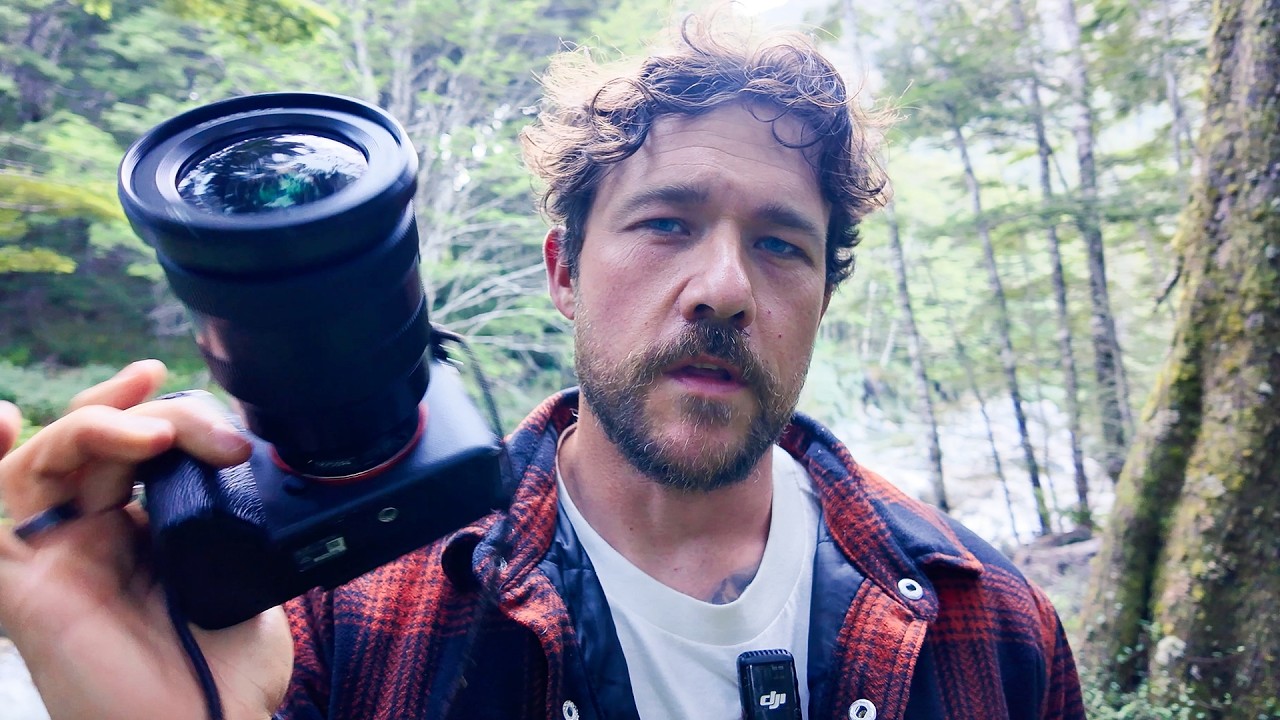
There’s a version of landscape photography that gets sold online constantly. Perfect golden light, a clear vision, a hero shot on the first try. After twenty years of hauling gear into the dark before most people set an alarm, I can tell you that version is mostly fiction. The reality looks a lot more like what William Patino captures in this refreshingly honest tutorial, Watch the full tutorial on YouTube, where he walks into a patch of forest with no plan, no golden light, and no guarantee of anything.

Why Mountain Light Lies to Your Camera (And What to Do About It)

Why Mountain Light Lies to Your Camera (And What to Do About It)

The alarm doesn’t go off at 4am because I don’t set one. I’m already awake, already calculating whether the cloud cover from the night before has broken, already thinking about whether the light I drove toward is still worth chasing. Last October I was parked at a trailhead outside Sisters, Oregon, headlamp on, boots laced, staring at a sky that had gone completely wrong. The forecast had called for a clear sunrise window.