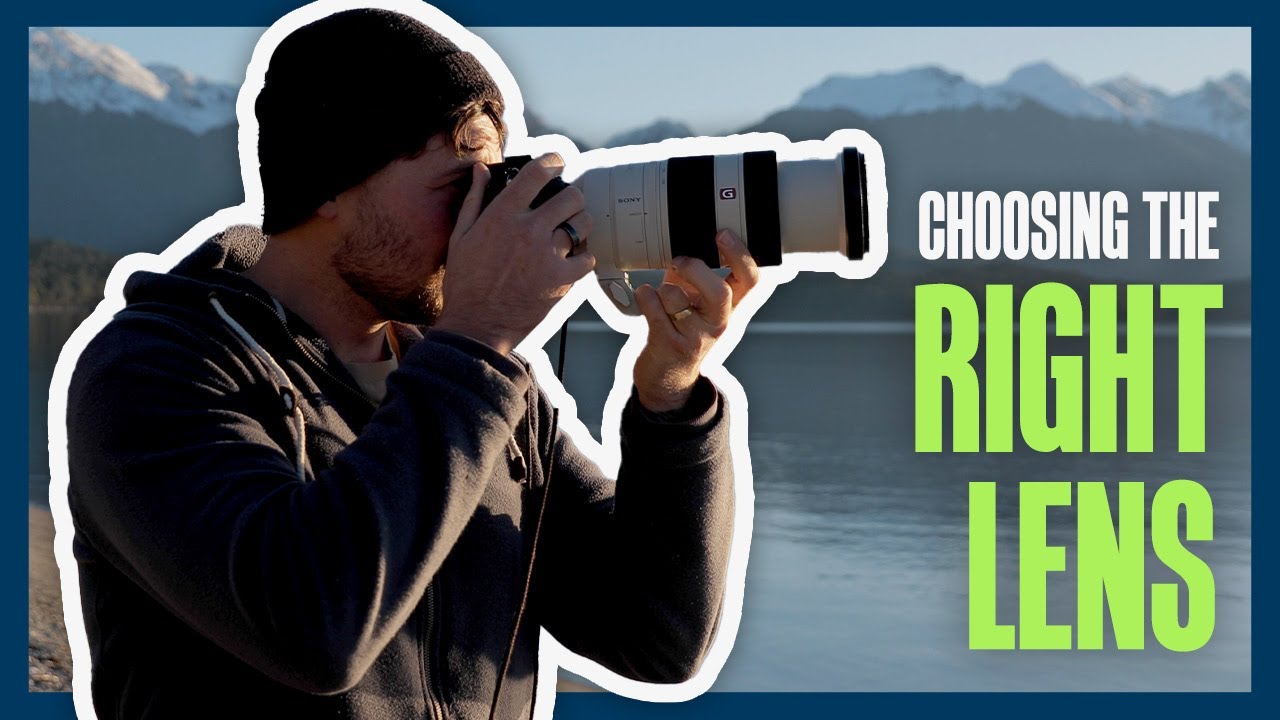
What Three Lenses Actually Cover: A Working Photographer's Breakdown of Focal Length Strategy for Landscapes

What Three Lenses Actually Cover: A Working Photographer's Breakdown of Focal Length Strategy for Landscapes

There’s a question I hear at every workshop I run out of Bend, and I’d bet it’s the same question landing in every landscape photographer’s inbox right now: what lens should I be shooting with? I used to give a short answer. After twenty years of early mornings and hard miles with a pack on my back, I’ve learned that the short answer is almost always wrong. The better question is whether your lens kit is limiting the images you can see before you even raise the camera.

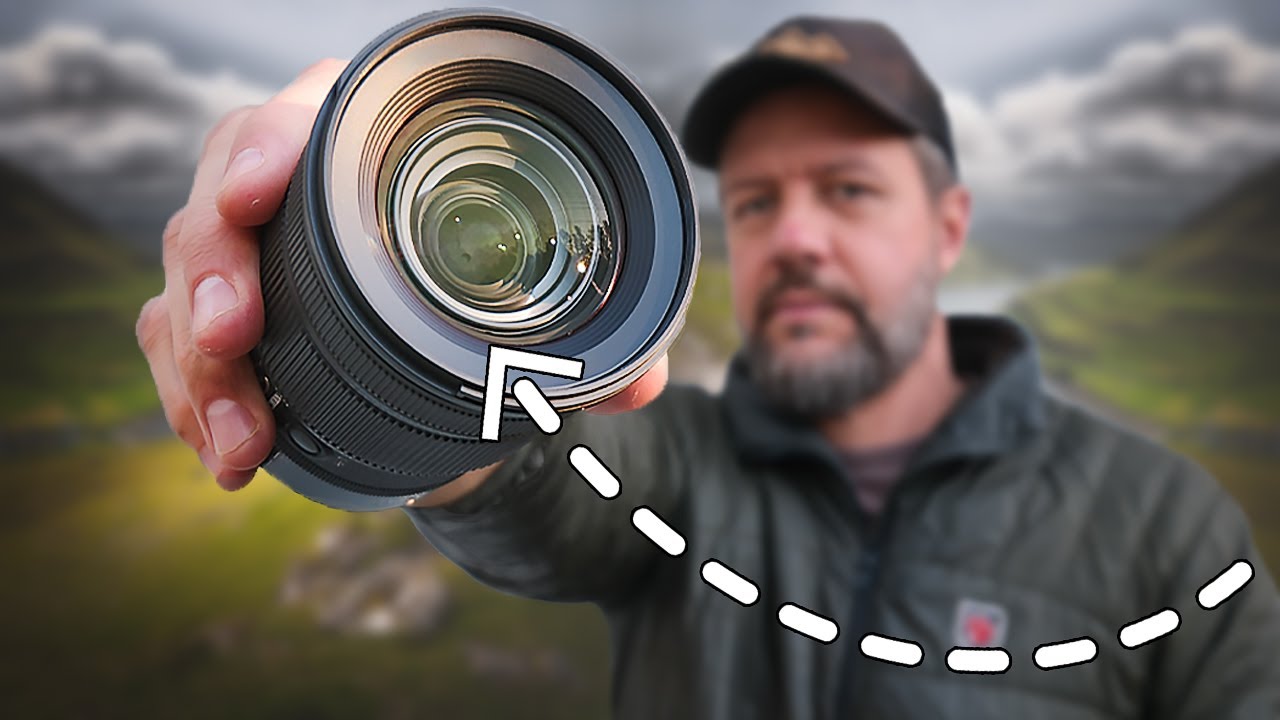
Two Bags, No Compromises: What a Pro Packs for a Serious Photo Trip

Two Bags, No Compromises: What a Pro Packs for a Serious Photo Trip

I’ve stood in the dark more times than I can count, headlamp on, stuffing gear into a bag while trying not to wake anyone up at 4am. The question of which bag, and what goes inside it, is never really settled. You think you’ve figured it out, and then you book a flight, and suddenly the whole system falls apart. Airlines get stricter, weight limits shrink, and that bag you loved for driving to a trailhead becomes a liability at the gate.

Why I Stopped Fighting the Mid-Range and Let the 24-120 Change My Kit

Why I Stopped Fighting the Mid-Range and Let the 24-120 Change My Kit

For most of my twenty years shooting landscapes, I lived at the extremes. Ultra-wide for the sweeping foreground-to-horizon compositions. Long telephoto for compression and isolation. The middle ground felt like no man’s land, a compromise zone for photographers who hadn’t made up their mind. I told myself that story for a long time, and it cost me shots. What changed my thinking wasn’t a single dramatic moment in the field. It was watching a working professional lay out exactly why he had quietly made a mid-range zoom his most-used lens over an entire year of serious travel photography.

Using Graduated ND Filters in the Field

Using Graduated ND Filters in the Field

The fundamental challenge of landscape photography is dynamic range. The sky is often several stops brighter than the foreground, especially at sunrise and sunset. Your eyes handle this effortlessly. Your camera does not. Graduated neutral density filters solve this problem at the point of capture. What They Do A graduated ND filter is dark on one half and clear on the other, with a transition zone between them. You position the dark portion over the bright sky and the clear portion over the darker foreground.

A New Tool for Keeping Your Shooting Locations Clean and Pristine

A New Tool for Keeping Your Shooting Locations Clean and Pristine

Finding Clarity in the Field As landscape photographers, we’re constantly seeking the perfect conditions to capture nature at its finest. We arrive at sunrise, scout our compositions, and wait for that magical light. But what happens when fallen leaves, dust, and debris obscure the foreground we’ve carefully framed? I recently discovered that a new generation of versatile cleaning tools might be worth considering for our photography kits. When Your Location Needs a Fresh Canvas I’ve been in countless situations where my ideal composition was compromised by unwanted debris.