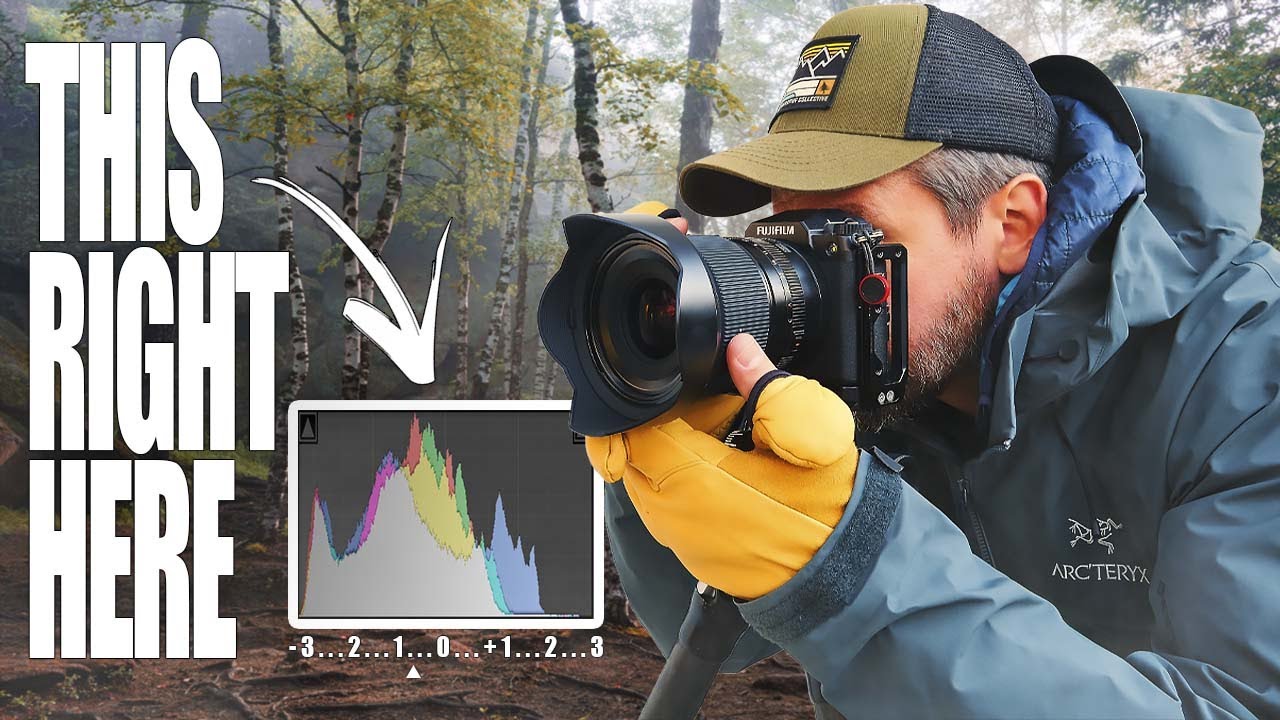
Why Your Landscape Photos Look Muddy in Post (And the Exposure Fix That Changed How I Shoot)

Why Your Landscape Photos Look Muddy in Post (And the Exposure Fix That Changed How I Shoot)

There’s a specific kind of frustration I know well. You’re standing at the edge of a ridge in the dark, the sky is doing something extraordinary, and you fire off what feels like a solid set of exposures. Then you get home, pull the files into Lightroom, and the shadows are a soupy mess of noise. You push the exposure slider and the image just falls apart. After twenty years of shooting landscapes professionally, I still have to remind myself that what looks good on the back of the camera and what’s actually in that raw file are two entirely different conversations.
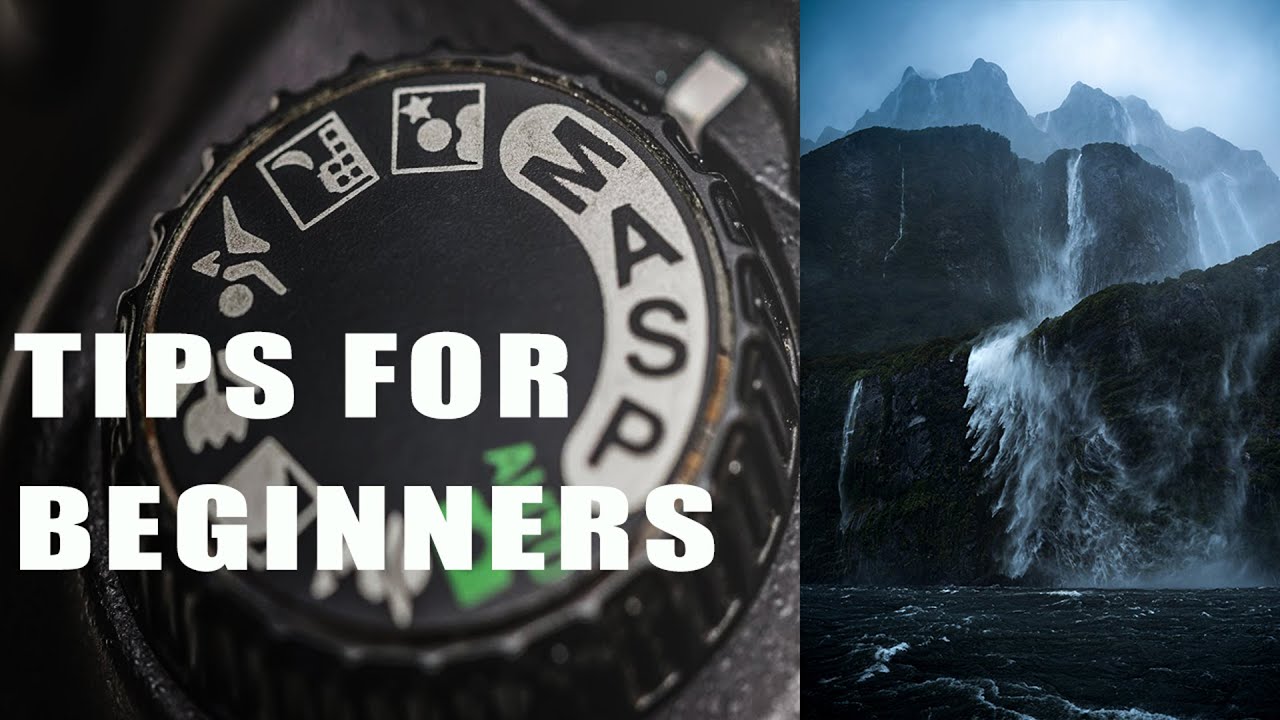

Why Your Skies Keep Blowing Out (And What a Decade of Field Teaching Reveals About the Fix)

Why Your Skies Keep Blowing Out (And What a Decade of Field Teaching Reveals About the Fix)

I have stood in more blown-out sunsets than I care to count. Not my sunsets — the ones other photographers show me on the back of their cameras, faces fallen, asking why the sky looks like a white sheet when thirty seconds ago it was on fire. After twenty years shooting landscapes full-time, I’ve watched this exact moment of disappointment repeat itself on workshop hillsides from the Oregon coast to the high desert.

Stop Guessing Your Exposure: A Field Guide to Reading the Histogram at Golden Hour

Stop Guessing Your Exposure: A Field Guide to Reading the Histogram at Golden Hour

There is a particular kind of frustration that comes from standing at the edge of a lake at 5am, the sky doing something extraordinary, and blowing the shot because you trusted your eyes instead of your data. I’ve done it more times than I care to admit. The sky looked balanced through the viewfinder, the image felt right, and then I got home and found a washed-out sun with no detail to recover.