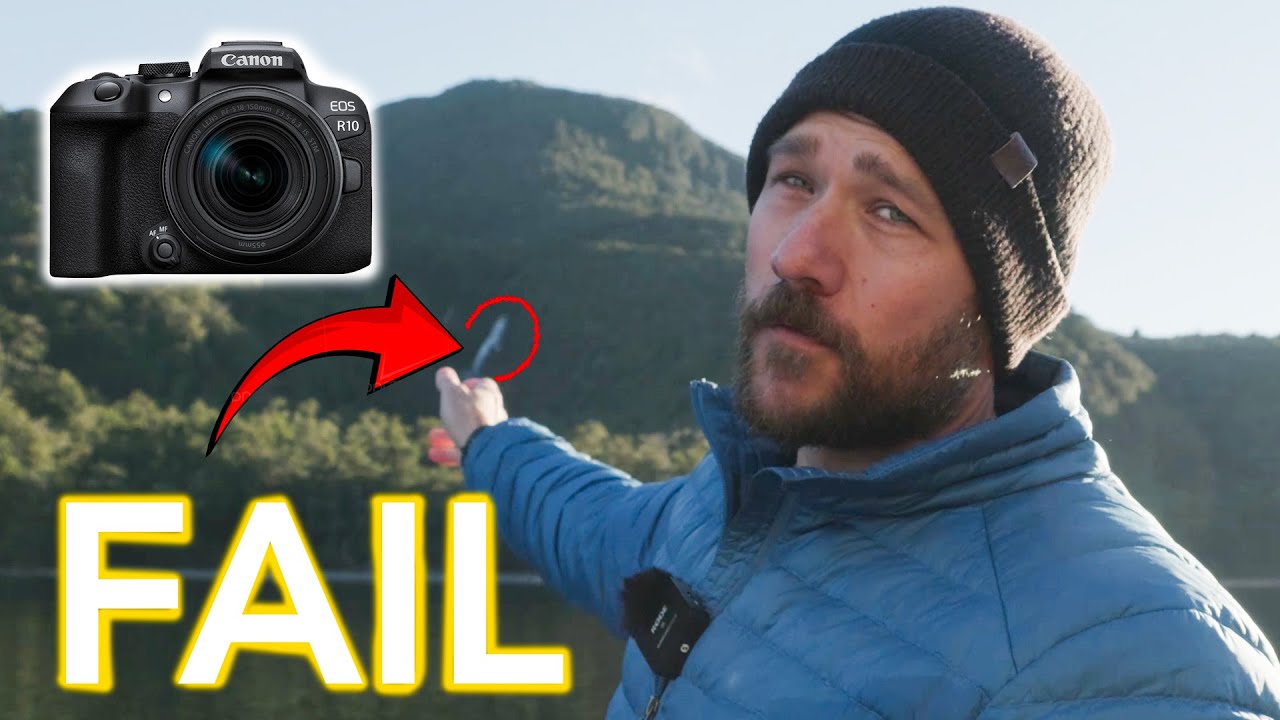
When the Shot Doesn't Come: What William Patino's Failed Fiordland Trip Teaches Us About Honest Photography

When the Shot Doesn't Come: What William Patino's Failed Fiordland Trip Teaches Us About Honest Photography

There’s a particular kind of silence that settles over you when you’ve hiked two hours into the backcountry, the light is doing something genuinely beautiful, and you know — you just know — that nothing you’re framing is working. I’ve stood in that silence more times than I care to count. After twenty years of doing this full time, I still haven’t found a way to shortcut it. What I have found is that watching another experienced photographer navigate that failure honestly is worth more than a dozen polished tutorials where everything goes perfectly.

How to Read a Chaotic Forest Scene (And Actually Walk Away With a Shot)

How to Read a Chaotic Forest Scene (And Actually Walk Away With a Shot)

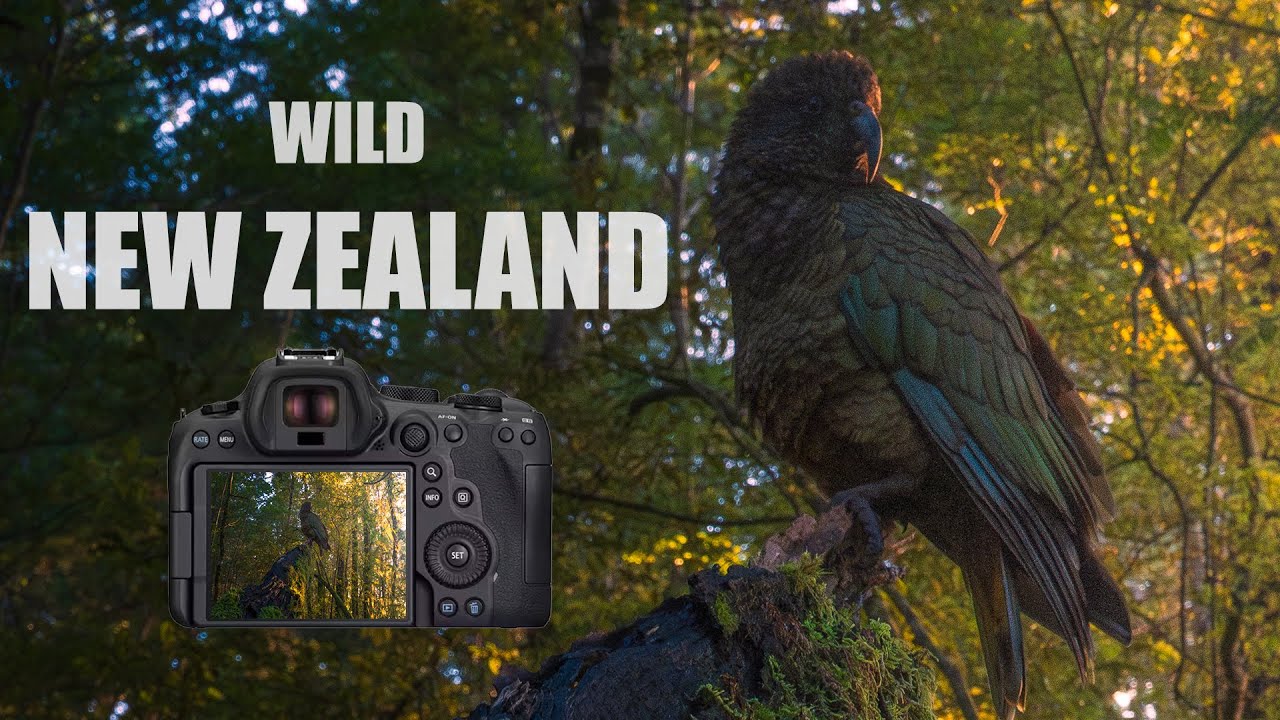
The forest has humbled me more times than I care to count. After twenty years of hauling a camera into the field, I still walk into dense woodland and feel that familiar low-level panic - too many lines, too many competing shadows, no obvious anchor for the eye. A mountain valley gives you a clean read. A rainforest does not. It throws everything at you at once and waits to see what you do with it.

How to Scout New Landscape Locations Before You Ever Leave the House

How to Scout New Landscape Locations Before You Ever Leave the House

There’s a particular kind of dread that comes from showing up somewhere you’ve never been with no plan and golden light already fading. I’ve done it more times than I’d like to admit. Twenty years into this work and I still feel the pull to just drive toward something beautiful and figure it out when I get there. The problem is that impulse costs you shots. The photographers who consistently come home with strong, original images aren’t necessarily the ones with the best gear or the best luck.

How to Photograph Fiordland From a Boat: Lessons From William Patino's Southern New Zealand Workshop

How to Photograph Fiordland From a Boat: Lessons From William Patino's Southern New Zealand Workshop

There’s a particular kind of wilderness photography that breaks every routine you’ve built. No tripod spot scouted the night before. No predetermined composition saved in your notes app. You wake up, the mountain has rearranged itself with fresh snow and low cloud, and you have roughly ten minutes to figure out what you’re looking at before it changes again. That’s the challenge William Patino works inside for an entire week every year, and watching how he handles it reminded me why I got into this work in the first place.

How to Shoot Rainy Day Landscapes Without a Tripod (Lessons from Fiordland)

How to Shoot Rainy Day Landscapes Without a Tripod (Lessons from Fiordland)

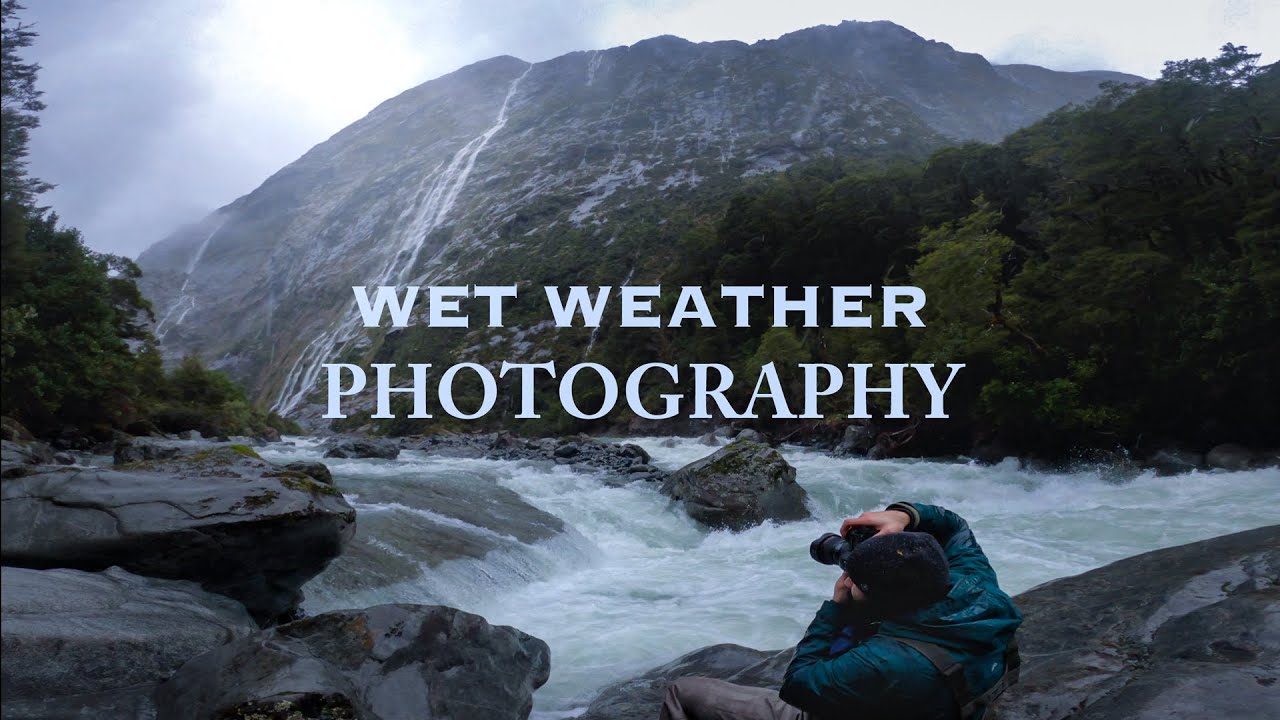
Most photographers I know pack up when the rain starts. I used to be one of them. Twenty years of early mornings and stubborn weather have since taught me that the shots worth printing almost always come from the days that felt least cooperative. Rain flattens harsh light, feeds waterfalls, and drapes mountains in atmosphere you simply cannot manufacture in post. The problem has never been the weather. The problem is not having a system for working in it.

Finding Harmony in the Chaos: How to Photograph Temperate Rainforest Like a Pro

Finding Harmony in the Chaos: How to Photograph Temperate Rainforest Like a Pro

Forest photography has humbled me more times than I care to admit. I’ve stood in old-growth Douglas fir outside Bend with a perfectly charged battery, ideal overcast light, and zero keeper shots to show for two hours of work. The problem wasn’t the gear. It wasn’t the light. It was the chaos — that wall of overlapping trunks, competing textures, and tangled canopy that refuses to arrange itself into anything resembling a composition.

Finding the Shot Inside the Shot: Gorge Photography Lessons from New Zealand

Finding the Shot Inside the Shot: Gorge Photography Lessons from New Zealand

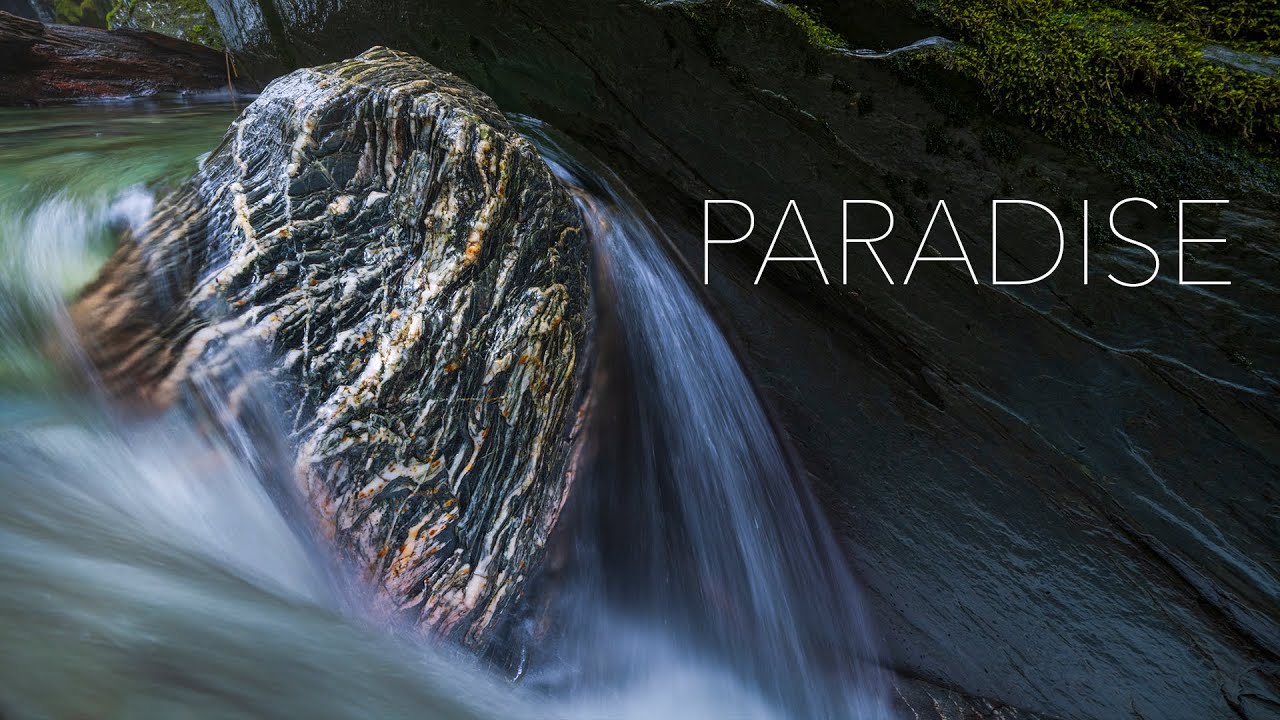
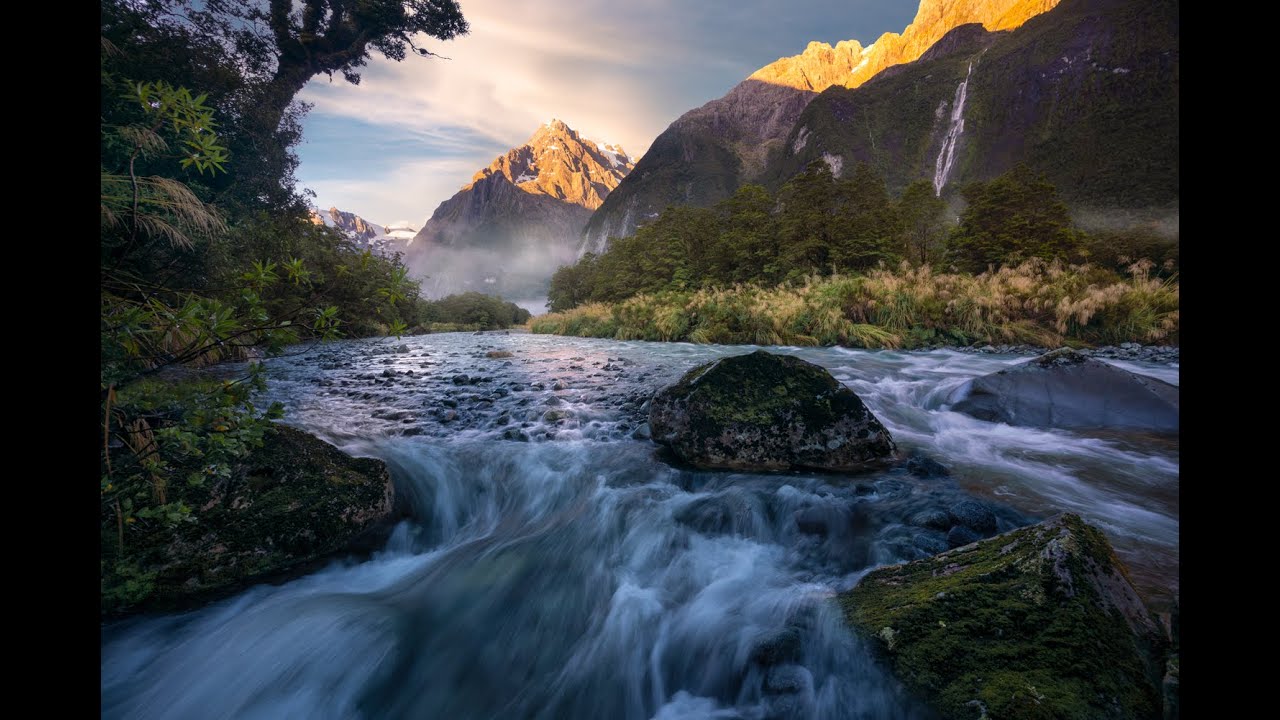
Gorges and canyons are the locations I procrastinate about most. I love them deeply and I approach them with a kind of nervous respect, the way you might feel before a conversation you know is going to cost you something. The footing is unpredictable, the light is almost always difficult, and the compositions that look obvious from the rim almost never hold up once you’re standing in the water. So when I came across William Patino’s recent tutorial filmed inside a canyon system in New Zealand’s mountain country, I watched it twice before I even touched my coffee.

Fishing for Light: Field Techniques from a Fiordland Sunrise (William Patino)

Fishing for Light: Field Techniques from a Fiordland Sunrise (William Patino)

There’s a version of this job that looks glamorous from the outside. Golden hour, dramatic peaks, camera pointed at something magnificent. What that picture leaves out is the morning you drove three hours in the dark, hiked another ninety minutes in the cold, and watched a wall of grey cloud swallow every last bit of light before sunrise even began. I’ve had more of those mornings than I can count. Twenty years in, I still have them regularly.

What Fiordland Teaches You About Finding a Frame (And Why I Keep Coming Back to These Lessons)

What Fiordland Teaches You About Finding a Frame (And Why I Keep Coming Back to These Lessons)

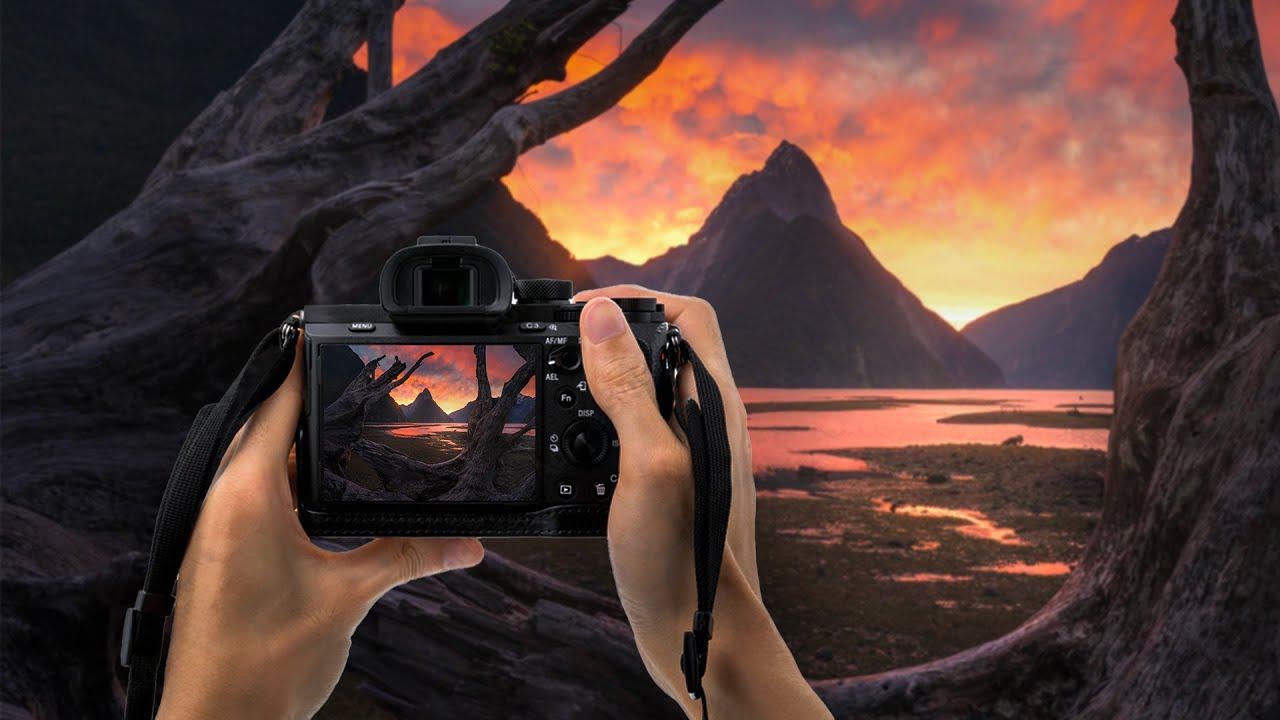
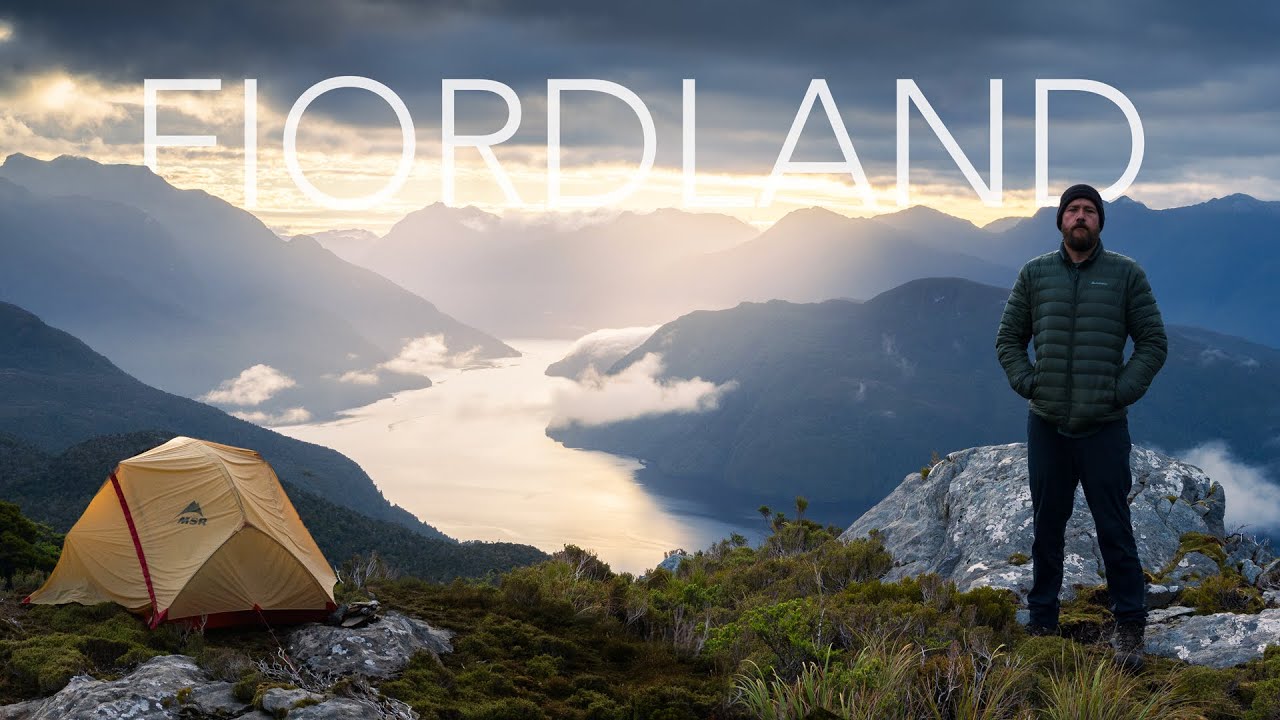
There’s a particular kind of location that makes you feel like you’re cheating. Somewhere so visually loaded that you almost don’t deserve the shot. New Zealand’s Fiordland is that place for a lot of us, and I’ve spent enough time chasing similar terrain in the Pacific Northwest to know that raw beauty is actually the hardest thing to work with. Too many options will freeze you. The mountain is stunning but the foreground is a mess.

Hiking In, Sleeping Rough, and Focus Stacking at Sunrise: Lessons from William Patino's Alpine Workflow

Hiking In, Sleeping Rough, and Focus Stacking at Sunrise: Lessons from William Patino's Alpine Workflow

There’s a kind of shot that can’t be rushed and can’t be faked. You know the one. A mountain face catching first light, foreground plants sharp as a pin, sky still holding a blush of pre-dawn color, depth stretching from your boots to the horizon. I’ve been chasing that shot for two decades, and the honest truth is that the technical side, the focus stacking, the Lightroom processing, is usually the easier half.

How to Stop Planning and Start Finding: Landscape Photography Lessons from New Zealand's Fiordland

How to Stop Planning and Start Finding: Landscape Photography Lessons from New Zealand's Fiordland

There’s a version of landscape photography that looks like this: you study the location for weeks, you pin exact GPS coordinates, you show up at the precise calculated moment of golden hour, and you execute a shot you already pre-visualized on your phone. I’ve done that. I still do that sometimes. But some of my strongest images, including the foggy Columbia River print that’s been my bestseller for three years now, came from the opposite approach.

Mud, Mist, and Mount Tutoko: Field Lessons from a Fiordland Photography Hike

Mud, Mist, and Mount Tutoko: Field Lessons from a Fiordland Photography Hike

There’s a particular kind of shoot that doesn’t go the way you planned, and ends up being the one you talk about for years. I’ve had enough of those to recognize them in someone else’s footage. In this William Patino tutorial, he heads into Fiordland, New Zealand, with his shooting partner Federico to photograph Mount Tutoko, the tallest peak in the region. The weather is marginal, the trail is a swamp, and sandflies are getting on the lens.