Why Your Panoramas Look Wrong (And How to Fix Them Before You Leave the Location)

Why Your Panoramas Look Wrong (And How to Fix Them Before You Leave the Location)

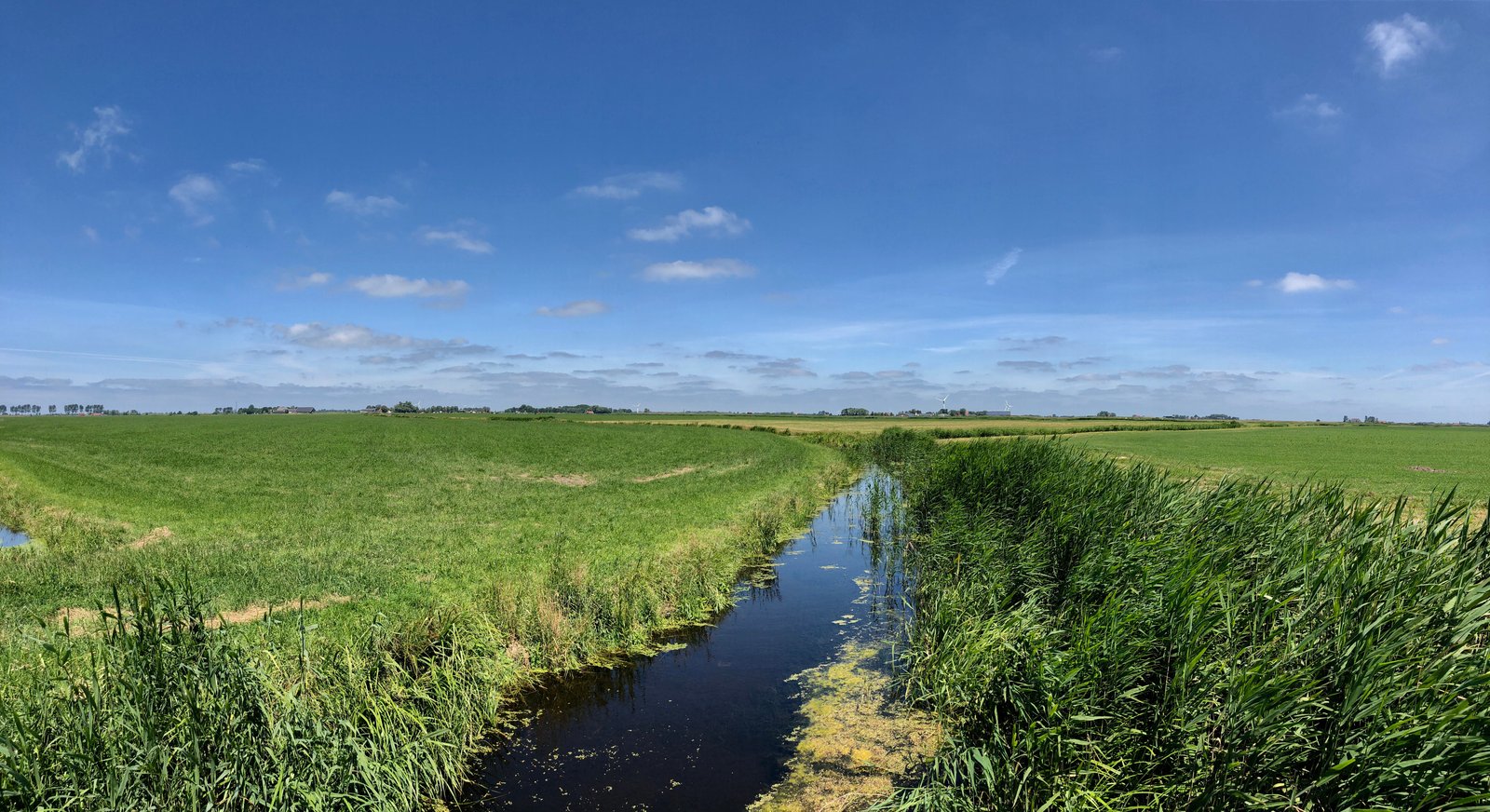
There’s a ridgeline I return to every few years above the Three Sisters wilderness area. The scene demands a panorama. The peaks spread across roughly 180 degrees of sky, and no single frame, even at 16mm, does justice to the spatial weight of standing up there in early light. The first time I shot it, I came home with eight beautifully exposed frames that stitched into a warped, horizon-bending disaster. The peaks looked like they were melting toward each other.
Why Your Panoramas Look Wrong (And How I Fixed Mine After Years of Doing It Badly)

Why Your Panoramas Look Wrong (And How I Fixed Mine After Years of Doing It Badly)

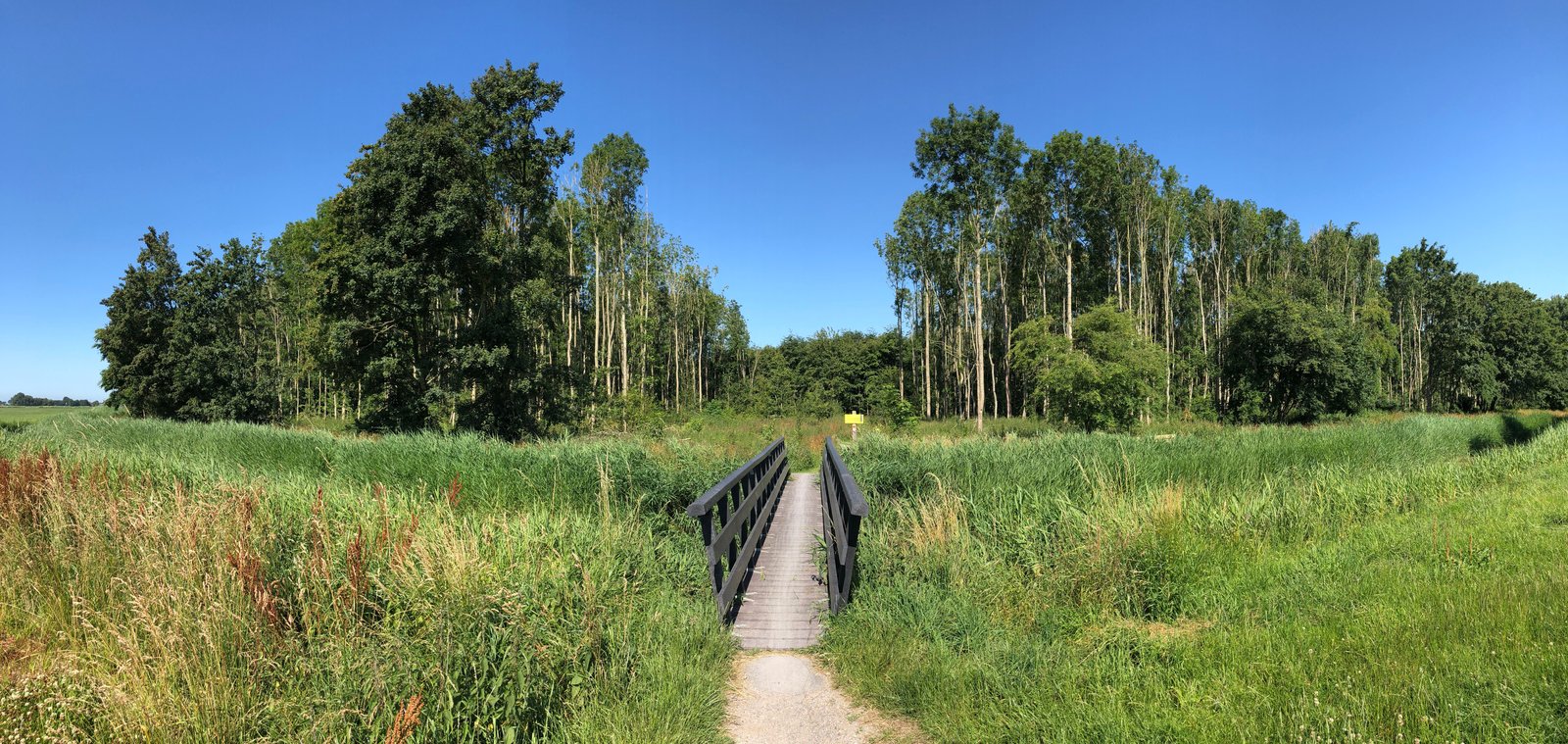
There’s a ridgeline outside of Bend that faces east, and on clear mornings in October the light comes in so low and golden that the juniper trees throw shadows fifty feet long. The scene is too wide for any single frame. Even my 14mm lens can’t hold it. The first time I shot a panorama there, I came home, loaded the files into Lightroom, and watched the software choke on a set of images that almost, but not quite, lined up.

The Art of the Panorama: How to Stitch Together a Scene That Actually Holds Together

The Art of the Panorama: How to Stitch Together a Scene That Actually Holds Together

There’s a ridge I know above the Cascades where the view runs maybe 180 degrees on a clear morning. The first time I set up there, I tried to capture it in a single frame. I had a 14mm lens on my Sony A7R IV. I shot it, got home, and opened the file. Technically correct. Completely lifeless. The scene had been compressed into something small and forgettable, robbed of the very scale that made standing there feel like something.

9 Frames, One Shot: How to Combine HDR Bracketing and Panorama Stitching in Lightroom

9 Frames, One Shot: How to Combine HDR Bracketing and Panorama Stitching in Lightroom

There’s a specific frustration I’ve felt on nearly every dawn shoot I’ve done in the high desert outside Bend: the scene in front of me holds about three times more tonal range than my sensor can capture in a single frame. The shadows under the juniper trees go pure black. The clouds blow out to white. My eye reads the whole thing effortlessly, but the camera has to pick a lane.

Why Your Panoramas Look Wrong (And How to Fix Them Before You Leave the Trailhead)

Why Your Panoramas Look Wrong (And How to Fix Them Before You Leave the Trailhead)

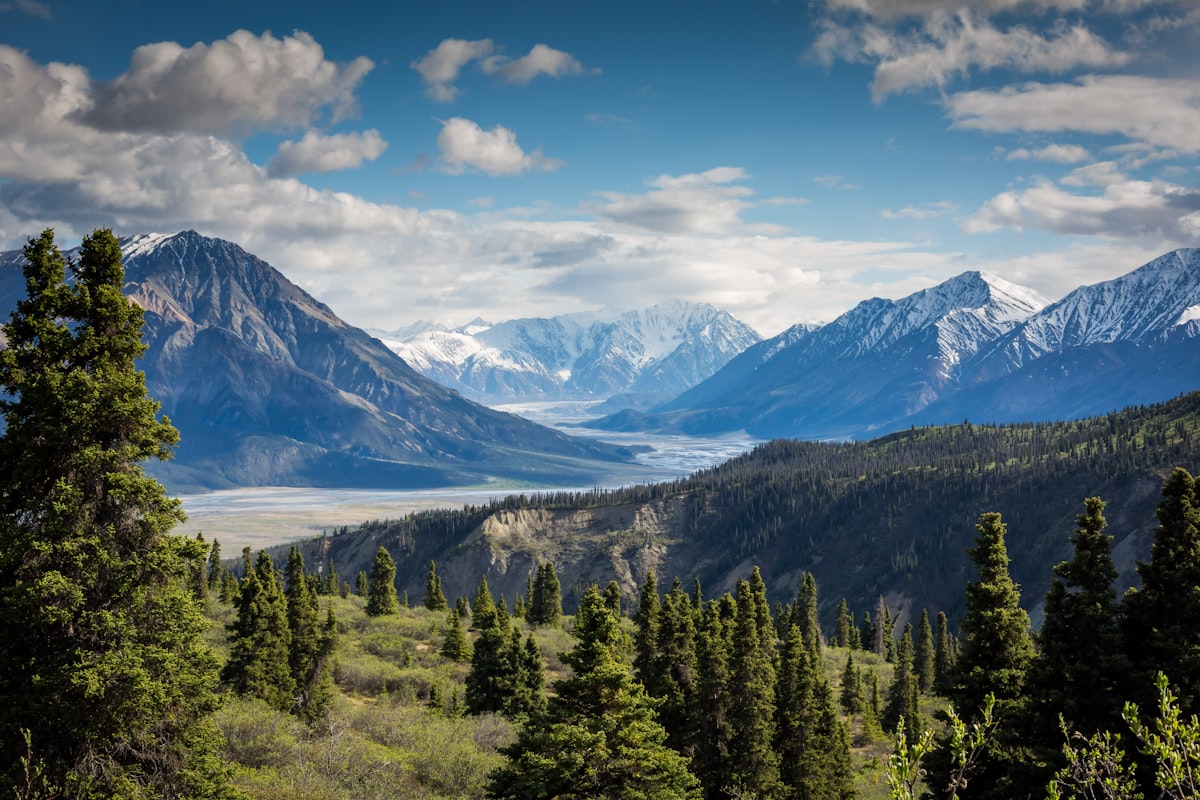
There’s a ridge I return to every autumn outside Bend, where the Cascades stack up in layers from west to east. The scene is roughly 180 degrees of usable sky, volcanic peaks, and high desert. My camera’s widest lens can’t touch it. Neither can a single frame at any focal length without introducing so much foreground distortion that the mountains look like they’re leaning away from the viewer. The only honest way to render that place is to stitch it, and I spent an embarrassing amount of time doing it wrong before I understood what was actually happening between the frames.

The Art and Craft of Landscape Panoramas: Creating Vistas That Transcend the Frame

The Art and Craft of Landscape Panoramas: Creating Vistas That Transcend the Frame

The Art and Craft of Landscape Panoramas: Creating Vistas That Transcend the Wild There’s a moment that arrives at certain locations—standing on a ridge at dawn, or at the edge of a canyon in that golden hour—when the view simply refuses to fit inside a single frame. The landscape demands to be seen in its full, sweeping grandeur. This is when I reach for the panorama technique, and I’ve learned that a successful pano isn’t about gadgetry or software tricks.

Panoramic Photography: Stitching Multi-Row Panoramas

Panoramic Photography: Stitching Multi-Row Panoramas

Single-row panoramas stitch a horizontal sweep into a wide image. Multi-row panoramas go further — stitching a grid of images that covers both horizontal and vertical space. The result is an image with massive resolution, full coverage of the scene, and creative possibilities that single exposures can’t match. Why Multi-Row Panoramas Resolution A single frame from a 45-megapixel camera gives you 45 megapixels. A 4x6 grid of overlapping frames from the same camera, stitched together, can produce an image exceeding 500 megapixels.