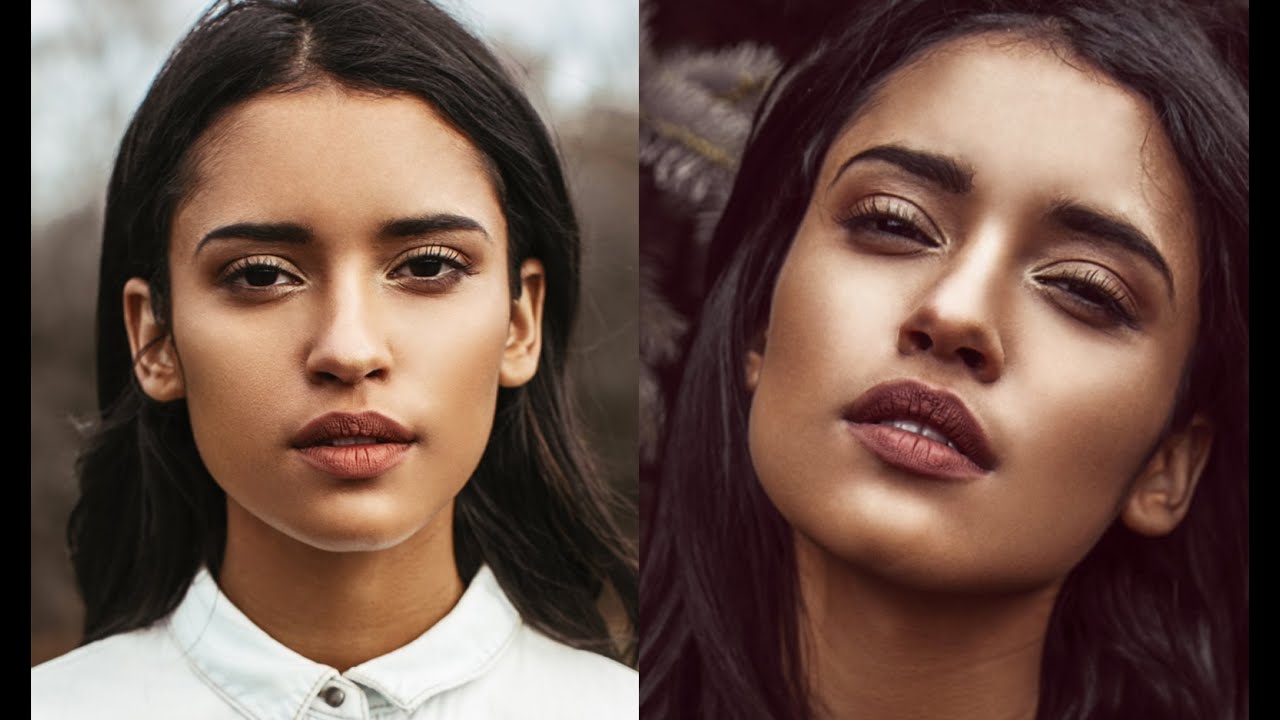
What a 50mm Portrait Session Taught Me About Directing Humans (Not Just Landscapes)

What a 50mm Portrait Session Taught Me About Directing Humans (Not Just Landscapes)

Most of my subjects don’t move. Granite ridgelines, still water at first light, a stand of ponderosa pines catching the last of the evening sun. I’ve spent twenty years learning how to read light and wait out weather, but put a person in front of my lens and I become strangely hesitant. I freeze in a way the landscape never makes me freeze. That’s why a tutorial focused on directing real people in real outdoor light caught my attention hard enough to stop scrolling.
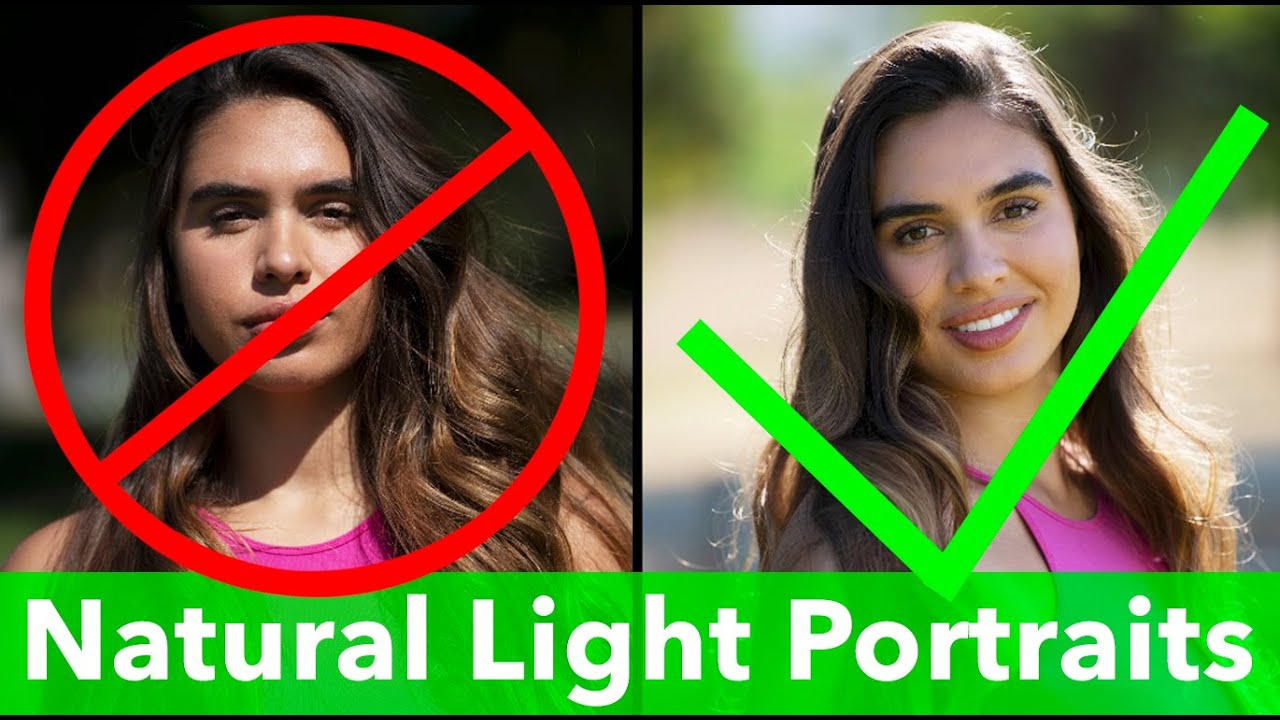
The $25 Tool That Changed How I Light Outdoor Portraits (And How to Use It in 4 Ways)

The $25 Tool That Changed How I Light Outdoor Portraits (And How to Use It in 4 Ways)

Most of my working life is spent chasing landscape light, but every season I take on a handful of location portrait sessions — workshop participants wanting headshots, editorial work, the occasional commissioned family session in the field. And for years I wrestled with the same problem: gorgeous ambient light behind my subject, flat and unflattering light on their face. I’d either blow out the background trying to expose for the foreground, or underexpose the person trying to hold the sky.

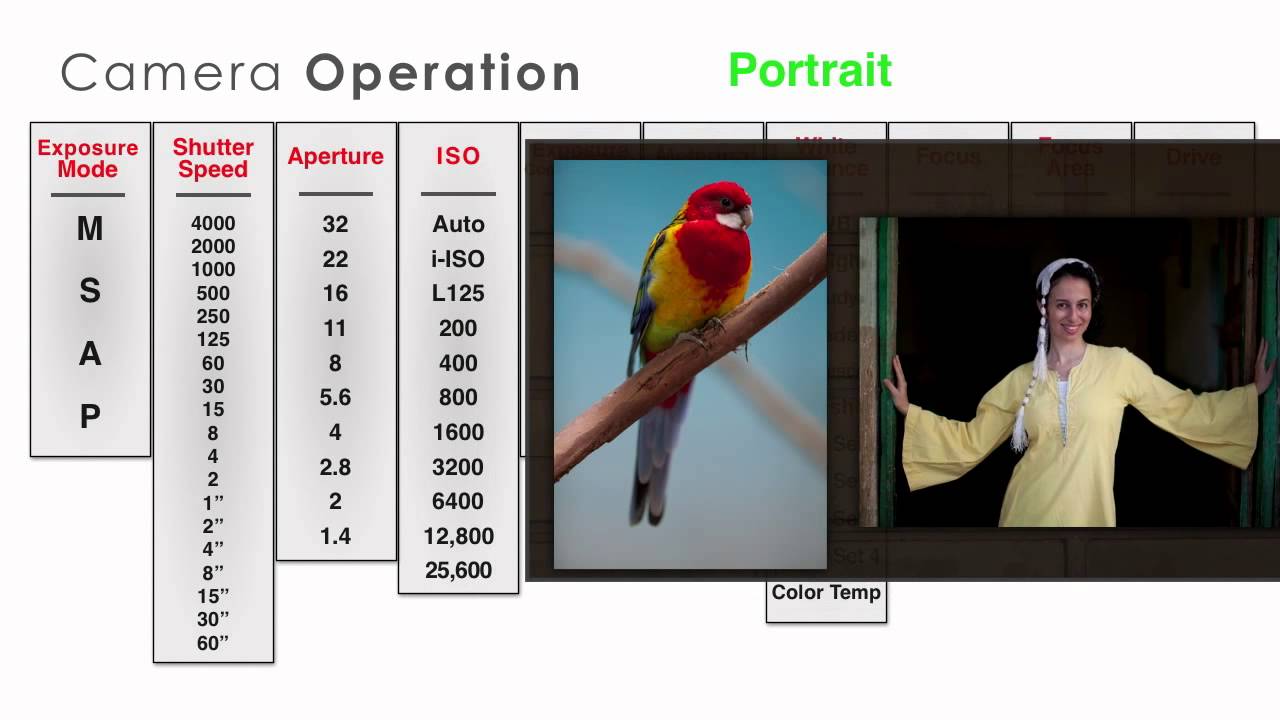
Landscape vs. Portrait: The Camera Settings That Actually Matter in the Field

Landscape vs. Portrait: The Camera Settings That Actually Matter in the Field

There’s a particular kind of frustration that comes from standing in front of a stunning scene, knowing the light is right, and fumbling with your camera settings while the moment slips away. After twenty years of pre-dawn drives and frozen fingers, I still think the fastest path to consistent images is having a clear, repeatable settings framework before you ever raise the camera to your eye. Not because creativity should be mechanical, but because when the technical side is locked in, your mind is free to actually see.