Stop Ruining Your Golden Hour Shots: A Post-Processing Walkthrough for Sunrise and Sunset Images

Stop Ruining Your Golden Hour Shots: A Post-Processing Walkthrough for Sunrise and Sunset Images

There is a specific kind of disappointment that hits when you get home from a shoot, pull up your RAW files, and realize the image on your screen looks nothing like what you saw with your own eyes. I’ve been doing this for twenty years, and it still stings. You were in the right place. The light was doing something extraordinary. The composition felt alive. And now you’re staring at a flat, muddy file wondering where it all went.

Don't Find Your Composition Until the Light Gets Good — A Mountain Sunset Strategy

Don't Find Your Composition Until the Light Gets Good — A Mountain Sunset Strategy

There’s a particular kind of panic that hits when you’re standing in front of something magnificent and you know the light is about to go. I’ve felt it hundreds of times over twenty years of doing this work. Your hands move faster than your brain, you grab a composition that feels safe, and you fire off fifty nearly identical frames. You drive home thinking you nailed it. You open the files and feel that slow deflation.

Stop Leaving Sunset Color to Chance: A Weather Forecasting System for Landscape Photographers

Stop Leaving Sunset Color to Chance: A Weather Forecasting System for Landscape Photographers

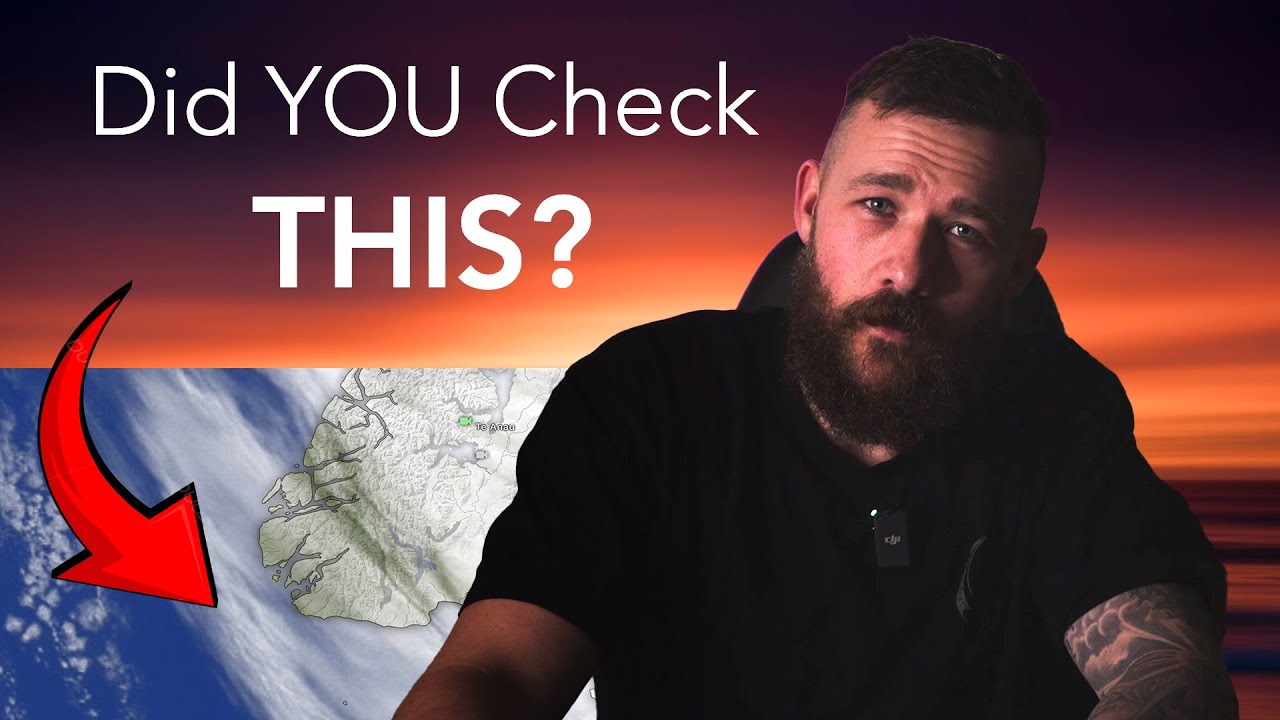
There’s a comment I’ve heard more times than I can count, standing next to someone at a trailhead while I’m packing up my gear after a good shoot. “You were just in the right place at the right time.” I smile, nod, and move on. But the truth is, I was at that location because I’d spent two hours the night before studying satellite loops and cloud-layer maps, then woke up before 4am to drive there in the dark.

From Observer to Photographer: A Complete Landscape Workflow That Actually Works

From Observer to Photographer: A Complete Landscape Workflow That Actually Works

There’s a particular kind of frustration that creeps in when you arrive at a location, camera in hand, and immediately feel the pressure to produce. You start firing frames before you’ve even looked at the place. You chase the light without a plan. You come home with a hundred forgettable images and one nagging feeling that you missed something. I’ve been doing this for twenty years and it still happens to me if I’m not deliberate about my process.

How to Read a Sunset Before It Happens: Field Notes from a William Patino Tutorial

How to Read a Sunset Before It Happens: Field Notes from a William Patino Tutorial

I’ve been waking up before sunrise for twenty years, and I still occasionally drive to a location, read the sky wrong, and come home with nothing worth keeping. That’s not a confession of failure. It’s just the reality of working with light you don’t control. What separates a productive sunset shoot from an expensive parking lot meditation session is largely about what you observe before you even lift the camera. That’s exactly why I spent time with this tutorial from William Patino, a landscape photographer who has a genuine gift for articulating things most of us feel intuitively but struggle to explain.

Block the Sun With Your Finger: A Dead-Simple Trick for Cleaner Sunset Exposures

Block the Sun With Your Finger: A Dead-Simple Trick for Cleaner Sunset Exposures

Shooting directly into the sun is one of those things I keep telling myself I’ll figure out properly, and then I get to the location, the light starts doing something extraordinary, and I just start firing frames and hope for the best. After twenty years of this, I have better instincts than I used to, but the two core problems never go away: the sky is always brighter than the foreground, and pointing your lens at the sun is an invitation for flare that can quietly destroy an otherwise strong image.

When the Light Doesn't Wait: Lessons from a Chaotic Sunset Session in the Peak District

When the Light Doesn't Wait: Lessons from a Chaotic Sunset Session in the Peak District

There’s a particular kind of frustration I’ve learned to respect over twenty years of doing this: you arrive at a location with forty minutes to spare, the light starts doing something extraordinary, and you are in completely the wrong spot. No composition, no clear path to one, and the clock ticking loud in your chest. It used to rattle me. Now I recognize it as the actual job. In this Thomas Heaton tutorial, he captures that experience with unusual honesty, wandering the Peak District at golden hour with a local guidebook, a camper van, and no fixed plan.

Chasing the Last Light: What Nigel Danson's Coastal Sunset Shoot Taught Me About Reading the Sky

Chasing the Last Light: What Nigel Danson's Coastal Sunset Shoot Taught Me About Reading the Sky

There is a particular kind of pressure that builds in the last thirty minutes before sunset. The light is changing by the minute, you still haven’t locked in a composition, and the clouds are doing something you didn’t plan for. After twenty years shooting landscapes full-time, I still feel it every single time. What separates a productive evening from a frustrating one is rarely luck. It’s a set of decisions made quickly and with intention.

Rescuing a Flat Sunset Shot: iPhone Editing Techniques Worth Stealing from Sean Tucker

Rescuing a Flat Sunset Shot: iPhone Editing Techniques Worth Stealing from Sean Tucker

There’s a particular kind of frustration I know well: you’re standing in golden light, the sky is doing something genuinely beautiful, you raise your phone and take the shot, and the result looks like a postcard from a gas station. The light was there. The scene was there. The phone just didn’t see what your eyes saw. After two decades of shooting landscapes, mostly with full-frame cameras and more glass than I care to admit to owning, I still reach for my iPhone on evening walks when I don’t want to haul gear.

Chasing the Right Light: A Full Sunset Workflow From Forecast to Final Edit

Chasing the Right Light: A Full Sunset Workflow From Forecast to Final Edit

I have stood in the dark next to my truck more times than I can count, thermos in one hand, phone in the other, watching a sky that was supposed to deliver something extraordinary do absolutely nothing. And I have also stood in places so lit up with color that my hands were shaking on the tripod. The difference between those two experiences almost never comes down to fortune. It comes down to whether I read the conditions correctly before I left the house.

Balancing Light and Composition at Sunset: What William Patino's Framework Taught Me to Stop Ignoring

Balancing Light and Composition at Sunset: What William Patino's Framework Taught Me to Stop Ignoring

There’s a particular kind of pressure that builds when golden light starts happening and you’re still walking, still looking, still not sure where to plant the tripod. I’ve felt it hundreds of times over the past two decades. The chest tightens, the legs move faster, and suddenly you’re forcing a composition instead of finding one. I’ve come home with technically fine shots that feel hollow because I rushed into them. So when I came across Watch the full tutorial on YouTube from William Patino, filmed during a summer sunset session in Fiordland National Park, I kept nodding along because he was describing the exact problem I still wrestle with, and offering a framework that actually works.