What a Telephoto Lens Taught Me About Slowing Down (In Every Sense)

What a Telephoto Lens Taught Me About Slowing Down (In Every Sense)

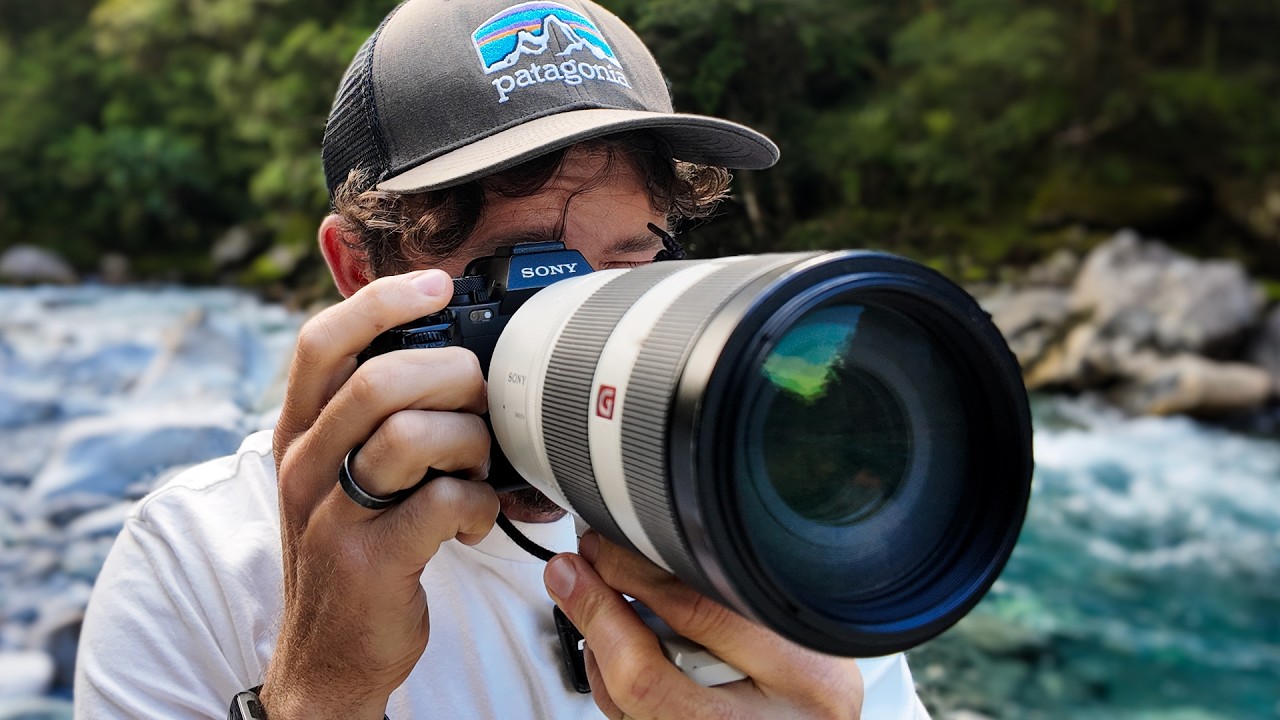
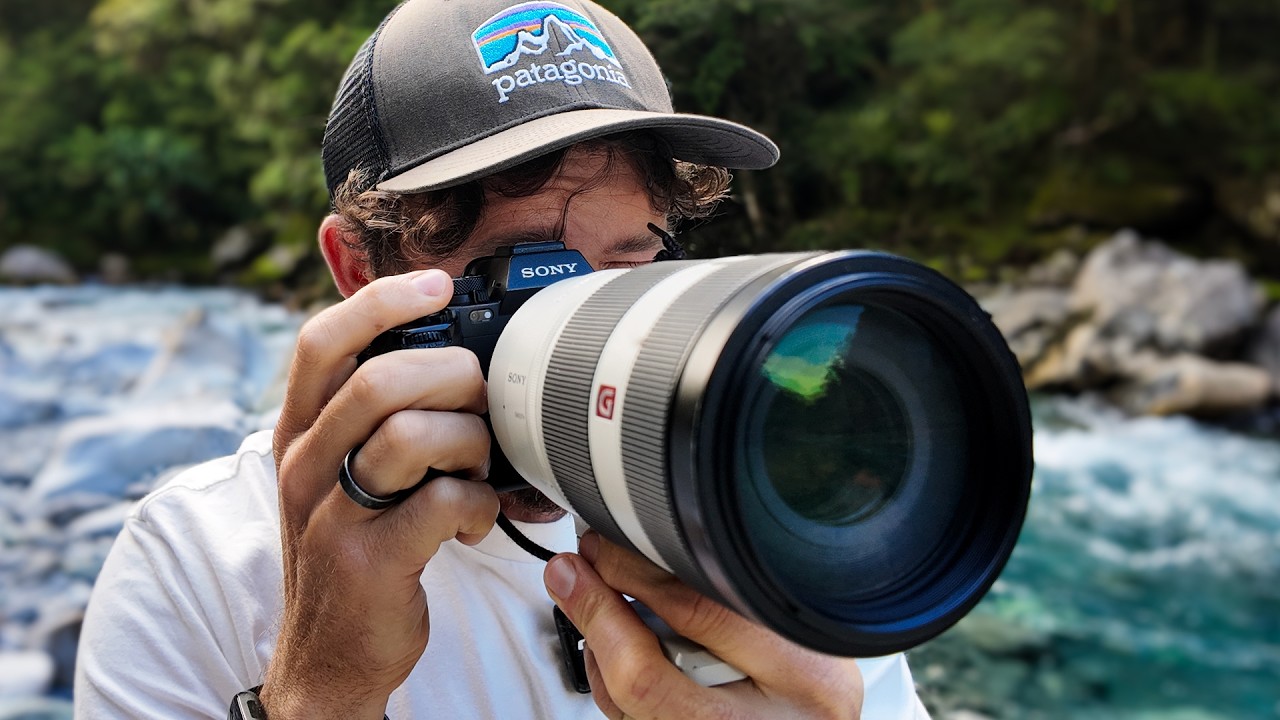
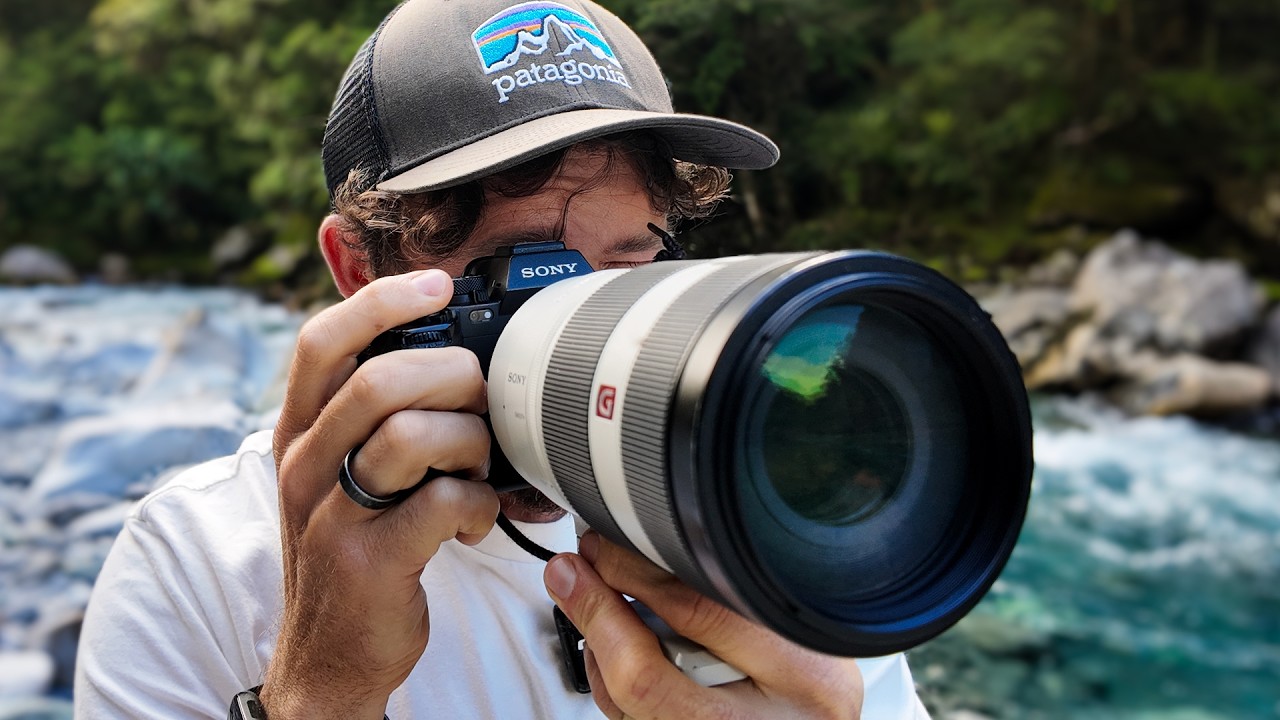
I’ve been shooting landscapes full-time for two decades, and I still fall into the wide-angle trap. It’s reflexive. Big scene, big sky, wide lens. You reach for the 16-35mm the way some people reach for their phone. But lately I’ve been forcing myself to think differently about compression, intimacy, and what “landscape” actually means when you strip away the drama of a grand vista. That question got sharper for me after watching William Patino work through this tutorial on telephoto landscape photography.
Why I Stopped Overlooking My Telephoto for Intimate Water Scenes

Why I Stopped Overlooking My Telephoto for Intimate Water Scenes

I’ve been shooting landscapes for twenty years and I still catch myself defaulting to the wide angle when I’m near water. It’s almost muscle memory at this point. Wide angle, foreground interest, dramatic sky. It’s a formula that works, but lately it’s been feeling like a rut. A few weeks ago I was out before sunrise along the Deschutes, trying to make something interesting out of a section of river I’ve photographed dozens of times.

What a Telephoto Lens Taught Me About Slowing Down (And Slowing the Water)

What a Telephoto Lens Taught Me About Slowing Down (And Slowing the Water)

I’ve been shooting landscapes for twenty years and I still hit the same wall every winter: the wide compositions dry up. The big vistas I know by heart around central Oregon look flat in low light, the foreground interest disappears under snow or mud, and I find myself standing at a trailhead wondering why I drove out here before sunrise. Again. What pulls me through that rut, reliably, is compression. Picking up the long glass and looking for the quiet scene inside the obvious one.

Capturing the Rhythm of Coastal Light: A Photographer's Guide to Seascapes

Capturing the Rhythm of Coastal Light: A Photographer's Guide to Seascapes

Capturing the Rhythm of Coastal Light: A Photographer’s Guide to Seascapes I’ve spent countless hours standing on rocky shores and sandy beaches, watching light dance across water, and I’ve learned that coastal photography demands something different from other landscape work. The coast teaches patience in ways that mountains don’t. There’s an unpredictability to it—the light shifts rapidly, waves behave differently each minute, and the interplay between water, sky, and land creates technical challenges that require both preparation and adaptability.

The Art of Capturing Waterfalls: Mastering Motion and Light in Flowing Water

The Art of Capturing Waterfalls: Mastering Motion and Light in Flowing Water

Finding the Right Light at the Falls I’ve learned that chasing waterfalls isn’t about arriving when the sun is brightest. In fact, some of my most compelling waterfall images were captured under overcast skies or in the diffused light of early morning mist. Harsh sunlight creates blown-out highlights in the water and harsh shadows that flatten the three-dimensional quality of the scene. Instead, I seek out cloudy days or arrive before sunrise.

The Art of Capturing Water in Motion: Mastering Waterfall Photography

The Art of Capturing Water in Motion: Mastering Waterfall Photography

I’ve spent countless mornings standing before waterfalls with water misting my lens, learning through trial and error what separates a flat snapshot from an image that conveys the raw power and grace of moving water. Waterfall photography demands patience, technical precision, and an understanding of how light and motion interact. It’s not complicated, but it does require intention. Understanding Long Exposure The silky, ethereal quality you see in great waterfall images comes from one thing: time.

Capturing the Restless Edge: Mastering Coastal Photography

Capturing the Restless Edge: Mastering Coastal Photography

There’s something about standing at the edge of land and sea that shifts how you see light. After years of chasing golden hour along rocky shores and misty cliffs, I’ve learned that coastal photography demands a different kind of patience than inland work. The ocean won’t wait for your perfect moment—but if you understand its rhythms, you can anticipate them. Timing Around Tides and Light The coast is fundamentally about motion: waves, tides, and light changing by the minute.