Why Your Landscape Photos Feel Empty (And What to Do Before You Even Raise the Camera)

Why Your Landscape Photos Feel Empty (And What to Do Before You Even Raise the Camera)

The Shot That Isn’t There Yet I was standing at the edge of a basalt rimrock outside Bend last October, about twenty minutes before first light. The scene in front of me was objectively beautiful. A high desert valley, juniper silhouettes, a streak of cold orange just beginning to crack the horizon. I had my tripod set up, my Lee filters in my vest pocket, my 16-35mm on the camera. And I almost pressed the shutter.

The Foreground Balance Trick William Patino Uses to Anchor His Seascape Compositions

The Foreground Balance Trick William Patino Uses to Anchor His Seascape Compositions

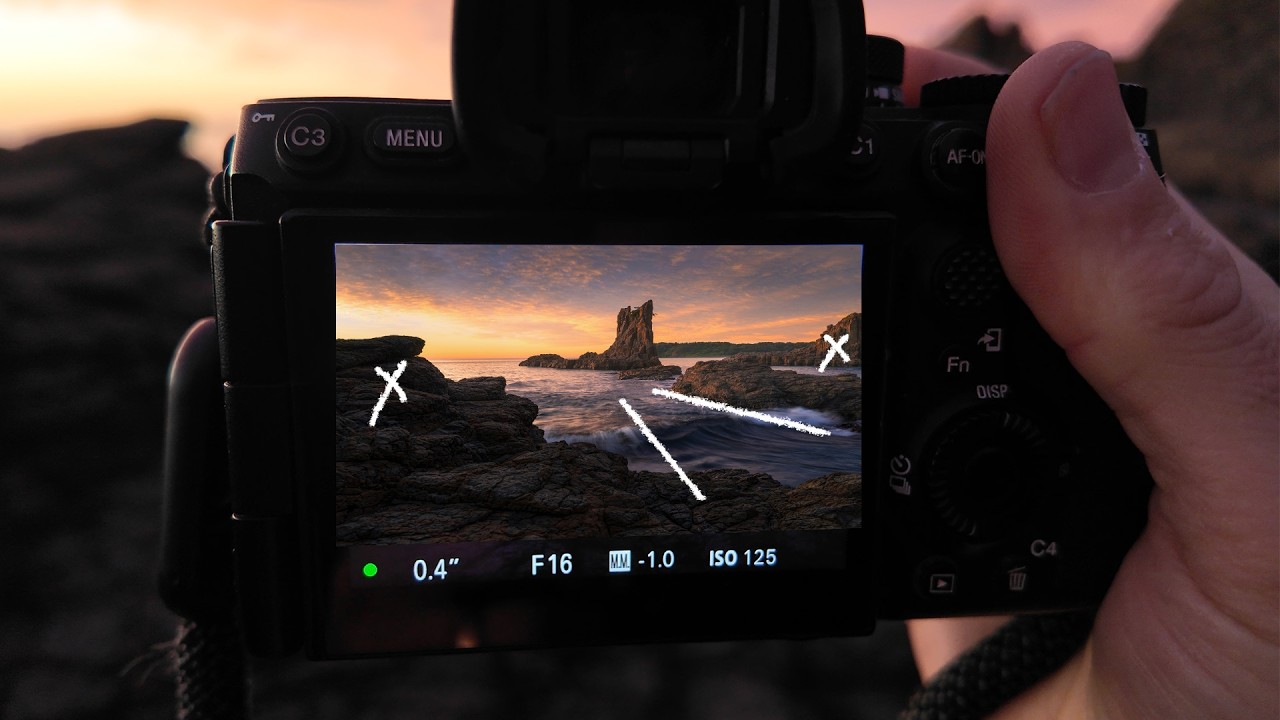
There’s a compositional problem I keep seeing in workshop students’ work, and honestly, in my own early images when I look back at them. You arrive at a stunning coastal location, the sky is doing something extraordinary, and you raise the camera to eye level and shoot. The resulting image has a great sky and a great subject, but it feels unanchored. The eye wanders. Nothing holds the frame together. The shot looks like a record of a beautiful place rather than a considered photograph of one.

Why Your Landscape Photos Feel Empty (And What to Do Before You Ever Raise the Camera)

Why Your Landscape Photos Feel Empty (And What to Do Before You Ever Raise the Camera)

I stood at the edge of a basalt rim above the Crooked River for about twenty minutes before I took a single frame. The light was moving fast, the way it does in late October in central Oregon, dropping from gold to amber to that flat grey that kills everything. A newer photographer next to me was already firing. I counted his shutter presses. Forty-seven frames in the first three minutes.