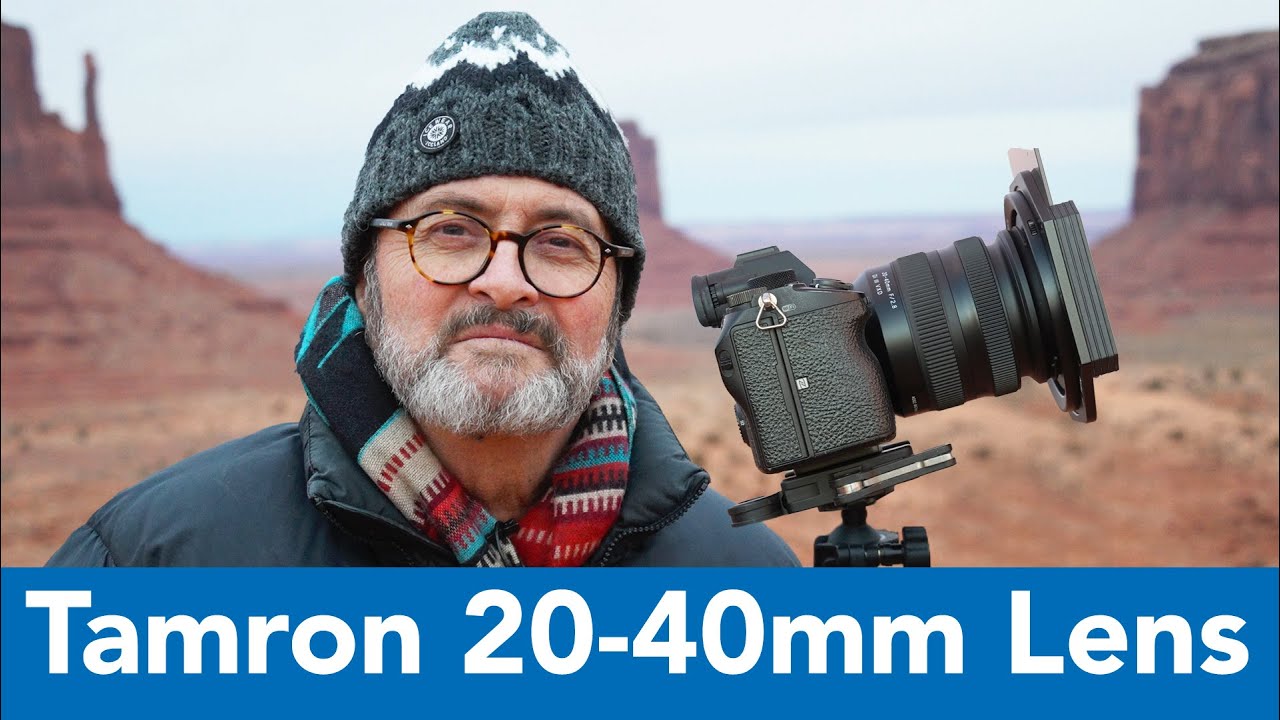
The 20-40mm Lens I Didn't Know I Needed: A Field Breakdown for Landscape Photographers

The 20-40mm Lens I Didn't Know I Needed: A Field Breakdown for Landscape Photographers

There’s a specific kind of frustration I know well: standing at the edge of a vast landscape at first light, knowing that my 24-70mm is just a touch too long at the wide end to pull everything in, but also knowing I’d left my 16-35mm at home because I didn’t want to carry two zoom lenses up a trail in the dark. Gear decisions made the night before always feel different at 4am when the light is doing something extraordinary and you’re one focal length short.
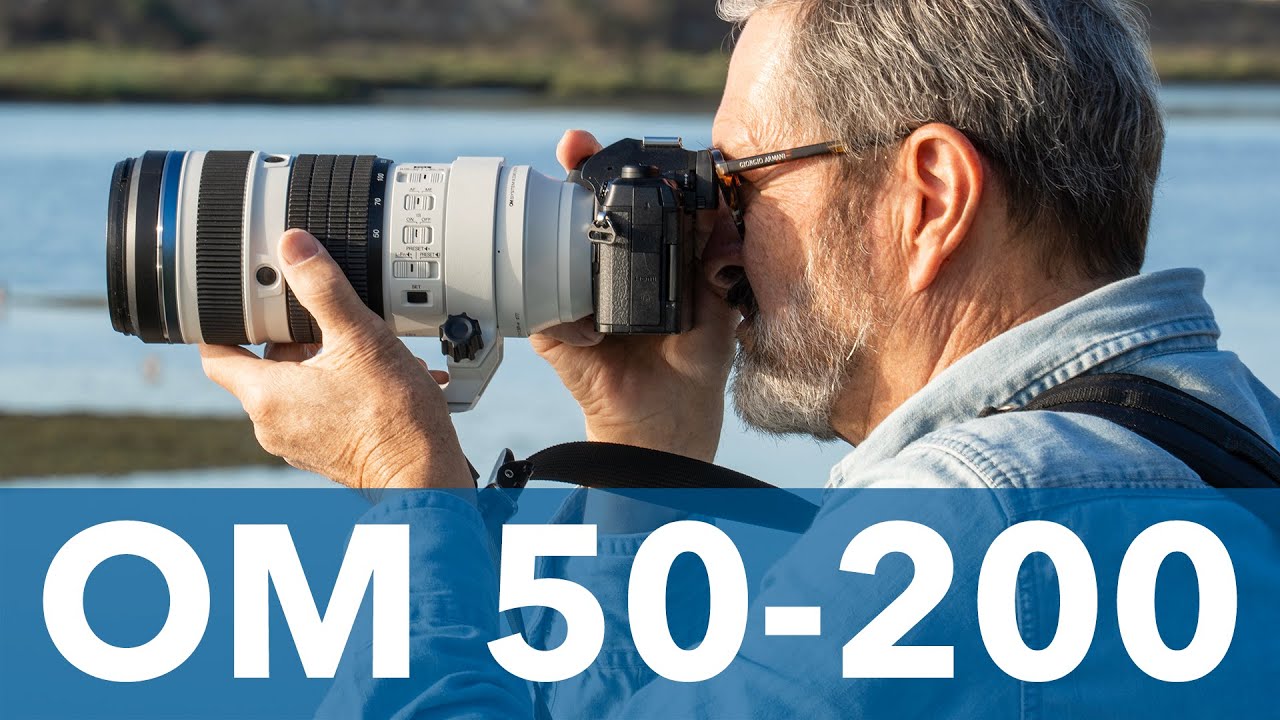
The 100-400mm f/2.8 That Actually Goes Outside: Field Notes on OM's 50-200mm Lens

The 100-400mm f/2.8 That Actually Goes Outside: Field Notes on OM's 50-200mm Lens

There’s a particular problem I’ve never fully solved with wildlife and wetland shooting: the gear that gives you reach doesn’t give you light, and the gear that gives you light doesn’t go near water. I’ve spent twenty years working around that trade-off, hauling separate kits for different conditions, babying lenses at the edge of marshes, making peace with the idea that a true fast telephoto was something you rented or didn’t own.

Why I Stopped Fighting the Mid-Range and Let the 24-120 Change My Kit

Why I Stopped Fighting the Mid-Range and Let the 24-120 Change My Kit

For most of my twenty years shooting landscapes, I lived at the extremes. Ultra-wide for the sweeping foreground-to-horizon compositions. Long telephoto for compression and isolation. The middle ground felt like no man’s land, a compromise zone for photographers who hadn’t made up their mind. I told myself that story for a long time, and it cost me shots. What changed my thinking wasn’t a single dramatic moment in the field. It was watching a working professional lay out exactly why he had quietly made a mid-range zoom his most-used lens over an entire year of serious travel photography.