Why Your Milky Way Shots Look Flat (And What I Changed After 20 Years of Getting It Wrong)

Why Your Milky Way Shots Look Flat (And What I Changed After 20 Years of Getting It Wrong)

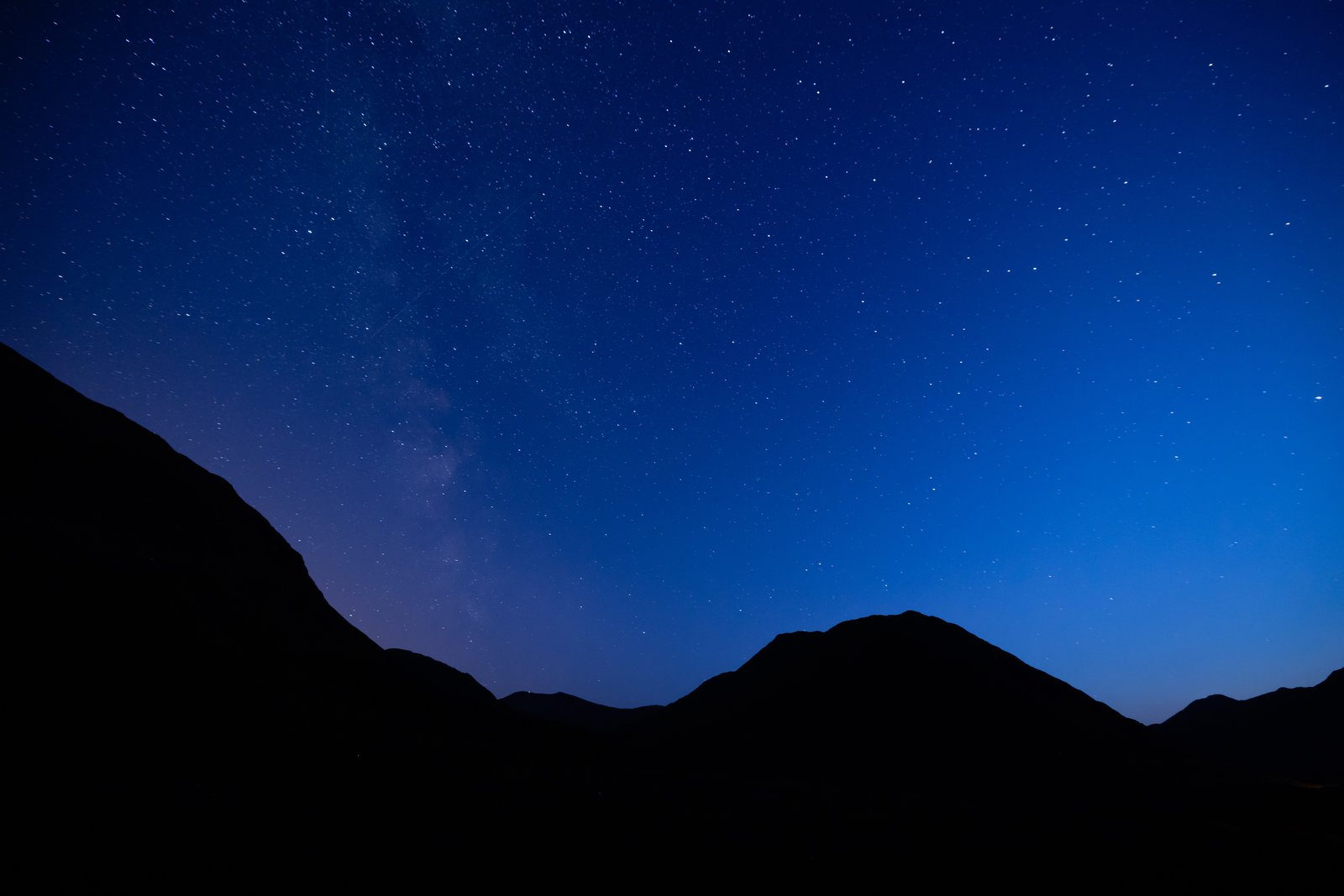
There’s a particular kind of frustration that comes from driving three hours into the Oregon high desert, setting up under a sky so thick with stars it almost feels heavy, and coming home with images that look like a gray smear over a dark blob. I’ve done it more times than I’d like to admit. The sky was perfect. My effort was genuine. But something between the light and the sensor kept getting lost, and for years I blamed the equipment.

Capturing the Night Sky: Lessons Learned Under the Stars

Capturing the Night Sky: Lessons Learned Under the Stars

I remember the first time I stepped away from city lights with the intention of photographing stars. I’d read the articles, adjusted my settings, and arrived at my location with confidence. Then the sky humbled me. The Milky Way sprawled above in a way no screen could prepare me for, and I realized that technical knowledge alone wouldn’t translate what I was witnessing into a compelling image. That night taught me that night sky photography demands equal parts science and intuition—a willingness to understand your equipment while remaining present to the landscape beneath those stars.

Chasing Starlight: Mastering Night Sky Photography in the Field

Chasing Starlight: Mastering Night Sky Photography in the Field

Chasing Starlight: Mastering Night Sky Photography in the Field There’s a particular silence that descends when you’re alone under the stars with your camera. It’s different from daytime shooting—quieter, somehow more intimate. After spending countless nights in remote locations chasing the Milky Way, I’ve learned that night sky photography demands both technical precision and patience. It’s not enough to show up; you need to understand what you’re looking at and how your equipment will respond in darkness.

How to Photograph the Milky Way: A Complete Guide for Landscape Photographers

How to Photograph the Milky Way: A Complete Guide for Landscape Photographers

How to Photograph the Milky Way: A Complete Guide for Landscape Photographers There’s a moment that arrives around midnight when you’re standing alone in the darkness, your eyes finally adjusted to the starlight above, when the Milky Way reveals itself in all its glory. The first time I witnessed this—really witnessed it—was in the high desert of Utah, where the light pollution felt like a distant memory and the galaxy stretched across the entire sky like spilled milk.

Chasing Stars: The Art and Science of Night Sky Photography

Chasing Stars: The Art and Science of Night Sky Photography

The Call of Darkness There’s a moment just after twilight fades when the landscape disappears entirely, and you’re left standing in absolute darkness with nothing but your camera and the weight of the universe above. That’s when night sky photography truly begins. I’ve spent countless nights perched on remote hillsides and desert flats, watching the Milky Way emerge as my eyes adjusted and the light pollution fell away. It’s a humbling experience—one that demands patience, preparation, and a willingness to embrace the unknown.