Snow, Trees, and the Art of Seeing Less: Lessons from a New Zealand Forest Shoot

Snow, Trees, and the Art of Seeing Less: Lessons from a New Zealand Forest Shoot

Forest photography has humbled me more times than I care to admit. I’ve stood in old-growth stands in the Pacific Northwest, light filtering through fir canopies like something out of a painting, and still come home with a card full of images that felt cluttered, directionless, and flat. The trees are beautiful. The camera doesn’t always agree. Add a dusting of snow to that equation and the compositional challenges multiply fast.

Shooting Snow-Covered Landscapes: What William Patino's New Zealand Tutorial Taught Me About Controlled Chaos

Shooting Snow-Covered Landscapes: What William Patino's New Zealand Tutorial Taught Me About Controlled Chaos

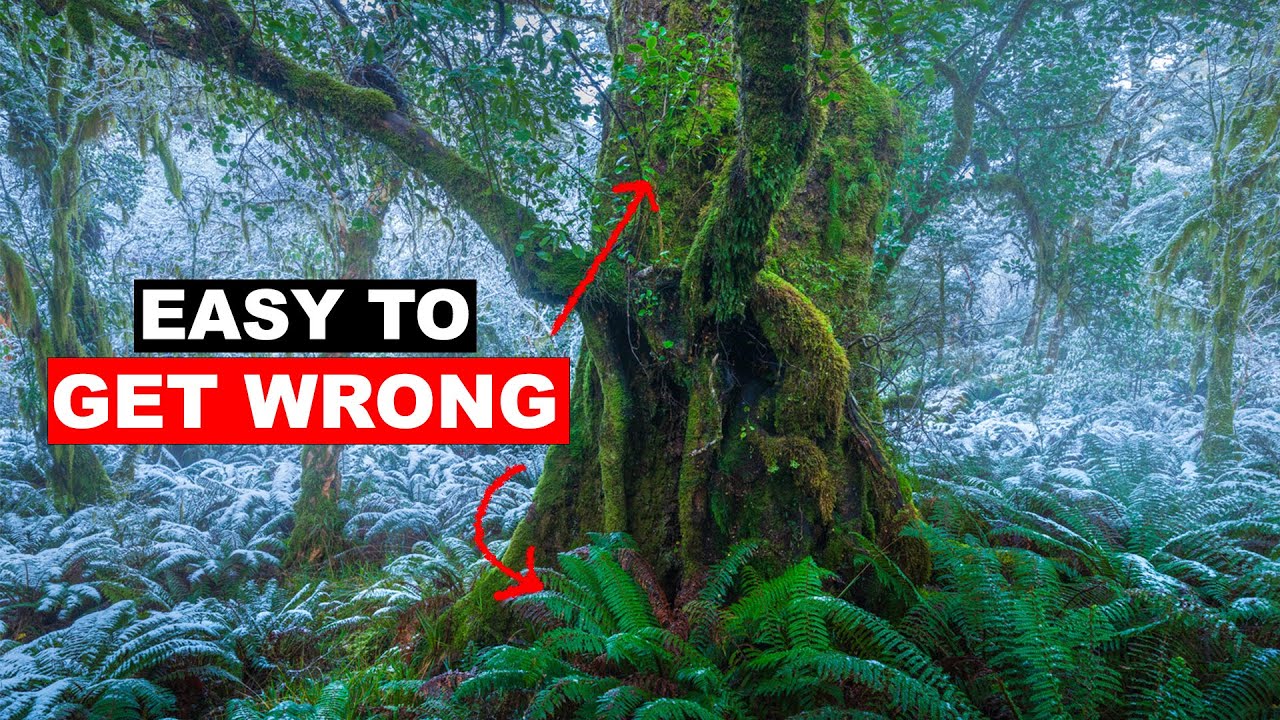
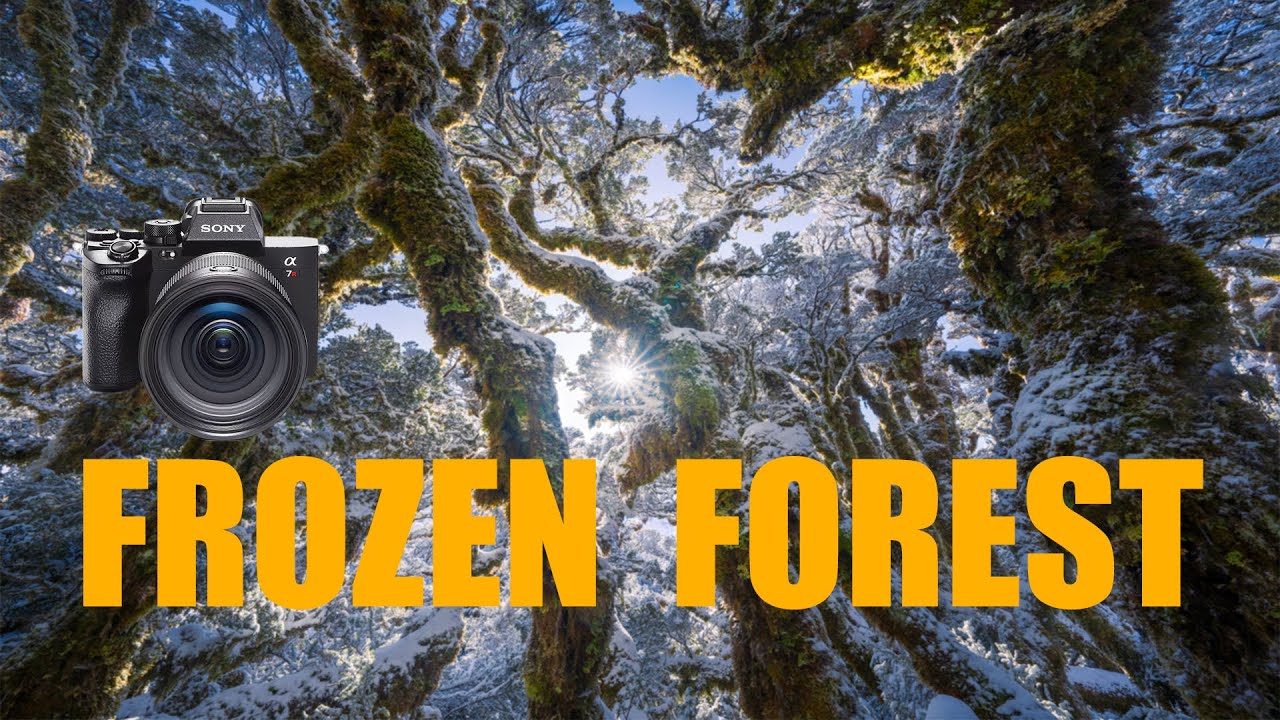
There’s a particular kind of paralysis that hits in a forest after fresh snowfall. Everything is beautiful. Every direction you turn, there’s a frame. And that abundance, counterintuitively, is what makes it one of the hardest environments to photograph well. I’ve stood in snow-covered pines in the Cascades enough times to know that the instinct to just start shooting is almost always wrong. The chaos of a white-blanketed forest demands more discipline, not less.

How to Shoot Winter Snow Landscapes: Field Lessons from New Zealand's Southern Alps

How to Shoot Winter Snow Landscapes: Field Lessons from New Zealand's Southern Alps

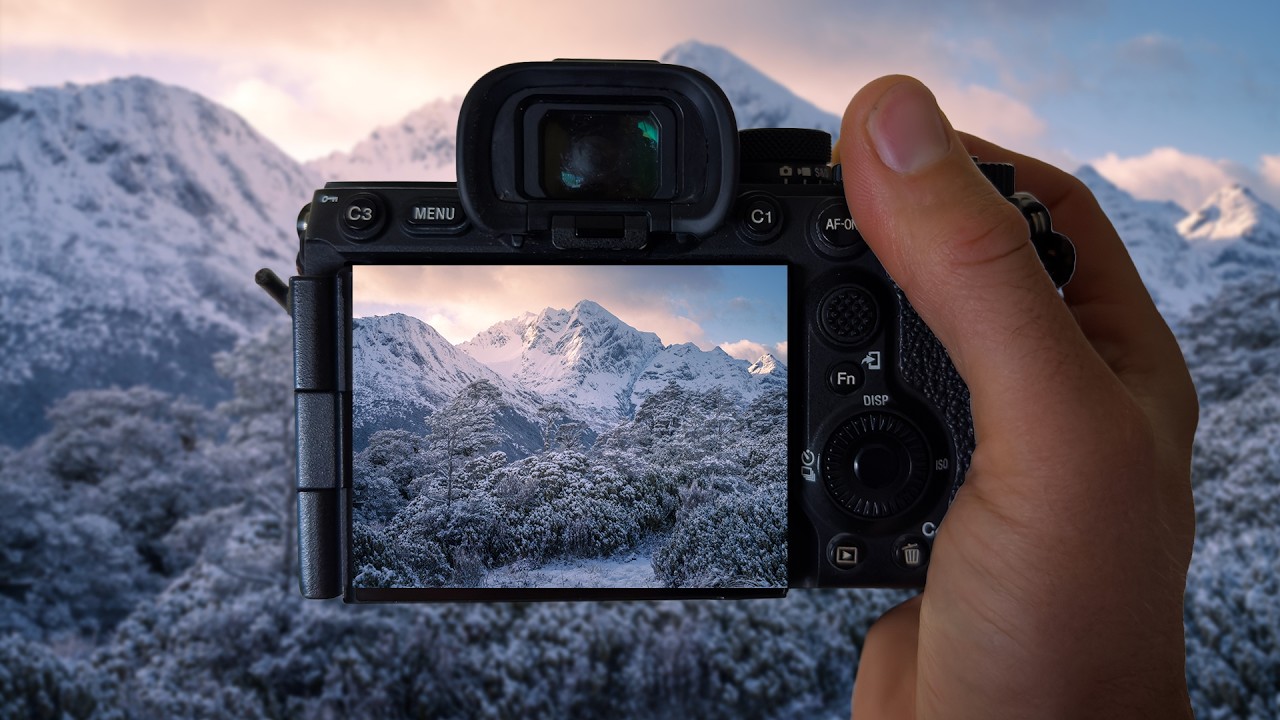
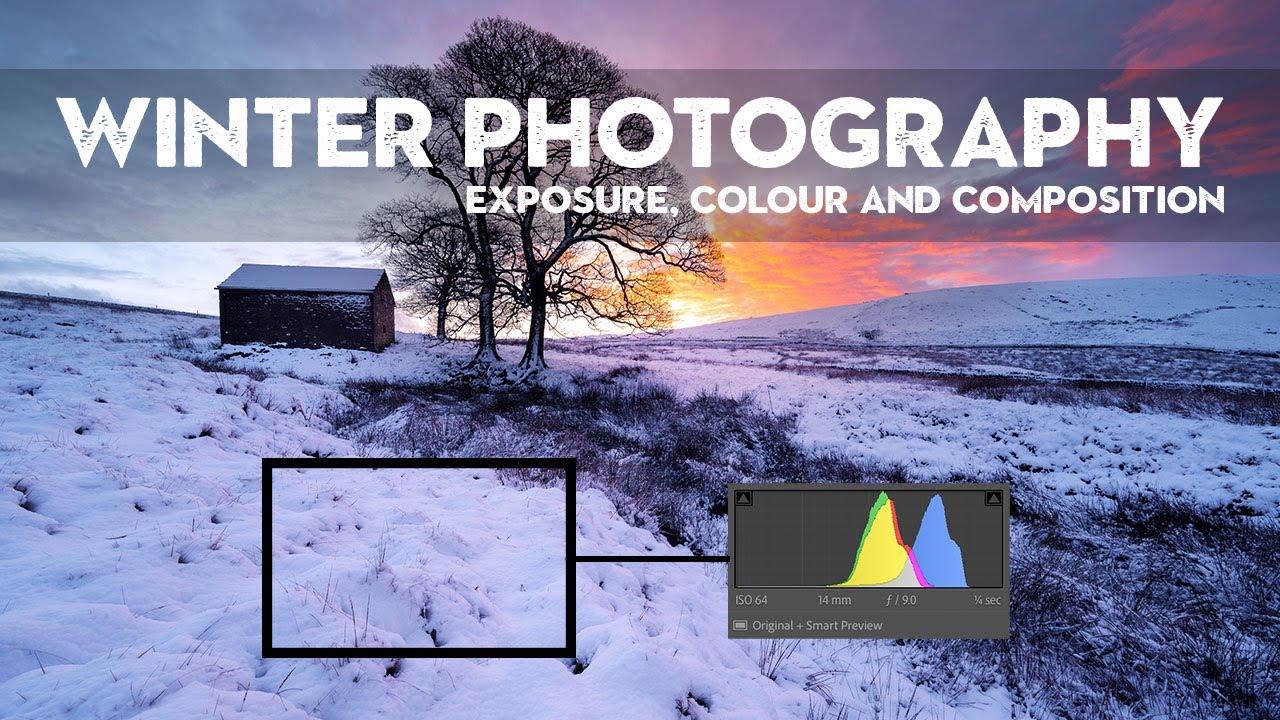
Snow changes everything. The light bounces differently, the exposure math shifts, and the window between “perfect” and “blown out” narrows to something that can feel almost cruel. I’ve shot winter conditions in the Cascades and the Oregon high desert for two decades, and I’ll tell you honestly: snow still humbles me on a regular basis. So when I came across a tutorial from New Zealand-based photographer William Patino documenting a pre-dawn sprint into a snow-loaded South Island forest, I watched it twice and took notes.